15 World Famous Street Food Dishes That Are Actually Worth the Hype
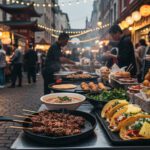
Forget the white tablecloths and the three-page wine lists. If you want to find the heartbeat of a city, you have to find the street where the pavement is stained with oil and the air is thick with charcoal smoke. I’ve spent years chasing flavors across five continents, and I’ll tell you right now: the most world famous street food isn’t just about convenience; it’s a masterclass in culinary efficiency. From the sizzle of a taco al pastor in Mexico City to the steam rising off a bamboo basket in Shanghai, these 15 dishes are the real deal.
The Direct Answer: What Makes Street Food Great?
The world’s most iconic street foods—like Tacos al Pastor, Pad Thai, Banh Mi, and Takoyaki—earn their status through a combination of high-heat technique, specialized ingredients, and accessibility. They aren’t trying to be fancy; they are trying to be perfect versions of themselves. Whether it’s the ‘Wok Hei’ of a stir-fry or the slow-rendered fat of a vertical rotisserie, these dishes offer a level of flavor depth that expensive restaurants rarely capture because they lack the high-volume, single-minded focus of a street vendor.
The Science of the Sidewalk: Why It Tastes Better
There’s a scientific reason why that skewer of meat tasted better at 2 AM in Istanbul than anything you’ve had at a sit-down bistro. It’s all about the Maillard reaction. Most street vendors work with massive heat—charcoal grills, screaming hot woks, or deep fryers. This creates a chemical reaction between amino acids and reducing sugars that gives browned food its distinctive flavor. When a vendor cooks the same dish 500 times a day, the seasoning on that flat-top grill becomes part of the recipe.
Then there’s the concept of ‘Wok Hei’ or the ‘breath of the wok.’ It’s that smoky, slightly charred essence you get when oil hits the flashpoint of a seasoned carbon steel wok. You can’t replicate that in a home kitchen without setting off every smoke alarm in the building. It’s the soul of world famous street food.
1. Tacos al Pastor (Mexico City, Mexico)
I remember standing on a corner in Condesa, watching a man slice thin ribbons of marinated pork off a ‘trompo’ with the precision of a surgeon. The pork is marinated in dried chilies and achiote, then stacked onto a vertical spit. The Secret: That pineapple sitting on top? Its juices contain bromelain, an enzyme that tenderizes the meat as it drips down during the roasting process. It’s a perfect balance of smoky, sweet, and acidic.
2. Pad Thai (Bangkok, Thailand)
Don’t look for it in a fancy restaurant. Find the lady on the plastic stool in a humid alleyway. True Pad Thai is about the balance of the four pillars of Thai flavor: salty (fish sauce), sour (tamarind), sweet (palm sugar), and spicy (chili). The Secret: Real vendors use ‘preserved radish’ and dried shrimp to add a funky, umami depth that most Western versions skip. It’s a texture game—crunchy peanuts against chewy rice noodles.
3. Banh Mi (Ho Chi Minh City, Vietnam)
This is a relic of French colonialism that the Vietnamese perfected. It’s a crusty baguette filled with liver pâté, head cheese, pickled daikon, and cilantro. The Secret: The bread is often made with a mix of rice flour and wheat flour, which makes it lighter and more shatteringly crisp than a standard French loaf. It’s a masterclass in contrast: cold meat, warm bread, crunchy pickles, and fiery bird’s eye chilies.
4. Gelato (Florence, Italy)
It’s not just ice cream. It’s denser because it’s churned slower, incorporating less air. The Secret: Authentic gelato is served at a slightly warmer temperature than American ice cream, which means the fats don’t coat your tongue as much, allowing the actual flavor (pistachio, lemon, chocolate) to hit your taste buds immediately.
5. Poutine (Montreal, Canada)
The ultimate cold-weather fuel. Fries, brown gravy, and cheese curds. It sounds simple, but it’s a rite of passage. The Secret: The cheese curds must be fresh—so fresh they ‘squeak’ against your teeth. If they melt completely, the vendor failed. They should soften but maintain their structure against the hot, peppery gravy.
6. Döner Kebab (Berlin/Istanbul)
Whether you’re in a Kreuzberg basement or a Turkish bazaar, the Döner is king. Thinly sliced lamb or chicken served in a pita with garlic sauce. The Secret: The meat is layered with fat (often tail fat in lamb) to keep it basted as it rotates. That crispy, caramelized outer edge is where the magic lives.
7. Jerk Chicken (Montego Bay, Jamaica)
Forget the oven-baked stuff. True jerk is cooked over pimento wood. The Secret: The wood isn’t just fuel; it’s an ingredient. The smoke from the pimento wood infuses the meat with a flavor you can’t get from a bottle of sauce. It’s spicy, aromatic, and deeply charred.
8. Ceviche (Lima, Peru)
Raw fish cured in citrus juices. I’ve had this on the docks in Callao, and it’ll change your life. The Secret: The leftover marinade is called ‘Leche de Tigre’ (Tiger’s Milk). It’s a concentrated shot of lime juice, chili, and fish collagen that locals drink as a hangover cure.
9. Takoyaki (Osaka, Japan)
Little battered balls of octopus. Watching a vendor flip these with metal picks at lightning speed is hypnotic. The Secret: The batter is heavy on dashi (fish stock), giving it a savory depth that balances the sweet brown sauce and the dancing bonito flakes on top.
10. Arepas (Bogotá, Colombia)
A cornmeal cake that is grilled, baked, or fried and stuffed with everything from cheese to chorizo. The Secret: Using ‘precooked’ corn flour (masarepa) gives them that specific dense, slightly sweet interior and a crispy, charred exterior.
11. Fish and Chips (London, UK)
The ultimate British street food. The Secret: A great batter uses carbonated water or beer. The bubbles create pockets of air that expand when they hit the hot oil, resulting in a lighter, crispier shell that protects the steaming white fish inside.
12. Falafel (Tel Aviv/Cairo)
Fried balls of chickpeas or fava beans. The Secret: Adding plenty of fresh herbs (parsley and cilantro) to the mix makes the inside vibrant green. A pinch of baking soda in the batter ensures they stay airy and light instead of becoming leaden bricks.
13. Currywurst (Berlin, Germany)
A steamed, then fried bratwurst covered in curry ketchup. The Secret: It’s all about the ketchup-to-curry powder ratio. The sauce should be slightly sweet and tangy to cut through the heavy, fatty sausage. It’s a post-clubbing necessity.
14. Xiaolongbao (Shanghai, China)
Soup dumplings. The Secret: The ‘soup’ is actually a solidified meat aspic that is folded into the dumpling. When steamed, the aspic melts back into a rich, savory broth. Be careful—it’s a volcanic trap for the uninitiated.
15. Arancini (Sicily, Italy)
Stuffed, breaded, and fried rice balls. The Secret: They are often made with leftover risotto, which means the rice has already absorbed a massive amount of saffron or meat stock flavor before it even hits the fryer.
How to Spot Legit Street Food: A Quick Guide
You’re in a new city and you’re hungry. How do you find the good stuff? Here’s my three-step process:
- Look for the line: Locals don’t wait for mediocre food. A long queue is the best sign of freshness and quality.
- The one-trick pony: If a vendor only sells one thing (e.g., just skewers or just noodles), they’ve likely mastered it. Avoid places with a 50-item menu.
- High Turnover: Make sure the food is moving fast. If it’s been sitting under a heat lamp for an hour, keep walking.
FAQ: Is Street Food Safe?
Is world famous street food safe for tourists? Generally, yes. In fact, street food can be safer than restaurants because you can see exactly how it’s being cooked. If the heat is high and the turnover is fast, you’re usually in good shape.
What is the best city for street food? Bangkok and Mexico City are widely considered the gold standards for variety, price, and sheer flavor intensity.
Why is street food so cheap? Low overhead. No waiters, no rent for a dining room, and a limited menu allow vendors to keep prices down while focusing on high-quality ingredients.
About the Author: I’m a former line cook turned travel writer who has spent the last decade eating my way through 40+ countries. I believe the best meals aren’t found in a guide, but by following the smell of charcoal down a dark street.
Want to read more about the street food visit out this blog page.