In every culture, food is more than just sustenance—it’s a symbol of tradition, identity, and community. But while some traditional recipes are indulgent, many are surprisingly healthy. They’re made from whole, natural ingredients, cooked using time-tested techniques, and infused with the wisdom of generations. In today’s fast-paced world, where fad diets come and go, healthy traditional dishes from around the globe offer a refreshing reminder that nutritious food can also be flavorful, comforting, and deeply rooted in culture.
While some traditional dishes are indulgent or festive, many stand out for their nutritional richness. Time-honored recipes frequently showcase fresh, whole ingredients—vegetables, legumes, grains, herbs, spices, and lean proteins—prepared through slow cooking, fermenting, steaming, or grilling. These methods preserve nutrients, deepen flavors, and avoid the excessive use of processed additives, sugar, or unhealthy fats.
In this article, we’ll explore healthy traditional dishes from various continents, focusing on recipes that are not only delicious but also nourishing. You’ll discover how people across the globe have been eating well for centuries—long before the term “clean eating” existed.
Why Traditional Dishes Are Often Healthier Than You Think
Many traditional meals:
-
Use seasonal, local, and fresh ingredients.
-
Rely on plant-based staples like legumes, grains, and vegetables.
-
Avoid artificial additives, processed sugars, and preservatives.
-
Emphasize balance—protein, fiber, and natural fats in harmony.
Let’s dive into the continents and discover their most iconic, healthy traditional dishes.
Healthy Traditional Dishes from Every Corner of the World
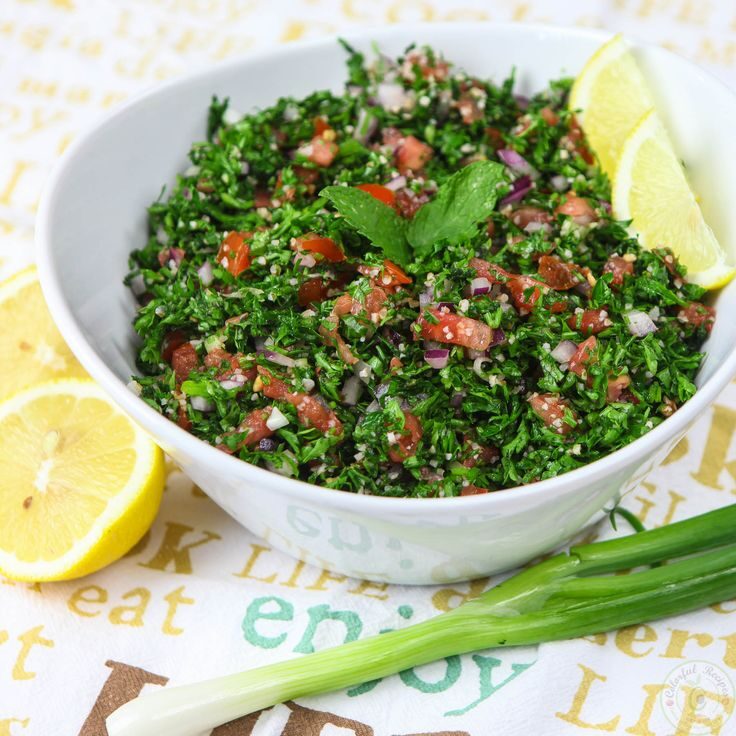
1. Middle East: Tabbouleh – Lebanon
Why it’s healthy: Tabbouleh is a refreshing salad made primarily from parsley, bulgur wheat, tomatoes, mint, and olive oil. It’s high in antioxidants, fiber, and heart-healthy fats.
Key Ingredients:
-
Parsley (rich in vitamin C and K)
-
Bulgur (a whole grain high in fiber)
-
Tomatoes and lemon juice
How it’s eaten: Typically served as part of a mezze platter, it’s light yet filling.
2. Asia: Daal – India
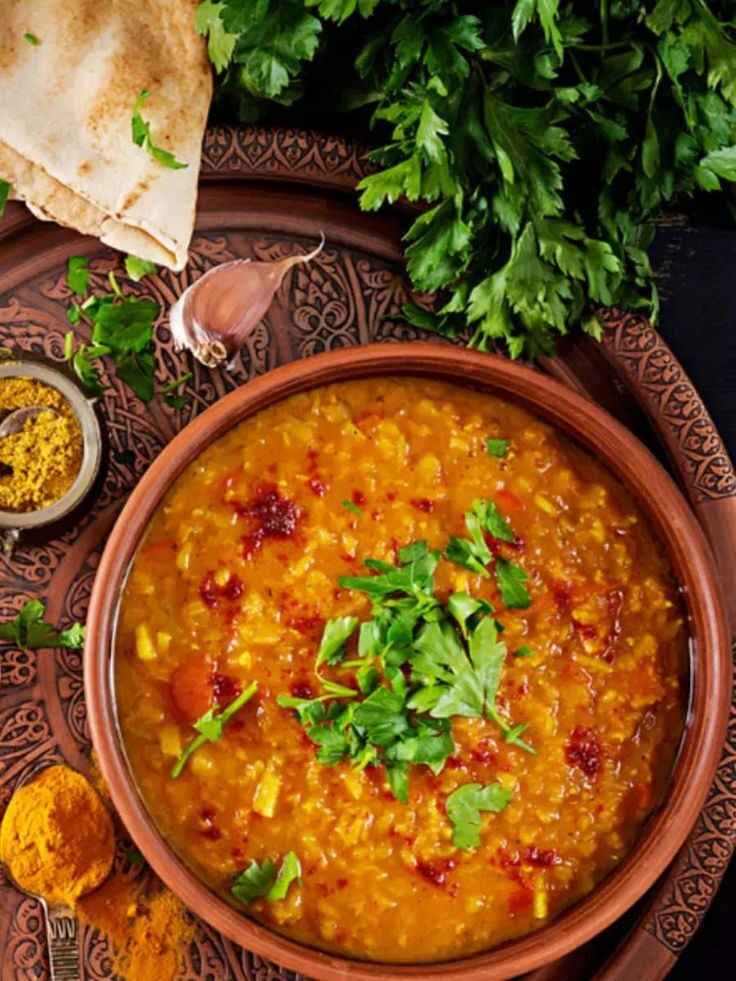
Why it’s healthy: Indian daal (lentil stew) is packed with plant-based protein, fiber, and anti-inflammatory spices like turmeric, cumin, and coriander.
Key Ingredients:
-
Red or yellow lentils
-
Onion, garlic, turmeric
-
Mustard seeds, curry leaves
Benefits: Daal is easy to digest, affordable, and supports stable energy throughout the day.
3. Europe: Ratatouille – France
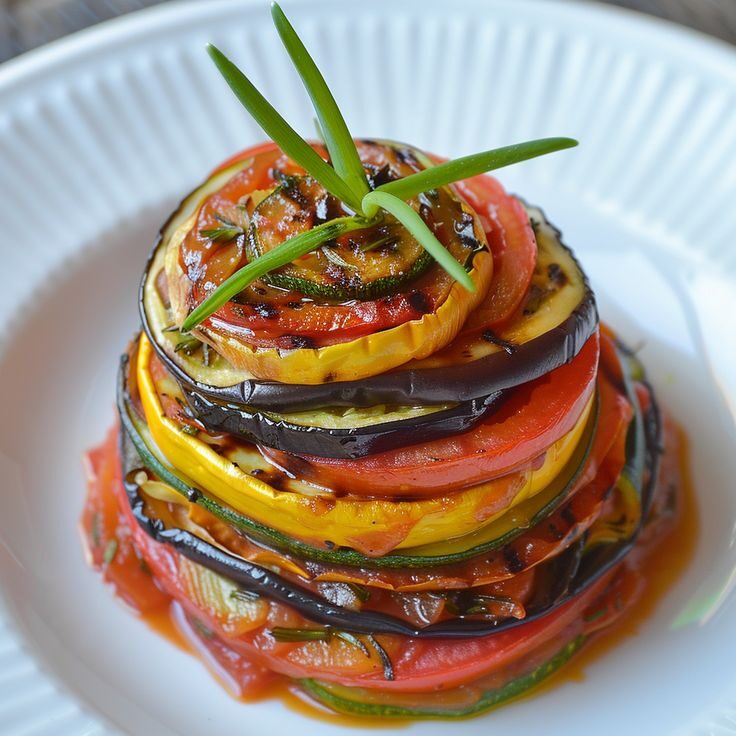
Why it’s healthy: A slow-cooked vegetable medley using zucchini, eggplant, tomatoes, peppers, and herbs. Low in fat and full of vitamins and minerals.
Key Ingredients:
-
Olive oil (in moderation)
-
Eggplant, tomatoes, and garlic
-
Thyme, rosemary, and basil
Cooking method: Baked or simmered gently to preserve nutrients and enhance flavor.

4. Scandinavia: Grilled Salmon with Dill Potatoes – Norway
Why it’s healthy: Scandinavian diets are rich in fish and root vegetables. Salmon is loaded with omega-3 fatty acids for heart and brain health.
Key Ingredients:
-
Fresh salmon (grilled or baked)
-
Boiled baby potatoes with dill and a touch of olive oil or yogurt
-
Steamed broccoli or asparagus
Tip: Keep portions moderate and avoid heavy sauces.

5. East Asia: Miso Soup – Japan
Why it’s healthy: Miso soup is probiotic-rich and aids in digestion. Traditionally served with seaweed, tofu, and green onions.
Key Ingredients:
-
Miso paste (fermented soybeans)
-
Kombu (seaweed)
-
Tofu cubes
Health highlight: Miso promotes gut health and provides plant-based protein.
6. Latin America: Quinoa & Vegetable Stew – Peru
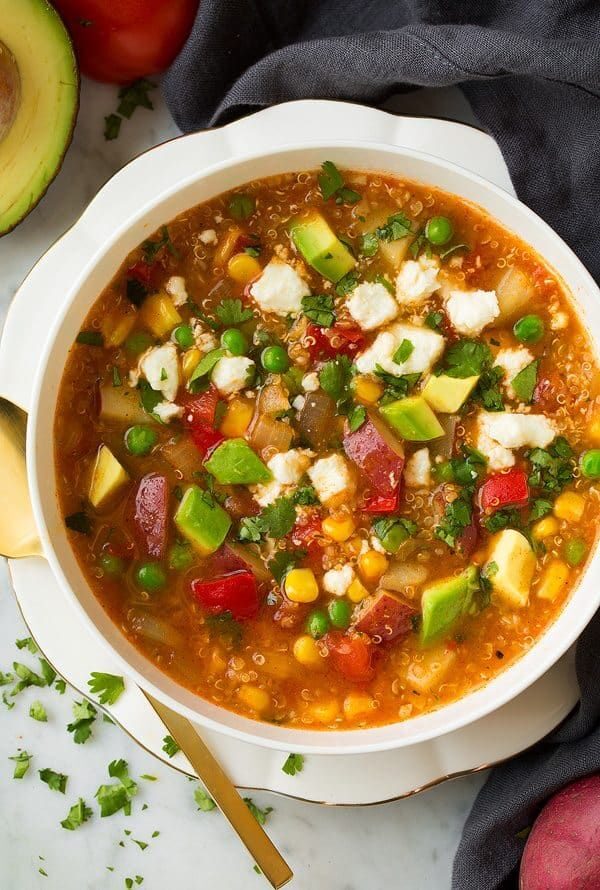
Why it’s healthy: A staple in the Andes, quinoa is a complete protein. Paired with vegetables like squash, corn, and carrots, it becomes a balanced dish.
Key Ingredients:
-
Quinoa
-
Carrots, corn, tomatoes
-
Garlic and chili for seasoning
Cultural fact: Quinoa was considered sacred by the Incas and is still a primary protein source in Peru today.

7. North Africa: Couscous with Vegetables – Morocco
Why it’s healthy: Couscous is light, and when cooked with carrots, zucchini, and chickpeas, it forms a well-rounded, fiber-rich dish.
Key Ingredients:
-
Whole wheat couscous
-
Seasonal vegetables
-
Ras el hanout (a Moroccan spice blend)
Cooking method: Steamed couscous with slow-cooked vegetables and aromatic spices.
8. Eastern Europe: Borscht – Ukraine
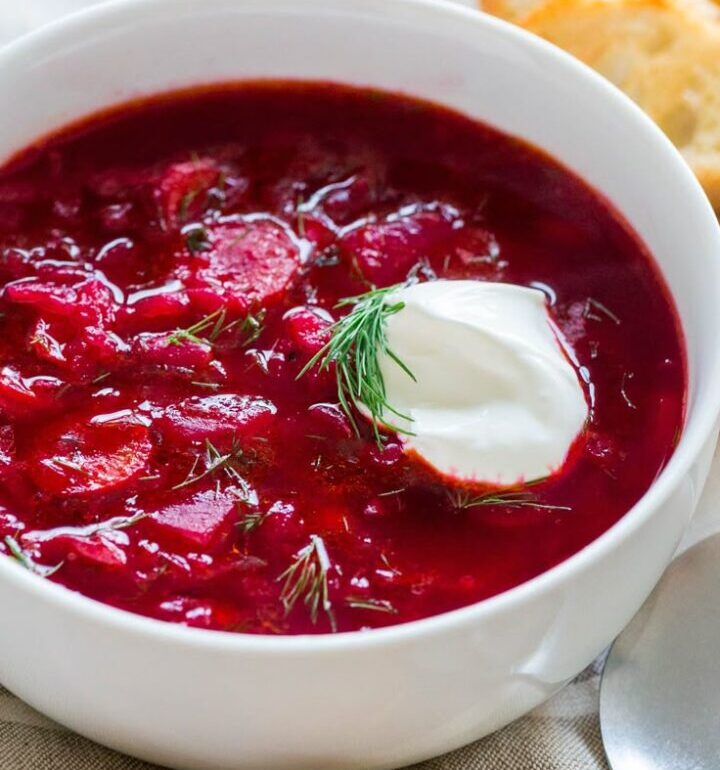
Why it’s healthy: This beet-based soup is rich in antioxidants and vitamins. Often made with cabbage, carrots, and a small amount of lean meat or beans.
Key Ingredients:
-
Beets, cabbage, carrots
-
Garlic and bay leaves
-
Optional: kidney beans or lean beef
Tip: Serve with a spoon of low-fat yogurt instead of sour cream.
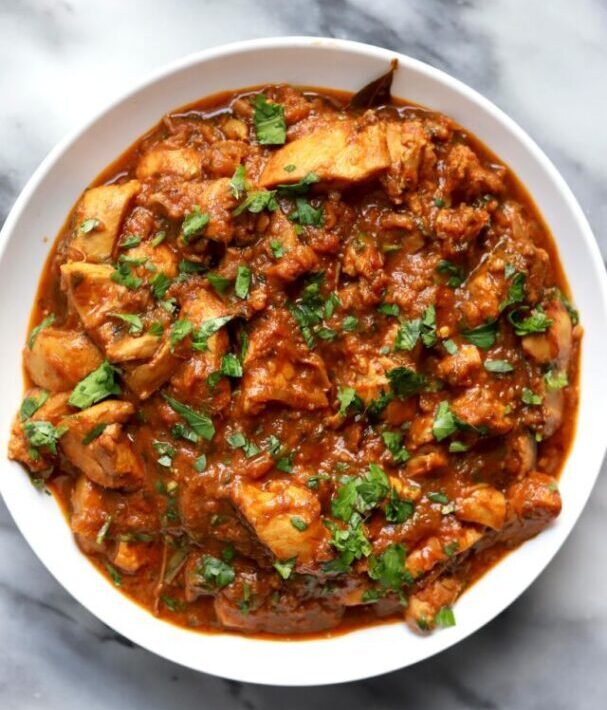
9. Sub-Saharan Africa: Sukuma Wiki – Kenya
Why it’s healthy: “Sukuma Wiki” means “stretch the week” in Swahili, referring to its budget-friendly nature. It’s a kale or collard greens dish sautéed with onions and tomatoes.
Key Ingredients:
-
Kale or collard greens
-
Tomatoes, onion
-
Garlic and a bit of oil
Benefit: High in iron, vitamin K, and fiber.
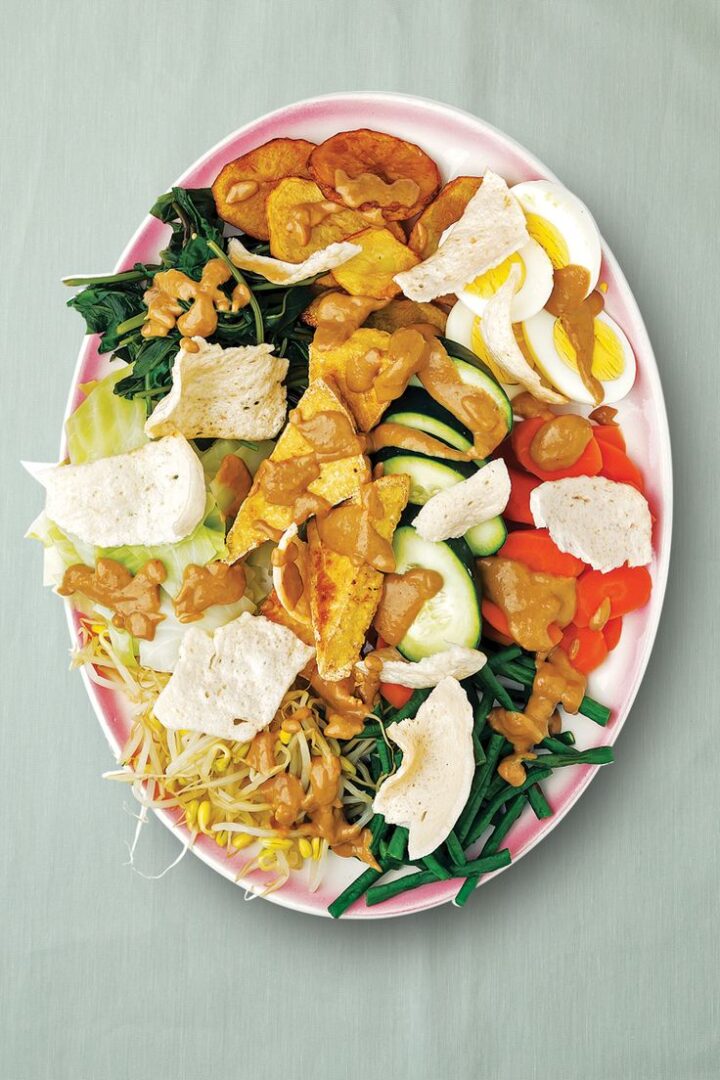
10. Southeast Asia: Gado-Gado – Indonesia
Why it’s healthy: A vibrant salad of boiled vegetables, tofu, tempeh, and eggs, served with a natural peanut sauce.
Key Ingredients:
-
Cabbage, beans, carrots, sprouts
-
Hard-boiled eggs and tofu
-
Peanut-lime dressing
Note: Use a light, homemade peanut sauce to avoid extra sugar and oil.
The Common Threads of Healthy Traditional Dishes
Though the cultures are vastly different, these healthy traditional dishes share some powerful traits:
-
Minimal processing – Whole ingredients prepared fresh.
-
Plant-forward – Many are vegetarian or heavily plant-based.
-
Balanced macronutrients – Grains + vegetables + protein = complete meals.
-
Natural flavors – Spices and herbs, not artificial enhancers.
-
Mindful eating culture – Meals are eaten slowly, often socially.
Bringing Global Traditions into Your Home Kitchen
Want to try these recipes at home? Here are some simple steps:
-
Stock up on global pantry staples: lentils, quinoa, olive oil, miso paste, herbs, etc.
-
Cook in batches: Many of these dishes store well for meal prep.
-
Use traditional spices: Cumin, turmeric, coriander, and za’atar can transform simple ingredients.
-
Experiment weekly: Try one new traditional recipe every week for variety and fun.
Frequently Asked Questions
1. I want to eat healthy, but traditional foods are often high in fats or carbs. How can I enjoy them without compromising my diet?
Many traditional dishes rely on rich ingredients, but they can often be modified without losing authenticity. Substituting heavy fats like ghee or lard with heart-healthy oils such as olive or avocado oil can reduce saturated fats. Instead of deep-frying, try grilling, steaming, or baking for a lighter approach. You can also incorporate whole grains, such as brown rice or millet, in place of refined ones while still preserving the core of the dish.
2. Are there vegetarian or vegan versions of traditional dishes from meat-heavy cultures? Absolutely. Most cultures offer plant-based alternatives or dishes that are naturally vegetarian. For example, Indian cuisine is rich in lentil-based meals like dal, while Middle Eastern menus feature falafel and hummus. In Italy, dishes like eggplant parmigiana or caponata serve as satisfying vegetarian meals. Adapting meat-based recipes using legumes, mushrooms, or tofu can also retain the original flavors and textures.
3. How do I find traditional ingredients that are hard to source in my country? When access to specific spices or staples is limited, exploring local ethnic grocery stores can be a great start. Online specialty markets are another option for finding rare ingredients. If a product is unavailable, you can often recreate its effect with substitutions—for instance, a tamarind paste alternative could be a mix of lime juice and brown sugar.
4. Traditional cooking seems time-consuming. Any time-saving tips?
Yes, traditional methods are often slow by design, but modern kitchen tools can help. Pressure cookers and instant pots can significantly reduce cooking time for legumes and stews. You can also prepare spice blends and sauces in advance, then store them for quick use. Cooking in batches and freezing portions allows you to enjoy traditional meals without having to start from scratch each time.
5. A lot of traditional dishes use too much salt or sugar. How can I modify them healthily? To reduce salt intake, you can emphasize other flavor-building ingredients such as fresh herbs, lemon juice, or spices like paprika and cumin. For sugar-laden dishes, opt for natural sweeteners such as dates, honey, or fruit purees. These not only lower the glycemic impact but can also enrich the overall flavor profile.
6. How do I know which traditional dishes are genuinely healthy versus just labeled as “natural”?
Look for meals that are built around whole foods, such as vegetables, legumes, lean proteins, and unrefined grains. Avoid dishes that rely heavily on deep frying, processed ingredients, or excessive sauces. Examples of nutrient-dense traditional dishes include Moroccan tagine, Japanese miso soup, and Vietnamese pho—all of which balance flavor with health.
7. Can traditional healthy meals be budget-friendly?
Yes, many traditional diets are inherently economical. Staples such as beans, rice, lentils, and seasonal produce are not only nutritious but also inexpensive. Cooking in bulk, using local ingredients, and avoiding overly processed imports can help keep costs down while maintaining cultural authenticity.
8. How can I make these dishes kid-friendly or suitable for picky eaters?
Start by adjusting the spice levels and textures to appeal to younger palates. Pureeing sauces, simplifying ingredients, or presenting food in a fun and engaging way can make a big difference. Turning mealtime into an educational activity by exploring the history and culture behind each dish may also spark a child’s interest in trying new foods.
9. I have dietary restrictions (gluten-free, dairy-free, etc.). Are traditional dishes adaptable?
Many cuisines naturally include gluten-free or dairy-free options. For example, corn tortillas in Mexican cooking, rice noodles in Southeast Asian dishes, or coconut milk in Thai recipes are naturally free from gluten and dairy. With a little creativity, substitutions like almond milk, chickpea flour, or vegan yogurt can easily adapt dishes without compromising flavor.
10. What’s the best way to blend cultural authenticity with modern nutritional science?
Respecting a dish’s traditional roots while being mindful of current health guidelines is key. Focus on maintaining the essence of the recipe by keeping its core techniques and flavors intact, while moderating portion sizes and swapping out high-calorie or processed ingredients. Collaborating with nutritionists or cultural chefs can also offer insights into modernizing recipes in a thoughtful way.
Final Thoughts: Food That Heals and Connects
Healthy eating doesn’t require modern superfoods or expensive health trends. It’s been around for centuries, passed down through generations, rooted in cultural traditions. These healthy traditional dishes prove that food can be simple, affordable, nourishing—and incredibly satisfying.
So next time you plan your meals, think globally. The dishes your grandmother—or someone else’s—cooked with care might be exactly what your body needs.
want to read more visit
Big Shoutout to the guys who made this blog happen UDM.