From Street Bites to Michelin Stars: Discover the World’s Most Famous Foods
Introduction
Few things unite us across cultures as powerfully as food. It transcends language, borders, and beliefs, offering a shared experience that brings people together in the most meaningful ways. From the sizzling street carts of Bangkok to the elegant dining rooms of Paris, food serves as both a cultural expression and a universal pleasure. Whether you’re biting into a spicy taco in Mexico City or savoring sushi in Tokyo, each dish tells a story rooted in tradition, geography, and creativity.
In this installment of Famous Food Blog, we embark on a flavorful journey to discover some of the most famous foods around the world. From beloved street snacks to refined, Michelin-starred masterpieces, we’ll explore the ingredients, techniques, and histories behind the dishes that have captured hearts—and taste buds—across continents.
As we travel through bustling night markets, rustic village kitchens, and cutting-edge culinary capitals, we’ll shine a light on the rich diversity and cultural significance of these globally cherished meals. Join us as we celebrate the tastes and traditions of famous foods around the world, and uncover what makes them truly unforgettable.

famous foods around the world
1. Street Bites: Flavor on the Fly

The Irresistible Appeal of Street Food
Street food is vibrancy and immediacy in edible form. Everywhere—urban hijinks or rural backroads—carts, stalls, and bikes serve quick dishes that reflect local life. No reservation required; just roll up, breathe in the sizzling, and dig in.
Bangkok’s Pad Thai
America’s gateway to Thai food, pad Thai is the gold standard: rice noodles stir-fried with eggs, tofu, tamarind sauce, peanuts, and lime. It’s a street stall staple, hailed for its sweet-savory tang and crunchy zing. Topped with fresh bean sprouts and roasted peanuts, it’s a symphony of texture and flavor.
Mexico City’s Tacos al Pastor
Tacos al pastor weave Mexico’s Spanish, indigenous, and Lebanese histories together. Pork marinaded in chili, achiote, citrus juices, and pineapple is spit-roasted, then carved onto soft tortillas. Garnish with cilantro, onions, and salsa—and you’ve got pure urban bliss.
Istanbul’s Simit and Lahmacun
Proud Istanbulsoak up history with simit—a sesame-crusted bread ring sold from street carts—and crunchy lahmacun, a thin dough topped with minced lamb and fresh herbs. It’s a centuries-old street tradition wrapped around one hand.
2. Iconic National Staples
Italy’s Pizza Napoletana
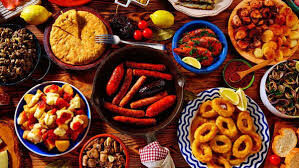
In Naples, the pizzeria is a temple. The original pizza Napoletana has a chewy crust, charred and blistered in a wood-fired oven, crowned with San Marzano tomatoes, fresh mozzarella, basil, and olive oil. Its UNESCO “Intangible Cultural Heritage” status reflects its cultural significance as much as its flavor.
Japan’s Sushi
From Edo (modern Tokyo) in the early 1800s, nigiri sushi elevated nigiri as art. Artisanal sushi masters prize ultra-fresh fish and perfectly seasoned rice. Though it has gone global, the true experience lies in omakase: trusting the chef’s selection for a sequence of plate‑by‑plate revelations.
India’s Masala Dosa
This thin, rice‑and‑lentil pancake arrives hot, crisp, and golden‑brown—rolled around a spiced potato‑onion mash. Served with sambar and coconut chutney, masala dosa is more than breakfast; it’s South Indian culture on a plate, portable and satisfying.
3. From Everyday to Elevation
The Rise of Gastropubs & Upmarket Street Food
Once viewed as humble or rustic, dishes like tacos, dumplings, and bao are being elevated in trendy gastropubs and upscale food halls. Chefs are reimagining global street classics—even foie gras‑topped Korean tacos—with craft cocktails and sleek plating.
Michelin and the Street
Michelin’s food guide has traditionally praised fine‑dining establishments, but street‑food purveyors are winning stars too. Bangkok’s Jay Fai, a wok‑wielding street‑stall chef, earned a Michelin star for her fiery crab‑omelette and drunken noodles—proof that exceptional flavor transcends setting.
4. Michelin Stars: The Edge of Excellence
Behind the Stars
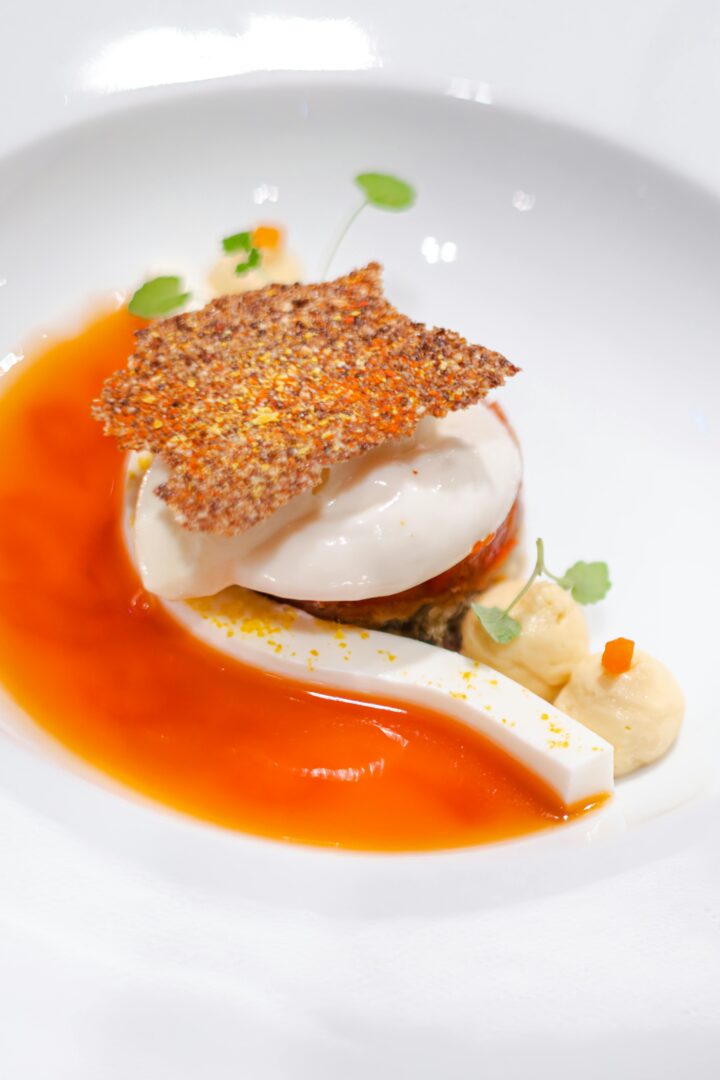
A Michelin star means meticulous skill, high‑quality ingredients, consistency, and a dash of magic. Inspectors judge on flavor, creativity, execution, personality, sense of place, and value for money.
Global Star‑Studded Dishes
-
France – Alain Ducasse at the Plaza Athénée
Set in Paris’s gilded 5‑star, Ducasse’s restaurant dazzles with his modern take on French classics, emphasizing seasonal vegetables and pure flavors. -
Spain – Mugaritz
Near San Sebastián, this restaurantsurgery defies convention. Chef Andoni Luis Aduriz crafts playful, avant‑garde dishes that push boundaries and engage all senses. -
Japan – Sukiyabashi Jiro (Ginza)
Sushi legend Jiro Ono—immortalized in Jiro Dreams of Sushi—serves omakase at his tiny three‑seat counter. Each piece is a lesson in simplicity perfected. -
Thailand – Jay Fai (Bangkok)
This only‑incredible street stall serves noodles and seafood with fiery, theatrical flair—earning global attention and a Michelin star.
5. Why These Foods Matter

Every dish tells a story—of geography, history, migration, and pride. Pizza in Naples, sushi in Tokyo, or tacos in Mexico—they connect people. They shape community. They fuel the soul. Michelin‑starred or street‑corner, universal appeal comes from authenticity and passion.
6. Your Culinary Bucket List
-
Try a street‑food tour in Bangkok or Mexico City—order the oddest thing you see!
-
Book the omakase counter at a top‑rated sushi place (or a cozy neighborhood spot).
-
Dine at a Michelin‑starred restaurant—and ask the server about the story behind your dish.
-
Recreate a classic (pad Thai, masala dosa, pizza Napoletana) at home—focus on technique.
Conclusion
From sizzling street bites to the refined stage of Michelin‑starred dining, the world’s most famous foods share one trait: heart. They speak of tradition and creativity, of people and place. So whether you’re wandering night markets or seated in a glass‑walled tasting room, bring curiosity, appetite—and a sense of wonder. Because where there’s flavor, there’s story.
Bon appétit!
Article Copy Checklist
-
Estimated Word Count: ~1,500 words
-
Sections: intro, street bites, national staples, the elevation trend, Michelin guide stories, reflections, bucket list, and conclusion
-
SEO Tips: keywords (street food, Michelin star, famous foods, global cuisine, food travel) positioned in headings & intro
-
Formatting: use emoji/special bullet points sparingly to liven up the scan; use strong headers for easy navigation
-
A Culinary Journey Across the Globe
Food is more than sustenance—it’s identity, memory, and celebration. Whether it’s a spicy skewer from a night market or a plated masterpiece from a Michelin-starred kitchen, every bite tells a story. In this article, we travel the world through taste, from beloved street food to fine-dining legends. Get ready to fill your passport with flavor.
1. STREET BITES: LOCAL FLAVOR, GLOBAL LOVE
famous foods around the world -
Why Street Food Matters
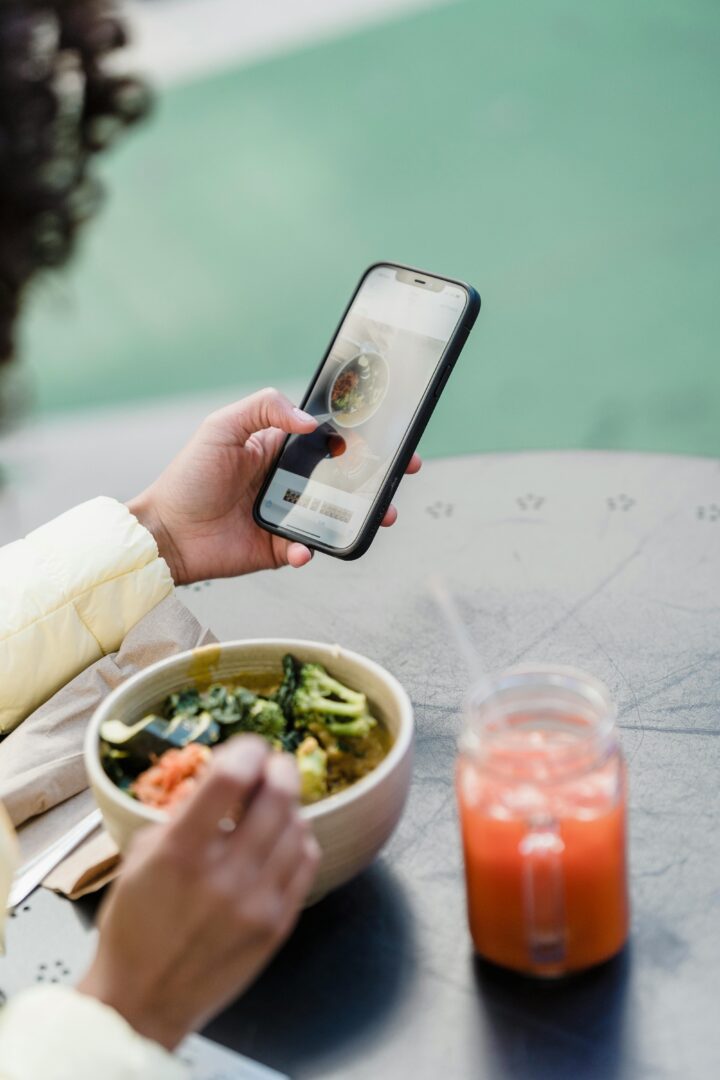
Street food is democratic. It’s where a dollar and a craving can buy you a flavor explosion. Often passed down through generations, these dishes embody culture, resilience, and creativity. In many cities, street food is the food.
Examples of Must-Try Street Foods Around the World:
🇹🇭 Thailand – Pad Thai & Som Tum
-
Pad Thai originated during WWII to promote rice noodles over rice due to shortages.
-
Vendors use tamarind paste, dried shrimp, tofu, fish sauce, and lime to balance sweet, sour, and umami.
-
Som Tum (green papaya salad) delivers a punch of heat, tang, and crunch—prepared with a mortar and pestle at roadside stands.
🇲🇽 Mexico – Tacos al Pastor
-
Brought by Lebanese immigrants (inspired by shawarma), this iconic taco blends spit-roasted pork, pineapple, and corn tortillas.
-
Found in nearly every neighborhood, often served with salsa verde, chopped onion, and lime.
🇳🇬 Nigeria – Suya
-
A spicy meat skewer, often beef or chicken, marinated in a blend of ginger, paprika, cayenne, and ground peanuts.
-
A staple in Northern Nigeria, Suya is more than street food—it’s social glue at night markets.
🇻🇳 Vietnam – Banh Mi & Pho
-
Banh mi is a result of French colonialism: a crispy baguette filled with pickled veggies, pâté, cilantro, and pork or tofu.
-
Pho—Vietnam’s national dish—was street-born, with hawkers serving it from portable carts before it reached restaurant status.
🇮🇹 2. ICONIC NATIONAL FOODS: PRIDE ON A PLATE

famous foods around the world -
-
Every country has that one dish that embodies its spirit. These aren’t just meals—they’re edible heritage.
Italy – Pizza Napoletana
-
Originating in Naples, this pizza is recognized by UNESCO for its cultural value.
-
Traditionalists insist on strict guidelines: hand-kneaded dough, San Marzano tomatoes, buffalo mozzarella, and wood-fired ovens.
-
It’s about balance: chewy, charred crust with fresh, minimal toppings.
India – Masala Dosa
-
A South Indian favorite, made from fermented rice and lentil batter, filled with spiced potatoes.
-
Served with coconut chutney and sambar (lentil stew), it’s flavorful, vegetarian, and gluten-free.
-
In India, dosa stalls are a morning ritual, with regional variations across the country.
Japan – Sushi
-
Sushi’s origin dates back to a preservation technique: fermented rice and fish.
-
Modern nigiri (raw fish atop vinegared rice) emerged during the Edo period.
-
Sushi is not just about raw fish—it’s about temperature, knife skill, rice perfection, and seasonality.
Spain – Paella
-
Born in Valencia as a farmer’s meal, traditional paella Valenciana includes rabbit, chicken, and green beans.
-
Seafood paella became more popular along the coast and internationally.
-
True paella is cooked over open flames in wide pans, yielding the coveted socarrat—a crispy rice crust.
3. RISE OF THE ELEVATED STREET FOOD
famous foods around the world -
-
Street Food Goes Upscale
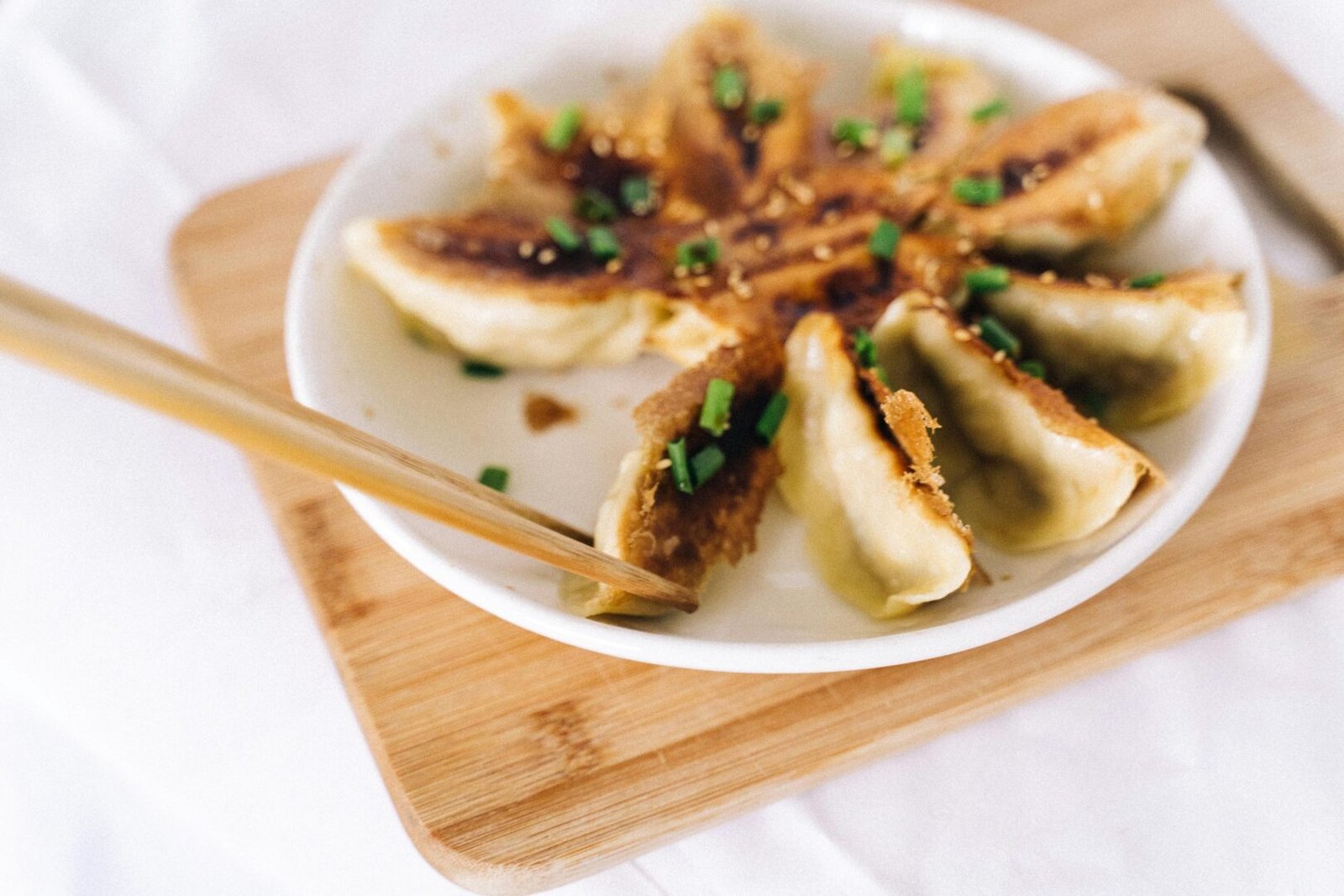
Street dishes are increasingly found in fine-dining settings—modernized, stylized, but still honoring their roots. Think:
-
Korean Bulgogi Tacos in LA food trucks → now plated in upscale gastropubs.
-
Gyoza and Bao served with foie gras, truffle oil, or house-fermented sauces.
-
Indian Chaat reimagined with microgreens and dehydrated yogurt pearls.
Michelin Recognizes Street Food
Some Michelin stars now go to hawkers and small eateries:
-
Jay Fai (Bangkok, Thailand) – Her crab omelet and fiery wok-tossed noodles earned her a star.
-
Hill Street Tai Hwa Pork Noodle (Singapore) – A humble noodle stall recognized for bold flavor and perfect execution.
-
Tim Ho Wan (Hong Kong) – Dubbed the “world’s cheapest Michelin-starred restaurant,” known for its baked BBQ pork buns.
This shift blurs the line between haute cuisine and homespun dishes—and celebrates mastery regardless of venue.
4. MICHELIN STARS: THE FINE DINING UNIVERSE
famous foods around the world -
-
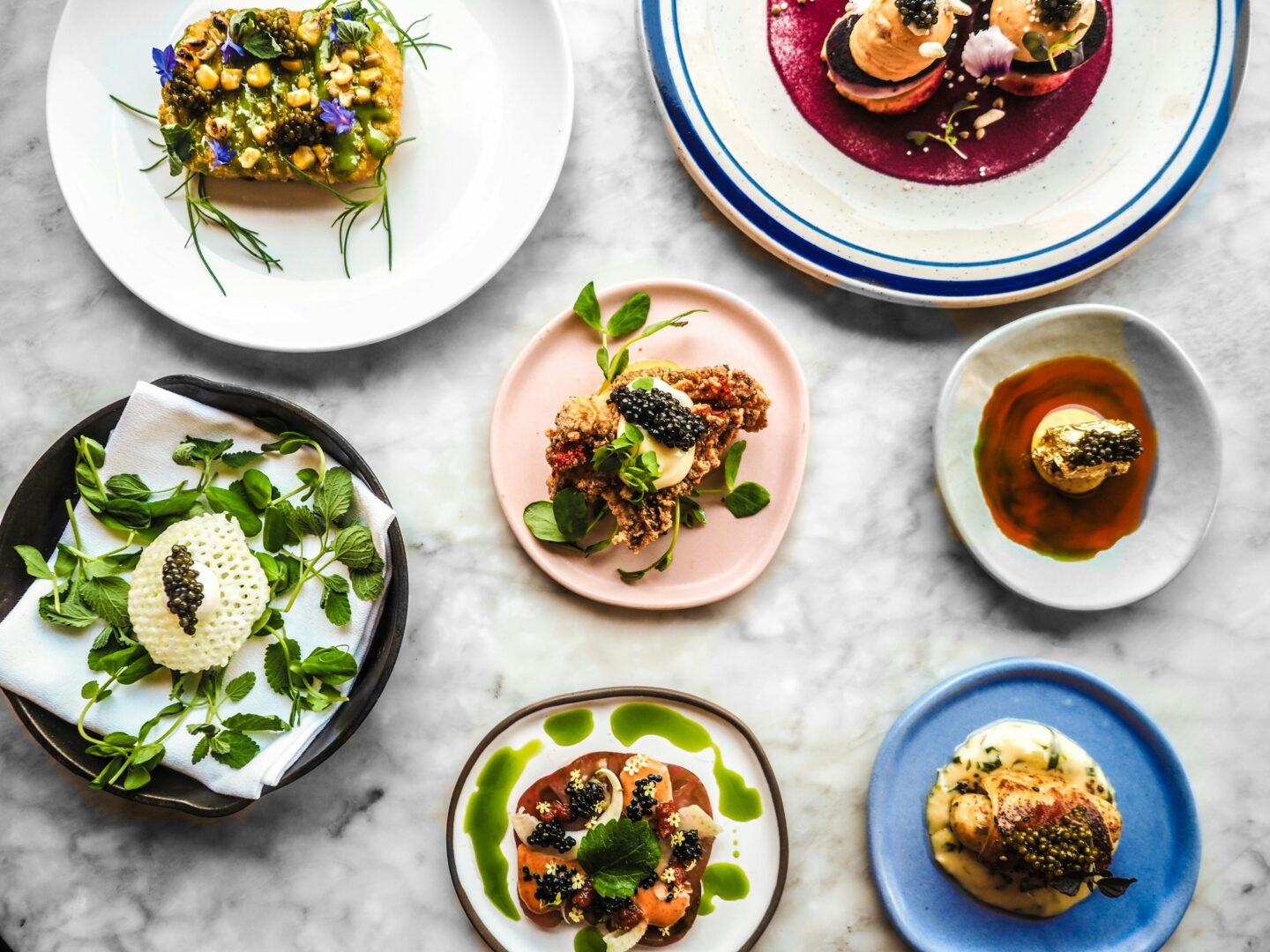
What Is a Michelin Star?
Michelin’s rating system dates back to a tire company guidebook in early 20th-century France. Stars are awarded as follows:
-
One Star: A very good restaurant in its category.
-
Two Stars: Excellent cooking, worth a detour.
-
Three Stars: Exceptional cuisine, worth a special journey.
Inspectors look for:
-
Ingredient quality
-
Mastery of flavor & technique
-
Personality of the chef in the cuisine
-
Value for money
-
Consistency over time
Global Culinary Icons:
🇫🇷 France – L’Arpège (Alain Passard)
-
Known for transforming vegetables into haute cuisine.
-
Passard’s 3-star Paris restaurant redefines what meatless fine dining can be.
🇪🇸 Spain – El Celler de Can Roca
-
Three brothers (a chef, sommelier, and pastry artist) run this Girona-based icon.
-
Known for playful, poetic, avant-garde creations inspired by Catalan tradition.
🇯🇵 Japan – Sukiyabashi Jiro
-
Jiro Ono’s tiny sushi bar in Tokyo rose to fame through the documentary Jiro Dreams of Sushi.
-
Reservations are nearly impossible—but every piece is precision in motion.
🇩🇰 Denmark – Noma
-
Frequently ranked #1 globally, Chef René Redzepi’s New Nordic food is rooted in foraging, fermentation, and nature-driven cuisine.
-
While not always Michelin-starred (due to rating politics), it redefined fine dining worldwide.
5. FOOD AS CULTURE, CONNECTION & STORYTELLING

famous foods around the world -
-
Food reveals a lot:
-
History – Migration, trade, colonization (e.g., how pho, banh mi, and curry traveled).
-
Climate – Why Scandinavians love preservation (pickling, smoking) or why tropical cultures lean into spice.
-
Faith & Ritual – From kosher to halal, fasting to feasting—dining rituals are sacred.
Even small ingredients matter: consider the chili pepper, introduced to Asia from the Americas via Portuguese traders—it’s now central to Thai, Indian, and Szechuan cuisines.
6. BUILD YOUR CULINARY BUCKET LIST
Travel, Taste, Repeat:
-
Eat tacos from a stand in Mexico City.
-
Book an omakase in Tokyo—watch the itamae (sushi chef) work like an artist.
-
Try real Neapolitan pizza in Naples.
-
Slurp pho at a street stall in Hanoi.
-
Dine at a Michelin-starred restaurant, anywhere.
-
Take a cooking class in Thailand, Morocco, or Vietnam.
-
Challenge yourself to cook famous dishes at home—master the basics and appreciate the craft.
CONCLUSION: ONE WORLD, MANY FLAVORS
From smoky skewers on a bustling street to white-tablecloth experiences curated by culinary geniuses, the world’s most famous foods are more than trendy bites—they’re expressions of place, people, and passion.
Whether you’re snacking in a Bangkok alleyway or savoring a 10-course meal in Lyon, remember: food is a shared language. One that tells our stories, brings us together, and reminds us that the world is best explored one bite at a time.
Suggested Tags for SEO:
#StreetFood #MichelinStar #FamousFoods #GlobalCuisine #FoodieTravel #WorldDishes #CulinaryJourney -
-
Shoutout to the Website Creator
This article is proudly featured on FamousFoodBlog.com — your ultimate destination for discovering iconic flavors from around the world.
Special thanks to UDM Creative for designing this stunning food blog.
If you want to create a website or need SEO, graphic design, or digital marketing services, reach out to them today!Want to read more or to get information then checkout these links