There’s something special about a glass of lassi on a warm day — smooth, refreshing, and full of flavor. But have you ever wondered what makes it so creamy and rich? The secret to creamy Pakistani lassi lies in its fermentation process. This traditional drink, made from yogurt, water, and a touch of sweetness or salt, has been enjoyed for centuries across Pakistan. However, what truly sets authentic lassi apart is how it’s fermented to achieve that silky texture and tangy taste.
In Pakistani homes, the art of fermentation is more than just a technique — it’s a tradition passed down through generations. With the right balance of temperature, timing, and natural cultures, anyone can prepare this classic beverage at home. Moreover, the fermentation not only enhances the flavor but also makes the drink easier to digest and packed with probiotics.
Whether you like it sweet, salted, or flavored with cardamom and rose water, understanding the secret to creamy Pakistani lassi will help you recreate that authentic taste right in your kitchen. In this guide, you’ll learn the simple steps, key ingredients, and tricks to make your lassi smooth, refreshing, and full of traditional charm.
The Cultural Essence Behind Pakistani Lassi
In Pakistan, lassi is not just a drink — it’s a part of daily life, deeply rooted in tradition and hospitality. From rural farms to urban kitchens, this classic beverage represents simplicity, health, and warmth. Every region has its own version: the creamy, thick lassi of Punjab, the salty one enjoyed in Sindh, or the sweet rose-flavored version popular in northern areas. Yet, no matter where you go, the secret to creamy Pakistani lassi remains the same — a careful fermentation process that transforms simple ingredients into a delightful treat.
Historically, fermentation was a natural method to preserve dairy before refrigeration existed. Families would set milk aside in earthen pots overnight, allowing nature to do its magic. Over time, people learned that fermented curd produced a smoother and richer lassi. Today, while modern appliances have replaced traditional pots, the same natural process continues to define authentic Pakistani lassi.
Understanding the Fermentation Process
To truly uncover the secret to creamy Pakistani lassi, one must first understand fermentation itself. Fermentation is a natural reaction in which bacteria convert lactose — the sugar found in milk — into lactic acid. This not only thickens the milk but also gives it that mild tangy flavor unique to lassi. The process begins with fresh milk, which is first boiled and then cooled to a warm temperature. At this stage, a small amount of curd or yogurt is added as a starter culture.
The warm environment allows beneficial bacteria to multiply, and within six to eight hours, the milk transforms into thick curd. This curd, when churned and mixed with cold water, becomes the base of lassi. The result is a creamy, smooth texture that feels both rich and refreshing. Fermentation not only enhances flavor but also improves the drink’s nutritional profile by increasing probiotics, which are great for digestion.
Ingredients That Make the Difference
When learning the secret to creamy Pakistani lassi, ingredients play a vital role. Although the recipe seems simple, the quality and proportions of each ingredient determine the final result.
Key Ingredients:
-
Fresh Milk: Always use full-fat milk for creamier lassi. The fat content helps create a silky texture.
-
Starter Curd or Yogurt: Choose plain, unsweetened yogurt made from active cultures. This ensures proper fermentation.
-
Cold Water or Milk: Adjust the thickness by adding more or less liquid during blending.
-
Sweetener or Salt: Depending on your taste, add sugar, honey, or salt.
-
Flavor Enhancers: A pinch of cardamom powder, rose water, or saffron can elevate your drink to another level.
The magic truly begins when all these ingredients are combined in perfect balance. If the milk is too hot when you add the curd, the cultures may die. If it’s too cold, fermentation won’t start. The ideal temperature is warm — just comfortable to touch.
Step-by-Step: How to Ferment Perfect Lassi at Home
Once your ingredients are ready, follow these simple steps to achieve a naturally fermented, creamy lassi at home:
-
Boil and Cool the Milk:
- Start by boiling fresh milk to remove impurities. Let it cool until it’s lukewarm — around 40°C (body temperature).
-
Add the Starter Culture:
Mix one tablespoon of curd or yogurt into the milk. Stir gently so the culture spreads evenly. -
Cover and Rest:
Pour the mixture into a clean container (preferably glass or clay) and cover it. Leave it in a warm place for 6–8 hours. Avoid moving it during this period. -
Check for Fermentation:
After a few hours, the milk should thicken into curd. If it still seems liquid, leave it for a bit longer. -
Refrigerate the Curd:
Once set, place the curd in the fridge to cool. This stops further fermentation and enhances the flavor. -
Churn into Lassi:
Add chilled water or milk to the curd and churn until smooth and frothy. You can use a blender or traditional wooden whisk (madani). -
Add Flavor and Serve:
Mix in sugar, salt, or flavoring as desired. Pour over ice cubes and enjoy your homemade lassi.
These steps might seem simple, yet they reflect generations of skill and understanding of the secret to creamy Pakistani lassi.
Health Benefits of Fermented Lassi
Besides its delicious taste, fermented lassi is known for its impressive health benefits. The fermentation process increases the level of probiotics — live bacteria that promote gut health. They help improve digestion, boost immunity, and even support healthy skin. Regularly drinking lassi can help those who are lactose intolerant because the fermentation breaks down lactose, making it easier to digest.
Moreover, lassi acts as a natural coolant, especially during Pakistan’s hot summer months. It hydrates the body and restores electrolytes. Because it’s light yet filling, it also makes an ideal drink after spicy meals. Fermentation adds more than flavor; it brings health and balance to your diet, proving once again that the secret to creamy Pakistani lassi goes beyond texture — it’s about nourishment too.
Common Mistakes to Avoid During Fermentation
Even though fermentation sounds simple, small mistakes can affect the outcome. To master the secret to creamy Pakistani lassi, avoid these common errors:
-
Using stale or ultra-pasteurized milk: Always use fresh milk, as over-processed milk doesn’t ferment well.
-
Incorrect temperature: Too much heat kills good bacteria, while cold stops fermentation.
-
Skipping the starter: Without a healthy starter culture, the milk won’t set properly.
-
Metal containers: Avoid metal bowls; use glass, ceramic, or clay instead, as metal can react with the acids.
-
Over-blending: Churning too long can make the lassi watery instead of creamy.
By paying attention to these details, you’ll consistently achieve a thick, smooth drink that embodies the secret to creamy Pakistani lassi.
Types of Lassi Across Pakistan
Pakistan’s diverse regions have created countless variations of lassi, each with its own character and flavor. While the creamy base remains the same, local ingredients and traditions make every glass unique. Understanding these varieties helps you see how each version still connects back to the secret to creamy Pakistani lassi — proper fermentation and balance.
1. Sweet Lassi

The most popular type, sweet lassi combines yogurt, sugar, and chilled water. Some families add cardamom, rose water, or a touch of saffron to enrich the taste. The natural sweetness complements the creamy texture perfectly, making it a favorite during breakfasts and hot afternoons.
2. Salted Lassi
Known as namkeen lassi, this version is savory and refreshing. It’s blended with salt, roasted cumin powder, and sometimes fresh mint. In Punjab, it’s served alongside spicy meals to cool the palate. The fermentation gives it a smooth consistency that defines the drink’s authenticity.
3. Fruit Lassi

In modern kitchens, mango, banana, or strawberry lassi has become quite popular. The fruit pulp is added to the traditional mix, creating a balance between sweetness and tanginess. Even with these modern twists, the real secret lies in the fermented base that gives the lassi its thick, creamy foundation.
4. Butter Lassi or Malai Lassi
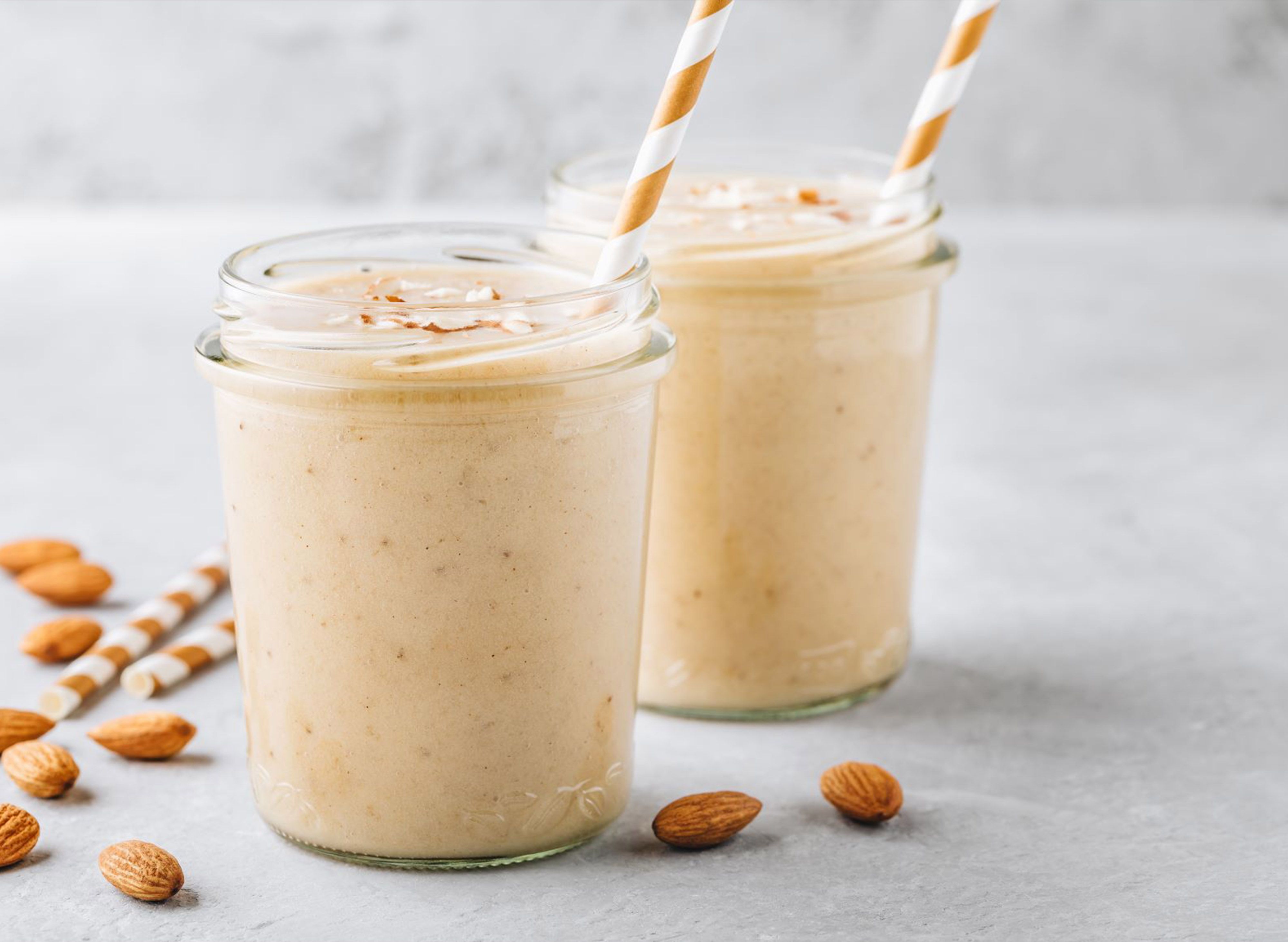
This rich version uses extra malai (cream) or butter blended into the curd. It’s dense, luxurious, and often served during festivals. The additional fat enhances texture, proving again that fermentation paired with richness forms the secret to creamy Pakistani lassi.
Modern Twists and Fusion Flavors
As culinary trends evolve, lassi has found a new place in fusion cuisine. Cafés and restaurants now experiment with flavors like chocolate, coffee, vanilla, and even matcha. These combinations attract younger generations who prefer creative tastes but still crave traditional comfort.
Yet, even in these modern styles, the base principle remains unchanged. Whether you’re making mango-chocolate lassi or mint-cardamom fusion, you can’t achieve that smooth consistency without understanding the secret to creamy Pakistani lassi — the fermentation that gives life and body to the drink.
Moreover, health-conscious people are now using honey instead of sugar, almond milk instead of dairy, and adding chia seeds for extra nutrition. These small adaptations bring a modern touch while keeping the original essence alive.
Serving the Perfect Lassi
Presentation adds charm to any traditional drink, and lassi is no exception. In Pakistani culture, serving lassi is an act of warmth and hospitality. Whether in rural homes or city cafés, a tall glass of cold lassi is a symbol of freshness and care.
For the best experience, always serve lassi chilled in clay cups or glass tumblers. The natural cooling effect of clay enhances the flavor and keeps the drink refreshing. You can top it with a dollop of malai, sprinkle crushed pistachios, or drizzle honey for a touch of sweetness. Some people also add a few drops of rose essence for aroma.
If you’re serving salted lassi, garnish it with mint leaves or roasted cumin seeds for an earthy finish. These details not only elevate presentation but also show respect for the drink’s heritage — a true reflection of the secret to creamy Pakistani lassi.
Regional Variations and Local Influence
Each region of Pakistan adds its own personality to lassi. The differences in climate, ingredients, and local traditions shape how people enjoy it.
In Punjab, lassi is thick, buttery, and often served with parathas in the morning. It’s a symbol of hospitality — no guest leaves without a glass. Sindh’s version is lighter, more watery, and often salted to beat the summer heat. In Khyber Pakhtunkhwa, yogurt is churned longer, giving it a sharp tang and frothy texture. And in Gilgit-Baltistan, lassi sometimes includes dried fruits or nuts, adding nutrition for colder climates.
These regional differences highlight the creativity of Pakistani cuisine, but all share the same foundation — fresh ingredients, natural fermentation, and care in preparation. This shared principle across provinces beautifully expresses the secret to creamy Pakistani lassi — unity through flavor and tradition.
Storage Tips and Shelf Life
Proper storage can preserve both flavor and creaminess. After preparing your lassi, always refrigerate it immediately. Homemade lassi can last up to two days when kept chilled. However, it’s best consumed fresh to enjoy its probiotic benefits fully.
Avoid storing it in open containers, as exposure to air may affect taste. Instead, use glass bottles with tight lids. If you notice separation or a sour smell, it’s a sign the drink has over-fermented. Remember, while fermentation creates that signature texture, too much of it can make the drink overly tangy. Balance is the key — and that’s another part of the secret to creamy Pakistani lassi.
The Science Behind Creaminess
Behind every delicious sip of lassi lies a blend of biology and tradition. The fermentation process naturally thickens milk as bacteria convert lactose into lactic acid. This transformation releases enzymes that create a dense, velvety texture — the core of the secret to creamy Pakistani lassi.
As these cultures multiply, they trap air bubbles, giving the drink its light, frothy body. When you churn this fermented curd, the proteins and fats emulsify, creating that perfect creamy finish. The balance between time, temperature, and culture strength decides how smooth your lassi turns out. Even small changes — like a few extra hours of rest or slightly warmer conditions — can alter the final consistency.
This natural chemistry is why traditional lassi tastes richer than mass-produced versions. Industrial products may use stabilizers or thickeners, but authentic Pakistani fermentation relies purely on patience and natural balance.
Why Traditional Methods Still Matter
In a world where instant recipes dominate, traditional techniques remind us of slow, mindful preparation. Hand-churning curd, using clay pots, and fermenting in natural warmth might seem old-fashioned, but they preserve the soul of the drink. These steps connect generations through taste and memory.
Clay pots, for example, allow gentle air exchange during fermentation, preventing excess sourness while maintaining coolness. Wooden churners (madani) produce smoother textures without overheating the mixture. Every detail contributes to the secret to creamy Pakistani lassi, proving that authenticity and patience always lead to better flavor.
Modern tools can speed up blending, but they can’t replicate the depth of flavor that comes from slow fermentation. When we honor these old methods, we not only make better lassi but also preserve a cultural legacy.
Final Thoughts Before We Close
The journey to discovering the secret to creamy Pakistani lassi isn’t just about making a drink — it’s about appreciating art, science, and tradition together. From milk fermentation to serving in clay cups, every step carries a story of warmth, patience, and love. When done right, the result is more than a refreshing beverage; it’s a symbol of Pakistan’s rich culinary heritage.
So the next time you sip your homemade lassi, remember: its creaminess isn’t an accident. It’s the outcome of generations mastering the perfect balance between nature and nourishment.
Top 10 FAQs About The Secret to Creamy Pakistani Lassi
1. What is the main secret to creamy Pakistani lassi?
The main secret is natural fermentation — allowing milk and curd cultures to thicken slowly at a warm temperature.
2. How long should milk ferment for the best texture?
Usually, 6 to 8 hours in a warm spot is ideal. However, in cooler weather, it might take up to 10 hours.
3. Can I make lassi without fermenting curd?
You can, but it won’t have the same creamy texture or tangy taste. Fermentation is key to authenticity.
4. Which milk is best for creamy lassi?
Full-fat fresh milk gives the richest, smoothest result. Low-fat milk makes the drink thinner.
5. How do I fix lassi if it becomes too sour?
Add more fresh yogurt or a small amount of milk to balance the taste. Serve chilled to reduce sourness.
6. Can I ferment lassi using store-bought yogurt?
Yes, as long as it has live cultures. Avoid flavored or sweetened yogurt.
7. What’s the difference between sweet and salted lassi in texture?
Both can be creamy, but sweet lassi tends to be thicker, while salted lassi is lighter and frothier.
8. Why is my lassi watery instead of creamy?
You might have added too much water or over-blended the mixture. Use chilled curd and blend briefly.
9. Can I store fermented lassi for more than two days?
It’s best to consume it within 48 hours for freshness and probiotic benefits.
10. What is the traditional way to serve lassi in Pakistan?
Traditionally, it’s served cold in clay cups topped with malai or crushed nuts — the perfect way to enjoy the secret to creamy Pakistani lassi.
Conclusion
The secret to creamy Pakistani lassi lies not in fancy ingredients but in time-honored techniques. From gentle fermentation to balanced blending, every step adds richness and depth to this beloved drink. This traditional method doesn’t just create a beverage; it preserves a piece of Pakistani culture that celebrates patience, purity, and pride.
Whether enjoyed sweet, salted, or flavored, lassi reminds us that perfection comes from simplicity. When we respect the fermentation process and use fresh, wholesome ingredients, we capture the true essence of what makes Pakistani lassi creamy, refreshing, and unforgettable.
Want to read more Famous Food about click here
Big Shoutout to the guys who made this blog happen UDM.