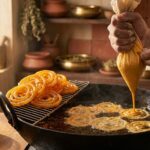
Specialty cookware: Elevate Your Culinary Creations
In the diverse world of culinary arts, having the right tools is paramount. While general-purpose pots and pans serve many needs, true connoisseurs and passionate home cooks often seek out specialty cookware. This refers to utensils and vessels specifically designed for particular cooking methods, ingredients, or cuisines. Consequently, investing in these specialized items can significantly enhance your cooking experience and the quality of your dishes. Understanding the nuances of different specialty pieces empowers you to achieve professional-level results in your own kitchen.
What is Specialty Cookware?
Specialty cookware encompasses a broad category of kitchen tools crafted for specific culinary tasks that standard pots and pans might not execute as effectively. For example, a regular frying pan can sear, but a dedicated griddle pan often provides superior heat distribution for pancakes or grilled sandwiches. Similarly, while you can attempt to stir-fry in a deep skillet, a wok’s unique shape and material are engineered for the high-heat, rapid tossing technique essential to authentic Asian cuisine. Therefore, these items are not merely luxury additions; they are often crucial for achieving specific textures, flavors, and cooking efficiencies. They address the precise requirements of certain recipes, ensuring optimal heat transfer, moisture retention, or surface area, thereby allowing ingredients to cook exactly as intended. Ultimately, specialty cookware helps cooks master techniques and expand their culinary repertoire with greater precision.
The Benefits of Investing in Specialty Cookware
Opting for specialty cookware offers several distinct advantages that can transform your cooking and dining experiences.
Enhanced Performance and Results
Perhaps the most significant benefit is the remarkable improvement in cooking performance. Each piece of specialty cookware is meticulously designed to excel at its intended function. For instance, a double boiler gently melts delicate ingredients like chocolate without scorching, a task difficult to achieve consistently in a single pot. Furthermore, a paella pan provides the wide, shallow surface area needed for even rice cooking and the development of the coveted socarrat. This precision leads to superior results, ensuring your dishes are cooked perfectly every time. Consequently, flavors are more pronounced, textures are ideal, and the overall quality of your meals dramatically increases.
Durability and Longevity
Many specialty cookware items are constructed from high-quality materials, built to withstand the rigorous demands of their specific uses. For example, a cast iron Dutch oven, designed for slow cooking and braising, is incredibly robust and, with proper care, can last for generations. Similarly, carbon steel woks, when seasoned correctly, develop a natural non-stick surface that improves with age. This focus on durability means that while the initial investment might be higher, these pieces often offer excellent long-term value, reducing the need for frequent replacements.
Culinary Exploration
Specialty cookware opens doors to new culinary adventures. Possessing a tagine, for instance, encourages you to explore Moroccan and North African dishes, while a sushi rolling mat makes preparing homemade sushi more accessible. These tools can inspire you to experiment with diverse global cuisines and techniques that you might otherwise avoid. Consequently, they broaden your cooking skills and introduce you to exciting new flavors and cultural traditions. This exploration keeps cooking fresh and exciting, fostering continuous learning and creativity in the kitchen.
Essential Types of Specialty Cookware
Let’s delve into some common and highly beneficial types of specialty cookware that can elevate your cooking.
Woks for Stir-Frying
Woks are indispensable for Asian cuisine, particularly stir-frying. Their distinctive sloped sides and round bottom concentrate heat at the base while allowing ingredients to be easily tossed and moved up the sides to cool slightly. Made typically from carbon steel or cast iron, woks facilitate rapid, high-heat cooking, ensuring vegetables remain crisp and meats are perfectly seared. Moreover, they are also versatile for deep-frying, steaming, and even smoking foods.
Dutch Ovens for Braising and Stewing
Often made from enameled cast iron, Dutch ovens are heavy, thick-walled pots with tight-fitting lids. They excel at slow cooking, braising, stewing, and baking bread. Their excellent heat retention and even heat distribution create a consistent cooking environment, perfect for tenderizing tough cuts of meat and developing rich, complex flavors in soups and stews. Furthermore, their oven-safe design makes them highly versatile for stovetop-to-oven recipes.
Tagines for North African Cuisine
A tagine is a unique piece of specialty cookware consisting of a shallow, circular base and a tall, conical lid. Originating from North Africa, particularly Morocco, it is designed to slow-cook stews and casseroles. The conical lid traps steam, which then condenses and drips back down into the dish, keeping the food incredibly moist and tender. This self-basting mechanism infuses ingredients with aromatic spices, creating flavorful and succulent meals.
Paella Pans for Authentic Spanish Dishes
For anyone passionate about Spanish cuisine, a paella pan is a must-have. These wide, shallow, round pans, often made from carbon steel, are specifically designed to cook paella evenly. Their large surface area allows rice to spread out in a single layer, promoting even cooking and the development of the prized socarrat – the crispy, caramelized crust at the bottom. Therefore, achieving an authentic paella texture is significantly easier with this specialized pan.
Crepe Pans for Delicate Desserts
Crepe pans are characterized by their flat bottoms and very low sides, making it easy to spread thin batters and flip delicate crepes or pancakes. Typically made from non-stick materials or well-seasoned cast iron, they ensure even heat distribution and prevent sticking, which is crucial for achieving perfectly golden-brown, paper-thin crepes. Consequently, they simplify the process of making these elegant desserts or savory dishes.
Griddle Pans for Perfect Searing
Griddle pans, often square or rectangular, feature a flat, smooth surface for cooking items like pancakes, eggs, bacon, and grilled sandwiches. Some variations include raised ridges for creating attractive grill marks on steaks, chicken, or vegetables, mimicking outdoor grilling. They provide consistent, even heat across a large area, making them ideal for cooking multiple items simultaneously. This makes them a highly efficient piece of specialty cookware for breakfast or quick weeknight meals.
Double Boilers for Gentle Heating
A double boiler comprises two nested pots; the bottom pot holds simmering water, while the top pot, which fits snugly above, holds the ingredients. This setup provides gentle, indirect heat, preventing delicate foods like chocolate, custards, or sauces from scorching or curdling. It is an essential tool for precise temperature control, ensuring smooth, perfectly melted or cooked results without direct exposure to high heat.
Asparagus Steamers for Precision
An asparagus steamer is a tall, narrow pot with a basket insert, specifically designed to steam asparagus upright. This method allows the delicate tips to steam gently while the tougher stalks cook thoroughly in the simmering water below. It ensures perfectly cooked asparagus with vibrant color and ideal texture, preventing overcooking or sogginess. Ultimately, this piece of specialty cookware offers a simple yet effective way to prepare a specific vegetable with optimal results.
Choosing the Right Specialty Cookware for Your Kitchen
Selecting the appropriate specialty cookware requires thoughtful consideration of your culinary habits and kitchen environment.
Consider Your Cooking Style
Before purchasing, evaluate your primary cooking interests. Do you frequently prepare Asian stir-fries? A wok would be a wise investment. Are you passionate about baking artisanal bread or slow-cooked stews? A Dutch oven might be more suitable. Therefore, aligning your choices with your actual cooking needs will ensure that your specialty cookware is frequently used and truly beneficial. It’s important to invest in pieces that genuinely enhance your culinary journey rather than collecting dust.
Material Matters
The material of specialty cookware significantly impacts its performance and care requirements. Carbon steel and cast iron offer excellent heat retention and durability but require seasoning and specific cleaning routines. Stainless steel is low-maintenance and non-reactive, while copper provides superior heat conductivity but can be expensive and requires polishing. Non-stick coatings offer convenience but may have a shorter lifespan. Consequently, understanding these material properties helps you make an informed decision.
Size and Storage
Specialty cookware can sometimes be bulky or have unique shapes. Consider your kitchen storage capacity before buying. A large paella pan, for instance, requires ample space. Furthermore, assess the size appropriate for your household. A smaller tagine might suffice for two people, while a larger one is necessary for family meals. Practical considerations like these ensure your new tools fit seamlessly into your kitchen.
Budget Considerations
Prices for specialty cookware vary widely based on brand, material, and craftsmanship. While high-quality pieces often come with a higher price tag, they frequently offer better performance and longevity. However, there are also excellent mid-range options available. Therefore, set a realistic budget and research brands known for their value and durability. Ultimately, a balanced approach ensures you get the best tools without overspending.
Maintaining Your Specialty Cookware
Proper care is essential to ensure your specialty cookware lasts for years and performs optimally.
Cleaning and Care Tips
Always follow the manufacturer’s specific cleaning instructions for each piece. For cast iron and carbon steel, this often involves hand washing, avoiding harsh detergents, and re-seasoning. Non-stick surfaces require gentle cleaning with soft sponges to prevent scratching. Furthermore, avoid sudden temperature changes, which can warp certain materials. Regular cleaning and appropriate care extend the lifespan and maintain the efficiency of your investment.
Proper Storage
Store specialty cookware in a way that prevents damage. For example, stack cast iron carefully to avoid chipping enamel, and use pan protectors between stacked items. Hang woks or large griddle pans if space allows. Ensuring proper storage protects your investment from scratches and dings, thus preserving its condition and functionality for future use. Ultimately, thoughtful storage contributes significantly to the longevity of these valuable kitchen tools.
Want to read more Famous Food about click here
Big Shoutout to the guys who made this blog happen UDM.