Authentic spicy street-food recipes: A Global Culinary Journey
Street food is more than just a quick bite; it is a vibrant culinary tapestry woven into the fabric of cultures worldwide. It offers a direct, unpretentious window into a region’s heart and soul, often characterized by bold flavors, fresh ingredients, and, for many, a delightful kick of spice. Indeed, the quest for authentic spicy street-food recipes has become a global phenomenon, drawing food enthusiasts to bustling markets and roadside stalls in search of unforgettable gastronomic experiences.
The Irresistible Allure of Authentic Spicy Street Food
There is an undeniable magic to street food. Its accessibility, affordability, and sheer variety make it a cornerstone of daily life and travel. When spice enters the equation, the experience elevates, transforming a simple dish into an exhilarating adventure for the palate. Furthermore, spicy street food often carries a rich history, reflecting centuries of culinary evolution and the creative use of local produce and spices.
A Taste of Culture and Tradition
Each region boasts its unique approach to spice, from the fiery bird’s eye chilies of Southeast Asia to the earthy harissa of North Africa. Therefore, exploring authentic spicy street-food recipes is a journey through diverse culinary traditions. It is about understanding the balance of flavors—sweet, sour, salty, umami—that complement and enhance the heat, rather than simply overwhelming it. Moreover, these dishes are often prepared with generations-old techniques, ensuring a genuine taste that cannot be replicated in a sterile, commercial kitchen.
A World of Flavor: Regional Authentic Spicy Street-Food Recipes
The diversity of spicy street food is truly astonishing. Consequently, a comprehensive look at authentic spicy street-food recipes requires a global perspective, highlighting dishes that have captivated locals and tourists alike.
Southeast Asian Sensations
Southeast Asia is arguably a mecca for spicy street food. In Thailand, dishes like Som Tum* (Green Papaya Salad) burst with a fresh, spicy, and tangy profile, thanks to chilies, lime, and fish sauce. Similarly, Vietnam offers *Bún Bò Huế*, a spicy beef noodle soup known for its complex broth and chili oil. Malaysia and Indonesia present *Laksa*, a rich, spicy coconut curry noodle soup, and *Nasi Goreng* often served with a generous dollop of fiery *sambal. These recipes are celebrated for their intricate layers of flavor.
South Asian Spice Power
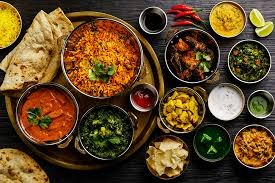
India, a land synonymous with spices, provides an endless array of piquant street treats. Vada Pav*, a spicy potato fritter in a bun, is a Mumbai staple. *Pani Puri* offers a delightful explosion of spicy, tangy water within a crispy shell. Furthermore, the regional variations of *chaat*—savory snacks—are countless, each promising a unique spicy kick. Pakistan’s *Nihari, a slow-cooked spicy stew, is another testament to the region’s mastery of heat and flavor.
Latin American Heat
Latin America delivers spice with passion. Mexican street food, for instance, is world-renowned for its vibrant salsas and chili-infused dishes. Tacos al Pastor* are often served with a spicy pineapple salsa, while *Esquites* (corn salad) are generously seasoned with chili powder and lime. In Peru, *Ceviche gains its zing not only from citrus but also from Aji peppers, offering a refreshing yet spicy experience. These dishes showcase a blend of indigenous and colonial influences.
African Aromas
African street food, though perhaps less globally recognized for its spice than other regions, offers equally compelling authentic spicy street-food recipes. Ethiopia’s Doro Wat*, a national dish, is a fiery chicken stew rich with *berbere* spice mix. In Morocco, *Harira* soup, often found at street stalls during Ramadan, can be spiced with *harissa*, a potent chili paste. West African dishes frequently feature Scotch bonnets, bringing intense heat to staples like *Suya (spicy grilled meat skewers) from Nigeria.
Mastering the Heat: Key Ingredients and Techniques
To truly appreciate and recreate authentic spicy street-food recipes, understanding the core components that deliver the heat and depth of flavor is crucial. Consequently, the choice of ingredients and the methods of preparation are paramount.
The Chili Spectrum
Chilies are the undisputed stars of spicy cuisine. From the mild Ancho and Poblano chilies used in Mexican cooking to the scorching Scotch Bonnets and Bird’s Eye chilies found in African and Asian dishes, each variety contributes a distinct flavor profile alongside its heat. Therefore, selecting the correct chili is vital for achieving authenticity. Fresh chilies, dried chilies, and chili powders all have their specific applications and impact on the final dish.
Essential Spices and Aromatics
Beyond chilies, a pantry of spices and aromatics forms the backbone of these recipes. Cumin, coriander, turmeric, ginger, garlic, and onions are ubiquitous in many street food traditions. These ingredients are often toasted, ground, or sautéed to release their full aromatic potential before being combined with chilies. Indeed, the expert blending of these elements creates the complex, layered flavors that define truly authentic dishes.
Cooking Methods for Authenticity
Street food often relies on specific cooking methods that contribute to its unique character. Grilling, deep-frying, stir-frying, and slow-cooking are common techniques. For instance, the smoky char from a charcoal grill enhances the flavor of Suya*, while the rapid heat of a wok is essential for perfectly cooked *Pad Thai. Moreover, the use of fresh, often locally sourced ingredients is a hallmark of street food, ensuring vibrant flavors and textures.
Recreating Authentic Spicy Street-Food Recipes at Home
Bringing the bustling flavors of the street into your own kitchen is a rewarding endeavor. With a little effort and the right approach, you can successfully prepare authentic spicy street-food recipes that rival those found at the source.
Sourcing Ingredients
The first step is to source authentic ingredients. While some specialty items may require a trip to an Asian or international grocery store, many common spices and chilies are readily available. Do not compromise on fresh produce; it makes a significant difference. Furthermore, consider making your own spice blends or chili pastes, as this often yields a more vibrant and customized flavor than store-bought alternatives.
Balancing Flavors and Heat
Authenticity is not just about heat; it is about balance. When cooking spicy dishes, it is important to taste as you go and adjust seasonings. The goal is to achieve a harmonious blend where the spice enhances, rather than overpowers, the other ingredients. This might mean starting with less chili and adding more gradually, or incorporating cooling elements like yogurt, lime, or fresh herbs to round out the intensity.
Safety and Enjoyment
While recreating street food at home gives you control over hygiene, remember that part of the street food experience is the environment. For safe enjoyment of actual street food when traveling, choose vendors with high traffic, visible cooking areas, and fresh ingredients. At home, focus on quality ingredients and proper cooking techniques to ensure your culinary adventure is both delicious and safe. Enjoy the process of bringing these exciting flavors to life!
Authentic spicy street-food recipes: A Global Journey takes you deep into the vibrant world of bold flavors, sizzling aromas, and cultural traditions that define street cuisine across continents. From the fiery heat of South Asian chaat to the smoky kick of Latin American tacos and the tangy spice blends of Middle Eastern snacks, each dish tells a unique story of its origins. This journey highlights the raw, unfiltered essence of local food culture—where simplicity meets creativity and spices bring dishes to life. Exploring these recipes allows you to experience global authenticity right in your kitchen, turning every meal into an adventure packed with heat and heritage.
Conclusion
Exploring authentic spicy street-food recipes is a journey of cultural immersion and culinary discovery. From the bustling markets of Southeast Asia to the vibrant stalls of Latin America, these dishes offer an unparalleled blend of tradition, flavor, and invigorating heat. By understanding the regional nuances, key ingredients, and traditional cooking methods, enthusiasts can not only savor these global delights but also successfully recreate their magic in their own kitchens. Embrace the spice and embark on your own delicious street food adventure.
Frequently Asked Questions (FAQ)
Q1: What makes street food authentic?
Authenticity in street food often stems from its adherence to traditional recipes, the use of locally sourced ingredients, and preparation techniques passed down through generations. It reflects the culinary heritage and local palate of a specific region, offering a genuine taste of its culture.
Q2: How can I adjust the spice level in authentic spicy street-food recipes at home?
To adjust spice levels, start by using less chili than a recipe calls for and add more gradually, tasting as you go. You can also choose milder chili varieties or remove the seeds and membranes from fresh chilies, as these contain most of the capsaicin (the compound responsible for heat). Incorporating dairy like yogurt or coconut milk can also help temper the heat.
Q3: What are some common ingredients that provide the “spicy” element in street food?
The primary ingredient for spice is chilies, which come in countless varieties, from mild to extremely hot. Other ingredients like ginger, garlic, black pepper, and certain spice blends (e.g., berbere* from Ethiopia, *harissa from North Africa) also contribute significant heat and complex flavors to authentic spicy street-food recipes.
Want to read more Famous Food about click here
Big Shoutout to the guys who made this blog happen UDM.