
Traditional food recipes: A Culinary Journey Through Time
Food is much more than mere sustenance; it is a profound expression of culture, history, and identity. Indeed, traditional food recipe offer a unique window into the past, connecting us to generations that came before. These time-honored dishes, passed down through families and communities, embody the essence of regional ingredients, ancient cooking techniques, and deeply rooted customs. Consequently, savoring traditional foods allows us to experience the authentic flavors that have shaped civilizations.Traditional food recipe
Why Preserve Traditional Food Recipes?
The importance of safeguarding traditional food recipes extends far beyond the plate. Moreover, these culinary treasures play a crucial role in maintaining cultural diversity and promoting sustainable food practices. Therefore, understanding why we must preserve them is paramount.
Cultural Heritage
Each traditional dish tells a story, reflecting the historical migrations, agricultural practices, and social structures of its origin. For instance, a simple Italian pasta dish might reveal centuries of wheat cultivation and the evolution of sauce-making. Similarly, the preparation of a Mexican mole sauce, with its complex array of ingredients, speaks volumes about indigenous culinary traditions and colonial influences. Thus, preserving these recipes means preserving a vital part of our shared human heritage. Furthermore, it helps younger generations connect with their roots and understand the rich tapestry of global cultures.
Authentic Flavors
In an age of mass production and globalized cuisine, authentic flavors are increasingly rare. However, traditional food recipes often rely on fresh, local ingredients and time-tested methods that yield unparalleled taste. Consider, for example, the slow-cooked stews of North Africa or the intricate spice blends of Indian curries. These dishes offer a depth of flavor that industrial processes simply cannot replicate. Therefore, seeking out and preparing these recipes provides a truly unique and rewarding gastronomic experience. Additionally, it encourages an appreciation for natural ingredients and their inherent qualities.Traditional food recipe
Sustainable Practices
Many traditional food recipes inherently promote sustainable eating. Typically, they utilize seasonal, locally sourced ingredients, minimizing the environmental impact associated with long-distance transport and industrial farming. Moreover, these recipes often emphasize nose-to-tail eating and zero-waste cooking, ensuring that no part of an ingredient goes to waste. Consequently, embracing traditional culinary practices can contribute significantly to a more sustainable food system. It also fosters a deeper respect for the resources our planet provides.
Exploring Global Traditional Food Recipes
Across continents, traditional food recipes showcase an incredible diversity of ingredients and techniques. Let us embark on a brief culinary tour to appreciate this global tapestry of flavors.Traditional food recipe
Italian Classics: Pasta and Beyond
Italy’s culinary landscape is renowned for its regional specialties. For example, in the north, rich risottos and creamy polenta are staples, while the south boasts vibrant tomato-based sauces and fresh seafood. Pasta, of course, is a universal symbol of Italian cuisine, with countless shapes and preparations, each tied to a specific region. From lasagne al forno* to *cacio e pepe, these dishes exemplify the simplicity and quality of Italian ingredients. Ultimately, they reflect a deep love for food and family.
Asian Staples: Rice, Noodles, and Spices
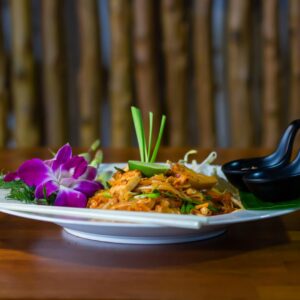
Asia offers a vast array of traditional food recipes, characterized by their diverse use of rice, noodles, and aromatic spices. In Japan, sushi* and *ramen represent centuries of culinary refinement. Conversely, Chinese cuisine features regional variations like Cantonese dim sum or Sichuan’s spicy stir-fries. India, on the other hand, is famous for its complex curries, fragrant biryanis, and an extensive vegetarian tradition. These cuisines often balance sweet, sour, salty, bitter, and umami flavors, creating harmonious and memorable meals.Traditional food recipe
Latin American Delights: Corn and Beans
Corn and beans form the bedrock of many traditional food recipes in Latin America. Mexico’s tacos* and *tamales*, for instance, demonstrate the versatility of corn. Similarly, Brazil’s *feijoada*, a hearty black bean stew, is a national treasure. Peru’s *ceviche, featuring fresh seafood marinated in citrus, reflects its rich coastal heritage. These dishes are often vibrant, flavorful, and deeply communal, perfect for sharing among family and friends.
African Riches: Grains and Stews
African traditional food recipes are incredibly diverse, often featuring staple grains like millet, sorghum, and teff, alongside a variety of vegetables, legumes, and meats. West African jollof rice* is a celebrated one-pot dish, while Ethiopian *injera* (a sourdough flatbread) serves as both a utensil and a staple. Southern African *pap and vleis (porridge and meat) is another beloved combination. These foods are typically hearty, nourishing, and designed to feed large gatherings.
Middle Eastern Treasures: Herbs and Legumes
Middle Eastern cuisine is celebrated for its aromatic herbs, spices, and abundant use of legumes. Dishes like hummus*, *falafel*, and *kebabs* are globally recognized. However, the region also boasts complex stews (*tagines*), savory pastries (*manakish*), and fragrant rice dishes (*biryani). These traditional food recipes often emphasize fresh ingredients, communal dining, and the art of slow cooking. Indeed, they create deeply satisfying culinary experiences.Traditional food recipeTraditional food recipe
The Art of Preparing Traditional Food Recipes
Recreating traditional food recipes requires more than just following instructions; it demands an understanding of the ingredients, techniques, and spirit of the cuisine. Consequently, the preparation itself becomes an act of cultural appreciation.
Sourcing Authentic Ingredients
Authenticity often begins with the ingredients. Whenever possible, seek out local markets, specialty stores, or even international grocery stores that stock the specific items required. For example, using genuine Italian San Marzano tomatoes for a pasta sauce or specific chili peppers for a Mexican mole can make a significant difference. Furthermore, understanding the substitutes when authentic ingredients are unavailable is also part of the art. This dedication to sourcing truly elevates the final dish.Traditional food recipe
Mastering Traditional Techniques
Many traditional food recipes rely on specific cooking methods that have been refined over centuries. This might involve slow braising, grinding spices by hand, or fermenting ingredients. Learning these techniques not only enhances the flavor and texture of the dish but also connects you to the culinary heritage. For instance, mastering the art of making fresh pasta or rolling perfect sushi requires patience and practice. However, the rewards are truly immense.
Adapting for Modern Kitchens
While authenticity is key, it is also practical to adapt traditional food recipes for modern kitchens and lifestyles. This could mean using a food processor instead of a mortar and pestle for certain tasks, or adjusting cooking times for contemporary appliances. The goal is to retain the essence of the dish while making it accessible. Nevertheless, it is crucial to understand the original intent and techniques before making significant modifications. This way, the spirit of the tradition remains intact.
Health Benefits of Traditional Food Recipes
Beyond their cultural and gastronomic appeal, many traditional food recipes offer significant health benefits. Therefore, incorporating them into a modern diet can be a wise choice for well-being.
Whole and Unprocessed Ingredients
Traditional cuisines often prioritize whole, unprocessed ingredients: fresh vegetables, fruits, lean meats, whole grains, and healthy fats. These ingredients are naturally rich in vitamins, minerals, and fiber. In contrast, modern diets often feature highly processed foods, which lack essential nutrients. Consequently, choosing traditional dishes can lead to a more nutrient-dense diet. This, in turn, supports overall health and vitality.Traditional food recipe
Balanced Nutrition
Many traditional food recipes are inherently balanced, providing a good mix of carbohydrates, proteins, and fats. For example, a Mediterranean meal often combines whole grains, legumes, vegetables, and olive oil with moderate amounts of fish or poultry. Similarly, Asian cuisines frequently balance rice or noodles with protein-rich ingredients and a variety of vegetables. This natural balance can contribute to better digestion, stable energy levels, and long-term health. Ultimately, it promotes a holistic approach to eating.
Passing Down Traditional Food Recipes
The survival of traditional food recipes depends on their continued practice and transmission. Therefore, actively engaging in passing them down is a vital endeavor for cultural preservation.
Family Traditions
Family kitchens are often the first and most important classrooms for traditional food recipes. Cooking with elders, learning family secrets, and sharing meals are powerful ways to keep these traditions alive. Encouraging children to participate in food preparation fosters an early appreciation for their heritage. Moreover, it creates lasting memories and strengthens family bonds. This intergenerational transfer of knowledge is truly invaluable.
Community Cookbooks
Documenting traditional food recipes in community cookbooks is another effective method of preservation. These collections often feature cherished family recipes, along with stories and historical context. They serve as valuable resources for future generations and help to maintain the culinary identity of a region or cultural group. Furthermore, they provide a tangible link to the past, allowing anyone to recreate these authentic dishes.
Culinary Workshops
For those without a direct family link, culinary workshops and cooking classes offer an excellent opportunity to learn traditional food recipes. These workshops often teach specific techniques and the cultural significance behind the dishes. Consequently, they help to broaden the reach of traditional cuisine and ensure its continued relevance. Additionally, they provide a fun and interactive way to engage with diverse culinary traditions.Traditional food recipe
Conclusion
Ultimately, traditional food recipe represent more than just meals; they are living artifacts of human history, culture, and ingenuity. From the bustling markets of Marrakech to the quiet kitchens of rural Italy, these dishes connect us to our past, offer authentic flavors, and often promote sustainable, healthy eating. By understanding, preparing, and passing down these culinary traditions, we not only savor delicious food but also preserve a vital part of our global heritage for future generations. Therefore, let us continue to explore and cherish the rich tapestry of traditional cuisines worldwide.Traditional food recipe
Frequently Asked Questions (FAQ)
Q1: What defines a “traditional food recipe”?
A traditional food recipe is typically a dish that has been passed down through generations within a specific culture, region, or family. It often uses locally available, seasonal ingredients and employs time-honored cooking techniques that reflect the culinary heritage and history of its origin. These recipes are deeply intertwined with cultural identity and often carry significant historical or social meaning.Traditional food recipe
Q2: Why is it important to preserve traditional food recipes?
Preserving traditional food recipes is crucial for several reasons. Firstly, it safeguards cultural heritage and identity, offering a tangible link to the past. Secondly, these recipes often highlight authentic flavors and unique ingredients that might otherwise be lost. Thirdly, many traditional practices promote sustainable eating, utilizing local produce and minimizing waste. Ultimately, they enrich our understanding of diverse food systems and human ingenuity.
Q3: How can I start exploring traditional food recipes at home?
To begin exploring traditional food recipes, start by researching cuisines that interest you. Look for authentic cookbooks, reputable food blogs, or even family recipes. Prioritize sourcing fresh, high-quality ingredients, ideally from local markets. Don’t be afraid to experiment with traditional techniques, and consider attending a cooking class or workshop for hands-on learning. Most importantly, enjoy the process and the delicious results!
Want to read more Famous Food about click here
Big Shoutout to the guys who made this blog happen UDM.
- https://famousfoodblog.com/food-blog-your-ultimate-guide-to-starting-growing/
- https://famousfoodblog.com/international-cuisine-recipes-a-global-culinary-journey/
- https://famousfoodblog.com/chicken-soup-recipe-the-ultimate-comfort-food-guide/
- https://famousfoodblog.com/tea-recipes-for-health-boost-your-well-being-naturally/













[…] […]