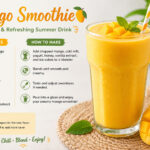
Smoothies: Your Ultimate Guide to Healthy Blends
Smoothies have transcended their humble origins as simple blended drinks, evolving into a cornerstone of modern healthy eating. They offer a convenient, versatile, and delicious way to pack essential nutrients into your daily diet. Whether you are seeking a quick breakfast, a post-workout recovery drink, or a refreshing snack, smoothies provide an excellent solution. This comprehensive guide will delve into everything you need to know about crafting the perfect smoothie, from understanding their myriad benefits to mastering the art of ingredient selection and blending techniques.
The Enduring Appeal of Smoothies
Smoothies are more than just a passing health trend; they represent a fundamental shift in how many people approach nutrition. Their popularity stems from several key factors. First, they are incredibly convenient. In our fast-paced world, a balanced meal can often feel out of reach. However, a smoothie can be prepared in minutes, offering a nutrient-dense option on the go. Furthermore, their versatility is unmatched. You can customize a smoothie to almost any taste preference or dietary requirement. Consequently, they appeal to a broad audience, from busy professionals to fitness enthusiasts and families.
Moreover, smoothies offer a fantastic way to increase your intake of fruits and vegetables, which are often lacking in typical diets. Many individuals struggle to consume the recommended daily servings of produce. Therefore, blending these ingredients into a delicious drink simplifies the process considerably. This ease of consumption makes smoothies an invaluable tool for enhancing overall wellness.
The Health Benefits of Incorporating Smoothies into Your Diet
Integrating smoothies into your daily routine can yield numerous health advantages. They are not merely tasty; indeed, they are powerful vehicles for delivering vital nutrients to your body.
Nutrient Powerhouses
Properly prepared smoothies are nutrient powerhouses. They can be loaded with vitamins, minerals, antioxidants, and fiber from various fruits, vegetables, and other healthy additions. For example, a green smoothie might provide a significant portion of your daily vitamin K, vitamin C, and folate requirements. Consequently, consuming a regular smoothie can help bridge nutritional gaps in your diet.
Digestive Health
The high fiber content in many smoothie ingredients, particularly whole fruits and vegetables, is excellent for digestive health. Fiber aids in regulating bowel movements, preventing constipation, and supporting a healthy gut microbiome. Moreover, it contributes to satiety, helping you feel fuller for longer. Therefore, incorporating fiber-rich smoothies can significantly improve your digestive system’s function.
Weight Management
Smoothies can be an effective tool for weight management when made with the right ingredients. High-fiber and high-protein smoothies promote satiety, reducing the likelihood of overeating later in the day. Replacing high-calorie, less nutritious meals or snacks with a well-balanced smoothie can help create a caloric deficit, which is essential for weight loss. However, it is crucial to be mindful of portion sizes and caloric density.
Energy Boost
Many people experience a mid-afternoon energy slump. Smoothies, especially those containing complex carbohydrates from fruits and certain vegetables, can provide a sustained energy boost without the jitters associated with caffeine. The natural sugars offer quick energy, while fiber helps to regulate blood sugar levels, preventing sudden crashes. Thus, a smoothie can be a much healthier alternative to sugary drinks or processed snacks.
Crafting the Perfect Smoothie: Essential Ingredients
Creating a delicious and nutritious smoothie requires understanding the role of each ingredient category. Balancing flavors, textures, and nutritional profiles is key to success. Initially, start with a base, then build from there.
Liquid Bases
The liquid base dictates the smoothie’s consistency and can add its own nutritional value. Common choices include:
- Water: Simple, calorie-free, and allows other flavors to shine.
- Dairy Milk: Adds creaminess, protein, and calcium. Choose skim, 2%, or whole based on preference.
- Plant-Based Milks: Almond, soy, oat, coconut, or cashew milk offer dairy-free alternatives. Be mindful of added sugars.
- Coconut Water: Hydrating and provides electrolytes, with a slightly sweet, tropical flavor.
- Juice: While tasty, use sparingly as it adds significant sugar without the fiber of whole fruit.
Fruits and Vegetables
These are the stars of most smoothies, providing vitamins, minerals, and fiber. Furthermore, they contribute significantly to flavor and texture.
- Berries (strawberries, blueberries, raspberries): High in antioxidants and fiber, relatively low in sugar.
- Bananas: Add natural sweetness, creaminess, and potassium. Frozen bananas create a thicker texture.
- Mango, Pineapple, Peaches: Tropical fruits that add sweetness and vibrant flavor.
- Spinach, Kale: Leafy greens are nearly tasteless when blended with fruit but add a powerful nutritional punch.
- Cucumber, Celery: Add hydration and a subtle, refreshing flavor.
Protein Sources
Adding protein helps with satiety, muscle repair, and sustained energy. Therefore, it is a crucial component for a balanced smoothie.
- Protein Powder: Whey, casein, pea, rice, or hemp protein powders are convenient and effective.
- Greek Yogurt: Adds creaminess, probiotics, and a good amount of protein.
- Nut Butters (peanut, almond, cashew): Provide protein, healthy fats, and a rich flavor.
- Chia Seeds, Hemp Seeds, Flax Seeds: Offer plant-based protein, fiber, and omega-3 fatty acids.
Healthy Fats
Healthy fats are essential for nutrient absorption, brain health, and keeping you full. Consequently, do not shy away from including them.
- Avocado: Adds incredible creaminess and healthy monounsaturated fats. Its flavor is very mild.
- Nut Butters: (as mentioned above) serve a dual purpose.
- Chia Seeds, Flax Seeds, Hemp Seeds: (as mentioned above) also provide healthy fats.
- Coconut Oil: A source of medium-chain triglycerides (MCTs).
Boosters and Superfoods
These ingredients can elevate the nutritional profile of your smoothie even further.
- Spirulina/Chlorella: Nutrient-dense algae with detoxifying properties.
- Maca Powder: Known for energy and hormone balance.
- Cacao Powder/Nibs: Antioxidant-rich chocolate flavor.
- Ginger/Turmeric: Anti-inflammatory properties and distinct flavors.
- Oats: Add fiber and thickness, making the smoothie more filling.
Smoothie Recipes for Every Goal
Experimentation is part of the fun, but here are some popular smoothies archetypes to get you started.
Green Smoothies for Detox and Vitality
These are ideal for boosting nutrient intake and supporting detoxification. Generally, they prioritize vegetables.
- Simple Green: 1 cup spinach, 1/2 banana (frozen), 1/2 green apple, 1/2 cup water or almond milk, juice of 1/2 lemon.
- Tropical Green: 1 cup kale, 1/2 cup pineapple (frozen), 1/2 cup mango (frozen), 1/2 inch ginger, 1 cup coconut water.
Protein Smoothies for Muscle Building
Excellent for post-workout recovery or a meal replacement, these focus on protein content.
- Berry Protein Blast: 1 scoop vanilla protein powder, 1 cup mixed berries (frozen), 1/2 banana (frozen), 1 cup milk (dairy or plant-based).
- Peanut Butter Cup: 1 scoop chocolate protein powder, 2 tbsp peanut butter, 1/2 banana (frozen), 1 cup milk, 1 tbsp cacao powder.
Breakfast Smoothies for a Quick Start
Designed to be filling and provide sustained energy for the morning.
- Oatmeal Power: 1/2 cup rolled oats, 1/2 cup berries (frozen), 1/2 banana (frozen), 1 cup milk, 1 tbsp chia seeds, a dash of cinnamon.
- Coffee Buzz: 1/2 cup cold brew coffee, 1/2 banana (frozen), 1 scoop vanilla protein powder, 1/2 cup milk, ice.
Dessert Smoothies: Healthy Indulgences
Satisfy your sweet tooth healthily with these options.
- Chocolate Avocado: 1/2 avocado, 2 tbsp cacao powder, 1/2 banana (frozen), 1 cup milk, 1-2 dates (pitted) for sweetness.
- Mango Lassi Inspired: 1 cup mango (frozen), 1/2 cup Greek yogurt, 1/4 cup milk, a pinch of cardamom.
Tips for Smoothie Success
Achieving consistently great smoothies involves more than just throwing ingredients into a blender. Thoughtful preparation and technique make a significant difference. Furthermore, consider these valuable tips.
Blending Techniques
For optimal results, add liquids first to your blender, followed by soft ingredients like spinach or yogurt. Next, add frozen fruits and ice last. This layering helps the blades catch and process all ingredients effectively. Start on a low speed, then gradually increase to high until smooth. If your smoothie is too thick, add more liquid. If it’s too thin, add more frozen fruit or ice.
Meal Prep Strategies
Smoothies are perfect for meal prepping. Prepare individual smoothie packs by portioning all dry and frozen ingredients into freezer-safe bags or containers. In the morning, simply empty the contents into your blender, add liquid, and blend. This strategy saves valuable time during busy mornings. Consequently, you are more likely to stick to your healthy eating goals.
Customization and Experimentation
Do not be afraid to experiment with different flavor combinations and ingredients. Taste your smoothie as you go and adjust as needed. Try adding a pinch of cinnamon, a squeeze of lime, or a dash of vanilla extract to enhance the flavor profile. Ultimately, the best smoothie is one that you genuinely enjoy and that meets your nutritional needs. Therefore, embrace creativity in your smoothie making.
Common Smoothie Mistakes to Avoid
While smoothies are generally healthy, it is easy to inadvertently turn them into sugar bombs or calorie traps. Hence, be aware of common pitfalls.
- Too Much Fruit: While fruit is healthy, excessive amounts can lead to a high sugar intake. Balance fruit with vegetables and other low-sugar ingredients.
- Over-relying on Juices: Juices lack the fiber of whole fruits, meaning their sugars are absorbed more quickly. Opt for water or unsweetened plant milks as your primary liquid base.
- Neglecting Protein and Healthy Fats: Without these, your smoothie might not be satisfying and could lead to quick hunger. Always include a source of protein and healthy fats.
- Ignoring Portion Sizes: Even healthy ingredients contribute calories. Be mindful of how much you are adding, especially with nut butters, seeds, and high-calorie fruits.
- Lack of Variety: Sticking to the same recipe every day can lead to nutritional deficiencies over time. Rotate your ingredients to ensure a broad spectrum of nutrients.
Smoothies for Specific Dietary Needs
Smoothies are highly adaptable, making them suitable for various dietary restrictions and preferences. Indeed, with a few adjustments, almost anyone can enjoy them.
Vegan Smoothies
For a vegan smoothie, simply use plant-based milks (almond, soy, oat), plant-based protein powders (pea, rice, hemp), and avoid dairy yogurt. Chia seeds, flax seeds, and nut butters are also excellent vegan additions. These options provide ample nutrition without animal products. Therefore, vegan individuals have a wide array of choices.
Gluten-Free Smoothies
Most smoothie ingredients are naturally gluten-free. However, if using oats, ensure they are certified gluten-free to avoid cross-contamination. Always check labels on protein powders or other packaged boosters to confirm they are gluten-free. This attention to detail is crucial for those with celiac disease or gluten sensitivity.
Low-Sugar Smoothies
To create a low-sugar smoothie, prioritize vegetables (spinach, kale, cucumber), use low-sugar fruits (berries, green apple in moderation), and choose unsweetened liquid bases. Sweeten naturally with a small amount of stevia or a tiny piece of fruit if needed. Avoid fruit juices and limit high-sugar fruits like bananas or mangoes. Furthermore, focus on healthy fats and proteins to enhance satiety without added sugar.
Conclusion
Smoothies offer an unparalleled combination of convenience, versatility, and nutrition, making them an invaluable asset for anyone looking to enhance their health. By understanding the foundational ingredients and their benefits, you can craft delicious and purposeful blends tailored to your specific needs and goals. Whether aiming for improved digestion, weight management, or simply a nutrient-rich energy boost, the world of smoothies is vast and welcoming. Embrace the journey of experimentation, prioritize whole ingredients, and enjoy the countless benefits these vibrant drinks bring to your well-being. Ultimately, a well-made smoothie is a simple yet powerful step towards a healthier lifestyle.
Want to read more Famous Food about click here
Big Shoutout to the guys who made this blog happen UDM.
Frequently Asked Questions (FAQ)
Q1: Are smoothies truly healthy, or are they just a lot of sugar?
A1: Smoothies can be incredibly healthy, but their nutritional value largely depends on the ingredients. A smoothie made with whole fruits, vegetables, protein, and healthy fats is very nutritious. However, smoothies overloaded with fruit juice, excessive amounts of high-sugar fruits, or added sweeteners can indeed be high in sugar and calories. Therefore, balance is key.
Q2: Can smoothies be a meal replacement?
A2: Yes, a well-balanced smoothie can absolutely serve as a meal replacement. For a smoothie to be a complete meal, it should contain a good source of protein (e.g., protein powder, Greek yogurt, nuts), healthy fats (e.g., avocado, chia seeds), complex carbohydrates (e.g., oats, whole fruits), and fiber (e.g., leafy greens, berries). This combination ensures satiety and provides sustained energy.
Q3: What’s the best way to make a smoothie thicker or thinner?
A3: To make a smoothie thicker, you can add more frozen fruit (like frozen banana or berries), ice, avocado, or a spoonful of oats or chia seeds. For a thinner consistency, simply add more liquid, such as water, milk, or plant-based milk, until you reach your desired texture. Adjusting liquids and frozen components allows for perfect consistency every time.