The Best Global Street Food: An Expert’s Culinary Guide
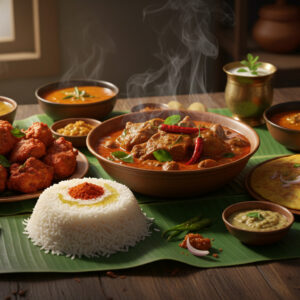
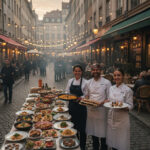
There is an undeniable magic that occurs when culinary tradition meets the pavement. For decades, I have traveled the world, not in search of white tablecloths and silver service, but hunting for the steam rising from carts, the sizzle of woks in narrow alleyways, and the intoxicating aromas of open-air markets. The best global street food offers more than just a quick meal; it provides an unadulterated window into the soul of a culture. Unlike restaurant dining, which can often be sanitized or adapted for tourist palates, street food remains raw, authentic, and deeply connected to local history.
Consequently, identifying the absolute best dishes requires more than a simple taste test; it demands an understanding of heritage, ingredients, and the communal atmosphere that surrounds these vendors. Moreover, the landscape of roadside dining has evolved significantly, moving from simple sustenance to a celebrated gastronomic art form recognized by prestigious entities worldwide. In this comprehensive guide, I will take you through a sensory journey across continents, breaking down the essential eats that every serious traveler must experience.
Executive Summary: Top Street Food Picks
Before we delve deep into the history and nuances of these dishes, the table below provides a quick reference guide to some of the highest-rated street foods discussed in this article.
| Region | Dish | Flavor Profile | Expert Tip |
|---|---|---|---|
| Southeast Asia | Pad Kra Pao | Spicy, Savior, Aromatic | Always ask for a fried egg (Kai Dao) on top. |
| Latin America | Tacos al Pastor | Tangy, Smoky, Sweet | Look for the pineapple slice carved directly from the spit. |
| Middle East | Falafel | Earth, Herby, Crunchy | Ensure it is fried fresh to order for maximum crispness. |
| Europe | Currywurst | Rich, Spiced, Savory | Best enjoyed with a crispy bread roll (Brötchen). |
| East Asia | Takoyaki | Umami, Creamy, Hot | Wait a minute before eating; the inside is molten lava. |
Defining the Best Global Street Food Experience
What exactly defines the best global street food? Is it the complexity of the spice blend, the speed of service, or the price point? In my professional experience, it is a combination of all these factors, anchored by consistency. Furthermore, the best vendors are often specialists. They do not offer ten pages of menu items; they offer one or two dishes that they have perfected over generations. For instance, a vendor in Hanoi might spend forty years making nothing but Bun Cha, refining the broth daily until it reaches a level of depth that Michelin-starred chefs envy.
Additionally, the context in which food is consumed plays a pivotal role. Eating a hot crepe on a snowy Parisian street or biting into a spicy vada pav amidst the chaos of Mumbai traffic enhances the sensory input, making the memory indelible. Therefore, when we seek the best street food, we are actually seeking the most authentic connection to a place.
Southeast Asia: The Crown Jewel of Roadside Dining
It is impossible to discuss this topic without acknowledging Southeast Asia. This region is frequently cited by gastronomes as the epicenter of street food culture. The humid air, the vibrancy of the night markets, and the bold use of fermentation and spice create an environment where food thrives.
Why Bangkok Offers the Best Global Street Food Variety
Bangkok is often referred to as the street food capital of the world. The sheer variety available on the streets of Thailand is staggering. From the ubiquitous Pad Thai to the fiery Som Tum (green papaya salad), the flavors are an assault on the senses in the best possible way. However, the true connoisseur looks beyond the tourist staples.
Specifically, dishes like Moo Ping (grilled pork skewers) marinated in coconut milk and coriander roots showcase the depth of Thai culinary knowledge. Furthermore, the street food scene here has gained such legitimacy that several stalls have received recognition from the Michelin Guide, proving that price is not an indicator of quality. When exploring Bangkok, one must be adventurous. The street-side woks produce ‘wok hei’ (breath of the wok), a smoky flavor imparted by high heat that is difficult to replicate in home kitchens.
Singapore’s Hawker Culture and Hygiene
In contrast to the chaotic charm of Bangkok, Singapore offers a more regulated yet equally delicious experience. The city-state’s hawker centers are legendary. In fact, this culture is so integral to their national identity that it has been inscribed on the UNESCO Representative List of the Intangible Cultural Heritage of Humanity. Here, hygiene is paramount, making it an excellent entry point for travelers who might be nervous about street food safety.
The dish to try here is undoubtedly Hainanese Chicken Rice. It appears simple—poached chicken served with rice cooked in chicken stock—but the complexity lies in the chili sauce and the texture of the rice. Moreover, dishes like Laksa and Char Kway Teow demonstrate the melting pot of Chinese, Malay, and Indian influences that define Singapore.
Latin American Delicacies: Heat and Heritage
Moving across the Pacific, Latin America offers a completely different palette of flavors. Corn, beans, chilies, and slow-roasted meats form the backbone of the best global street food in this region. The connection to indigenous roots is strong, and many preparation methods date back to pre-Columbian times.
Tacos al Pastor: Mexico’s Iconic Contribution
Mexico City is a titan of street gastronomy. Among its thousands of offerings, Tacos al Pastor reigns supreme. Interestingly, this dish is a result of cultural fusion, influenced by Lebanese immigrants who brought shawarma spits to Mexico. The local adaptation swaps lamb for pork, marinates it in achiote and spices, and serves it on small corn tortillas with pineapple, onion, and cilantro.
Consequently, the flavor profile is a perfect balance of savory, sweet, and acid. Walking the streets of CDMX at night, the glowing spits of meat are beacons for hungry locals. Furthermore, the salsa served alongside is not merely a condiment; it is the soul of the taco. A good taquero will have a variety of salsas, ranging from mild avocado-based blends to fiery habanero concoctions.
Finding the Best Global Street Food in Lima
Lima, Peru, has recently surged in popularity as a culinary destination. While its high-end restaurants are celebrated, its street food is equally impressive. Anticuchos are a must-try. These are skewers of marinated beef heart, grilled over charcoal. While the idea of eating heart might deter some, the meat is incredibly tender and flavorful, usually served with a side of potatoes and corn.
In addition, Ceviche, though often served in restaurants, has street food origins. Fresh fish cured in lime juice with onions and chilies is a refreshing snack in the coastal heat. The freshness of the ingredients is non-negotiable here. Therefore, the best ceviche is usually found in the morning or early afternoon, directly from the markets.
European Markets: Old World Charm on a Plate
Europe may not be the first place one thinks of for street food, but the continent has a rich tradition of market eating. From the Christmas markets of Germany to the souks of Istanbul (straddling Europe and Asia), the options are hearty and steeped in history.
Currywurst and Crepes: A Continental Contrast
In Berlin, the Currywurst is king. It is a steamed, then fried pork sausage cut into slices and seasoned with curry ketchup. It is a testament to post-war ingenuity and has become a cultural icon. Conversely, in Paris, the street food scene is dominated by Crepes. Whether sweet (Nutella and banana) or savory (ham and cheese), watching a master crepe-maker swirl the batter is a hypnotic experience. These dishes represent the best global street food in Europe because they are accessible, affordable, and deeply comforting.
Arancini and the Flavors of Sicily
Heading south to Italy, specifically Sicily, we find Arancini. These deep-fried rice balls, usually filled with ragu, mozzarella, and peas, are the perfect portable snack. The name comes from their resemblance to small oranges (arancia). Moreover, the variation in fillings across the island tells the story of local agriculture and preference. Eating a hot Arancino while walking through the historic streets of Palermo is an experience that rivals any sit-down meal.
Middle Eastern Delights: Spices of the Souks
The Middle East offers street food that is ancient, healthy, and incredibly flavorful. The use of fresh herbs, olive oil, and complex spice blends like Za’atar and Sumac distinguishes this region.
Falafel and Shawarma: The Universal Favorites
Falafel is perhaps the most famous vegetarian street food globally. Made from ground chickpeas or fava beans, these fried balls are packed with herbs and spices. However, the quality varies drastically. The best falafel is crisp on the outside, fluffy and green on the inside, and never greasy. It is usually served in a pita with tahini, pickles, and salad.
Similarly, Shawarma is a staple. Whether chicken, beef, or lamb, the slow roasting ensures the meat remains juicy. The garlic sauce (toum) often served with chicken shawarma is a culinary masterpiece in itself—an emulsion of garlic, oil, and lemon that packs a powerful punch.
Safety Tips for Enjoying the Best Global Street Food
While the pursuit of the best global street food is an exciting adventure, safety should always be a priority. Getting sick can ruin a trip, so taking precautions is essential.
How to Identify Authentic and Safe Vendors
First and foremost, follow the locals. If a stall has a long line of local residents (not just tourists), it is a good sign that the food is tasty and the turnover is high. High turnover means ingredients are fresh and haven’t been sitting out. Furthermore, observe the cooking process. Ideally, you want to see your food cooked to order in front of you. Food that has been sitting in a buffet tray for hours is a breeding ground for bacteria.
In addition, avoid ice in drinks unless you are sure it is made from purified water. For travelers concerned about specific health standards and vaccinations before embarking on a culinary tour, the Centers for Disease Control and Prevention (CDC) offers detailed country-specific guidelines. Moreover, carrying hand sanitizer is always a wise move, as running water for handwashing might not be readily available at street stalls.
The Economic Impact of Street Food
It is worth noting that street food is a vital economic engine in many developing nations. It provides employment for millions of people, particularly women, and offers affordable nutrition to the working class. When you buy from a street vendor, you are contributing directly to the local economy. Consequently, this form of tourism is often more sustainable and impactful than dining at international chain restaurants.
For those interested in replicating some of these incredible flavors at home or finding detailed travel guides to specific food markets, I highly recommend visiting Famous Food Blog. It is an excellent resource for deep dives into specific regional cuisines and recipes.
Conclusion: The Endless Journey for the Best Global Street Food
Ultimately, the quest for the best global street food is unending. Every city has a hidden alley, a secret recipe, or a new innovation waiting to be discovered. From the umami-rich Takoyaki of Osaka to the hearty Arepas of Colombia, these dishes tell the story of humanity. They bridge the gap between cultures, allowing us to understand each other through the universal language of flavor.
Therefore, I encourage you to be bold. Step away from the hotel buffet. Walk toward the smoke and the noise. Ask the locals what they are eating. The rewards—both culinary and cultural—are immeasurable. Whether you are a seasoned traveler or a novice explorer, the streets are open, and the kitchen is always hot.
Frequently Asked Questions (FAQ)
1. Is street food safe to eat?
Generally, yes, if you exercise caution. Look for high turnover, hot food cooked to order, and clean workspaces. Avoid raw vegetables washed in tap water and unpeeled fruits.
2. Which country has the best street food?
This is subjective, but Thailand, Mexico, Vietnam, and Singapore are consistently ranked at the top due to the variety, flavor complexity, and cultural significance of their street food scenes.
3. Can vegetarians find good street food options?
Absolutely. India offers an incredible array of vegetarian street food, such as Chaat and Vada Pav. The Middle East (Falafel) and Mexico (Quesadillas with squash blossoms) also have excellent meat-free options.
4. Do street food vendors accept credit cards?
In many parts of Asia, Latin America, and Africa, cash is still king. However, in places like China and parts of Europe, digital payments and cards are becoming more common. Always carry local currency in small denominations.
5. What is the most popular street food in the world?
While difficult to quantify, dumplings (in various forms like Gyoza, Momos, or Pierogi) and skewered meats (Satay, Kebabs, Yakitori) are universally popular formats found across almost every culture.