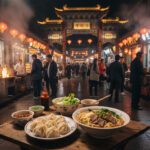
Best Food Cities: A Global Culinary Journey
Embarking on a culinary journey is often the highlight of any travel experience. For food enthusiasts, identifying the best food cities is paramount to planning their next adventure. These urban centers are not merely places to eat; rather, they are vibrant ecosystems where culture, history, and innovation converge on a plate. From bustling street markets to Michelin-starred establishments, the world’s top gastronomic destinations offer an unparalleled feast for the senses. Consequently, understanding what makes a city a culinary powerhouse can significantly enhance your travel planning and dining experiences.
What Makes the Best Food Cities Stand Out?
Certain characteristics consistently define the world’s premier food destinations. These elements collectively contribute to a city’s reputation as a must-visit for gourmands. Therefore, when evaluating the best food cities, several key factors come into play.
Diversity and Authenticity
Firstly, a truly great food city boasts incredible culinary diversity. This means offering a wide array of cuisines, from traditional local dishes to international flavors, all prepared with authenticity. Furthermore, the presence of various ethnic enclaves often enriches the dining landscape, providing a genuine taste of different cultures. For instance, you might find an authentic Ethiopian injera joint next to a classic Italian trattoria, both thriving.
Culinary Innovation and Tradition
Secondly, the interplay between innovation and tradition is crucial. The best food cities honor their culinary heritage while simultaneously pushing boundaries. Chefs are often inspired by ancient recipes, yet they experiment with modern techniques and unexpected ingredient combinations. This dynamic ensures that the food scene remains exciting, constantly evolving, and deeply rooted in its past. Consequently, diners can enjoy both timeless classics and cutting-edge gastronomic creations.
Vibrant Street Food and Fine Dining
Moreover, a balanced culinary scene includes both accessible street food and exquisite fine dining options. Street food provides an authentic, often economical, way to taste local flavors and experience the city’s pulse. Conversely, fine dining establishments showcase culinary artistry and impeccable service. A city that excels in both spectrums truly caters to all palates and budgets. Thus, whether you crave a quick, flavorful bite or a multi-course tasting menu, the options are abundant.
Local Ingredients and Markets
Finally, the availability of fresh, high-quality local ingredients is indispensable. Vibrant farmers’ markets and specialty shops are the lifeblood of a thriving food scene. Chefs and home cooks alike rely on these resources to source seasonal produce, artisanal cheeses, and freshly caught seafood. Ultimately, the quality of the ingredients directly impacts the flavor and integrity of the dishes. Therefore, a strong farm-to-table culture is often a hallmark of the best food cities.
Exploring the World’s Best Food Cities
Now, let’s delve into some of the most celebrated culinary capitals across the globe. Each offers a distinct flavor profile and unique dining experiences, making them top contenders for the title of best food cities.
Europe’s Gastronomic Capitals
Europe, with its rich history and diverse cultures, is home to several iconic food destinations.
#### Paris, France
Paris is synonymous with elegance and culinary excellence. It’s renowned for its exquisite patisseries, classic bistros, and an abundance of Michelin-starred restaurants. Furthermore, traditional French dishes like Coq au Vin, Boeuf Bourguignon, and delicate macarons define its gastronomic identity. Exploring Parisian markets like Marché des Enfants Rouges also offers a delightful sensory experience. In essence, Paris remains a benchmark for fine dining.
#### Rome, Italy
Rome offers a culinary journey through ancient traditions. The city’s food scene is characterized by simple, yet incredibly flavorful pasta dishes such as Cacio e Pepe, Amatriciana, and Carbonara. Additionally, pizza al taglio, supplì, and artisanal gelato are ubiquitous delights. The emphasis on fresh, local ingredients truly shines through in every bite. Therefore, a visit to Rome is a must for lovers of authentic Italian cuisine.
#### Barcelona, Spain
Barcelona blends traditional Catalan flavors with modern culinary innovation. Tapas culture thrives here, offering small plates perfect for sharing and sampling a variety of dishes. Fresh seafood, paella, jamón ibérico, and vermouth bars are integral to the city’s gastronomic fabric. Furthermore, its vibrant food markets, notably La Boqueria, are a feast for the eyes and palate. Consequently, Barcelona consistently ranks among the best food cities for its dynamic offerings.
#### Lyon, France
Often hailed as the gastronomic capital of France, Lyon boasts a robust culinary heritage. Its traditional eateries, known as bouchons*, serve hearty, rustic dishes like *quenelles* and *saucisson de Lyon. The city’s focus on high-quality, local produce, often from nearby farms, underpins its reputation. Moreover, Lyon is home to numerous acclaimed chefs and culinary schools, cementing its status as a serious food destination.
Asia’s Culinary Powerhouses
Asia offers an incredible diversity of flavors, from spicy street food to refined haute cuisine.
#### Tokyo, Japan
Tokyo is a city of unparalleled culinary precision and artistry. It holds the most Michelin stars of any city globally, testament to its exceptional quality. Sushi, ramen, tempura, and yakitori are staples, but the city also excels in obscure regional specialties. The meticulous attention to detail and reverence for ingredients are evident in every dish. Hence, Tokyo is undeniably one of the best food cities for an immersive and diverse dining experience.
#### Bangkok, Thailand
Bangkok is a street food paradise, offering an explosion of sweet, sour, salty, and spicy flavors. From Pad Thai to green curry, mango sticky rice to boat noodles, the options are endless and incredibly affordable. The city’s bustling markets and roadside stalls provide an authentic and unforgettable culinary adventure. Furthermore, its fine dining scene is rapidly gaining international recognition, blending traditional Thai flavors with contemporary flair. Therefore, for an exciting and accessible food journey, Bangkok is hard to beat.
#### Singapore
Singapore is a melting pot of Chinese, Malay, Indian, and Western influences, creating a unique
Conclusion
In conclusion, the best food cities offer far more than just sustenance; they provide immersive cultural experiences through their diverse and delectable cuisines. Whether you seek the refined elegance of Parisian fine dining, the vibrant street food of Bangkok, or the innovative flavors of Lima, these global gastronomic hubs promise unforgettable culinary adventures. Ultimately, exploring these cities allows travelers to connect with local traditions, discover new tastes, and create lasting memories, proving that food is indeed a universal language that transcends borders.
Frequently Asked Questions (FAQ)
Q1: What are the key characteristics that define the best food cities?
A1: The best food cities typically possess a combination of culinary diversity and authenticity, a healthy balance of innovation and tradition, a thriving scene for both street food and fine dining, and access to high-quality local ingredients through vibrant markets. These elements collectively contribute to a rich and dynamic food culture.
Q2: Which European cities are considered top culinary destinations?
A2: Europe boasts several renowned culinary capitals. Paris, France, is celebrated for its fine dining and pastries. Rome, Italy, is famous for its classic pasta dishes and gelato. Barcelona, Spain, offers a vibrant tapas culture and fresh seafood. Lyon, France, is often called the gastronomic capital of France, known for its traditional bouchons and hearty cuisine.
Q3: How can I best experience the food scene in a new city?
A3: To truly experience the food scene in a new city, consider embracing street food, visiting local markets to observe ingredients and interact with vendors, taking a cooking class to learn about local techniques, and seeking out recommendations for hidden gems from locals rather than sticking solely to tourist traps. These approaches offer a more authentic and immersive culinary journey.
Want to read more Famous Food about click here
Big Shoutout to the guys who made this blog happen UDM.