15 Global Flavors You Can’t Miss: The Ultimate Guide to the Best Street Food in the World
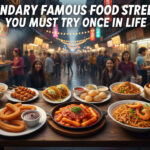
You can keep your white tablecloths and your three-hour tasting menus. For me, the real soul of a city isn’t found in a dining room with a dress code; it’s found on a humid street corner at 2:00 AM, standing over a piece of wax paper while grease drips down your chin. To find the best street food in the world, you have to look where the smoke is thickest and the plastic stools are shortest.
So, what actually qualifies as the best street food in the world? It is the intersection of high-impact flavor, cultural heritage, and sheer accessibility. If we’re talking specifics, the absolute heavy hitters include Mexico City’s Tacos al Pastor, Bangkok’s Pad Thai, and Istanbul’s Döner Kebab. These dishes aren’t just snacks; they are culinary masterclasses in balance—salty, sweet, sour, and spicy—perfected over generations of street-side trial and error.
The Science of Why Street Food Just Tastes Better
I’ve spent a decade traveling from the night markets of Taipei to the bustling plazas of Palermo, and I’ve often wondered why a $2 taco tastes better than a $40 steak. Here’s the thing: it’s not just the atmosphere. There is actual science at play. Street food vendors usually master one or two dishes. This specialization leads to what I call the “Seasoned Surface Advantage.” Whether it’s a cast-iron plancha or a charcoal grill, these surfaces have seen thousands of servings, creating a non-stick, flavor-rich patina that no home kitchen can replicate.
Then there’s the Maillard reaction. This is the chemical reaction between amino acids and reducing sugars that gives browned food its distinctive flavor. Because street food is cooked at high heat right in front of you, you’re getting that peak chemical transformation the second it happens. The smoky aroma isn’t just a smell; it’s a seasoning. When you eat a skewer of satay in Singapore, the carbonized bits provide a bitter counterpoint to the sweet peanut sauce, creating a complex profile that is scientifically designed to make your brain crave more.
A Curated Journey: 15 Street Food Icons
1. Tacos al Pastor (Mexico City, Mexico)
Derived from Lebanese shawarma traditions, this is a masterclass in texture. Pork is marinated in achiote and chilies, then slowly shaved off a vertical spit (the trompo). The “secret” detail? The pineapple. A true taquero will flick a thin slice of pineapple from the top of the spit directly into the taco. The acidity of the fruit cuts through the fatty pork like a hot knife through butter.
2. Pad Thai (Bangkok, Thailand)
Forget the soggy versions you’ve had in takeout boxes. On the streets of Bangkok, Pad Thai is smoky from a high-heat wok. It’s a balance of tamarind (sour), palm sugar (sweet), and fish sauce (salt). Pro-tip: Look for vendors who use duck eggs; the yolks are richer and create a creamier coating for the rice noodles.
3. Banh Mi (Saigon, Vietnam)
This is the ultimate legacy of French colonialism. A crusty baguette filled with pâté, pickled daikon, carrots, and cilantro. The secret is the bread—often made with a mix of rice and wheat flour to ensure it’s incredibly light and airy on the inside but shatteringly crisp on the outside.
4. Döner Kebab (Istanbul, Turkey)
Walking through the Sultanahmet district, the smell of roasting lamb is hypnotic. The real deal isn’t just meat; it’s the way the fat renders down the stack, self-basting the meat for hours. It’s served in a warm pide bread with just enough sumac-dusted onions to give it a zing.
5. Vada Pav (Mumbai, India)
Often called the “poor man’s burger,” this is a spicy potato fritter sandwiched in a soft bun. The magic is in the dry garlic chutney. It’s pungent, fiery, and addictive. You haven’t truly lived until you’ve eaten one of these while standing in a Mumbai monsoon under a makeshift tarp.
6. Takoyaki (Osaka, Japan)
These octopus-filled wheat balls are a rite of passage. Watching a vendor flip them with needles is like watching a surgeon. They are creamy on the inside and topped with dancing bonito flakes that react to the heat. Pro-tip: Don’t eat them immediately unless you want to lose the top layer of skin in your mouth. Let them steam for sixty seconds.
7. Arancini (Sicily, Italy)
Deep-fried risotto balls filled with ragu and mozzarella. In Sicily, these are life. The secret is using high-quality saffron in the rice, which provides an earthy backbone to the rich meat filling.
8. Jerk Chicken (Montego Bay, Jamaica)
Smoky, spicy, and deeply aromatic. The key isn’t just the Scotch Bonnet peppers; it’s the pimento wood. Authentic jerk must be smoked over pimento (allspice) wood to get that specific floral, numbing heat.
9. Arepas (Caracas, Venezuela)
Cornmeal cakes that are grilled and stuffed with everything from black beans to shredded beef. The *Reina Pepiada* (chicken and avocado salad) is the gold standard. The secret? Finishing them on a budare (griddle) to get that thick, crunchy skin.
10. Currywurst (Berlin, Germany)
It sounds simple—steamed then fried sausage with curry ketchup—but it’s a post-war icon. The “secret” is the dusting of extra curry powder on top, which adds a raw, spicy punch to the sweet sauce.
11. Pastel de Nata (Lisbon, Portugal)
Street food isn’t just savory. These custard tarts feature a puff pastry that is so laminated it sounds like autumn leaves when you bite it. The center should be slightly scorched, thanks to a very hot oven.
12. Ceviche (Lima, Peru)
While often served in restaurants, the best is at street stalls. It’s fish cured in “leche de tigre” (lime juice, onion, chilies). The secret detail is the addition of toasted corn (cancha) for a crunch that offsets the tender fish.
13. Poutine (Montreal, Canada)
Fries, brown gravy, and cheese curds. It only works if the curds are fresh enough to “squeak” against your teeth. If they melt completely, the vendor is doing it wrong.
14. Fish Tacos (Ensenada, Mexico)
Battered, fried fish with cabbage and crema. The secret is the batter—usually made with a splash of cheap lager to ensure it’s carbonated and light.
15. Satay (Singapore)
Grilled meat skewers served with a thick peanut sauce. The “secret” is the lemongrass marinade, which keeps the meat bright and prevents the smoke from becoming overpowering.
How to Eat Like a Local: A Survival Guide
You might be wondering, “How do I find the best spots without getting sick?” It’s simpler than you think. Let’s break it down into three rules:
- Follow the Queue: If a stand has a line of locals, the turnover is high. High turnover means the food hasn’t been sitting around, and it’s likely the best in the neighborhood.
- Watch the Prep: You want to see the food cooked at high heat right before it reaches your hand. Heat kills the bad stuff.
- The “One Dish” Rule: If a vendor sells 50 different things, keep walking. If they only sell one thing—and have been doing it for thirty years—you’ve found gold.
Frequently Asked Questions
What is the most popular street food in the world?
While it’s hard to track, the Döner Kebab and Tacos are arguably the most globally recognized and widely available street foods, spanning nearly every continent.
Is it safe to eat street food?
Generally, yes. Street food is often fresher than restaurant food because you can see the ingredients and the cooking process. Stick to busy stalls and avoid tap water-based drinks in developing regions.
Which city has the best street food?
Bangkok, Mexico City, and Istanbul are consistently ranked as the top three cities for street food enthusiasts due to their variety and deep-rooted food stall culture.
Author Bio: Asim Ali is a culinary travel writer and former chef who has spent 15 years documenting the best street food in the world across 60 countries. He believes that the best stories are always told over a shared plate on a sidewalk.