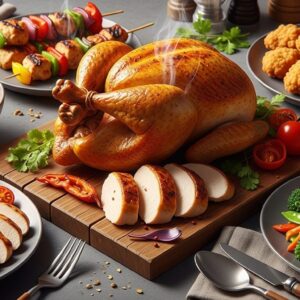
Chicken soup recipe: A timeless comfort food guide
The humble chicken soup recipe holds a revered place in culinary traditions across the globe. It transcends mere sustenance, embodying comfort, warmth, and a sense of healing. For generations, a steaming bowl of chicken soup has been the go-to remedy for ailments, a welcoming dish on a cold day, and a symbol of home-cooked love. However, crafting the perfect chicken soup is an art that combines simple ingredients with thoughtful technique. This comprehensive guide will demystify the process, providing you with a robust framework to create a truly exceptional and nourishing chicken soup. Ultimately, you will discover the secrets to a rich broth, tender chicken, and perfectly cooked vegetables, transforming your kitchen into a sanctuary of savory aromas.
Why a Chicken Soup Recipe is an Essential Culinary Skill
Beyond its comforting appeal, mastering a reliable chicken soup recipe is a fundamental culinary skill. Its versatility and inherent health benefits make it an invaluable addition to any home cook’s repertoire. Furthermore, understanding its foundational elements can empower you to experiment and adapt, creating countless variations.
Unparalleled Health Benefits
Chicken soup is famously lauded for its restorative properties. When you’re feeling under the weather, a warm bowl can provide significant relief. Indeed, the warm liquids help to hydrate the body and soothe sore throats. Moreover, the steam from the hot soup can act as a natural decongestant, helping to clear nasal passages and ease respiratory discomfort. It’s a natural source of vitamins and minerals, including zinc, which supports immune function. The easily digestible ingredients also make it gentle on a sensitive stomach, providing essential nutrients without overburdening the digestive system. Consequently, it’s more than just a folk remedy; it’s a scientifically recognized aid for recovery.
Remarkable Culinary Versatility and Adaptability
A classic chicken soup recipe serves as an excellent culinary canvas. It offers endless possibilities for customization, allowing you to tailor it to your specific tastes, dietary needs, or available ingredients. For instance, you can easily swap out different vegetables, experiment with various types of pasta or grains, or introduce new herbs and spices. This adaptability makes it an incredibly practical dish for using up leftover vegetables or poultry. Furthermore, it can be a light appetizer, a hearty main course, or even a base for other dishes, showcasing its incredible range. Therefore, learning this recipe opens doors to many other culinary adventures.
Essential Ingredients for the Ultimate Chicken Soup Recipe
The foundation of an outstanding chicken soup lies in the quality and freshness of its ingredients. Each component plays a vital role in building layers of flavor and texture. Consequently, careful selection is paramount for achieving a truly memorable result.
The Chicken: Heart of the Broth
Choosing the right chicken is crucial for developing a rich, flavorful broth. While you can certainly use boneless, skinless chicken breasts or thighs for convenience, bone-in chicken pieces (such as leg quarters, wings, or a whole carcass) will yield a much deeper and more gelatinous broth. The bones and connective tissues release collagen during simmering, which adds body and a silky mouthfeel. For the most robust flavor, consider using a combination of dark meat (thighs, drumsticks) and some white meat (breasts). If time is a concern, a good quality rotisserie chicken can be a fantastic shortcut; however, save the bones for a separate broth!
The Vegetables: Aromatic and Nutritious
The classic trio for any savory base is mirepoix: carrots, celery, and onions. These vegetables provide a sweet, earthy foundation for your soup. However, don’t limit yourself to just these three. Consider adding parsnips for a subtle sweetness, leeks for a delicate onion flavor, or potatoes for a heartier texture. Green beans, peas, or corn can be added towards the end of cooking for freshness and color. Always ensure your vegetables are fresh and vibrant, as they contribute significantly to both flavor and nutritional content.
The Aromatics and Herbs: Flavor Enhancers
Garlic is a non-negotiable aromatic that adds depth and pungency. Fresh garlic, minced or crushed, is always superior to powdered. Bay leaves are essential for a subtle, earthy undertone. Fresh herbs like thyme, rosemary, parsley, and dill elevate the soup’s aroma and taste profile. Add woody herbs like thyme and rosemary early in the simmering process to allow their flavors to infuse the broth fully. Delicate herbs like parsley and dill, however, are best stirred in at the very end or used as a garnish to preserve their vibrant flavor and color.
The Broth: The Liquid Gold
While a high-quality store-bought chicken broth can be a convenient option, nothing compares to the depth and richness of homemade broth. Making your own allows you to control the sodium content and tailor the flavor precisely. If opting for store-bought, choose a low-sodium variety to prevent your soup from becoming overly salty, as you will be adding more seasoning later. Water can also be used, especially if you are starting with bone-in chicken, as the chicken itself will contribute significantly to the broth’s flavor. Ultimately, the broth is the soul of your chicken soup recipe, so invest in its quality.
Step-by-Step Guide to Crafting Your Perfect Chicken Soup Recipe
Creating a delicious chicken soup involves a series of straightforward steps. Following this guide will ensure a flavorful and well-balanced result. Furthermore, attention to detail at each stage will elevate your final dish.
Preparation: The Foundation
Begin by preparing your chicken. If using a whole chicken or bone-in pieces, rinse them under cold water and pat dry with paper towels. This helps with browning. Next, chop your mirepoix (carrots, celery, onion) into roughly even-sized pieces. Uniformity in size ensures even cooking. Mince your garlic. Gather all your other ingredients, including herbs and spices, so they are readily accessible. This practice, known as mise en place, streamlines the cooking process and prevents last-minute scrambling.
The Cooking Process: Building Flavor Layers
- Brown the Chicken (Optional but Recommended): In a large stockpot or Dutch oven, heat a tablespoon of olive oil over medium-high heat. Sear the chicken pieces until golden brown on all sides. This step adds a layer of rich, caramelized flavor to your broth. Remove the chicken and set aside.
- Sauté Aromatics: Reduce the heat to medium. Add the chopped onions to the pot and cook until softened and translucent, about 5-7 minutes. Then, add the celery and carrots, cooking for another 5 minutes until slightly tender. Finally, stir in the minced garlic and cook for just one minute more until fragrant, being careful not to burn it.
- Deglaze and Add Liquids: Pour in a splash of white wine or a little broth to deglaze the pot, scraping up any browned bits from the bottom. These bits are packed with flavor. Return the chicken to the pot. Add your chosen broth or water, ensuring the chicken is mostly submerged. Include woody herbs like bay leaves and thyme at this stage.
- Simmer for Broth Extraction: Bring the liquid to a gentle simmer, then reduce the heat to low, cover, and cook for at least 30-45 minutes, or up to 1.5-2 hours for a deeper flavor. During this time, the chicken will cook through, and the bones (if used) will release their goodness into the broth. Skim any foam or impurities that rise to the surface for a clearer broth.
-
Shred the Chicken and Add Remaining Vegetables:
Carefully remove the cooked chicken from the pot. Once cool enough to handle, remove the skin and bones, then shred the meat into bite-sized pieces. Discard the skin and bones (or save bones for another batch of broth). Return the shredded chicken to the pot. Now, add any additional vegetables you desire, such as potatoes or green beans. Cook until these new additions are tender, which usually takes 10-15 minutes.
- Incorporate Grains/Pasta: If adding noodles, rice, or other grains, do so now. Cook according to package directions, ensuring they don’t become overcooked and mushy. This typically takes 5-10 minutes.
Finishing Touches: Seasoning and Garnish
Taste the soup and season generously with salt and freshly ground black pepper. Remember, the broth will absorb a lot of seasoning. Adjust as needed, adding more herbs if desired. Stir in fresh, chopped parsley or dill just before serving. These delicate herbs add a burst of fresh flavor and vibrant color. A squeeze of fresh lemon juice at the end can brighten all the flavors beautifully. Serve hot, perhaps with a side of crusty bread. This completes your delightful chicken soup recipe.
Exploring Variations and Customizations for Your Chicken Soup Recipe
The beauty of a classic chicken soup recipe lies in its incredible flexibility. Once you’ve mastered the basic technique, you can easily adapt it to suit different preferences or cultural influences. Indeed, personalization is key to making this dish truly your own.
Noodle vs. Rice: Your Starch of Choice
The debate between noodles and rice in chicken soup is a long-standing one. Each offers a distinct texture and experience.
- Noodles: Small egg noodles, alphabet pasta, or even orzo are popular choices. They add a comforting chewiness. To prevent them from becoming overly soft or absorbing too much broth, cook them separately and add them to individual bowls, or add them to the main pot only in the last 5-7 minutes of cooking.
- Rice: White rice, brown rice, or wild rice blends can also be incorporated. Rice tends to absorb more liquid and can thicken the soup. If adding rice directly to the pot, be mindful that it will continue to swell, especially if stored as leftovers. Consider cooking rice separately and adding it to bowls just before serving for the best texture.
Diverse Herb and Spice Profiles
While bay leaves and thyme are classic, don’t hesitate to venture further.
- Mediterranean Twist: Add oregano, marjoram, and a pinch of red pepper flakes for a warmer, more robust flavor.
- Asian Inspiration: Incorporate fresh ginger, a dash of soy sauce, and a few drops of sesame oil. Garnish with cilantro and a squeeze of lime.
- Immune-Boosting Power: Include a teaspoon of turmeric powder during the sautéing phase and a generous amount of fresh ginger root for an extra health kick.
- Smoky Depth: A pinch of smoked paprika can add a subtle, intriguing smokiness.
Dietary Adaptations and Enhancements
The chicken soup recipe can be easily modified to fit various dietary needs.
- Gluten-Free: Opt for gluten-free pasta, rice, or simply increase the amount of vegetables for a hearty, grain-free soup.
- Dairy-Free: The standard chicken soup is naturally dairy-free.
- Vegetarian/Vegan (with modifications): While it wouldn’t be “chicken soup,” the base technique can be used. Replace chicken with hearty vegetables like mushrooms, chickpeas, or lentils, and use vegetable broth.
- Extra Vegetables: Boost the nutritional content by adding more leafy greens like spinach or kale during the last few minutes of cooking.
Expert Tips for the Best Chicken Soup Recipe Every Time
Achieving consistently excellent results with your chicken soup recipe often comes down to a few key techniques and considerations. These tips will help you perfect your craft.
Skimming the Fat for a Clear Broth
During the simmering process, fat and impurities will rise to the surface. For a clearer, less greasy broth, regularly skim these off with a ladle or large spoon. If you have time, chilling the soup overnight after cooking allows the fat to solidify on top, making it much easier to remove before reheating. This step significantly improves the soup’s appearance and mouthfeel.
Avoid Overcooking Vegetables and Chicken
Overcooked vegetables become mushy and lose their vibrant color and texture. Similarly, overcooked chicken can become dry and stringy. Add delicate vegetables and any pasta or rice towards the end of the cooking process, ensuring they are cooked just until tender-crisp. The chicken should be cooked through but still moist; if you’re using pre-cooked chicken, simply heat it gently in the broth.
Taste and Adjust Seasoning Throughout
Seasoning is a continuous process, not a one-time event. Taste your broth at various stages: after adding the initial liquids, after simmering, and definitely before serving. Broth can taste bland initially, but as it reduces slightly and flavors concentrate, it will require careful adjustment. Use salt and pepper judiciously, adding small amounts, stirring, and tasting again until the flavors are perfectly balanced. A final squeeze of lemon juice can often enhance and brighten all the flavors, providing a perfect finish to your homemade chicken soup recipe.
Conclusion
This comprehensive guide has equipped you with the knowledge and confidence to create an exceptional chicken soup recipe. From selecting the finest ingredients to mastering the simmering process and exploring various customizations, you now possess the tools to craft a truly comforting and nourishing meal. Indeed, a homemade bowl of chicken soup is more than just food; it’s a gesture of care, a source of warmth, and a timeless tradition worth cherishing. Enjoy the process and savor every spoonful!
Want to read more Famous Food about click here
Big Shoutout to the guys who made this blog happen UDM.
Frequently Asked Questions (FAQ)
Q: Can I use pre-cooked chicken for my chicken soup recipe?
A: Yes, you certainly can! Using pre-cooked or leftover rotisserie chicken can significantly cut down on preparation time. Simply shred the chicken and add it to the soup towards the end of the cooking process, allowing it to heat through and absorb the flavors of the broth and vegetables.
Q: How long does homemade chicken soup last in the refrigerator?
A: Properly stored homemade chicken soup can last for 3-4 days in an airtight container in the refrigerator. For longer storage, it freezes exceptionally well for up to 2-3 months. Thaw it in the refrigerator overnight and reheat gently on the stovetop.
Q: What’s the secret to a clear chicken soup broth?
A: To achieve a clear broth in your chicken soup recipe, avoid boiling vigorously; instead, maintain a gentle simmer. Additionally, regularly skim any foam or impurities that rise to the surface during the initial cooking phase. Using a fine-mesh sieve or cheesecloth to strain the broth after the chicken is cooked can also help.
- https://famousfoodblog.com/tea-recipes-for-health-boost-your-well-being-naturally/
- https://famousfoodblog.com/protein-shakes-your-ultimate-guide-to-benefits-and-usage/
- https://famousfoodblog.com/no-oven-recipes-easy-meals-without-heating-your-kitchen/
- https://famousfoodblog.com/holiday-food-recipes-festive-dishes-for-memorable-feasts/
- https://famousfoodblog.com/chicken-recipes-ideas-easy-delicious-meals/