Chinese food ideas: A Culinary Journey Through Authentic Flavors
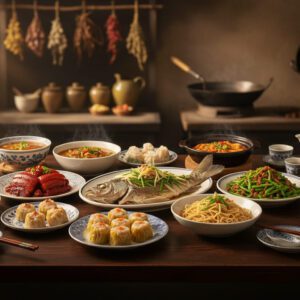
Chinese cuisine, a tapestry of diverse flavors and traditions, offers an endless array of culinary experiences. For those seeking inspiration, exploring Chinese food ideas can open doors to vibrant tastes and rich cultural heritage. This comprehensive guide will delve into the vast world of Chinese cooking, from regional specialties to popular dishes you can recreate at home. Indeed, understanding the nuances of this global cuisine provides a deeper appreciation for its artistry and history. We will uncover various delectable Chinese food ideas that cater to every palate, ensuring a delightful gastronomic adventure.
Exploring Diverse Chinese Food Ideas
China’s culinary landscape is incredibly varied, reflecting its vast geography and diverse ethnic groups. Therefore, when considering Chinese food ideas, it is essential to recognize the distinct characteristics of its regional cuisines. Each region boasts unique ingredients, cooking methods, and flavor profiles, contributing to the richness of Chinese gastronomy.
Regional Cuisines: A Taste of China’s Culinary Landscape
- Cantonese Cuisine (Yue Cuisine): Renowned for fresh ingredients, delicate flavors, and sophisticated techniques like steaming. Popular Chinese food ideas include dim sum and char siu. Moreover, Cantonese food often uses light sauces, enhancing natural flavors.
- Sichuan Cuisine (Chuan Cuisine): Famous for bold, spicy, and numbing ‘mala’ flavors from Sichuan peppercorns and chili peppers. Classic Chinese food ideas include Mapo Tofu and Kung Pao Chicken. Consequently, this region’s dishes offer an exciting sensory experience.
- Hunan Cuisine (Xiang Cuisine): Known for its dry heat and sour notes, often spicier than Sichuan. Dishes feature fresh chilies, garlic, and shallots. Popular Hunanese Chinese food ideas include Steamed Fish with Chopped Chilies. Furthermore, Hunanese cooking emphasizes intense and complex flavors.
- Shandong Cuisine (Lu Cuisine): One of the oldest, characterized by savory, fresh, and slightly salty tastes, with an emphasis on seafood. Braising and quick-frying are common. Notable Shandong Chinese food ideas include Braised Abalone. Indeed, its traditions influenced northern Chinese cuisines.
- Anhui Cuisine (Hui Cuisine): Emphasizes wild ingredients from mountains and rivers. Focuses on stewing and braising; dishes are hearty and rustic. Examples include braised partridge.
- Fujian Cuisine (Min Cuisine): Known for light, savory, and sweet-and-sour flavors, excelling in seafood and soups. Uses red yeast rice and fermented fish sauce. Buddha Jumps Over the Wall is a famous dish.
- Jiangsu Cuisine (Su Cuisine): Celebrated for intricate knife work, elegant presentation, and fresh, moderately salty, and sweet flavors. Stewing and braising are paramount. Wuxi Spareribs exemplify its refined approach.
- Zhejiang Cuisine (Zhe Cuisine): Focuses on fresh, tender, and mellow flavors, with an emphasis on seafood and seasonal vegetables. Known for light and non-greasy dishes. West Lake Fish in Vinegar Gravy is a prime example.
Popular Chinese Food Ideas for Every Occasion
Beyond regional specialties, many Chinese food ideas have gained global popularity. These dishes are often excellent starting points for home cooks.
- Stir-Fries: Quick, versatile, and healthy. Ingredients like chicken, beef, shrimp, and vegetables are stir-fried with various sauces. A classic beef and broccoli stir-fry is always a crowd-pleaser.
- Dumplings and Wontons: Beloved parcels of dough filled with meat or vegetables. Enjoyed steamed, boiled, or pan-fried. Potstickers are particularly popular.
- Noodles: Incredibly diverse, from thin vermicelli to thick hand-pulled noodles. Lo Mein, Chow Mein, and noodle soups like Lanzhou Beef Noodle Soup are satisfying Chinese food ideas.
- Rice Dishes: Rice is a staple; fried rice is perhaps the most famous. Yangzhou Fried Rice, with its mix of char siu, shrimp, and vegetables, is a classic. Steamed rice perfectly accompanies any meal.
- Soups: Range from light broths to hearty stews. Hot and Sour Soup, Egg Drop Soup, and Wonton Soup are popular, offering warmth and flavor. Many aid digestion.
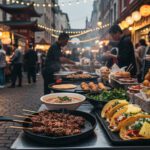
- Street Food Delights: Reveals a vibrant culinary scene. Jianbing (savory crepes) and Roujiamo (Chinese hamburger) offer quick, delicious, and authentic tastes. These casual bites are perfect for snacks.
- Vegetarian Options: Abundant, utilizing tofu, mushrooms, and fresh vegetables. Buddha’s Delight and Yu Xiang Eggplant are fantastic examples of flavorful plant-based Chinese food ideas.
Mastering the Art of Chinese Cooking at Home
Recreating authentic Chinese food ideas in your kitchen is rewarding. With the right ingredients and basic techniques, you can bring the flavors of China to your dining table. However, it requires practice and familiarity with specific tools and pantry staples.
Essential Ingredients for Your Chinese Pantry
A well-stocked pantry is crucial. Key ingredients include:
- Soy Sauce: Light (saltiness) and dark (color, deeper umami).
- Rice Vinegar: Tangy acidity for dressings and sauces.
- Sesame Oil: Aromatic finishing oil.
- Oyster Sauce: Savory, slightly sweet condiment.
- Shaoxing Wine: Indispensable cooking wine, adding depth.
- Chili Bean Paste (Doubanjiang): Fermented broad bean and chili paste, vital for Sichuan.
- Sichuan Peppercorns: Provide unique ‘mala’ sensation.
- Fresh Aromatics: Ginger, garlic, scallions – the holy trinity.
- Starches: Cornstarch or potato starch for thickening sauces.
Basic Cooking Techniques
Several fundamental techniques are central to preparing many Chinese food ideas:
- Stir-Frying: Rapid cooking in a wok with high heat and constant movement. Preserves crispness and cooks quickly. Mise en place is key.
- Steaming: Healthy, gentle cooking for dumplings, fish, and vegetables. Locks in moisture, producing tender results. A bamboo steamer is invaluable.
- Braising: Slow cooking in liquid, for tougher meats or deep flavor, like red-braised pork belly. Tenderizes ingredients beautifully.
- Deep-Frying: Used for appetizers and main dishes like General Tso’s Chicken. Creates a desirable crispy exterior.
Simple Recipes to Get Started
For those new to Chinese cooking, here are accessible Chinese food ideas:
- Egg Fried Rice: Perfect for leftover rice. Stir-fry with eggs, peas, carrots, and soy sauce. Quick, customizable, satisfying.
- General Tso’s Chicken: Sweet and spicy deep-fried chicken, a perennial favorite. Fried chicken pieces tossed in a rich, tangy sauce.
- Mapo Tofu: Classic Sichuan dish. Soft tofu in a spicy, savory sauce with fermented broad beans, chili oil, and ground meat. ‘Mala’ sensation is prominent.
- Stir-fried Noodles with Vegetables: Choose noodles and vegetables, then stir-fry with a simple soy, oyster, and sugar sauce. Add protein for a complete meal.
- Hot and Sour Soup: Comforting, flavorful soup balancing spicy, sour, savory, and umami. Includes mushrooms, bamboo shoots, tofu, and sometimes pork.
Pairing Beverages with Chinese Cuisine
The right beverage can enhance the dining experience when enjoying Chinese food ideas. The goal is to complement flavors without overpowering them, especially with intricate spice profiles.
Traditional Pairings
Tea is the most common beverage. Green, Oolong, and Pu-erh teas are excellent; their subtle bitterness and cleansing properties cut through rich flavors and aid digestion. Chinese rice wine can also be enjoyed. For instance, light jasmine tea pairs wonderfully with delicate Cantonese dim sum.
Modern Beverage Choices
In contemporary settings, light lagers or pilsners are refreshing alongside spicy dishes. Certain white wines, such as Riesling or Gewürztraminer, with sweetness and acidity, complement spicy or sweet and sour Chinese food ideas. Carbonated drinks also offer a refreshing contrast.
Understanding Chinese Food Culture and Etiquette
Beyond the flavors, understanding the cultural context and dining etiquette enriches the experience of exploring Chinese food ideas. It reflects respect for tradition and hospitality.
Dining Etiquette
Several customs are common:
- Chopsticks: Avoid sticking them upright in rice or pointing them.
- Sharing: Dishes are shared communally. Take small portions.
- Serving Others: Polite to serve elders or guests first, using communal utensils.
- Toasting: Common with alcoholic beverages. Clink glasses lower than your host.
- Leaving Food: Leaving a small amount can signify satisfaction, but varies.
Symbolism in Food
Many Chinese food ideas carry symbolic meanings, particularly during festivals:
- Noodles: Represent longevity (served uncut).
- Fish: Symbolizes abundance and prosperity (‘yu’ sounds like ‘surplus’).
- Dumplings: Resemble ancient gold ingots, symbolizing wealth.
- Oranges/Tangerines: Represent good fortune and wealth.
- Glutinous Rice Balls (Tangyuan): Symbolize family togetherness during Lantern Festival.
Conclusion
Exploring Chinese food ideas is an exciting journey into one of the world’s most diverse and influential cuisines. From the fiery depths of Sichuan to the delicate artistry of Cantonese dim sum, the range of flavors, textures, and cooking methods is truly astounding. Whether you are a seasoned chef or a curious home cook, there are countless delicious dishes to discover and master. By understanding the regional variations, essential ingredients, and cultural significance, you can deepen your appreciation for Chinese gastronomy and confidently embark on your own culinary adventures. Indeed, embracing these Chinese food ideas allows for a rich and flavorful exploration of a timeless culinary tradition.
Want to read more Famous Food about click here
Big Shoutout to the guys who made this blog happen UDM.
Frequently Asked Questions (FAQ)
Q1: What are the main regional cuisines of China?
A1: China traditionally recognizes “Eight Great Cuisines”: Cantonese (Yue), Sichuan (Chuan), Hunan (Xiang), Shandong (Lu), Anhui (Hui), Fujian (Min), Jiangsu (Su), and Zhejiang (Zhe). Each boasts distinct flavors, ingredients, and cooking techniques, offering diverse Chinese food ideas.
Q2: What are some good Chinese food ideas for beginners to cook at home?
A2: For beginners, simple stir-fries (like chicken and broccoli or vegetable stir-fry), Egg Fried Rice, and basic noodle dishes (like Lo Mein) are excellent starting points. Mapo Tofu or Hot and Sour Soup are also relatively straightforward once you have the key ingredients, providing authentic Chinese food ideas without excessive complexity.
Q3: Is all Chinese food spicy?
A3: No, not all Chinese food is spicy. While cuisines like Sichuan and Hunan are famous for their fiery heat, many other regions, such as Cantonese and Jiangsu, emphasize delicate, savory, or sweet flavors without significant spice. Therefore, there are plenty of non-spicy Chinese food ideas available to suit all palates.
- https://famousfoodblog.com/foodie-blog-your-ultimate-guide-to-culinary-adventures/
- https://famousfoodblog.com/world-cuisines-a-culinary-journey-around-the-globe/
- https://famousfoodblog.com/raw-food-diet-benefits-risks-and-how-to-start/
- https://famousfoodblog.com/ethnic-foods-a-global-culinary-journey/
- https://famousfoodblog.com/protein-rich-dishes-fuel-your-body-stay-healthy/