Cooking tips: Master Your Kitchen Skills Today!
Embarking on a culinary journey, whether as a novice or a seasoned home cook, often involves seeking effective cooking tips to enhance skills and achieve delicious results. Mastering the art of cooking is not merely about following recipes; it involves understanding fundamental techniques, efficient preparation methods, and the science behind flavors. Consequently, integrating expert advice can significantly elevate your kitchen prowess. This comprehensive guide provides invaluable insights, designed to transform your approach to preparing meals. Furthermore, by adopting these practical strategies, you will undoubtedly gain confidence and creativity in your cooking endeavors.
Essential Cooking Tips for Every Home Cook
To begin, a solid foundation is crucial for any aspiring chef. These fundamental cooking tips are designed to streamline your process and improve the quality of your dishes significantly.
Mise en Place: The Foundation of Efficiency
Mise en place, a French culinary term meaning “everything in its place,” is perhaps the most critical habit to cultivate. It involves gathering, washing, chopping, measuring, and preparing all ingredients before you begin cooking. For instance, having all components ready prevents last-minute scrambling and ensures a smooth, uninterrupted cooking process. Moreover, it reduces stress and allows you to focus on the cooking steps themselves, thereby minimizing errors. Ultimately, a well-organized workspace leads to more enjoyable and successful cooking experiences.
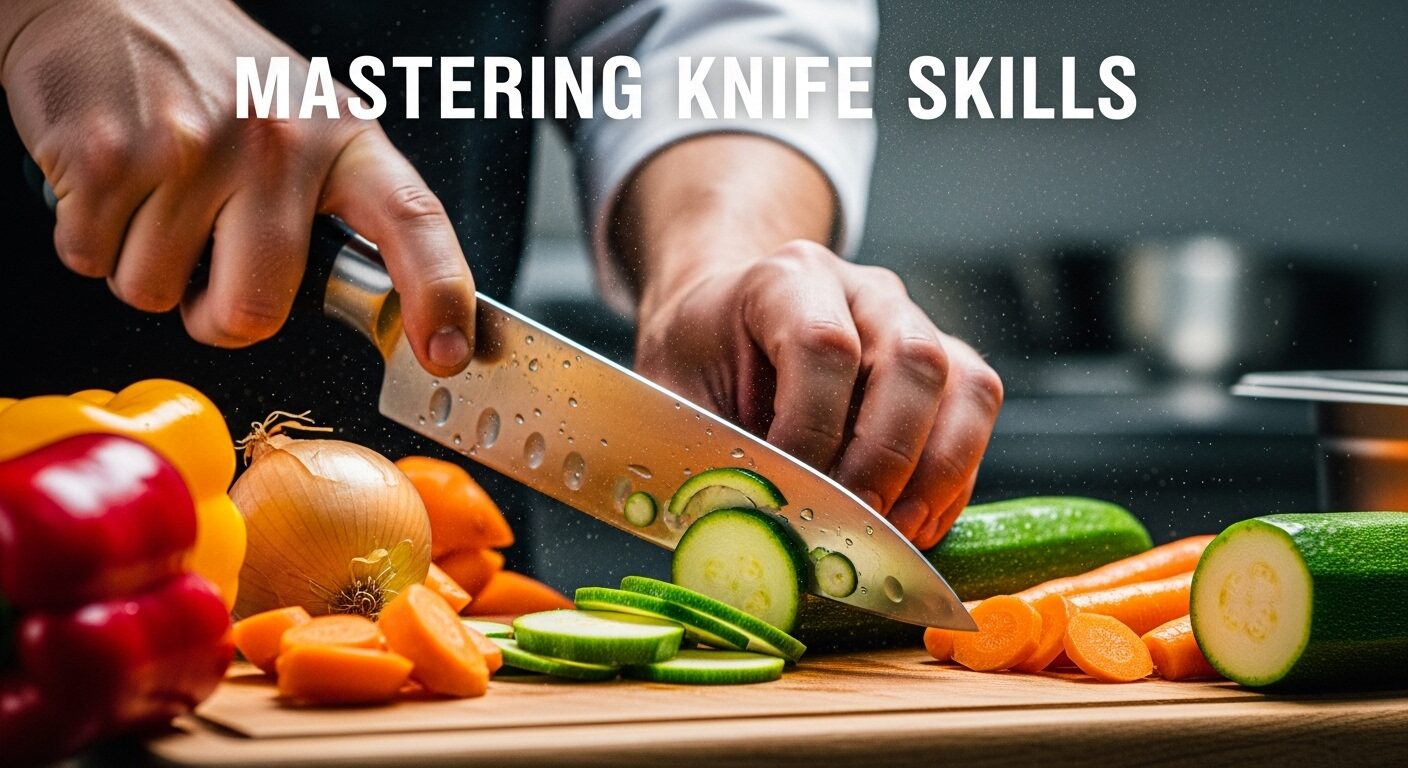
Mastering Knife Skills
Efficient and safe knife skills are indispensable in the kitchen. Learning proper techniques for chopping, dicing, mincing, and slicing not only speeds up preparation but also ensures uniform ingredient sizes, which promotes even cooking. Furthermore, a sharp knife is safer than a dull one, as it requires less force and is less likely to slip. Consequently, investing in a good quality knife and learning how to maintain its sharpness are pivotal steps. There are numerous online tutorials and classes available to help refine these essential skills.
Understanding Heat Management
Controlling heat is a cornerstone of successful cooking. Different ingredients and cooking methods require varying temperatures. For example, searing demands high heat for a crust, while simmering requires gentle, consistent warmth. Therefore, understanding your stovetop and oven’s hot spots and adjusting accordingly is vital. Moreover, preheating your pans and ovens properly ensures that food cooks evenly and to the desired texture. Consequently, patience and observation are key; do not rush the heating process.
Seasoning Like a Pro
Proper seasoning is what transforms good food into great food. It involves more than just adding salt and pepper at the end. Instead, season in layers throughout the cooking process. For instance, season vegetables when sautéing them, meats before searing, and sauces as they reduce. Furthermore, taste your food frequently and adjust seasonings as needed. Remember that salt enhances existing flavors, while herbs and spices add new dimensions. Ultimately, a balanced approach to seasoning is crucial for a harmonious dish.
Advanced Cooking Tips for Elevating Your Dishes
Once you have mastered the basics, these advanced cooking tips will help you take your culinary creations to the next level, adding depth and complexity to your meals.
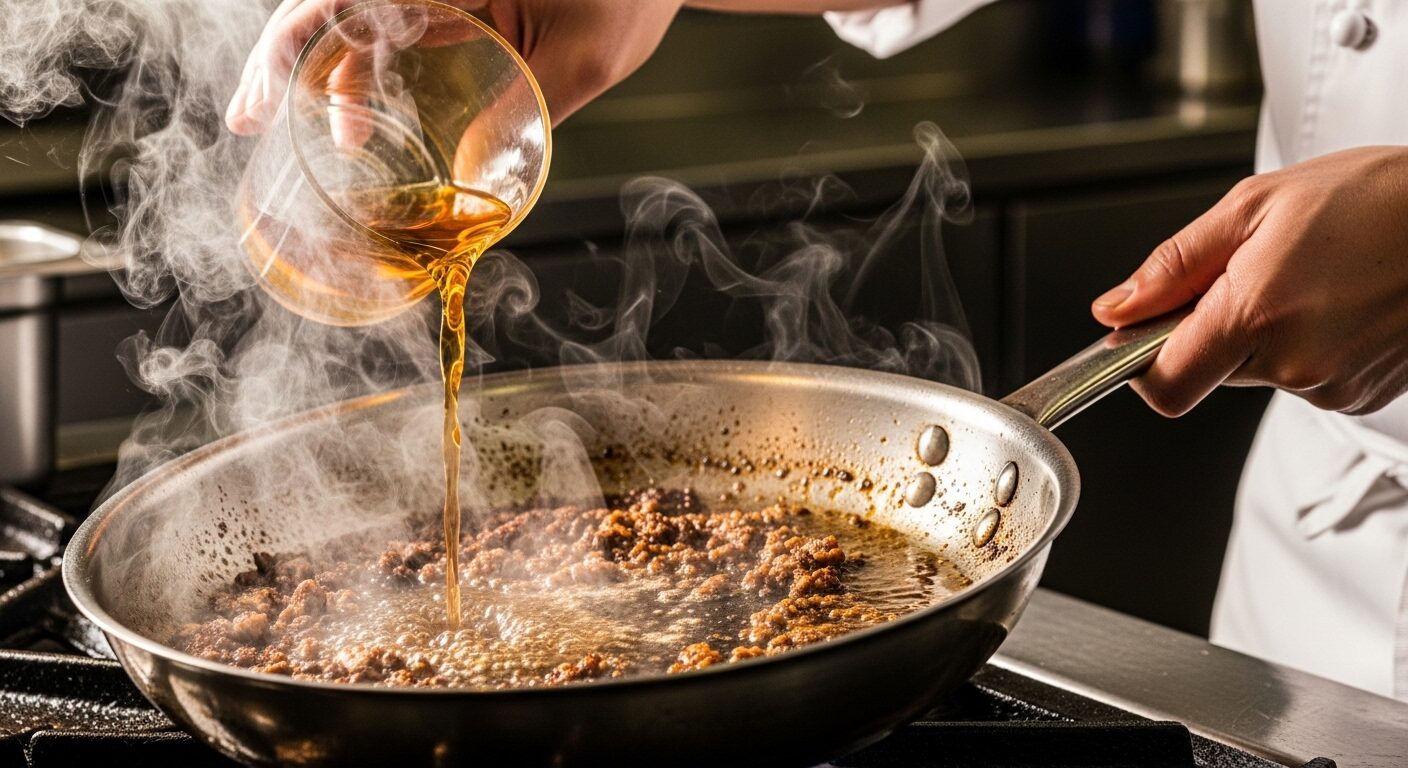
The Art of Deglazing
Deglazing is a technique where liquid (wine, broth, or water) is added to a hot pan after cooking meat or vegetables to loosen browned bits (fond) from the bottom. These flavorful bits are packed with concentrated taste. Consequently, scraping them up and incorporating them into a sauce or gravy dramatically enhances its richness and depth. This simple yet powerful method transforms residual flavors into a delicious component of your dish. Therefore, never discard those browned bits; they are culinary gold.
Brining and Marinating for Flavor
Brining and marinating are excellent ways to infuse flavor and moisture into meats, especially leaner cuts that can dry out easily. Brining involves soaking meat in a saltwater solution, which helps it retain moisture during cooking. Conversely, marinating uses an acidic liquid (like vinegar or citrus juice), oil, and seasonings to tenderize and flavor the meat. Furthermore, both methods require adequate time for the flavors to penetrate, so planning ahead is essential. Ultimately, these techniques yield significantly more tender and flavorful results.
Perfecting Pan Searing
Pan searing creates a beautiful, flavorful crust on meats and some vegetables through the Maillard reaction. To achieve this, ensure your pan is very hot and use an oil with a high smoke point. Do not overcrowd the pan, as this lowers the temperature and steams the food instead of searing it. For instance, cook in batches if necessary. Once a good crust has formed, resist the urge to move the food too soon; allow it to develop. Consequently, flipping only once or twice will yield the best results. This technique is a cornerstone for many delicious dishes.
Baking Basics and Beyond
Baking, often considered a science, requires precision. Accurate measurements are paramount; therefore, using a kitchen scale for dry ingredients is highly recommended. Understanding the role of different ingredients, such as leavening agents (baking soda, baking powder) and fats, is also crucial. Furthermore, avoid overmixing doughs and batters, as this can lead to tough textures. Ultimately, baking success hinges on following recipes closely initially and then understanding the underlying principles to innovate. For instance, learning to adjust for different flours or sugars can open up new possibilities.
Smart Cooking Tips for Time and Resource Management
Effective kitchen management goes beyond just cooking. These cooking tips focus on optimizing your time and resources, making your culinary life more efficient and sustainable.
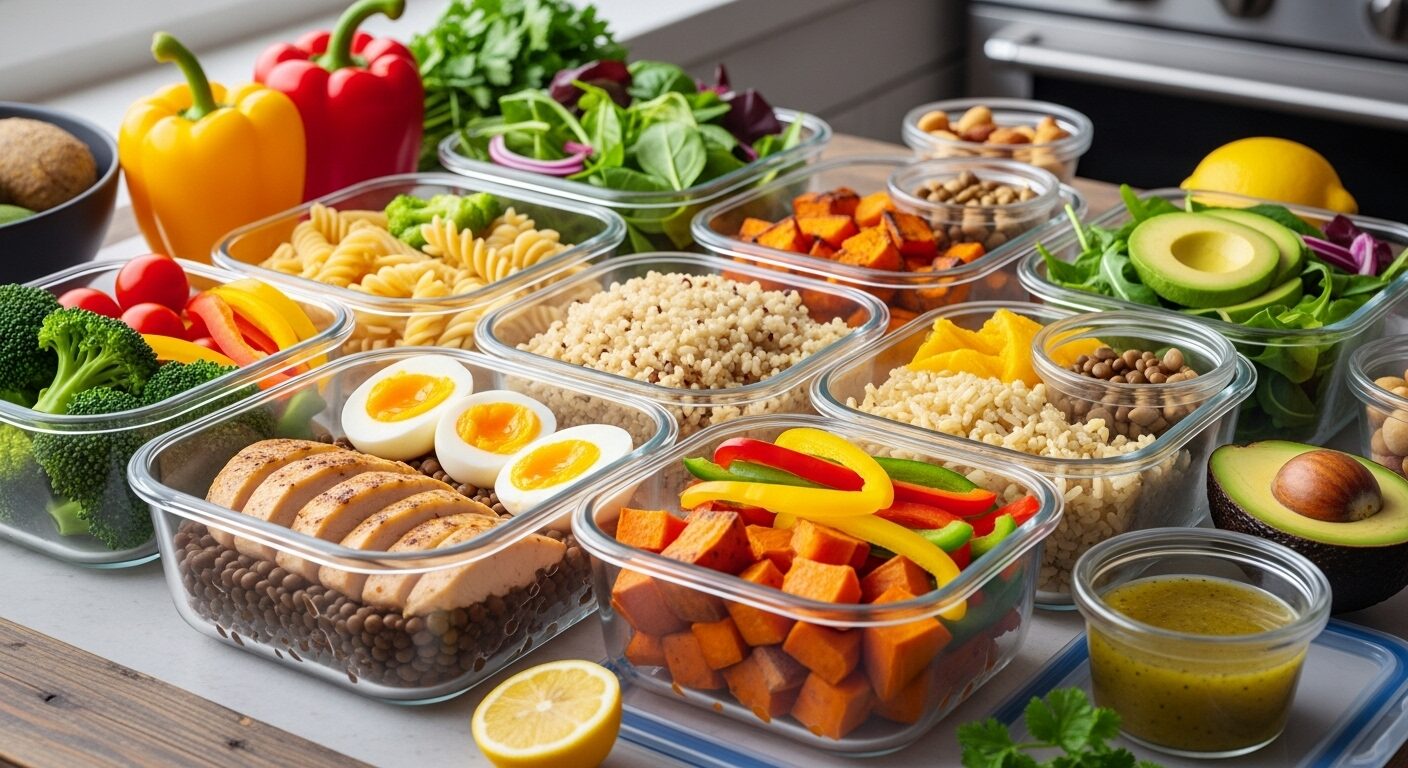
Meal Prepping Strategies
Meal prepping involves preparing ingredients or entire meals in advance for the week ahead. This strategy saves significant time during busy weekdays and helps maintain healthy eating habits. For instance, you can chop vegetables, cook grains, or prepare sauces beforehand. Furthermore, storing prepped items in airtight containers extends their freshness. Consequently, a well-executed meal prep plan reduces the temptation for unhealthy takeout options. Planning your meals effectively is a cornerstone of this approach.
Batch Cooking for Busy Weeks
Batch cooking means preparing large quantities of a single dish or component that can be used in multiple meals throughout the week. For example, cooking a large batch of chicken, rice, or a versatile sauce allows for quick assembly of different meals. This approach is particularly useful for individuals with demanding schedules. Furthermore, freezing portions of batch-cooked meals provides convenient options for future use. Ultimately, batch cooking minimizes cooking frequency while maximizing meal variety.
Ingredient Substitution Hacks
Knowing how to substitute ingredients can save a trip to the grocery store and foster creativity. For instance, if a recipe calls for buttermilk, you can often make a substitute by adding a tablespoon of lemon juice or vinegar to regular milk and letting it sit for a few minutes. Similarly, understanding common spice substitutions can prevent recipe abandonment. However, be mindful of how substitutions might affect the flavor or texture of the final dish. Therefore, always consider the primary role of the ingredient you are replacing.
Reducing Food Waste
Minimizing food waste is both environmentally responsible and economical. Utilize vegetable scraps for homemade broths, repurpose leftovers into new dishes, and properly store ingredients to extend their shelf life. For example, wilted greens can be revived in an ice bath, and overripe fruits are perfect for smoothies or baking. Furthermore, understanding expiration dates and adopting a
Conclusion
Mastering the kitchen is an ongoing journey, and integrating these diverse cooking tips can significantly enhance your culinary skills and enjoyment. From foundational techniques like mise en place and knife skills to advanced methods such as deglazing and brining, each piece of advice contributes to a more confident and creative cooking experience. Furthermore, by adopting smart strategies for time management, reducing food waste, and prioritizing safety, you transform your kitchen into an efficient and inspiring space. Ultimately, continuous learning and practice are key to unlocking your full potential as a home cook, making every meal a delightful achievement.
want to read more visit our other blogs
Big Shoutout to the guys who made this blog happen Asim Ali.
Frequently Asked Questions (FAQ)
Q1: How often should I sharpen my kitchen knives?
A: It is recommended to hone your knife with a steel or ceramic rod before each use to realign the blade. For actual sharpening, which removes a small amount of metal to create a new edge, once every few months is generally sufficient for a home cook, depending on usage. However, if you notice your knife struggling to cut through food cleanly, it’s time for a proper sharpening.
Q2: What is the best way to store fresh herbs to keep them longer?
A: For most delicate herbs like parsley, cilantro, and basil, treat them like a bouquet of flowers. Trim the bottoms of the stems, place them in a glass of water, and cover loosely with a plastic bag before refrigerating. For sturdier herbs like rosemary and thyme, wrap them in a slightly damp paper towel and place them in a sealed plastic bag in the refrigerator. This method helps maintain freshness for up to two weeks.
Q3: Can I substitute dried herbs for fresh herbs in recipes?
A: Yes, you can, but with an adjustment in quantity. Dried herbs are generally more potent than fresh herbs because their flavors are concentrated. As a general rule, use one-third the amount of dried herbs compared to fresh herbs. For instance, if a recipe calls for one tablespoon of fresh parsley, use one teaspoon of dried parsley. Conversely, it’s often best to add dried herbs earlier in the cooking process to allow their flavors to fully develop.