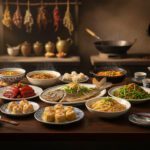
Culinary Journey: Exploring Flavors from Around the World
Embarking on a culinary journey allows you to explore the diverse flavors and aromas that different cultures have to offer. From the spicy street food of Thailand to the rich pastries of France, every dish tells a unique story. Whether you are a seasoned foodie or a curious beginner, this journey opens doors to exciting taste experiences that go beyond your everyday meals.
Moreover, a culinary journey is not just about eating; it’s about understanding the traditions, ingredients, and cooking techniques behind every dish. By trying new recipes and experimenting with international flavors, you can bring a piece of the world into your own kitchen. For instance, learning how to make Italian pasta from scratch or mastering the art of Japanese sushi can transform your cooking skills and broaden your palate.
Additionally, this adventure encourages mindfulness and creativity. As you explore flavors, you start appreciating textures, colors, and combinations that you might have overlooked before. Gradually, your meals become more than sustenance—they become an experience, a story on a plate.
In this article, we will take you on a culinary journey across continents, highlighting signature dishes, essential ingredients, and easy ways to recreate these flavors at home. So, get ready to awaken your senses and embrace a world of taste, one dish at a time.
Exploring Asian Flavors on Your Culinary Journey
Asia is a treasure trove of tastes, textures, and spices that make any culinary journey unforgettable. Countries like Thailand, India, and Japan each offer unique experiences. For instance, Thailand’s street food delights with its combination of sweet, sour, salty, and spicy flavors. Dishes like Pad Thai or Green Curry are not only flavorful but also tell the story of local traditions and ingredients.Culinary Journey
Meanwhile, India introduces complex spice blends that elevate even simple meals. By trying dishes such as Butter Chicken, Biryani, or Masala Dosas, travelers and home cooks alike gain a deeper understanding of Indian culture. Furthermore, Japan emphasizes freshness and presentation, especially with sushi and ramen. A culinary journey through Asia encourages experimentation with flavors and cooking methods, often inspiring home cooks to incorporate bold spices and delicate techniques into their own kitchens.
European Delights in Your Culinary Journey
Europe has long been celebrated for its rich culinary history, offering flavors that are both comforting and refined. From the buttery croissants of France to the hearty pastas of Italy, a culinary journey across Europe immerses you in centuries of tradition. Italian cuisine, for example, emphasizes simplicity with fresh ingredients like olive oil, tomatoes, and basil, yet each dish carries incredible depth.
In France, desserts such as macarons, crème brûlée, and tarts are more than sweets—they are art forms. Traveling through Europe allows food lovers to taste regional specialties, understand cultural influences, and appreciate the craft behind each meal. This part of the journey encourages savoring meals slowly, pairing flavors intentionally, and learning the stories behind the recipes.
The Vibrant Tastes of the Americas on Your Culinary Journey
From North to South America, the culinary landscape is vibrant, diverse, and deeply rooted in tradition. Mexican cuisine, for instance, combines fresh herbs, chilies, and corn to create iconic dishes like tacos, enchiladas, and mole sauces. A culinary journey through Mexico is not only about flavor—it’s about celebrating heritage and communal eating.
Meanwhile, South American countries such as Peru and Brazil offer unique experiences. Peruvian cuisine highlights native ingredients like quinoa and potatoes in dishes such as Ceviche, while Brazilian food is rich with barbecued meats, tropical fruits, and aromatic spices. By exploring these flavors, travelers and food enthusiasts develop a broader appreciation for regional diversity and the creative ways local ingredients are used.
Middle Eastern Flavors in Your Culinary Journey
The Middle East adds a distinct dimension to a culinary journey, with its aromatic spices, savory dishes, and sweet desserts. Countries like Lebanon, Turkey, and Morocco are famous for their use of herbs, nuts, and slow-cooked meats. Dishes such as kebabs, hummus, falafel, and tagines demonstrate how spices and preparation methods define regional flavors.
Moreover, Middle Eastern cuisine often reflects centuries of trade and cultural exchange. By tasting these dishes, a food lover experiences history on a plate. From fragrant rosewater desserts to smoky grilled meats, incorporating Middle Eastern flavors into your cooking can make your culinary journey richer, more diverse, and more memorable.
Discovering African Culinary Treasures
Africa is a continent full of diverse flavors and cooking traditions, ranging from the rich stews of West Africa to the spicy dishes of North Africa. Moroccan tagines, with their slow-cooked meats, dried fruits, and aromatic spices, offer a taste of centuries-old culinary techniques. In Ethiopia, injera paired with spicy lentil stews creates a unique communal dining experience that emphasizes sharing and connection.Culinary Journey
Furthermore, West African dishes such as jollof rice and suya highlight bold spices and vibrant ingredients that energize the palate. Exploring African foods allows home cooks and travelers to experiment with new spices, grains, and preparation methods, expanding their culinary repertoire while learning about cultural history and traditions.
Oceania’s Fresh and Natural Flavors
Oceania, including countries like Australia, New Zealand, and the Pacific Islands, is known for its use of fresh, high-quality ingredients and simple preparation techniques. Seafood plays a central role in many meals, from succulent grilled fish in New Zealand to tropical seafood dishes in Fiji. Local fruits, such as passion fruit, mango, and coconut, add a natural sweetness to both savory and sweet dishes.
Additionally, the cuisine of Oceania emphasizes sustainability and connection to nature. By using seasonal and local ingredients, cooks can recreate authentic flavors while promoting environmentally conscious eating. These techniques encourage creativity in the kitchen and help home chefs develop a deeper appreciation for the source of their ingredients.Culinary Journey
Incorporating Global Flavors at Home
Bringing international flavors into your own kitchen can be exciting and rewarding. Start by experimenting with herbs, spices, and cooking techniques from different regions. Simple adjustments, like adding cumin to roasted vegetables or using fresh herbs in sauces, can transform ordinary dishes into extraordinary ones.
Moreover, preparing meals from different cultures encourages mindfulness and creativity. You learn to appreciate textures, balance flavors, and combine ingredients in new ways. Hosting themed dinners or cooking alongside friends and family can make the experience even more enjoyable, turning ordinary meals into culinary adventures.
The Joy of Food Exploration
Exploring diverse cuisines also builds cultural understanding and empathy. Each dish tells a story about its people, their environment, and their traditions. By tasting dishes from around the world, you not only expand your palate but also gain insight into lifestyles and customs that are different from your own.
This sense of discovery makes every meal more meaningful. Cooking and tasting new dishes can become a joyful journey in itself, sparking curiosity, creativity, and a lifelong appreciation for food in all its forms.
Essential Ingredients for Global Cooking
Cooking dishes from different cultures often requires a variety of unique ingredients. Staples such as fresh herbs, exotic spices, specialty oils, and grains can make a significant difference in replicating authentic flavors. For instance, saffron adds a subtle aroma to Mediterranean dishes, while coconut milk enriches Southeast Asian curries.
Moreover, experimenting with these ingredients encourages creativity in the kitchen. You can combine flavors in new ways, substitute local products when needed, and gradually build confidence in preparing complex recipes. Even simple additions, like freshly chopped cilantro or a squeeze of lime, can elevate everyday meals to something extraordinary.Culinary Journey
Cooking Techniques to Enhance Flavor
Beyond ingredients, mastering cooking techniques can transform ordinary dishes into memorable experiences. Methods such as slow roasting, steaming, sautéing, and marinating highlight the natural tastes of ingredients while maintaining their textures. For example, lightly searing fish keeps it tender inside while adding a crispy exterior, and slow-cooked stews deepen flavors over time.
Additionally, paying attention to timing and temperature can dramatically change results. Roasting vegetables at high heat caramelizes natural sugars, while gently simmering soups allows spices to infuse fully. By learning and practicing these techniques, home cooks can confidently recreate dishes inspired by global cuisines.
Pairing Flavors and Balancing Meals
One key aspect of international cooking is understanding how to pair flavors effectively. Combining sweet, salty, sour, and umami elements in a dish creates depth and satisfaction. For instance, pairing tangy citrus with rich meats or balancing spicy sauces with cooling dairy can enhance the overall dining experience.
Furthermore, thinking about color, texture, and presentation makes meals visually appealing. Crunchy toppings, fresh garnishes, and vibrant sauces not only please the eye but also provide varied sensations in each bite. Balancing meals in this way ensures a more enjoyable and memorable experience for both cooks and diners.Culinary Journey
Sharing Food as an Experience
Cooking and tasting international dishes is more than just about flavors—it’s about connection. Preparing meals for family and friends encourages sharing, storytelling, and learning together. Hosting themed dinners or potluck nights centered on global cuisine can spark curiosity, conversation, and appreciation for different cultures.
Additionally, sharing dishes with others allows you to celebrate creativity and experimentation. Guests often bring their own twists to recipes, creating a collaborative and dynamic environment. Over time, these experiences build not just culinary skills but also meaningful memories around the dining table.
Conclusion
Embarking on a culinary journey opens the door to flavors, cultures, and traditions from around the world. By exploring dishes from Asia, Europe, Africa, the Americas, and Oceania, you not only expand your palate but also gain a deeper appreciation for the stories behind each recipe. From trying new ingredients and cooking techniques to sharing meals with friends and family, this adventure transforms everyday dining into a memorable experience.
Whether you are cooking at home or sampling dishes while traveling, a culinary journey is about curiosity, creativity, and connection. It encourages you to experiment, savor, and celebrate the diversity of food. Ultimately, the journey continues each time you try a new recipe, taste an unfamiliar flavor, or share a dish with others, making every meal an exciting adventure.Culinary Journey.
Want to read more Famous Food about click here
Big Shoutout to the guys who made this blog happen UDM
FAQs
1. What is a culinary journey?
A culinary journey is the experience of exploring different cuisines, flavors, and cooking traditions from around the world. It can be done through travel, home cooking, or tasting new dishes in restaurants.
2. How can I start my own culinary journey at home?
Begin by trying recipes from various cultures, experimenting with unique ingredients, and learning cooking techniques from around the world. Start small and gradually expand your repertoire for a rewarding experience.
3. Why is a culinary journey important for food lovers?
A culinary journey broadens your taste, enhances your cooking skills, and helps you appreciate cultural diversity. It turns everyday meals into exciting learning experiences and memorable moments.
- https://famousfoodblog.com/sehri-food-ideas-energize-your-fast-with-nutritious-meals/
- https://famousfoodblog.com/spicy-snacks-ignite-your-taste-buds-with-fiery-delights/
- https://famousfoodblog.com/ramadan-recipes-delicious-nutritious-meals-for-iftar-suhoor/
- https://famousfoodblog.com/restaurant-style-recipes-elevate-your-home-cooking/
- https://famousfoodblog.com/maruchan-ramen-recipes-elevate-your-instant-noodles/