Dairy-free Recipes: A Comprehensive Guide to Nutritious and Delicious Eating
The culinary landscape has undergone a significant transformation in recent years, with a growing number of individuals seeking out dairy-free recipes. Whether driven by lactose intolerance, milk allergies, ethical considerations, or a general desire for a plant-based lifestyle, the move away from dairy is no longer a niche dietary restriction but a mainstream culinary movement. Transitioning to a dairy-free diet does not mean sacrificing flavor, texture, or the joy of eating. In fact, exploring dairy-free recipes often opens up a world of diverse ingredients and creative cooking techniques that can enhance your overall gastronomic experience.
The Rise of Dairy-Free Living
Modern dietary habits are shifting as more people become aware of how dairy affects their bodies. For those with lactose intolerance, the inability to digest milk sugars can lead to significant digestive discomfort. Others may choose to avoid dairy due to skin issues, respiratory concerns, or inflammatory responses. Furthermore, the environmental impact of dairy farming and concerns regarding animal welfare have prompted many to look for alternatives.
The beauty of modern dairy-free recipes is that they cater to all these needs while maintaining the high standards of professional-grade cooking. From creamy sauces made with cashews to decadent desserts powered by coconut milk, the possibilities are virtually limitless.
Essential Substitutes for Dairy-Free Cooking
To master dairy-free recipes, one must first understand the array of substitutes available. The goal is not just to replace dairy but to find ingredients that mimic its functional properties in cooking and baking.
Plant-Based Milks
Milk is perhaps the easiest ingredient to substitute. Almond milk offers a light, nutty flavor perfect for cereal and smoothies. Soy milk is a high-protein option that performs similarly to cow’s milk in baking. Oat milk has gained immense popularity for its creamy consistency, making it the gold standard for coffee and lattes. For richer applications, cashew milk provides a velvety texture that is excellent for cream-based soups and sauces.
Butter Alternatives
In baking and sautéing, butter provides fat and flavor. High-quality vegan butters, often made from blends of oils like olive, coconut, or avocado, can be swapped at a 1:1 ratio. For a more whole-food approach, refined coconut oil provides a solid fat structure at room temperature, while applesauce or mashed bananas can sometimes replace butter in specific baking contexts to reduce fat content.
Cheese Replacements
Cheese is often the hardest element to replace in dairy-free recipes. However, nutritional yeast is a secret weapon for many cooks, offering a savory, nutty, and cheesy flavor profile. For texture, cashew-based “cheeses” can be fermented or blended to create everything from spreadable ricotta to firm blocks. For melting, many commercial dairy-free cheeses utilize potato or corn starch to achieve that sought-after stretch.
Breakfast: Starting Your Day Without Dairy
Breakfast is often a dairy-heavy meal, but dairy-free recipes can be just as satisfying. Consider a classic overnight oats preparation using chia seeds and almond milk, topped with fresh berries and hemp hearts. For a savory start, a tofu scramble seasoned with turmeric, nutritional yeast, and sautéed vegetables provides a protein-packed alternative that pairs perfectly with avocado toast on sourdough bread.
Lunch: Quick and Energizing Dairy-Free Meals
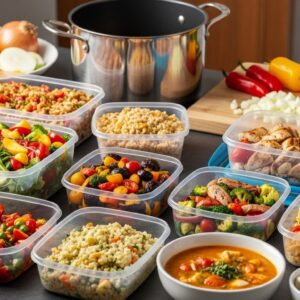
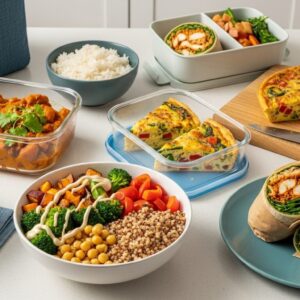
Lunch should be vibrant and sustaining. Dairy-free recipes for lunch often lean into the freshness of Mediterranean or Asian cuisines. A quinoa salad with roasted chickpeas, cucumber, cherry tomatoes, and a lemon-tahini dressing offers a balance of protein and healthy fats.
Wraps are another excellent option. Use a large collard green leaf or a gluten-free tortilla filled with hummus, shredded carrots, bell peppers, and grilled tempeh.
Dinner: Hearty and Satisfying Main Courses
When assembling the evening meal, dairy-free recipes can truly shine as the centerpiece of the table.
Snacks and Appetizers: Light Bites for Any Time
Snacking is an area where dairy-free recipes are incredibly diverse. Homemade hummus or baba ganoush served with raw vegetable batons or seed crackers are nutritious staples.
Stuffed mushrooms with a filling of walnuts, herbs, and breadcrumbs also make for an elegant dairy-free starter for dinner parties.
Desserts: Sweet Treats Without the Cream
Ending a meal on a sweet note is easy with dairy-free recipes.
Dairy-free recipes
To excel at dairy-free recipes, it is important to read labels carefully, as dairy can hide in unexpected places like bread, processed meats, and salad dressings. Experimenting with different plant milks is also key, as their flavors and behaviors vary significantly.
Conclusion
Embracing dairy-free recipes is a journey toward discovering new flavors while prioritizing health and sustainability. Whether you are fully committing to a dairy-free lifestyle or simply looking to incorporate more plant-based meals into your routine, the abundance of alternatives available today makes it easier than ever.
By understanding how to use substitutes effectively and focusing on whole, nutrient-dense ingredients, you can create meals that are not only free from dairy but also rich in taste and creativity. Start with small changes, experiment with different textures, and enjoy the vibrant world of dairy-free cooking.
Want to read more Famous Food about click here
Big Shoutout to the guys who made this blog happen UDM
Frequently Asked Questions (FAQ)
What are the best dairy-free substitutes for baking?
For most baking needs, soy milk or oat milk work best as a 1:1 replacement for cow’s milk due to their protein and fat content. For butter, you can use coconut oil or high-quality vegan butter sticks. If a recipe calls for buttermilk, simply add a teaspoon of apple cider vinegar or lemon juice to a cup of plant milk and let it sit for five minutes.
Can I get enough calcium from dairy-free recipes?
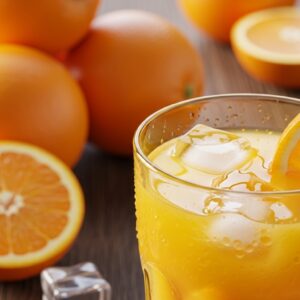
Yes, many dairy-free recipes are naturally high in calcium or use fortified ingredients. Leafy greens like kale and bok choy, broccoli, almonds, chia seeds, and fortified plant milks or orange juices are excellent sources of calcium. A balanced dairy-free diet can easily meet your daily nutritional requirements.
Are dairy-free recipes necessarily vegan?
Not necessarily. While all vegan recipes are dairy-free, a dairy-free recipe might still include animal products like eggs, honey, meat, or fish.