Finding the Best Easy and Healthy Pakistani Snacks for kids can sometimes feel like a challenge. Children love flavorful food, but parents often look for something that’s both delicious and nutritious. Pakistani cuisine offers a wonderful variety of snacks that perfectly balance taste and health. From crispy chickpea fritters to light fruit chaat, there’s always something exciting to make at home.
In every region of Pakistan, families enjoy local snacks that can easily be made kid-friendly. For example, instead of deep-frying, you can try baking or air-frying many traditional favorites. This simple change helps keep the food light and healthy without losing its authentic taste. Moreover, using fresh vegetables, whole grains, and natural spices adds both nutrition and vibrant color to your child’s plate.
These Best Easy and Healthy Pakistani Snacks aren’t just for after-school hunger; they’re also perfect for lunchboxes, picnics, or family gatherings. With a little creativity, you can turn regular street-style treats into healthy homemade bites. Above all, these snacks connect children to their roots while encouraging better eating habits.
In this article, we’ll explore how to prepare the Best Easy and Healthy Pakistani Snacks that bring together tradition, health, and happiness — all in one bite.
1. Why Healthy Snacks Matter for Kids
Children need energy to play, learn, and grow. However, most kids prefer quick, tasty snacks that may not always be healthy. That’s why finding the Best Easy and Healthy Pakistani Snacks is so important. These snacks provide balanced nutrition while keeping the fun and flavor alive.
Pakistani cuisine is full of options that can easily be adapted for young eaters. With a few changes—like using less oil, choosing whole ingredients, and avoiding artificial flavors—you can create delicious versions of classic dishes. Moreover, healthy snacks help children stay active and focused throughout the day. They reduce cravings for junk food and make mealtime more exciting.
2. Reimagining Traditional Pakistani Snacks
Traditional snacks like samosas, pakoras, and parathas are loved across Pakistan. But they are often deep-fried and heavy. To make them more suitable for children, small adjustments can make a big difference.
For example, instead of frying samosas, try baking them. Use a whole wheat wrapper and fill it with mashed potatoes, peas, and a hint of cumin. This method keeps the flavor but cuts down on oil. Similarly, pakoras can be made with chickpea flour and air-fried to perfection. They stay crisp, light, and easy on the stomach.
In addition, snacks like fruit chaat or dahi baray can be turned into healthier versions. Use plain yogurt, sprinkle roasted cumin, and add fresh seasonal fruits or vegetables. These traditional options don’t lose their authentic taste; they simply become more balanced and nutritious for growing kids.
3. Nutritional Balance in Every Bite
The Best Easy and Healthy Pakistani Snacks combine taste with good nutrition. It’s essential to ensure that kids receive protein, fiber, vitamins, and minerals in their daily meals.
For protein, lentils, chickpeas, and eggs are great sources. Lentil fritters, for instance, can be shallow-fried or baked, offering crunch and nourishment at once. For fiber, include vegetables like carrots, spinach, and peas in your snacks. Even parathas can hide healthy fillings — mashed sweet potatoes or chopped spinach make excellent choices.
Furthermore, using healthy oils such as olive oil or mustard oil in small amounts can enhance both the flavor and the nutritional profile. Avoid processed sauces; instead, use homemade chutneys made with mint, tamarind, or yogurt to add taste naturally.
4. Simple Homemade Snack Ideas
Here are a few examples of easy-to-make snacks that your kids will enjoy while staying healthy:
Mini Vegetable Parathas
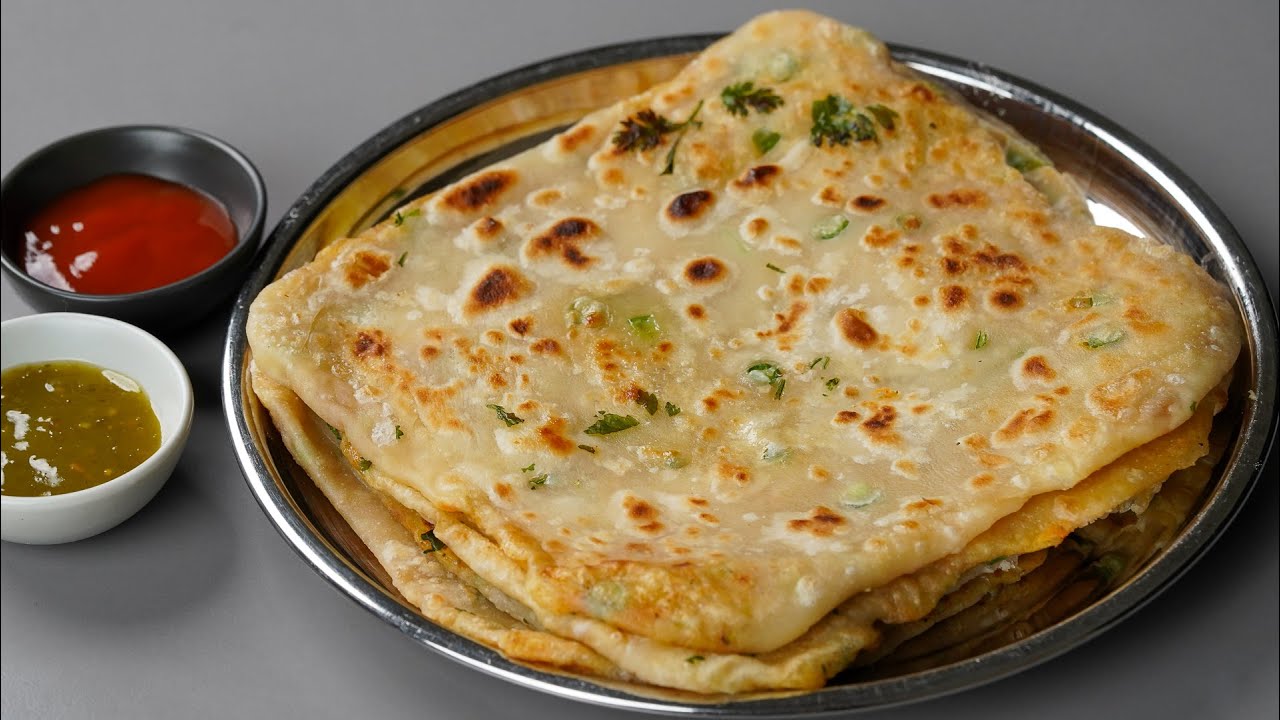
Whole wheat dough filled with mashed vegetables like potatoes, spinach, or carrots makes a nutritious snack. Instead of frying, cook them on a non-stick pan with just a drop of oil. Serve with a mild yogurt dip for a balanced meal.
Chickpea Salad Cups
Boil chickpeas, add diced tomatoes, cucumbers, onions, and a pinch of salt with lemon juice. Mix it all and serve in small cups. This snack is high in protein, rich in fiber, and keeps kids full for longer.
Fruit Chaat with a Twist
Combine apples, bananas, pomegranate seeds, and oranges with a touch of honey and roasted cumin powder. It’s refreshing, colorful, and naturally sweet—perfect for young taste buds.
Baked Potato Samosas

Prepare samosas using a light wheat wrapper, fill with spiced mashed potatoes and peas, and bake until golden. These are crunchy yet guilt-free, offering the same satisfaction as traditional fried ones.
Oat and Date Energy Balls
Blend oats, dates, and crushed nuts into small balls. They’re sweet, healthy, and energy-packed—ideal for school breaks or after-play snacks.
5. Tips to Make Snacks Healthier
Creating the Best Easy and Healthy Pakistani Snacks doesn’t require complicated techniques. A few simple steps can help you make your child’s snacks better every day:
-
Choose baking over frying. This reduces unnecessary fat while keeping the texture crisp.
-
Use whole ingredients. Whole wheat, brown rice, or lentil flour make a big difference in nutrition.
-
Add color with vegetables. Kids love bright, colorful food—carrots, spinach, and beetroot make snacks more appealing.
-
Limit salt and sugar. Instead, add flavor with herbs, spices, and lemon.
-
Involve kids in preparation. When children help in the kitchen, they’re more likely to enjoy eating what they make.
These small habits turn daily snacks into healthy experiences filled with fun and learning.
6. Making Local Street Snacks Kid-Friendly
Street food is a big part of Pakistani culture. From gol gappas to bun kebabs, every city has its favorites. But street food often uses heavy oils and spices, which aren’t ideal for kids. You can still bring that excitement home with a healthier touch.
Try mini bun kebabs made with grilled chicken or lentil patties instead of fried ones. Use whole-grain buns and fresh lettuce to add fiber. For gol gappa, make the puris with whole wheat and serve them with boiled potatoes, chickpeas, and yogurt sauce instead of spicy tamarind water.
Kids love the crunch and fun of eating these snacks. By making them at home, you control the ingredients while keeping the authentic local flavor alive.
7. The Role of Presentation in Kids’ Snacks
Children eat with their eyes first. A meal that looks fun instantly attracts them. Arrange colorful snacks in small plates, use cookie cutters for creative shapes, and mix different textures—crunchy, soft, and juicy.
For instance, serve fruit chaat in small cups with toothpicks, or cut sandwiches into stars and hearts. When healthy food looks exciting, children are more likely to enjoy every bite.
The Best Easy and Healthy Pakistani Snacks should not only taste great but also bring joy to the table. Combining good presentation with flavor helps build long-term healthy eating habits.
8. Importance of Fresh Ingredients
The freshness of ingredients is the key to healthy cooking. Always use seasonal produce for your snacks—it’s more nutritious and flavorful. Fresh fruits, vegetables, and grains ensure better texture and natural sweetness.
Avoid processed ingredients and packaged snacks with preservatives. Instead, buy local products from the market or use what’s available in your kitchen garden. These simple choices make your food safer and healthier for kids.
Moreover, teaching children about fresh ingredients helps them appreciate natural flavors from a young age. It connects them to local food traditions and encourages mindful eating.
9. Encouraging Kids to Eat Local
One of the best ways to help children develop a healthy relationship with food is by introducing them to local dishes early on. The Best Easy and Healthy Pakistani Snacks do exactly that—they combine local flavors with nutritious elements.
Explain where each snack comes from or share a fun story about its origin. When kids feel connected to their culture, they become more open to trying new dishes. For example, explain how samosas are enjoyed across South Asia or how chickpeas are part of every regional cuisine.
This cultural link builds pride and curiosity, turning mealtime into a moment of learning and joy.
10. Adapting Recipes for Modern Lifestyles
Modern parents often have busy schedules, which can make snack preparation difficult. Luckily, most Pakistani snacks are flexible and can be made in advance.
You can prepare fillings, dough, or salad bases earlier and store them in the refrigerator. When needed, assemble and cook within minutes. For example, samosa fillings or chickpea salads can be kept fresh for up to two days.
Batch cooking is another great option. Prepare several snacks over the weekend, freeze them, and reheat as required. This approach saves time while ensuring your kids always have access to the Best Easy and Healthy Pakistani Snacks even on busy weekdays.
11. Smart Snack Planning for Busy Parents
In today’s fast-paced life, planning ahead makes all the difference. Parents often struggle to balance work, school, and meal times. That’s where smart planning for the Best Easy and Healthy Pakistani Snacks can save both time and energy.
Start by creating a weekly snack schedule. Include two to three quick recipes that can be prepared in advance and stored easily. For example, baked samosas or oat balls can stay fresh for several days. You can also chop fruits or vegetables the night before to make morning routines easier.
Another helpful idea is to prepare snack boxes. Divide ingredients like chickpeas, fruit, or yogurt into small containers. This makes it simple for kids to grab their snacks when hungry. Planning also prevents last-minute unhealthy food choices, keeping your child’s diet more balanced throughout the week.
12. The Role of School Lunchboxes
School lunchboxes are more than just containers of food — they represent a child’s daily energy source. Including the Best Easy and Healthy Pakistani Snacks in lunchboxes can make school days more enjoyable and nutritious.
Instead of giving the same food every day, try adding variety. For example, alternate between vegetable parathas, fruit chaat, or chickpea salad cups. Small portions of nuts or yogurt-based dips can also make lunch more complete.
In addition, presentation matters here too. Pack colorful foods in small sections, using fun shapes or containers. When children open their lunchbox to find something exciting, they eat more willingly. This not only reduces food waste but also helps them enjoy nutritious meals without pressure.
13. Combining Taste with Nutrition
The secret behind the Best Easy and Healthy Pakistani Snacks lies in the perfect mix of flavor and nutrition. While parents want their kids to eat healthy food, children usually focus on taste. The best approach is to blend both goals together.
For instance, use mild spices instead of completely removing flavor. Add lemon juice, roasted cumin, or fresh herbs to make snacks tasty yet gentle on the stomach. Similarly, replace sugar-filled drinks with fresh juices, smoothies, or flavored water using mint and citrus.
Balance every meal by including all major food groups: grains, protein, fruits, and vegetables. This way, each snack provides energy, improves immunity, and supports growth. The key is not to eliminate favorite foods but to improve them step by step.
14. Seasonal Snack Ideas from Across Pakistan
Pakistan’s diverse seasons bring a variety of fresh ingredients. By using local produce, you can easily prepare the Best Easy and Healthy Pakistani Snacks all year round.
During summer, focus on light and cooling snacks. Fruit chaats, yogurt smoothies, and cucumber sandwiches keep kids refreshed. Add mint or lemon for extra flavor.
In winter, choose warm and comforting options like baked sweet potato fries, roasted chickpeas, or vegetable soups. These snacks provide energy and warmth on cold days.
In the monsoon season, light snacks like corn chaat, boiled eggs, or lentil fritters are perfect. They are easy to digest and packed with nutrients. Each season offers a chance to teach kids about local ingredients and the importance of eating fresh, timely foods.
15. Involving Kids in the Kitchen
Cooking with children can be both educational and enjoyable. When kids help prepare their meals, they feel proud and become more open to trying new flavors. Invite them to participate in making the Best Easy and Healthy Pakistani Snacks at home.
You can start with small tasks like mixing ingredients, rolling dough, or arranging fruit. As they grow, teach them simple cooking techniques like baking or blending. This not only strengthens family bonds but also develops valuable life skills.
Moreover, children who cook are more likely to make healthier food choices later in life. They understand what goes into their meals and learn to appreciate natural, wholesome food instead of processed snacks.
16. Modern Twists to Traditional Flavors
Modernizing old recipes keeps traditional cuisine exciting. Parents can give familiar dishes a healthy makeover without losing the taste kids love. For example, replace white flour with multigrain flour for parathas or use yogurt dips instead of creamy sauces.
Mini kebab wraps made with grilled chicken and whole-grain bread are another smart idea. Similarly, lentil burgers or vegetable rolls can be a nutritious substitute for processed fast food. These innovative changes make the Best Easy and Healthy Pakistani Snacks both fun and practical for today’s families.
When kids realize that healthy food can also be tasty, they begin to crave homemade meals more than packaged snacks. Slowly, these habits build a foundation for lifelong wellness.
17. How to Store and Preserve Homemade Snacks
Homemade snacks are best enjoyed fresh, but proper storage helps extend their life. Always cool the food before placing it in airtight containers. Store dry items like baked samosas or oat balls at room temperature for a day or two.
For wet snacks, such as yogurt dips or fruit salads, use glass containers and refrigerate them immediately. When you plan to serve them later, take them out 15–20 minutes before eating. This preserves flavor and freshness.
Freezing also works for some recipes. Items like kebab patties or paratha dough can be frozen and used within a week. This makes it easier to prepare the Best Easy and Healthy Pakistani Snacks anytime, even during busy mornings.
18. Encouraging Mindful Eating Habits
Mindful eating is an essential part of a healthy lifestyle. It teaches children to enjoy food slowly and recognize when they feel full. When serving the Best Easy and Healthy Pakistani Snacks, create a calm environment without distractions like screens.
Encourage kids to focus on the colors, smells, and textures of their food. Ask them what they like about the taste or what ingredients they can recognize. This helps them build awareness and appreciation for what they eat.
Mindful eating also reduces overeating and improves digestion. As children learn to listen to their bodies, they develop healthier habits that last a lifetime.
19. The Joy of Sharing Local Snacks
Food brings people together, and sharing local snacks makes every moment special. Encourage kids to share homemade snacks with friends at school or family gatherings. It’s a fun way to promote healthy eating among their peers too.
When children proudly share the Best Easy and Healthy Pakistani Snacks they helped prepare, it gives them confidence and happiness. It also spreads awareness about healthy local food traditions. Whether it’s fruit chaat at a picnic or baked samosas at a party, these small acts build community and connection through food.
20. Cultural Importance of Local Snacks
Every country’s food reflects its culture, and Pakistan’s snacks are a beautiful part of that heritage. The Best Easy and Healthy Pakistani Snacks not only satisfy hunger but also carry stories from generations. When we pass down traditional recipes in lighter, healthier forms, we keep our culture alive while supporting modern lifestyles.
Cooking these snacks at home also connects children to their roots. They learn that local food can be both healthy and delicious. Whether it is a baked samosa inspired by a grandmother’s recipe or a modern version of fruit chaat, each dish holds meaning. Through food, families preserve traditions and create new memories together.
21. Sustainability and Healthy Choices
Another benefit of preparing the Best Easy and Healthy Pakistani Snacks is sustainability. Homemade snacks reduce plastic packaging, food waste, and unhealthy additives. By buying fresh produce from local markets, families support small farmers and promote an eco-friendly food culture.
Simple choices like using seasonal fruits, minimizing frying oil, and avoiding processed sugar contribute to a cleaner lifestyle. When parents teach these habits, children grow up understanding the value of mindful eating and responsible living. This sustainable approach not only benefits personal health but also helps the environment.
22. Family Bonding Through Food
Cooking and sharing snacks together is one of the best ways to strengthen family relationships. When parents and kids work side by side in the kitchen, they learn teamwork, creativity, and patience. Preparing the Best Easy and Healthy Pakistani Snacks becomes more than a task—it turns into quality family time.
Children often remember the laughter, smells, and small moments shared while cooking. These memories shape their relationship with food and family. Even simple routines like making lunchboxes or baking snacks for weekends help families stay connected in a warm, meaningful way.
23. The Future of Healthy Pakistani Snacks
As lifestyles change, food habits evolve too. The future of the Best Easy and Healthy Pakistani Snacks lies in combining tradition with modern nutrition. By experimenting with local ingredients, reducing oil, and choosing lighter cooking techniques, families can preserve heritage while embracing healthier living.
Pakistan’s cuisine offers endless inspiration. From lentil kebabs to vegetable rolls, there are countless possibilities for creating flavorful, balanced snacks. As more people adopt this healthy approach, the next generation will enjoy authentic tastes without compromising on well-being.
Frequently Asked Questions (FAQs)
1. What makes a Pakistani snack healthy for kids?
A snack becomes healthy when it includes fresh ingredients, less oil, whole grains, and natural spices instead of processed ones. Balanced nutrition and light cooking make it suitable for children.
2. Can traditional snacks like samosas be made healthier?
Yes. You can bake or air-fry samosas using whole wheat wrappers and vegetable fillings to reduce fat and increase fiber.
3. How often should kids eat snacks during the day?
Children should have two light snacks between main meals to maintain energy and focus without overeating.
4. What are some quick Pakistani snacks for school lunchboxes?
Mini parathas, fruit chaat, chickpea salad cups, and baked kebab rolls are great options for lunchboxes.
5. Are sweet snacks unhealthy for children?
Not always. Natural sweeteners like honey or dates make snacks healthy when used in moderation. Oat and date balls are a good example.
6. How can I encourage my child to eat more healthy snacks?
Involve them in cooking, use fun shapes and colors, and explain the benefits of fresh food. Kids enjoy what they help create.
7. What oil is best for making healthy Pakistani snacks?
Olive oil, mustard oil, or sunflower oil in small quantities are healthier choices compared to refined oils.
8. Can I prepare healthy snacks in advance?
Yes. Many snacks like baked samosas, lentil patties, and energy balls can be prepared and stored for several days.
9. What are some healthy drinks to serve with snacks?
Fresh juices, milkshakes, lassi, or mint lemonade are nutritious and complement snacks perfectly.
10. Why is it important to include local snacks in a child’s diet?
Local snacks teach children about their culture and promote the use of fresh, seasonal ingredients that are better for health and the environment.
Conclusion
The journey to finding the Best Easy and Healthy Pakistani Snacks begins at home. With a little creativity and care, parents can turn everyday ingredients into delicious, nutritious bites that kids truly enjoy. By baking instead of frying, using whole grains, and adding colorful vegetables, traditional snacks can easily become balanced meals.
These healthy versions not only support a child’s growth but also strengthen family traditions and cultural connections. When children develop a love for local flavors early, they grow into adults who appreciate real, wholesome food.
In the end, the Best Easy and Healthy Pakistani Snacks are not just about taste—they represent health, family, and heritage blended together in every bite.
Want to read more Famous Food about click here
Big Shoutout to the guys who made this blog happen UDM.