Karachi, the bustling heart of Pakistan, is famous for more than its busy streets and vibrant lifestyle. It is also a city where flavors come alive, and every corner tells a food story. Exploring Karachi’s street food culture: a flavorful journey opens the door to an experience that connects history, taste, and tradition in one lively setting.
From the smoky aroma of bun kebabs to the irresistible charm of spicy chaat, Karachi’s street markets invite both locals and travelers to taste dishes that carry decades of heritage. While restaurants often highlight modern dining, the true essence of the city still thrives in these roadside stalls. Here, you not only enjoy authentic recipes but also witness how food brings people together, regardless of background.
Moreover, exploring Karachi’s street food culture is not just about eating; it is about discovering stories behind each dish. Vendors proudly share family secrets, while visitors learn how simple ingredients can create unforgettable flavors. In fact, the lively atmosphere, the mix of cultures, and the affordability make these markets a must-visit for anyone who loves food.
In short, this flavorful journey through Karachi’s street food culture offers more than taste—it gives you a glimpse into the soul of the city.
Exploring Karachi’s Street Food Culture: A Flavorful Journey
The Vibrant Heart of Karachi’s Street Markets

When people think about Karachi, they often picture tall buildings, crowded roads, and a fast lifestyle. However, beneath this modern face lies a world full of aromas and flavors. The street markets of Karachi are not just food spots; they are living spaces where cultures meet. Every stall, cart, and vendor adds to the city’s colorful character.
Here, you can see vendors shouting to attract customers, families enjoying evening snacks, and travelers discovering hidden gems. These scenes prove that Karachi’s street food culture is more than a meal—it is a lifestyle. Exploring these markets becomes a flavorful journey because the environment is as rich as the taste of the dishes served.
Historical Roots of Karachi’s Street Food
To truly understand Karachi’s street food culture, one must look into its history. The city has always been a hub for traders, migrants, and diverse communities. Each wave of people brought its own cooking styles, spices, and recipes. Over time, these influences blended to form a unique food identity.
For example, the popular bun kebab reflects both local flavors and foreign inspiration. Similarly, spicy chaat carries Indian influence, while grilled kebabs connect back to Central Asian traditions. This mixture shows how Karachi’s food culture is a reflection of its multicultural society.
Famous Delights That Define the Culture
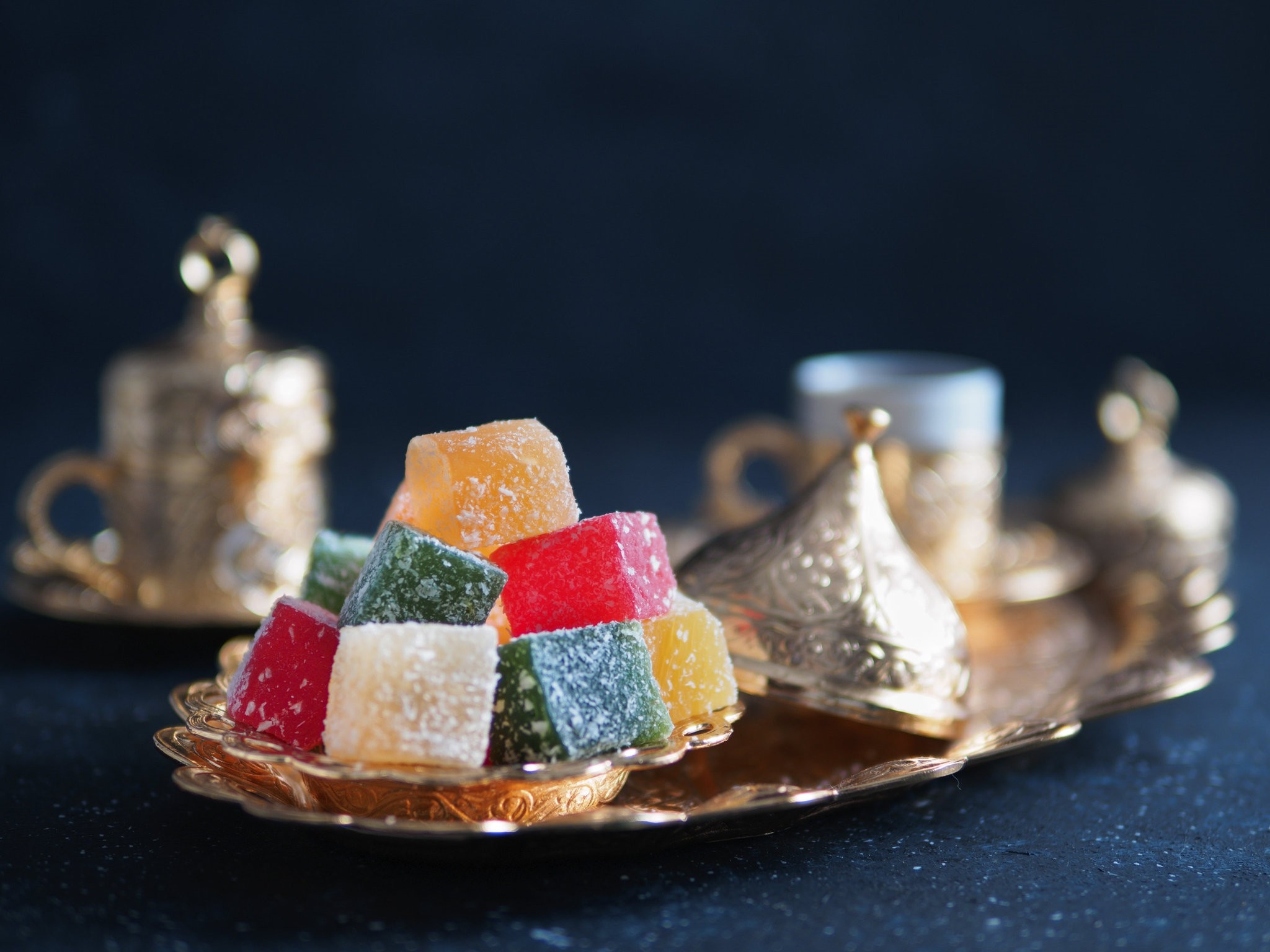
A flavorful journey through Karachi’s street markets is incomplete without tasting the signature dishes that locals swear by. Among the most loved is the bun kebab, a juicy patty tucked into a soft bun with tangy chutneys. Another highlight is gol gappay or pani puri, tiny crisp shells filled with spiced water and chickpeas, offering a burst of flavor in every bite.
Moreover, nihari and paya are found simmering in large pots, especially in old neighborhoods, creating a strong aroma that draws food lovers from far away. Sweet lovers, on the other hand, can enjoy jalebi, rabri, and falooda, which balance out the spicy dishes with sugary comfort. Each of these items is not only delicious but also tells a story of tradition and creativity.
The Experience Beyond Taste
Exploring Karachi’s street food culture also means exploring the atmosphere that surrounds it. It is not just about eating; it is about observing the laughter, conversations, and energy that flow through these markets. Transitioning from one stall to another feels like entering a new chapter of a book.
For instance, at Burns Road—one of the city’s most famous food streets—you can find families, students, and tourists enjoying food shoulder to shoulder. The friendly vendors often greet you with smiles and small stories about their recipes. This warm environment adds emotional flavor, making the food even more memorable.
The Role of Street Food in Daily Life
Karachi’s street food is not only for special occasions. For many residents, it is a part of their daily routine. A worker might grab a samosa and tea on the way to office, while children may stop at a roadside stall for chana chaat after school. Because the food is both affordable and filling, it becomes a common choice for people from different walks of life.
Additionally, these markets also support thousands of vendors who depend on them for their livelihood. So, when you explore Karachi’s street food culture, you also see the social and economic role it plays. It keeps the city moving, both in energy and in survival.
Regional Influences in Karachi’s Street Food
Karachi’s position as a melting pot of cultures has left a strong mark on its street food. Migrants from Punjab, Sindh, Khyber Pakhtunkhwa, and even neighboring countries have brought their own tastes, which blend seamlessly into the city’s food culture. As a result, every corner offers something new and unique.
For example, Punjabi vendors introduced spicy grills and buttery parathas, while Sindhi traditions added rich gravies and flavorful rice dishes. Afghan immigrants, on the other hand, made kabuli pulao and chapli kebabs part of everyday dining. Together, these influences make exploring Karachi’s street food culture a journey across Pakistan without leaving the city.
Street Drinks and Sweet Treats
Street food in Karachi is not limited to savory dishes. Sweet treats and refreshing drinks play an equally important role in shaping the city’s flavorful identity. On hot summer days, a glass of chilled sugarcane juice or fresh lassi offers comfort like no other. Vendors often prepare these drinks right in front of you, keeping the freshness alive.
At the same time, desserts like jalebi, malpura, and gulab jamun are served piping hot, their sugary syrup creating instant satisfaction. Modern twists have also entered the scene, with stalls selling falooda, milkshakes, and ice gola for younger generations. These sweets and drinks add balance, ensuring that Karachi’s street food culture satisfies every craving.
Health, Hygiene, and Modern Challenges
While street food remains a favorite, health and hygiene have become important concerns. With thousands of people eating at roadside stalls daily, maintaining cleanliness is a challenge. Some vendors use filtered water and cover their food, but others struggle due to limited resources.
Yet, the love for exploring Karachi’s street food culture continues because people value taste and tradition. In recent years, government initiatives and private organizations have started promoting hygiene awareness among vendors. This effort shows hope that Karachi’s flavorful journey will remain both safe and enjoyable in the future.
Why Tourists Love Karachi’s Street Food
For tourists, Karachi’s street markets are more than food stops—they are cultural adventures. Walking through Burns Road or Boat Basin, visitors experience a mix of history, hospitality, and flavor. Each dish tells them about the people who live there, their traditions, and their creativity.
Many travelers also appreciate the affordability of street food. Unlike fancy restaurants, these stalls let them enjoy authentic recipes without spending much. The combination of taste, culture, and warm hospitality makes exploring Karachi’s street food culture one of the top highlights for anyone visiting the city.
The Future of Karachi’s Street Food Culture
As Karachi continues to grow, its street food culture is also evolving. Younger generations are introducing creative twists to traditional recipes, blending global ideas with local flavors. For instance, fusion burgers with desi spices or innovative shawarmas show how modern tastes are reshaping old favorites.
At the same time, digital platforms are helping vendors expand their reach. Food delivery apps now include popular stalls, allowing customers to enjoy authentic street food from the comfort of their homes. This shift proves that exploring Karachi’s street food culture will remain a flavorful journey, both on the streets and online.
Cultural Significance of Street Markets
Street food in Karachi is more than a way to fill the stomach; it represents identity, unity, and resilience. Each vendor carries a story of struggle and passion, while every dish symbolizes the spirit of the city. These markets act as meeting points where people of different backgrounds share the same benches, plates, and conversations.
In this way, Karachi’s street food culture goes beyond taste. It mirrors the city’s diversity and hospitality. Whether it is a quick snack after school, a family outing at night, or a tourist searching for authentic flavors, these markets remain the heart of Karachi’s social life.
Frequently Asked Questions (FAQ)
1. What makes Karachi’s street food culture unique?
Its diversity of flavors, cultural influences, and affordable prices make it stand out.
2. Where can I find the best street food in Karachi?
Popular spots include Burns Road, Boat Basin, and Hussainabad Food Street.
3. What are the must-try dishes in Karachi’s street markets?
Bun kebabs, gol gappay, nihari, paya, jalebi, and falooda are top choices.
4. Is street food in Karachi safe to eat?
Yes, but choose vendors who maintain cleanliness and use fresh ingredients.
5. What drinks are popular in Karachi’s street food culture?
Sugarcane juice, lassi, falooda, and chilled milkshakes are favorites.
6. How affordable is Karachi’s street food?
Most items are budget-friendly, making them accessible for all income levels.
7. Do tourists enjoy exploring Karachi’s street food culture?
Absolutely! It offers them authentic taste, local interaction, and a cultural experience.
8. Are there vegetarian options in Karachi’s street food?
Yes, dishes like chana chaat, samosas, gol gappay, and potato rolls are vegetarian.
9. How has technology influenced Karachi’s street food vendors?
Delivery apps and social media help vendors reach wider audiences.
10. What does the future look like for Karachi’s street food culture?
It is growing stronger, with fusion trends, better hygiene, and more global recognition.
Conclusion
Exploring Karachi’s street food culture: a flavorful journey is not just about satisfying hunger—it is about experiencing the soul of the city. From the smoky aroma of bun kebabs to the sweetness of jalebi, every dish tells a story of tradition, diversity, and creativity. These markets unite people from all walks of life, offering affordable meals with unforgettable flavors.
As Karachi modernizes, its street food continues to evolve while keeping its roots alive. For locals, it is a daily comfort; for visitors, it is an unforgettable adventure. Truly, Karachi’s street food culture remains a flavorful journey worth taking, one bite at a time.
Want to read more Famous Food about click here
Big Shoutout to the guys who made this blog happen UDM.