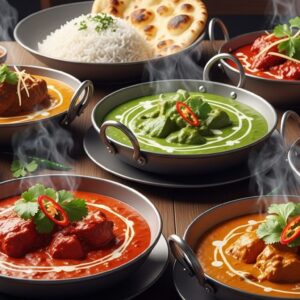
Famous dishes from around the world: A Culinary Journey
The world is a tapestry of cultures, and at the heart of each culture lies its unique cuisine. From bustling street food markets to Michelin-starred restaurants, famous dishes from around the world offer a delicious window into different societies. Indeed, these iconic culinary creations tell stories of history, geography, and tradition. Exploring them is not merely about tasting food; moreover, it is about understanding the very essence of human connection and creativity. This article embarks on a global gastronomic adventure, highlighting some of the most celebrated and beloved dishes that have captured the hearts and palates of millions. Therefore, prepare to tantalize your taste buds as we journey through the diverse flavors of our planet.
Exploring Iconic Famous Dishes From Around the World
Many famous dishes from around the world have achieved legendary status, drawing food enthusiasts from every corner. Consequently, these dishes often become synonymous with their countries of origin. Let’s delve into some of these remarkable culinary masterpieces.
Asian Delights
Asia, a continent of immense diversity, boasts a culinary heritage rich in flavor and tradition. Its dishes are known for their intricate balance and fresh ingredients.
#### Sushi (Japan)
Sushi, a globally revered Japanese dish, features vinegared rice combined with various ingredients, primarily seafood. Often served raw, such as in nigiri* or *sashimi*, it also comes in rolled forms like *maki. The delicate balance of flavors and textures, alongside its artistic presentation, makes sushi a truly iconic food. Furthermore, its preparation is considered an art form.
#### Pad Thai (Thailand)
Pad Thai is a stir-fried rice noodle dish commonly served as a street food and at casual local eateries in Thailand. Typically made with rice noodles, shrimp or chicken, peanuts, scrambled egg, and bean sprouts, it is flavored with fish sauce, tamarind paste, garlic, and chili. This harmonious blend of sweet, sour, salty, and spicy makes it incredibly addictive. Indeed, it perfectly embodies Thai cuisine’s vibrant character.
#### Biryani (India)
Biryani, a fragrant and flavorful mixed rice dish, originated among the Muslims of the Indian subcontinent. It is made with basmati rice, meat (chicken, lamb, or beef), or vegetables, and a medley of aromatic spices like saffron, cardamom, and bay leaf. The slow cooking process, often in a sealed pot (dum pukht), infuses the rice with deep, rich flavors. Consequently, Biryani is a staple at celebrations and feasts.
European Classics
Europe’s culinary landscape is as varied as its history, offering a spectrum of sophisticated and comforting dishes. These recipes have been perfected over centuries.
#### Pizza (Italy)
Perhaps one of the most recognized famous dishes from around the world, pizza needs little introduction. Originating in Naples, Italy, this iconic dish consists of a flattened round dough topped with tomato sauce, cheese, and various other ingredients, then baked at a high temperature. Its simplicity and versatility have allowed it to conquer global palates. Moreover, countless regional variations exist today.
#### Paella (Spain)
Paella, a vibrant rice dish from Valencia, Spain, is traditionally cooked in a wide, shallow pan over an open fire. It typically features short-grain rice, saffron, vegetables, and often seafood, chicken, or rabbit. The development of a delicious crispy rice crust at the bottom, known as socarrat, is a hallmark of a well-made paella. This communal dish is a true celebration of Spanish flavors.
#### Coq au Vin (France)
Coq au Vin is a classic French stew where chicken is braised with red wine (traditionally Burgundy), lardons, mushrooms, and garlic. This rustic yet elegant dish exemplifies French country cooking. The long, slow cooking process tenderizes the chicken and allows the rich, savory flavors to meld beautifully. Consequently, it remains a beloved comfort food across France.
American Favorites
The Americas have contributed significantly to global cuisine, with dishes that reflect their diverse indigenous roots and immigrant influences.
#### Tacos (Mexico)
Tacos are a traditional Mexican dish consisting of a small hand-sized corn or wheat tortilla topped with a filling. Fillings vary widely, from seasoned meat (like carne asada* or *al pastor) to seafood, vegetables, and cheese. Garnished with salsa, onions, cilantro, and lime, tacos are incredibly versatile and deeply embedded in Mexican culture. Indeed, they represent a simple yet perfect culinary creation.
#### Burgers (USA)
The hamburger, affectionately known as the burger, is a quintessential American food. It typically comprises a patty of ground beef placed inside a sliced bun, often accompanied by lettuce, tomato, onion, pickles, cheese, and various condiments. While its exact origins are debated, the burger’s evolution into a global fast-food phenomenon is undeniable. Furthermore, gourmet versions are now widespread.
#### Feijoada (Brazil)
Feijoada is a hearty stew of black beans with various cuts of beef and pork, originating from Brazil. It is typically served with rice, collard greens, farofa (toasted cassava flour), and orange slices. Considered Brazil’s national dish, Feijoada is a rich and comforting meal, often enjoyed on weekends and special occasions. Its robust flavors reflect the nation’s diverse culinary heritage.
African & Oceanian Specialties
Africa and Oceania offer distinct culinary traditions, shaped by unique ingredients and ancient cooking methods.
#### Tagine (Morocco)
Tagine refers both to a North African stew and the earthenware pot in which it is cooked. Moroccan tagines are typically slow-cooked savory stews made with sliced meat, poultry, or fish, along with vegetables or fruit. Spices like ginger, turmeric, cumin, and saffron create complex, aromatic flavors. The conical lid of the tagine pot traps steam, ensuring moist and tender results. Therefore, it is a truly iconic Moroccan dish.
#### Jollof Rice (West Africa)
Jollof rice is a beloved one-pot rice dish popular across many West African countries, including Nigeria, Ghana, Senegal, and Liberia. It consists of rice cooked in a flavorful tomato-based sauce with various spices, vegetables, and often meat or fish. While the exact preparation varies by region, the vibrant red color and smoky, savory taste are characteristic. Consequently, it is a staple at celebrations and family gatherings.
#### Pavlova (Australia/New Zealand)
Pavlova is a meringue-based dessert named after the Russian ballerina Anna Pavlova. It features a crisp crust and a soft, marshmallow-like interior, typically topped with whipped cream and fresh fruit. Both Australia and New Zealand claim its origin, making it a point of friendly rivalry. This light and elegant dessert is a popular choice for festive occasions, especially during summer.
The Deep Cultural Roots of Global Gastronomy
Beyond their delicious tastes, famous dishes from around the world are profoundly intertwined with cultural identity and history. Indeed, food acts as a powerful medium for storytelling.
Food as a Cultural Identifier
Each dish reflects the available ingredients, historical events, and culinary techniques of its region. For example, the use of chili peppers in Mexican cuisine tells a story of indigenous agriculture and trade routes. Similarly, the meticulous preparation of sushi highlights Japanese precision and reverence for natural ingredients. Consequently, food becomes a source of national pride and a way to preserve heritage. These dishes are not just sustenance; moreover, they are expressions of a people’s soul.
The Evolution of Famous Dishes
Many iconic dishes have evolved over centuries, adapting to new influences and ingredients. Pizza, once a simple flatbread, transformed with the introduction of tomatoes from the Americas. Similarly, the diverse forms of Biryani across India showcase regional adaptations and the blending of various culinary traditions. This evolution demonstrates food’s dynamic nature. Furthermore, it highlights how cultures interact and enrich each other’s gastronomic landscapes.
Embarking on Your Own Global Culinary Exploration
The sheer variety of famous dishes from around the world offers an endless adventure for any food lover. Therefore, consider these tips to broaden your culinary horizons.
Tips for Tasting and Cooking
Don’t be afraid to try new flavors and textures. Seek out authentic restaurants in your local area, or better yet, experiment with cooking international recipes at home. Many online resources and cookbooks provide accessible guides to preparing these global delights. Starting with simpler versions of complex dishes can be a rewarding experience. Furthermore, engaging with local markets can inspire new culinary explorations.
Appreciating Culinary Diversity
Every dish, whether simple or complex, carries a story and a tradition. Appreciating this diversity means more than just enjoying the taste; it involves understanding the cultural context and the effort behind its creation. By doing so, you not only expand your palate but also gain a deeper appreciation for the rich tapestry of human culture. Ultimately, food is a universal language, connecting us all.
Conclusion
Our culinary journey has revealed the incredible diversity and profound cultural significance of famous dishes from around the world. From the delicate artistry of Japanese sushi to the comforting warmth of Brazilian feijoada, each dish offers more than just sustenance; it provides a unique insight into a nation’s soul, history, and traditions. These global gastronomic treasures connect us, demonstrating that despite our differences, the love for good food is a universal language. Therefore, embracing these culinary experiences enriches our understanding of the world and its vibrant cultures.
Frequently Asked Questions (FAQ)
Q1: What makes a dish “famous” on a global scale?
A1: A dish typically becomes famous due to a combination of factors, including its unique flavor profile, historical significance, cultural importance within its country of origin, and widespread appeal that transcends borders. Often, media exposure, tourism, and diaspora communities also play a significant role in elevating a dish’s global recognition, turning it into one of the famous dishes from around the world.
Q2: Are famous dishes always traditional and ancient?
A2: Not necessarily. While many famous dishes have deep historical roots, some have achieved global fame relatively recently or have evolved significantly over time. For instance, the hamburger, while having some historical precedents, became globally famous in its modern form in the last century. However, even newer famous dishes often draw inspiration from traditional ingredients and cooking methods.
Q3: How can I experience famous dishes from around the world if I can’t travel?
A3: There are several ways to explore global cuisine without traveling. You can seek out authentic ethnic restaurants in your local area, which are often run by immigrants sharing their heritage. Additionally, many online resources, cookbooks, and cooking classes offer recipes and guidance for preparing these dishes at home. Food delivery services also make international cuisine more accessible than ever before.
Want to read more Famous Food about click here
Big Shoutout to the guys who made this blog happen UDM.