Favorite Recipes: Culinary Delights for Every Home
Every kitchen tells a story, and at the heart of that narrative are our favorite recipes*. These are more than just instructions; they are edible memories, comforting traditions, and expressions of love. Favorite Recipes Whether passed down through generations or discovered in a moment of culinary adventure, these dishes hold a special place in our hearts and on our tables. Indeed, understanding the significance of your *favorite recipes can transform your approach to cooking and dining.
The Heart of the Home: Why Favorite Recipes Matter
Our favorite recipes are the foundation of our culinary identity. They are often linked to significant life events, family gatherings, or simply moments of pure comfort. For instance, a hearty stew might evoke memories of a cozy winter evening, while a vibrant salad could recall a refreshing summer picnic. Furthermore, these dishes provide a sense of security and familiarity in an ever-changing world. They offer a reliable source of deliciousness, ensuring that even on the busiest days, a satisfying meal is within reach. Moreover, the act of preparing these beloved dishes can be incredibly therapeutic, allowing for a moment of mindful creation amidst daily demands. Consequently, valuing and preserving these recipes enriches our lives beyond mere sustenance, contributing to our overall well-being.
Building Culinary Confidence
Consistently preparing dishes you love helps build confidence in the kitchen. As you become more familiar with the ingredients and techniques, your skills naturally improve. Therefore, tackling new recipes becomes less daunting. This cumulative experience empowers you to experiment and innovate, ultimately leading to even more favorite recipes. Thus, the journey of culinary growth often begins with a solid repertoire of trusted dishes. You learn to trust your instincts, understand ingredient interactions, and anticipate potential challenges, transforming cooking from a chore into a joyous pursuit.
Connecting Through Food
Food has an unparalleled power to connect people. Sharing your favorite recipes with friends and family fosters a sense of community and belonging. Whether it’s a potluck dinner, a holiday feast, or simply a casual weeknight meal, these shared meals become opportunities for bonding and creating new memories. Clearly, the emotional resonance of food extends far beyond its nutritional value. Many cultures, in fact, place immense importance on communal eating as a way to strengthen social ties and celebrate life’s moments.
Preserving Cultural Heritage
Beyond personal connections, favorite recipes often serve as guardians of cultural heritage. They carry stories of migration, adaptation, and tradition from one generation to the next. Learning to prepare a grandmother’s traditional dish, for example, is not just about following instructions; it’s about understanding a piece of your ancestry. Consequently, these culinary traditions offer a tangible link to our past, allowing us to experience history through taste and aroma.
Curating Your Collection of Favorite Recipes
Building a personal collection of favorite recipes is a delightful journey that evolves over time. It involves exploration, experimentation, and a keen sense of what truly satisfies your palate. Initially, consider what dishes consistently bring you joy and satisfaction. Are there specific cuisines you gravitate towards? Perhaps certain ingredients always catch your eye. This ongoing process of discovery ensures your culinary repertoire remains fresh and exciting.
Identifying Your Go-To Meals
Start by reflecting on the meals you prepare most often or those you frequently crave. These are your current go-to dishes – the ones you can whip up almost instinctively. They might be quick weeknight dinners, elaborate weekend projects, or comforting desserts. Moreover, pay attention to feedback from family and friends; their compliments can often highlight potential favorite recipes that you might take for granted. Indeed, external validation can be a powerful indicator of a dish’s universal appeal. Consider also the practicality: how easy is it to source ingredients? How much time does it take?
Experimenting with New Flavors and Techniques
While cherished classics are vital, don’t shy away from culinary exploration. Trying new recipes from different cultures or innovative chefs can broaden your horizons and introduce you to exciting new flavors and cooking methods. Occasionally, a single bite can reveal a dish that quickly ascends to your list of favorite recipes. Hence, maintaining an open mind is crucial for expanding your culinary repertoire. Attend cooking classes, browse cookbooks, or explore food blogs to find fresh inspiration. You might discover a new ingredient or a unique spice blend that transforms your cooking entirely.
Organizing Your Culinary Treasures
Once you identify your favorite recipes, organize them effectively to ensure easy access and enjoyment. Furthermore, consider adding personal notes about substitutions, serving suggestions, or special memories associated with each dish.
Exploring Different Cuisines and Their Signature Dishes
The world offers an astounding array of culinary traditions, each boasting unique flavors, ingredients, and techniques. Diving into various cuisines can dramatically expand your repertoire of favorite recipes, introducing you to new taste sensations and cooking philosophies. Consequently, understanding the core characteristics of different food cultures can guide your exploration and help you appreciate the global tapestry of gastronomy.
Italian Cuisine: Simplicity, Freshness, and Hearty Flavors
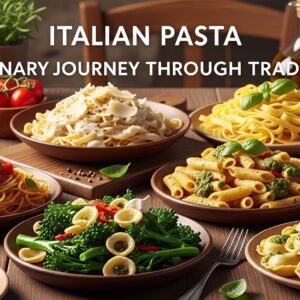
Italian food, renowned for its fresh ingredients and straightforward preparation, has given us countless beloved dishes. Think about classic pasta dishes like Cacio e Pepe, rich risottos, or rustic pizzas baked in a wood-fired oven. Significantly, the emphasis on quality, seasonal ingredients like ripe tomatoes, fragrant basil, and robust olive oil defines its universal appeal. Therefore, mastering a few authentic Italian favorite recipes is a rewarding endeavor for any home cook. Beyond the well-known, explore regional specialties like Ligurian pesto or Sicilian arancini for an even deeper dive.
Mexican Cuisine: Vibrant Spices, Diverse Ingredients, and Rich Heritage
From the spicy zest of tacos al pastor to the complex, multi-layered flavors of mole poblano, Mexican cuisine is a celebration of vibrant flavors and ancient traditions. Corn, beans, and chilies form the backbone of many dishes, offering incredible versatility and nutritional value. Furthermore, the regional diversity within Mexico means there’s always something new to discover, from the seafood-rich dishes of the coast to the hearty stews of the central highlands. Indeed, exploring authentic Mexican favorite recipes can introduce you to a world of exciting taste sensations and a rich cultural narrative. Don’t forget the fresh salsas and vibrant guacamole that accompany almost every meal.
Asian Cuisine: A Spectrum of Tastes and Textures
Asian cuisine encompasses a vast and diverse range of food traditions, stretching from the delicate balance of Japanese sushi and ramen to the aromatic spices of Indian curries, and the bold, often spicy, flavors of Thai stir-fries and Vietnamese pho. Each country presents a unique culinary landscape, influenced by its history, geography, and local produce.
French Cuisine: Elegance and Precision
Often considered the foundation of Western cooking, French cuisine is celebrated for its elegance, precision, and foundational techniques. Dishes like Coq au Vin, Beef Bourguignon, or classic soufflés showcase a mastery of sauces, reductions, and slow-cooking methods. While sometimes perceived as complex, many traditional French dishes can become cherished favorite recipes with practice. Mastering a simple vinaigrette or a perfect omelette can be an excellent starting point, gradually leading to more intricate preparations. The emphasis on fresh, high-quality ingredients is also paramount here.
Mastering Techniques for Your Favorite Recipes
Knowing your favorite recipes is one thing; mastering them is another. Developing key cooking techniques elevates your dishes from good to extraordinary, ensuring consistent quality and flavor. Moreover, understanding the “why” behind certain steps enhances your intuition in the kitchen, allowing for greater flexibility and improvisation. This foundational knowledge empowers you to approach any recipe with confidence.
Knife Skills: The Foundation of Efficiency and Safety
Efficient and safe knife skills are fundamental to almost any recipe, regardless of cuisine. Learning to chop, slice, mince, and dice correctly not only speeds up prep time significantly but also ensures even cooking, as all pieces are roughly the same size. Furthermore, a sharp knife is a safe knife, as it requires less force and is less likely to slip. Consequently, investing time in honing your knife skills—perhaps through online tutorials or a local class—will pay dividends across all your culinary endeavors, especially when preparing ingredients for your favorite recipes. Proper technique also reduces fatigue and makes the cooking process more enjoyable.
Sautéing, Roasting, and Braising: Flavor Development Essentials
These three techniques are crucial for developing deep, complex flavors in your food.
- Sautéing involves quickly cooking food over high heat in a small amount of fat, creating delicious caramelization (the Maillard reaction) on the exterior while keeping the interior tender. This is ideal for vegetables, lean meats, and seafood.
- Roasting, on the other hand, uses dry heat in an oven to achieve tender interiors and crispy, browned exteriors, perfect for larger cuts of meat, poultry, and root vegetables.
Braising** combines searing with slow, moist-heat cooking in a liquid, resulting in incredibly tender meats and flavorful sauces, often used for tougher cuts of meat. Understanding when and how to apply these methods can significantly improve the taste and texture of your *</strong>favorite recipes. For instance, perfectly roasted vegetables add immense depth to many meals, while a slow-braised short rib can become an unforgettable dish.
Adapting and Personalizing Your Culinary Creations
Once you’ve mastered a few favorite recipes and feel comfortable with fundamental techniques, the next exciting step is to make them truly your own. Adapting recipes allows for boundless creativity, accommodates dietary needs, and enables you to utilize ingredients you have on hand, minimizing waste. Thus, personalization is a hallmark of a confident, intuitive cook who understands flavor profiles and ingredient compatibility.
Ingredient Swaps and Substitutions: Creative Flexibility
Don’t be afraid to experiment with ingredient swaps. If a recipe calls for a specific vegetable, but you have another in season or prefer a different one, try substituting it. Similarly, explore different protein sources (e.g., chicken instead of beef, lentils instead of ground meat) or alternative grains (e.g., quinoa for rice). However, always consider how the substitution might affect the flavor profile, texture, and cooking time. For example, using sweet potatoes instead of regular potatoes can add a different sweetness and nutritional boost to a stew, while swapping dairy milk for almond milk might alter the richness of a sauce. A good rule of thumb is to understand the role of the original ingredient before making a change.
Adjusting Flavors and Spices: Tailoring to Your Palate
Tailor the spice levels and overall flavor profiles to your personal preference and that of your dining companions. If you love heat, add extra chili flakes, a spicier pepper, or a dash of hot sauce. If you prefer milder flavors, reduce the amount of pungent ingredients like garlic or onion, or opt for less intense spices. Moreover, don’t hesitate to introduce new herbs, spices, or aromatics that you believe will complement the existing flavors. This could be a sprinkle of fresh cilantro, a pinch of smoked paprika, or a zest of lime. Indeed, this iterative process of tasting and adjusting is how many classic dishes evolve into personal favorite recipes</strong> that perfectly suit your palate. Remember that flavors often mellow during cooking, so a slightly bolder initial seasoning might be necessary.
Making it Healthier or More Indulgent: Balancing Your Needs
Recipes can often be adapted to fit specific dietary goals or occasions. For instance, you might reduce the amount of fat or sugar in a dish, incorporate more lean protein, or significantly increase the vegetable content for added nutrients and fiber. Swapping full-fat dairy for lower-fat alternatives or using whole grains instead of refined ones are common healthier adaptations.
Sharing the Joy: Bringing Favorite Recipes to the Table
>The ultimate reward of cooking your favorite recipes is often the act of sharing them. Food brings people together, sparks conversations, and builds lasting memories around a shared table. Therefore, presenting your dishes with care and passion enhances the entire dining experience, transforming a simple meal into an event. The effort you put into preparation and presentation communicates respect for both the food and your guests.
Hosting and Entertaining with Confidence: Relying on Your Strengths
When entertaining, especially for larger gatherings or important occasions, rely heavily on your favorite recipes. You’re already familiar with the steps, the timing, and the expected outcomes, which significantly reduces stress and allows you to enjoy your guests’ company rather than being tied to the kitchen. Consider preparing dishes that can be made partially or entirely ahead of time to minimize last-minute rushing. Casseroles, stews, roasted vegetables, and many desserts are excellent candidates for advance preparation. Consequently, a well-planned menu built around your go-to dishes ensures a relaxed, enjoyable, and delicious experience for everyone involved, including yourself.
Documenting and Passing On Your Culinary Legacy: Recipes as Heirlooms
Consider documenting your favorite recipes for future generations, transforming them into cherished family heirlooms. Write them down clearly, perhaps in a special cookbook, a digital document, or even by creating a personal food blog. Include not only the ingredients and step-by-step instructions but also personal anecdotes, tips, variations, and the stories behind each dish.
Conclusion
Our favorite recipes are much more than mere culinary instructions; they are the vibrant threads woven into the fabric of our lives, connecting us to memories, traditions, and loved ones. From the initial thrill of discovery to the satisfaction of mastery and the joy of sharing, each dish tells a unique story. By curating, refining, and personalizing your collection, you not only elevate your cooking skills but also enrich your personal and communal experiences. Ultimately, these cherished dishes serve as a testament to the power of food to nourish not just our bodies, but our souls.
Want to read more Famous Food about click here
Big Shoutout to the guys who made this blog happen UDM.
Frequently Asked Questions (FAQ)
Q1: How do I start building my collection of favorite recipes?
A1: Begin by reflecting on dishes you already love or frequently crave. Experiment with new cuisines and techniques, and don’t hesitate to adapt existing recipes to suit your taste. Keep a dedicated notebook or digital file to store promising finds, noting down what you liked and any modifications you made.
Q2: Is it okay to modify favorite recipes, or should I stick to the original?
A2: Absolutely, modifying recipes is encouraged! Once you understand the basic principles and flavors, feel free to adjust ingredients, seasonings, or cooking methods to better suit your preferences, dietary needs, or available ingredients. Personalization is key to making a recipe truly yours and ensures it remains a favorite.
Q3: How can I ensure my favorite recipes are passed down to future generations?
A3: Document your recipes clearly, including ingredients, step-by-step instructions, and any personal tips or anecdotes about the dish’s origin or significance. Consider creating a physical family cookbook, a digital archive, or even a personal food blog. Sharing these recipes and cooking them together with family members can also help preserve the culinary legacy and create new cherished memories.