Food Blog Website: The Ultimate Guide to Building Success
In the modern digital landscape, a Food Blog website has evolved from a simple hobbyist’s diary into a powerful platform for entrepreneurship, creativity, and community building. Whether you are a professional chef or a home cook with a passion for flavors, establishing a digital presence is the first step toward turning your culinary skills into a global brand. This comprehensive guide explores the essential components of building, optimizing, and growing a successful food-focused platform.
The Evolution of the Modern Food Blog Website
The concept of a Food Blog website has undergone a significant transformation over the last decade. Early blogs were often text-heavy and personal. Today, the most successful sites are high-performance machines that integrate high-definition photography, video content, and sophisticated search engine optimization (SEO).
For a modern audience, a blog must provide immediate value, whether that is through a quick weeknight dinner solution or an in-depth exploration of a complex fermentation process. To succeed, one must treat their blog as a professional business from day one, focusing on user experience, technical reliability, and high-quality content.
Defining Your Unique Culinary Niche
With millions of recipes available online, the key to standing out is specialization. A general Food Blog website that covers everything from Italian pasta to Japanese sushi may find it difficult to build a loyal audience. Instead, focusing on a specific niche allows you to become an authority in that space. Consider these popular and emerging niches:
Dietary Restrictions and Lifestyles
Focusing on niches like vegan, keto, paleo, or gluten-free cooking allows you to serve a dedicated community looking for specific solutions. For example, a Food Blog website dedicated entirely to nut-free school lunches addresses a very specific pain point for parents.
Culinary Techniques or Equipment
You could center your content around specific tools, such as the Instant Pot, air fryer, or sous vide. Alternatively, focus on techniques like sourdough baking or open-fire cooking. By mastering a specific tool, your Food Blog website becomes the go-to resource for owners of that equipment.
Cultural and Regional Cuisines
Deep dives into specific regional cuisines—such as the street foods of Mumbai or the traditional bakes of Scandinavia—provide cultural depth that general sites lack. Authenticity and storytelling are major drivers of engagement in this niche.
Essential Technical Requirements for a Food Blog Website
Before you can publish your first recipe, you need a robust technical foundation. The infrastructure of your Food Blog website determines its speed, security, and scalability.
Choosing the Right Platform and Hosting
While there are many free platforms, WordPress.org (self-hosted) is the gold standard for a professional Food Blog website. It offers unparalleled flexibility through plugins and themes. You will need a reliable hosting provider that can handle traffic spikes, especially if a recipe goes viral on social media. Managed WordPress hosting is often recommended for its speed and security features.
The Role of Recipe Plugins
A professional Food Blog website must use a dedicated recipe plugin. These tools do more than just format your ingredients and instructions; they generate the necessary Schema markup (structured data) that tells search engines your content is a recipe. This allows Google to display rich snippets, such as star ratings, calorie counts, and preparation times, directly in the search results.
Designing for Taste: User Experience and Aesthetics
The visual appeal of a Food Blog website is just as important as the taste of the food itself. Users expect a clean, mobile-responsive design that is easy to navigate while they are cooking in the kitchen.
Mobile Optimization
Statistics show that the majority of users access a Food Blog website via mobile devices. This means your site must load quickly and be easy to read on small screens. Large buttons, legible fonts, and minimal intrusive pop-ups are essential for a positive user experience.
High-Quality Photography and Videography
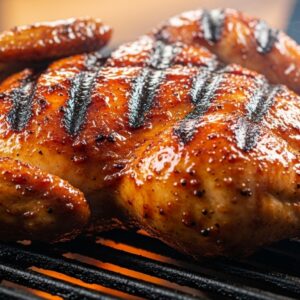
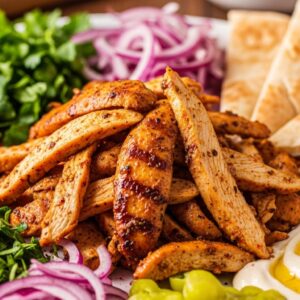
Food is a visual medium. Investing in a good camera and learning the basics of food styling and lighting is non-negotiable. Every post on your Food Blog website should feature high-resolution images that make the reader want to try the dish. Additionally, short-form video content is increasingly important for driving traffic from platforms like Instagram and TikTok.
Mastering SEO for Your Food Blog Website
Search Engine Optimization is the primary driver of sustainable traffic for any Food Blog website. Unlike social media, which provides temporary bursts of traffic, SEO provides a steady stream of visitors over time.
Keyword Research for Foodies
Keyword research involves identifying what your potential readers are searching for. Instead of targeting broad terms like “chicken recipe,” aim for long-tail keywords like “30-minute lemon garlic chicken for two.” These specific terms have less competition and higher intent.
On-Page SEO and E-E-A-T
Google prioritizes content that demonstrates Experience, Expertise, Authoritativeness, and Trustworthiness (E-E-A-T). On your Food Blog website, this means providing detailed process shots, troubleshooting tips for the recipe, and an “About Me” page that establishes your culinary credentials. Don’t forget to optimize your image alt-text and meta descriptions to further improve visibility.
Monetization Strategies for Long-Term Sustainability
Transforming your Food Blog website into a profitable venture requires a multi-faceted monetization strategy. Most successful bloggers do not rely on a single income stream.
Display Advertising
Once your Food Blog website reaches a certain traffic threshold, you can join premium ad networks like Mediavine or Raptive. These networks offer much higher payouts than standard Google AdSense and manage the ad placements for you, ensuring they don’t overly disrupt the user experience.
Affiliate Marketing
By recommending your favorite kitchen tools, pantry staples, or cookbooks, you can earn a commission on sales made through your links. This is a natural fit for a Food Blog website, as readers often want to know exactly what equipment you use to achieve your results.
Sponsored Content and Brand Partnerships
Collaborating with food and kitchenware brands can be highly lucrative. Brands are often willing to pay for a dedicated post on your Food Blog website or a series of social media mentions if your audience aligns with their target market.
Leveraging Social Media to Drive Traffic
While SEO is the foundation, social media is the engine that drives immediate engagement and brand awareness for your Food Blog website.
The Power of Pinterest
Pinterest is often the second-largest traffic source. It functions more like a visual search engine than a social network. Creating high-quality, vertical pins with enticing titles can drive thousands of visitors to your site months after the initial post.
Instagram and TikTok for Brand Building
These platforms are ideal for sharing behind-the-scenes content, quick tips, and short-form recipe videos. While they may not drive as much direct traffic to your Food Blog website as Pinterest, they are essential for building a personal brand and connecting with your community.
Analyzing Performance and Scaling Your Brand
To grow, you must understand what is working. Use tools like Google Analytics and Google Search Console to track which posts are performing best on your . Look for patterns: do your readers prefer baking recipes or quick dinners? Use this data to inform your future content strategy. Scaling might involve hiring a virtual assistant, a video editor, or even a staff writer as your brand expands into cookbooks, meal plans, or physical products.
Conclusion
Starting a is a journey that combines culinary passion with technical skill and strategic marketing. By defining a clear niche, investing in a solid technical foundation, and prioritizing both SEO and user experience, you can build a platform that not only shares your love of food but also serves as a sustainable business. Success in the food blogging world does not happen overnight, but with consistency, high-quality content, and a focus on providing value to your readers, your blog can become a trusted resource in the digital culinary space.
Want to read more Famous Food about click here
Big Shoutout to the guys who made this blog happen UDM
Frequently Asked Questions (FAQ)
How long does it take for a Food Blog website to become profitable?
Most food bloggers start seeing significant income after 12 to 24 months of consistent posting and SEO optimization. Profitability depends heavily on traffic volume, your chosen niche, and how effectively you implement monetization strategies like display ads and affiliate marketing.
Do I need to be a professional chef to start a Food Blog website?
No, you do not need professional training. Many of the most successful food bloggers are self-taught home cooks. What matters most is your ability to develop reliable recipes, take appealing photos, and connect with your audience through authentic storytelling.
Which platform is best for hosting a Food Blog website?
Self-hosted WordPress (WordPress.org) is widely considered the best platform for It provides the necessary flexibility for SEO, specialized recipe plugins, and full control over your monetization and design options compared to closed platforms like Squarespace or Wix.