
Food culture around the world: A Global Culinary Journey
Food culture around the world* is a vibrant tapestry. It’s woven from diverse ingredients, ancient traditions, and shared human experiences. More than mere sustenance, food serves as a powerful lens. Through it, we understand societies, histories, and identities. In fact, the way people handle food reveals their values and connections. This article embarks on a global culinary journey. We will explore the fascinating nuances of *food culture around the world. Our journey takes us from bustling street markets to sophisticated dining rituals.Food culture around the world
The Essence of Food Culture: More Than Just Sustenance
Food, at its most basic, provides nourishment. However, its role extends far beyond this fundamental need. Food culture encompasses the beliefs, practices, and traditions surrounding food production, preparation, and consumption. It reflects a community’s history, environment, and social structure. Consequently, understanding a region’s cuisine offers a window into its very soul.Food culture around the world
Defining Food Culture
Food culture involves various elements. For example, it includes the selection of ingredients, cooking methods, and mealtime rituals. It also covers the social significance of food. This can range from family dinners to elaborate feasts. Therefore, it is a multifaceted concept.
Historical Roots and Evolution
Throughout history, food culture has evolved significantly. Early human societies adapted their diets based on available resources. Subsequently, agriculture revolutionized food production. Trade routes then introduced new ingredients and techniques. As a result, culinary traditions continuously adapted, reflecting innovation and cultural exchange.Food culture around the world
Regional Culinary Identities: A Deep Dive into Food Culture Around the World
Exploring food culture around the world reveals an astonishing diversity. Each continent, and indeed each country, boasts unique culinary landscapes. These are shaped by local ingredients, historical influences, and ingrained traditions. Let’s delve into some distinct regional identities.
Asian Flavors: From Street Food to Fine Dining
Asia’s culinary heritage is incredibly vast and varied. From the delicate artistry of Japanese cuisine to the bold spices of India, its range is immense.
#### Japanese Cuisine: Precision and Umami
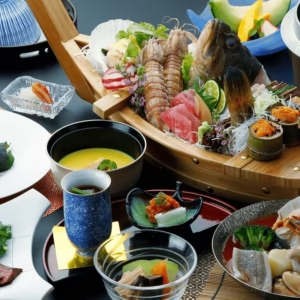
Japanese food emphasizes fresh ingredients and meticulous presentation. Sushi and sashimi are globally recognized. However, everyday meals often feature rice, miso soup, and grilled fish. Umami, the fifth taste, is central to many dishes. Consequently, fermented ingredients like soy sauce and dashi stock are staples.Food culture around the world
#### Indian Cuisine: Spices and Regional Diversity
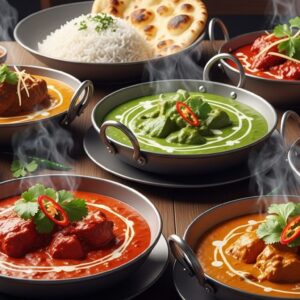
India’s cuisine is famous for its aromatic spices. However, it also exhibits incredible regional diversity. Northern Indian food often features rich curries and bread like naan. Southern Indian dishes, conversely, use more rice, lentils, and coconut. Dietary practices, including vegetarianism, also play a significant role.
#### Chinese Cuisine: Wok Cooking and Regional Variations
Chinese food is characterized by its regional variations. Cantonese cuisine, for instance, is known for dim sum and stir-frying. Sichuan food, conversely, is famous for its bold, spicy flavors. Wok cooking is a ubiquitous technique. Ultimately, the balance of flavors and textures is paramount.
European Gastronomy: Tradition and Innovation
Europe offers a rich tapestry of culinary traditions. Its food cultures reflect centuries of history and innovation.
#### French Cuisine: Techniques and Haute Cuisine
French cuisine is renowned for its sophisticated techniques. Classic dishes like Coq au Vin and Boeuf Bourguignon showcase rich flavors. Haute cuisine, furthermore, emphasizes elegant presentation and fine dining. Therefore, French culinary schools are highly respected worldwide.
#### Italian Cuisine: Simplicity and Regional IngredientsFood culture around the world
Italian food celebrates fresh, local ingredients. Pasta, pizza, and risotto are international favorites. Each region, however, boasts its own specialties. For example, Neapolitan pizza differs greatly from Roman pasta dishes. Simplicity and quality ingredients define its appeal.
#### Mediterranean Diet: Health and Fresh Produce
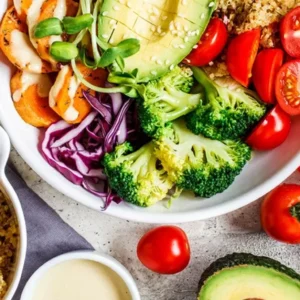
The Mediterranean diet is celebrated for its health benefits. It features abundant fruits, vegetables, olive oil, and seafood. Moreover, red meat is consumed sparingly. Countries like Greece, Spain, and Turkey share this healthy eating pattern. Consequently, it has gained global recognition.Food culture around the world
African Cuisine: Heritage and Resilience
African food cultures are as diverse as the continent itself. They often reflect resourcefulness and a deep connection to the land.
#### North African Cuisine: Tagines and Couscous
North African dishes often feature slow-cooked stews called tagines. Couscous is another staple, frequently served with meat and vegetables. Spices like cumin, coriander, and saffron are commonly used. Thus, the flavors are rich and aromatic.
#### Sub-Saharan Cuisine: Staples and Communal Eating
Sub-Saharan African food relies on staple crops like maize, millet, and cassava. Dishes are often hearty and flavorful. Communal eating is a significant aspect of the food culture. Therefore, meals are often shared from a single platter, fostering community bonds.Food culture around the world
The Americas: A Fusion of Influences
The Americas represent a melting pot of culinary influences. Indigenous traditions blend with European, African, and Asian flavors.
#### North American Cuisine: Melting Pot and Comfort Food
North American food, particularly in the United States, is a blend of global traditions. Hamburgers, hot dogs, and apple pie are iconic. However, regional specialties abound, from Southern comfort food to Pacific Northwest seafood. Immigrant communities continue to enrich this diverse culinary landscape.
#### Latin American Cuisine: Spices, Corn, and Beans
Latin American food is vibrant and flavorful. Corn, beans, and chilies are fundamental ingredients. Tacos, burritos, and ceviche are popular examples. Furthermore, each country has its unique culinary identity, from Mexican mole to Peruvian lomo saltado.
Oceania’s Unique Palates: Island Flavors
Oceania’s food culture is deeply tied to its island geography. Seafood, tropical fruits, and indigenous ingredients are prominent.Food culture around the world
#### Pacific Island Staples
Staples include taro, yams, and breadfruit. Traditional cooking methods, such as umu (earth oven), are still practiced. Moreover, seafood is a primary protein source. Consequently, the flavors are fresh and often naturally sweet.
Key Elements Shaping Global Food Culture
Many factors influence and shape food culture around the world. These elements interact to create distinct culinary identities.
Geography and Climate: The Natural Larder
The local environment dictates available ingredients. Regions with fertile land support agriculture. Coastal areas, conversely, rely heavily on seafood. Thus, geography fundamentally shapes dietary patterns. Climate also impacts growing seasons and preservation techniques.
Religion and Beliefs: Dietary Laws and Rituals
Religious practices often impose dietary restrictions. Halal and kosher laws, for instance, guide food preparation and consumption for Muslims and Jews. Lent and other fasting periods are observed in various faiths. Therefore, religion plays a crucial role in shaping food choices and rituals.Food culture around the world
Socio-Economic Factors: Access and Affordability
Economic conditions significantly influence food culture. Access to diverse ingredients and cooking technologies varies greatly. Affordability dictates what many people can eat. Consequently, socio-economic disparities often lead to different dietary habits and food traditions within a single region.
Technology and Globalization: Modern Influences
Modern technology has revolutionized food production and distribution. Refrigeration, for example, allows for global transport of perishable goods. Globalization, meanwhile, has introduced international cuisines to every corner of the world. However, this can also challenge traditional foodways.
The Social Fabric of Eating
Food is inherently social. It connects people, strengthens bonds, and marks significant life events.
Communal Dining and Family Meals
Sharing a meal is a universal human experience. Family meals, for instance, often serve as a cornerstone of daily life. Communal dining, furthermore, fosters a sense of belonging and community. Therefore, the act of eating together is deeply ingrained in many cultures.
Festivals and Celebrations
Food plays a central role in festivals and celebrations worldwide. Special dishes are prepared for holidays like Christmas, Eid, or Diwali. These culinary traditions often carry deep symbolic meaning. Consequently, food becomes a powerful expression of cultural identity and joy.Food culture around the world
Street Food and Everyday Rituals
Street food offers a glimpse into a region’s daily food culture. It provides accessible, often inexpensive, and delicious meals. Moreover, daily rituals like coffee breaks or afternoon tea are integral to many societies. These practices reflect local customs and social interactions.
Preserving and Evolving Food Traditions
As the world changes, so does its food culture. There is a growing movement to preserve traditional foodways while also embracing innovation.Food culture around the world
The Slow Food Movement
The Slow Food movement advocates for traditional, regional food. It champions sustainable farming and local food ecosystems. Furthermore, it encourages people to enjoy food convivially. Therefore, it aims to protect culinary heritage from the effects of fast food and industrial agriculture.Food culture around the world
Culinary Tourism
Culinary tourism allows travelers to experience local food cultures firsthand. It supports local economies and promotes cultural exchange. Ultimately, it offers an immersive way to understand a region through its flavors. This trend highlights the importance of authentic food experiences.Food culture around the world
Fusion Cuisine and Adaptation
Fusion cuisine blends elements from different culinary traditions. It reflects globalization and creativity in the kitchen. However, while innovation is celebrated, many cultures also strive to maintain the authenticity of their traditional dishes. Consequently, balancing tradition with new ideas remains a constant challenge.Food culture around the world
Conclusion
The exploration of food culture around the world reveals a profound truth: food is a universal language. It connects us to our past, our environment, and each other. From the intricate spice blends of India to the communal dining of Africa, each culinary tradition tells a unique story. Understanding these diverse foodways enriches our global perspective. It also fosters appreciation for the intricate tapestry of human experience. Ultimately, celebrating food culture means celebrating humanity itself.
Want to read more Famous Food about click here
Big Shoutout to the guys who made this blog happen UDM,
Frequently Asked Questions (FAQ)
Q1: What defines a region’s food culture?
A1: A region’s food culture is defined by a combination of factors. These include its geography, climate, and available ingredients. Historical influences, religious practices, and socio-economic conditions also play crucial roles. Ultimately, it encompasses how food is sourced, prepared, and consumed within a community.Food culture around the world
Q2: How has globalization impacted food culture around the world?
A2: Globalization has had a dual impact on food culture around the world. On one hand, it has introduced diverse cuisines to new regions. This fosters culinary exchange and innovation. On the other hand, it can also threaten traditional foodways. This happens as local ingredients and cooking methods face competition from mass-produced goods.
Q3: Why is preserving food culture important?
A3: Preserving food culture is vital for several reasons. It safeguards culinary heritage and traditional knowledge. Furthermore, it supports local economies and promotes biodiversity. It also strengthens cultural identity and provides a link to a community’s history and values. Ultimately, it ensures the continuation of unique food traditions for future generations.
- https://famousfoodblog.com/one-pan-weeknight-dinners-effortless-meals/
- https://famousfoodblog.com/signature-cocktails-to-try-your-ultimate-guide/
- https://famousfoodblog.com/easy-vegan-chocolate-chip-cookies-your-ultimate-guide/
- https://famousfoodblog.com/best-bbq-sauce-recipes-homemade-crafting-your-signature/
- https://famousfoodblog.com/avocado-breakfast-recipes-for-energy-fuel-your-day/










[…] […]