Food History: A Journey Through Culinary Evolution
Food History is more than just a timeline of what we eat; it is a profound narrative reflecting human innovation, cultural exchange, and societal development. Indeed, understanding our culinary past offers unique insights into the evolution of civilizations. This journey through the annals of gastronomy reveals how ingredients, cooking methods, and dining customs have shaped and been shaped by human experience. Ultimately, the story of food is the story of us.
The Dawn of Cuisine: Prehistoric and Ancient Food History
Delving into the earliest chapters of food history uncovers a remarkable transformation from mere sustenance to a complex interplay of survival and culture. Consequently, the very foundation of human society was laid through our evolving relationship with food.
Early Human Diets: Hunter-Gatherers
For hundreds of thousands of years, early humans relied on hunting and gathering for survival. Their diet was highly diverse, comprising wild game, fish, insects, berries, nuts, roots, and leaves, depending on their geographic location. Furthermore, this nomadic lifestyle necessitated a deep understanding of edible plants and animal behavior. The discovery of fire, however, marked a pivotal moment. Cooking not only made food safer and more digestible but also unlocked greater nutritional value, which, in turn, fueled brain development. This early culinary innovation was crucial for human evolution.
The Agricultural Revolution: A Turning Point
Around 10,000 BCE, the Agricultural Revolution fundamentally altered the course of food history. Humans began to cultivate crops like wheat, barley, rice, and maize, and domesticate animals such as sheep, goats, and cattle. This shift from foraging to farming led to settled communities, the development of villages, and eventually, cities. Moreover, a stable food supply enabled population growth and the specialization of labor. Consequently, new technologies for farming, storage, and food preparation emerged, forever changing human dietary patterns.
Ancient Civilizations: Egypt, Mesopotamia, Rome
Ancient civilizations perfected early agricultural techniques and developed sophisticated culinary traditions. In Mesopotamia, for instance, beer brewing was a significant industry, and cuneiform tablets detail diverse recipes. Ancient Egyptians, on the other hand, relied heavily on bread and beer, with the Nile providing abundant fish. Their elaborate burial practices also included food offerings. The Romans, however, took gastronomy to new heights. They enjoyed lavish banquets, experimented with exotic ingredients, and developed complex sauces. Furthermore, their extensive trade networks brought spices and foodstuffs from across their vast empire, influencing diets far and wide.
Medieval and Renaissance Gastronomy
The period spanning the Middle Ages and the Renaissance represents another fascinating chapter in food history, characterized by both scarcity and opulence, as well as significant global culinary exchange.
Feasts and Famines: Medieval Europe
Medieval European diets were largely dictated by social class and seasonal availability. Peasants consumed staples like bread, pottage (a thick vegetable stew), and pulses, with meat being a rare luxury. The nobility, conversely, enjoyed elaborate feasts featuring roasted meats, game, and fine wines. Food preservation methods were rudimentary, primarily salting, smoking, and pickling. Nevertheless, monasteries played a vital role in preserving culinary knowledge and developing new agricultural techniques. Famines were, unfortunately, a recurring threat due to crop failures and warfare.
The Spice Routes and Global Exchange
The desire for spices profoundly impacted medieval food history and global trade. Spices like pepper, cinnamon, cloves, and nutmeg, originating from Asia, were highly prized not only for their flavor but also for their perceived medicinal properties and status. The arduous journey along the Silk Road and maritime routes made these commodities incredibly expensive. As a result, controlling these trade routes became a source of immense wealth and power for various empires and city-states.
Renaissance Refinements: Italy and France
The Renaissance brought about a culinary awakening, particularly in Italy and later in France. Italian courts, notably the Medicis, championed refined dining, introducing new ingredients and sophisticated presentation. Catherine de’ Medici is often credited with bringing Italian culinary innovations, including the fork and elaborate desserts, to France in the 16th century. Subsequently, French cuisine began its ascent to global prominence. Emphasis shifted from heavily spiced dishes to those highlighting the natural flavors of ingredients. Furthermore, the development of professional chefs and cookbooks began to standardize recipes and techniques.
The Age of Exploration and Global Food Exchange
Perhaps no period reshaped global food history as dramatically as the Age of Exploration, initiating a monumental exchange of plants, animals, and cultures.
The Columbian Exchange: New World, Old World Foods
Christopher Columbus’s voyages to the Americas triggered the Columbian Exchange, a vast transfer of biological materials between the Old and New Worlds. Key foods introduced to Europe included potatoes, tomatoes, maize (corn), chili peppers, chocolate, and vanilla. Conversely, the Americas received wheat, rice, coffee, sugar cane, and livestock like cattle, pigs, and horses. This exchange had profound effects on global agriculture, population growth, and dietary habits. For example, the potato became a staple food in Ireland and parts of Europe, while maize transformed African agriculture.
The Rise of Cash Crops: Sugar, Coffee, Tea
The demand for certain newly introduced commodities led to the establishment of vast plantations, often relying on enslaved labor. Sugar, in particular, became a highly profitable cash crop, driving colonial expansion and the transatlantic slave trade. Similarly, coffee and tea cultivation expanded rapidly, transforming social rituals and economies across continents. These crops not only fueled colonial empires but also fundamentally altered global tastes and consumption patterns, embedding themselves deeply into daily life.
Industrialization and Modern Food Systems
The Industrial Revolution ushered in a new era of food history, characterized by mass production, technological innovation, and the globalization of food supply chains.
Food Preservation: Canning and Refrigeration
The 19th century witnessed groundbreaking advancements in food preservation. Nicolas Appert’s method of canning, developed in response to Napoleon’s need for stable army provisions, revolutionized food storage. Later, the invention of refrigeration and frozen foods further extended shelf life and enabled the transport of perishable goods over long distances. These innovations were critical for feeding growing urban populations and supporting global trade.
Mass Production and Processing
Industrialization led to the mechanization of agriculture and the rise of food processing industries. Large-scale farms, factories, and efficient transportation networks made food more accessible and affordable for many. However, this also brought challenges, including concerns about food quality, nutrition, and the environmental impact of industrial farming. The standardization of products became commonplace, consequently changing consumer expectations.
The Restaurant Revolution and Fine Dining
The concept of the modern restaurant emerged in the 18th century in France, evolving from inns and taverns. By the 19th and 20th centuries, restaurants became central to urban social life, offering diverse cuisines and dining experiences. Fine dining, moreover, continued to evolve, with chefs like Auguste Escoffier codifying French culinary techniques and establishing the brigade system. This era solidified the professional chef’s role and elevated cooking to an art form.
Contemporary Food Trends and the Future of Food History
Today’s food history is dynamic, influenced by globalization, technology, and a growing awareness of health and environmental issues.
Globalization and Fusion Cuisine
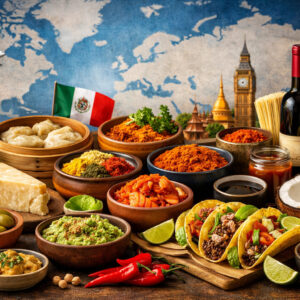
The late 20th and early 21st centuries have seen an unprecedented acceleration of food globalization. Ingredients and culinary techniques from every corner of the world are now readily available. This has fostered the rise of fusion cuisine, where chefs creatively blend different culinary traditions, resulting in exciting new flavors and dishes. Consequently, urban centers worldwide boast an incredible diversity of eateries, reflecting a truly global palate.
Sustainability and Ethical Eating
Growing concerns about climate change, animal welfare, and public health have placed sustainability and ethical eating at the forefront of contemporary food discussions. Movements like farm-to-table, organic farming, and plant-based diets are gaining traction. Consumers are increasingly seeking transparency in their food sources and demanding more environmentally friendly practices from producers. Therefore, these trends are shaping the future of food production and consumption.
Technological Innovations in Food
Technology continues to transform food. From vertical farming and lab-grown meat to personalized nutrition and AI-driven recipe development, innovation is constant. These advancements promise to address global food security challenges, reduce environmental impact, and offer new culinary possibilities. The ongoing evolution ensures that the food history of tomorrow will be as rich and surprising as that of yesterday.
Conclusion
The tapestry of food history is rich and complex, interwoven with threads of human ingenuity, cultural exchange, and environmental adaptation. From the primal hunt to sophisticated molecular gastronomy, our relationship with food has continually evolved, reflecting the very essence of human progress. Indeed, every meal we partake in carries echoes of ancient practices, global voyages, and countless innovations. Understanding this journey not only enriches our appreciation for what we eat but also provides crucial context for addressing the culinary challenges and opportunities that lie ahead. Consequently, the study of food history remains a vital lens through which to comprehend humanity’s past, present, and future.
Want to read more Famous Food about click here
Big Shoutout to the guys who made this blog happen UDM.
Frequently Asked Questions (FAQ)
Q1: What is the significance of the Agricultural Revolution in food history?
A1: The Agricultural Revolution, beginning around 10,000 BCE, was paramount. It shifted human societies from nomadic hunter-gatherer lifestyles to settled farming communities. This led to a stable food supply, population growth, the development of towns and cities, and the specialization of labor, fundamentally shaping the course of human civilization and dietary patterns.
Q2: How did the Columbian Exchange impact global food history?
A2: The Columbian Exchange, following Christopher Columbus’s voyages, facilitated an unprecedented transfer of plants, animals, and diseases between the Old World (Europe, Asia, Africa) and the New World (the Americas). It introduced staple crops like potatoes, tomatoes, and maize to Europe, significantly boosting populations, while bringing wheat, sugar, coffee, and livestock to the Americas, profoundly altering global agriculture and cuisine.
Q3: What role did spices play in ancient and medieval food history?
A3: Spices were incredibly important in ancient and medieval food history, serving multiple roles beyond just flavoring food. They were used for preservation, medicine, perfume, and as symbols of wealth and status. The demand for spices like pepper, cinnamon, and nutmeg fueled extensive trade routes, such as the Silk Road, and spurred exploration, significantly impacting global economies and cultural exchange.
- https://famousfoodblog.com/classic-recipes-timeless-dishes-for-every-home-cook/
- https://famousfoodblog.com/fish-recipes-delicious-healthy-meals-for-everyone/
- http://famousfoodblog.com/picnic-food-ideas-ultimate-guide-to-delicious-outdoor-meals/
- https://famousfoodblog.com/frosting-recipes-your-ultimate-guide-to-sweet-perfection/
- https://famousfoodblog.com/cheesecake-recipe-the-ultimate-guide-to-perfect-dessert/