food travel guide: Your Ultimate Culinary Adventure
Embarking on a culinary journey is more than just eating; it’s an immersive cultural experience. A comprehensive food travel guide transforms a simple trip into an unforgettable gastronomic adventure. Indeed, exploring new destinations through their local flavors offers unique insights into traditions, history, and community. This guide will help you navigate the vibrant world of food tourism, ensuring every bite is a discovery.
Why a Food Travel Guide is Essential for Every Explorer
For many travelers, food is a primary motivator. A specialized food travel guide provides invaluable insights that generic travel guides often miss. For instance, it highlights hidden gems, authentic local eateries, and must-try regional specialties. Moreover, understanding local dining etiquette and common ingredients can significantly enhance your experience. Consequently, a well-prepared guide ensures you savor every moment, avoiding tourist traps and discovering genuine culinary treasures. Therefore, investing time in preparing your food-focused itinerary is paramount.
Planning Your Culinary Journey: A Comprehensive Food Travel Guide
Careful planning is the cornerstone of any successful food-focused trip. This section of our food travel guide outlines key steps to ensure your culinary adventure is seamless and satisfying.
Researching Destinations and Cuisines
Before packing your bags, extensive research is crucial. Consider which cuisines genuinely excite you. Are you drawn to the fiery spices of Southeast Asia, the rich pasta dishes of Italy, or the delicate flavors of Japan? Consult food blogs, travel shows, and reputable culinary websites. Look for destinations celebrated for their street food, fine dining, or unique regional specialties. Furthermore, understanding the local food culture, including meal times and dining customs, will prepare you for an authentic experience. This initial groundwork sets the stage for a truly remarkable journey.
Budgeting for Gastronomic Delights
Food expenses can quickly add up, so a clear budget is vital. Allocate funds for various dining experiences: street food, casual restaurants, and perhaps one or two splurge meals. Remember that local markets often offer delicious and affordable options. Conversely, high-end restaurants may require reservations and a more substantial financial commitment. Also, factor in costs for cooking classes or food tours, which provide excellent value. Planning your food budget effectively allows you to indulge without worry.
Accommodation and Local Access
Your accommodation choice can significantly impact your food experience. Opt for lodging near vibrant food markets, popular dining districts, or public transport hubs. This proximity makes it easier to explore local eateries and participate in culinary activities. Consider staying in an apartment with a kitchen; this allows you to experiment with local ingredients purchased from markets. Ultimately, convenient access to local food scenes is a game-changer for any food traveler.
Navigating Local Food Scenes
Once you arrive, navigating the local food scene can be both thrilling and daunting. This segment of our food travel guide offers practical advice.
Street Food vs. Fine Dining
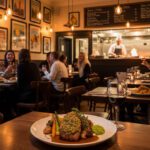
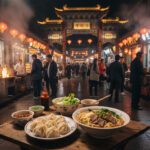
Both street food and fine dining offer distinct experiences. Street food provides an authentic, often budget-friendly glimpse into local flavors and daily life. Do not shy away from bustling stalls; however, always prioritize vendors with long lines and good hygiene practices. On the other hand, fine dining presents an opportunity to experience culinary artistry and impeccable service. It’s often worth splurging on at least one high-end meal to appreciate the local gastronomy at its peak. Balancing these two extremes provides a well-rounded culinary perspective.
Embracing Local Markets
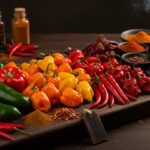
Local markets are a sensory feast and an indispensable part of any food trip. They offer fresh produce, local specialties, and often prepared foods. Engage with vendors; they are a wealth of information about local ingredients and cooking techniques. Sampling fruits, cheeses, and baked goods is highly encouraged. Moreover, markets provide excellent opportunities for photography and cultural immersion. Truly, a visit to a local market is an essential component of the food travel experience.
Dietary Considerations and Allergies
Traveling with dietary restrictions or allergies requires extra vigilance. Research common ingredients and phrases in the local language to communicate your needs effectively. Carry allergy cards translated into the local language. When in doubt, choose simpler dishes or ask for recommendations from staff who understand your concerns. Furthermore, be cautious with street food if your allergies are severe. Safety always comes first, allowing you to enjoy your food adventure responsibly.
Enhancing Your Food Travel Experience
Beyond just eating, there are numerous ways to deepen your connection with local cuisine.
Cooking Classes and Culinary Tours
Participating in a cooking class offers hands-on experience and a deeper understanding of local dishes. You learn techniques, ingredient sourcing, and often the cultural significance behind meals. Similarly, culinary tours, led by local experts, can introduce you to hidden eateries, food history, and even food production sites. These activities provide context and create lasting memories. They are, therefore, highly recommended for enriching your journey.
Documenting Your Delicious Discoveries
Capture your culinary memories through photos, notes, or even a dedicated food journal. Documenting dishes, restaurant names, and personal impressions creates a wonderful keepsake. Share your experiences on social media or with friends; this not only inspires others but also helps you relive your adventures. Remember, the stories behind the food are as important as the flavors themselves.
Ethical and Sustainable Food Tourism
Responsible tourism extends to our eating habits. Support local businesses, particularly small, independent eateries and farmers. Choose restaurants that source ingredients locally and sustainably. Minimize food waste and be mindful of your environmental impact. Furthermore, respect local customs and traditions surrounding food. By practicing ethical and sustainable food tourism, you contribute positively to the communities you visit.
Common Pitfalls to Avoid
Even the most seasoned food traveler can encounter challenges. Avoid these common mistakes for a smoother journey. Firstly, do not overschedule your eating; allow for spontaneity and unexpected discoveries. Secondly, be wary of overly touristy areas; they often offer overpriced and inauthentic food. Thirdly, always carry local currency, as many smaller establishments do not accept cards. Finally, stay hydrated, especially when experimenting with new and spicy cuisines. By avoiding these pitfalls, your food travel experience will be much more enjoyable.
Safety and Health Tips for the Food Traveler
While indulging in new flavors, prioritizing your health and safety remains crucial. This segment of the food travel guide offers essential advice. Firstly, drink bottled water or use a reliable water filter, especially in regions with questionable tap water. Secondly, be cautious with raw foods, particularly seafood and salads, if hygiene standards are uncertain. Always ensure cooked food is served hot. Furthermore, wash your hands frequently, especially before eating. Consider carrying a small first-aid kit with remedies for common digestive issues. Consulting your doctor about necessary vaccinations before your trip is also a wise precaution. By taking these proactive steps, you can fully enjoy your culinary explorations without interruption.
Conclusion
Ultimately, a well-crafted food travel guide is your passport to unparalleled culinary adventures. It empowers you to explore new cultures through their most delicious expressions, from bustling street markets to elegant dining rooms. By planning meticulously, embracing local experiences, and prioritizing health, you can transform any trip into a memorable gastronomic journey. So, pack your bags, prepare your palate, and embark on a delicious exploration of the world’s diverse foodscapes.
Frequently Asked Questions (FAQ)
Q: How do I find authentic local food when traveling?
A: To find authentic local food, avoid overly touristy areas. Instead, look for places frequented by locals, often identified by long queues or recommendations from hotel staff, taxi drivers, or local residents. Exploring local markets and taking a culinary tour are also excellent ways to discover genuine flavors.
Q: What should I do if I have dietary restrictions while traveling?
A: Research common ingredients and phrases in the local language related to your dietary needs. Carry translated allergy cards explaining your restrictions. When ordering, communicate clearly with restaurant staff and choose simpler dishes where ingredients are easily identifiable.
Q: Is street food safe to eat in most destinations?
A: Street food can be a highlight of food travel, but safety varies. Look for vendors with high turnover, meaning food is cooked fresh and served hot. Observe hygiene practices, such as clean cooking surfaces and proper food handling. If you’re unsure, opt for cooked dishes rather than raw items.
Want to read more Famous Food about click here.
Big Shoutout to the guys who made this blog happen UDM.