Forgotten Royal Dishes: Hidden Gems of Mughal Cuisine. When we think of Mughal cuisine, classics like biryani, kebabs, and korma often come to mind. However, the true legacy of Mughal culinary artistry stretches far deeper, laced with forgotten royal dishes—hidden gems that once lit up grand feasts but now hover at the edge of extinction. In 2025, the time is ripe to rediscover these lost flavors and the fascinating history behind them.
Forgotten Royal Dishes: Hidden Gems of Mughal Cuisine
The Mughals were not just brilliant rulers but also extravagant connoisseurs of food. From grand feasts in opulent courts to secret kitchen recipes passed down through generations, Mughal cuisine remains a symbol of luxury, taste, and innovation. But while dishes like biryani, korma, and shahi tukda still shine on restaurant menus, many royal delicacies have slipped into the shadows of history. In this article, we unearth the Forgotten Royal Dishes of Mughal Cuisine, rediscovering the hidden gems that once delighted emperors and queens.
The Legacy of Mughal Cuisine
Before diving into the lesser-known dishes, it’s important to understand what makes Mughal food so distinct:
-
Rich use of spices, dry fruits, and ghee
-
A balance of aromatic flavors and textures
-
Culinary influence from Persia, Central Asia, and India
-
Techniques involving slow cooking, dum pukht, and royal marination
The Mughal emperors employed khansamas (royal chefs) who guarded recipes like state secrets. These culinary treasures are not just food—they’re pieces of history.
Why Mughal Royal Cuisine is Unique
-
Fusion Heritage: Mughal cuisine combines Persian, Turkish, Central Asian, and Indian influences, resulting in an unparalleled richness, complexity, and diversity.
-
Opulent Ingredients: The royals used rare spices (like saffron and mace), dry fruits, nuts, edible silver, and rose water to create luxurious flavors.
-
Innovative Techniques: Chefs (khansamas) experimented with slow-cooking (dum), layering flavors, and artistic presentation.
What Makes a Dish a “Forgotten Gem”?
-
Historical Roots: Recipes lost during the Mughal Empire’s decline or sidelined as regional tastes changed.
-
Rare Ingredients or Techniques: Many dishes require elaborate prep, expensive ingredients, or skills few cooks possess today.
-
Oral Traditions: Some dishes exist only in old manuscripts, legends, or family traditions—nearly invisible to modern foodies.
Forgotten Royal Dishes of Mughal Cuisine: A Culinary Resurrection
Let’s explore these nearly lost treasures that deserve a spot back on our dining tables:
1. Nargisi Kofta (Egg-Stuffed Meatballs)
Focus Keyphrase Mention
Unlike the modern versions seen today, the original Nargisi Kofta was a complex creation involving finely minced mutton, saffron, and rich fillings. The dish was sculpted to resemble the ‘Nargis’ flower—hence the name.
-
Historical Note: Served during formal court banquets.
-
Why Forgotten? Labor-intensive preparation and expensive ingredients.

2. Soola Kabab
This is not your ordinary kabab. Originating from the royal kitchens of Emperor Akbar, Soola Kabab was marinated with raw papaya, yogurt, and a mix of rare herbs, then grilled on an open flame.
-
Taste Profile: Smoky, soft, and spicy with hints of cinnamon.
-
Why Forgotten? Requires traditional open-fire cooking methods.
3. Gosht Do Pyaza
A double onion meat curry, this dish was made with layers of onions—sautéed and caramelized—along with marinated lamb.
-
Royal Touch: Cooked in copper pots using ghee and finished with rosewater.
-
Modern Problem: People now prefer quicker, simplified versions.
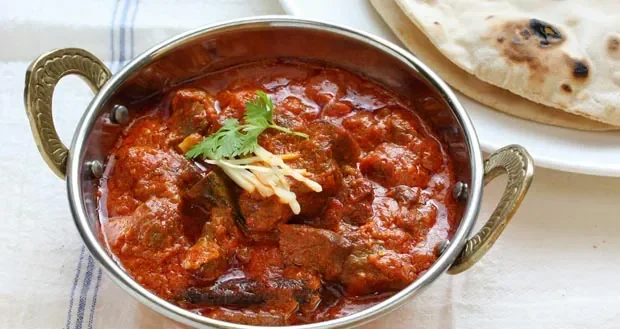
4. Murgh Zameen Doz
Literally meaning “chicken buried in earth,” this is one of the forgotten royal dishes of Mughal cuisine. Whole chicken was marinated, wrapped in leaves, and slow-cooked underground.
-
Why It’s Special: Absorbs natural earth flavors with smoky aroma.
-
Why Forgotten? The technique requires space and time.
5. Motia Pulao
This dish featured pearls—not real ones, but mutton or chicken meatballs coated with edible silver and saffron. The pulao was layered and steamed with rosewater and cardamom.
-
Visual Elegance: Looked like a jeweled crown.
-
Lost Glory: Replaced by simple biryanis in modern cuisine.
6. Yakhni Pulao with Anjeer (Figs)
A royal twist to the standard Yakhni Pulao by adding dried figs. The sweetness balanced the spiced broth-cooked rice and meat.
-
Why It Faded: Use of dry fruits declined due to cost.
7. Khubani ka Meetha with Rose Gel
While the Hyderabadi version still survives, the Mughal variation used a rose-flavored gel and gold flakes to enhance visual appeal.
-
Then: Served in crystal bowls at the emperor’s table.
-
Now: Simplified into plain sweet dishes.
8. Shahi Nihari with Marrow
The Shahi version of Nihari was simmered overnight with saffron, bone marrow, and ghee. It was often served with sheermal or taftan bread.
-
Why Lost? The overnight preparation became inconvenient for modern families.
9. Sheer Birinj (Royal Milk Rice)
This delicate dessert combined soaked basmati rice with thick milk, rose petals, and pistachios, cooked on low flame until creamy.
-
Unique Element: Use of sandalwood essence and saffron.
-
Modern Day: Replaced by basic kheer or rice pudding.
10. Shammi Kebab with Prunes and Apricots
The royal version had a stuffing of mashed prunes or apricots inside a spiced meat patty. Each bite offered a burst of flavor.
-
Why Ignored? Complex to cook and rarely documented.
11. Gosht Ka Halwa
Description: A rich, sweet “meat halwa” made from finely pounded lamb, slow cooked with milk, sugar, ghee, cardamom, saffron, and topped with nuts and edible silver leaf.
-
History: Once prized in Rampur and royal courts for its unique sweet-savory flavor, it’s so refined you’d never guess it contains meat.
-
Why Forgotten: Intricate prep; only a handful of chefs still know the authentic method.
Royal Techniques and Flavors: What Sets Forgotten Dishes Apart?
-
Pepper, Not Chili: Many royal recipes use pepper for warmth rather than chili for heat—creating a subtle, layered flavor profile.
-
Sweet Notes: Some meat dishes intentionally blend in sugar or dried fruit for a gentle sweetness uncommon in today’s fare.
-
Use of Varq: Edible silver and gold leaf elevated dishes visually and symbolized wealth.
-
Complex Preparations: Slow-cooking, infusions, and marinations create unmatched depth of flavor—impractical for mass production.
Why These Dishes Disappeared
The Forgotten Royal Dishes of Mughal Cuisine weren’t lost because they lacked flavor. They faded due to:
-
Colonial influence changing food culture
-
Partition and migration, scattering Mughal descendants
-
Modern cooking trends favoring convenience
-
Loss of royal patronage and traditional khansamas
Cultural Importance of Reviving These Dishes
-
Preserving History – These dishes are edible artifacts of India’s rich heritage.
-
Culinary Innovation – They offer inspiration to modern chefs for fusion recipes.
-
Healthier Choices – Many dishes use wholesome, slow-cooked ingredients.
-
Tourism Boost – Food tourism thrives on unique local offerings.
Reviving the Lost: Where to Experience Forgotten Mughal Dishes
-
Boutique Heritage Hotels/Luxury Restaurants: Special “lost recipe” tasting menus curated by culinary historians or chefs.
-
Cookbooks & Food Festivals: Modern writers and gastronomes are documenting, testing, and celebrating these dishes in books, blogs, and high-end events.
-
Home Kitchens: Some recipes are taught in family workshops or passed down generations among the old khansama clans.
Why Rediscovering These Dishes Matters
-
Cultural Heritage: Food is a living history—reviving these recipes preserves art, tradition, and identity.
-
Culinary Inspiration: These rare recipes inspire innovation and richer, more diverse menus in today’s restaurants.
-
Unique Flavors: Rediscovered dishes offer new taste experiences unlike anything on a standard Mughlai menu.
How to Recreate Forgotten Royal Dishes at Home
You don’t need to be a Mughal chef to experience their cuisine. Here’s how to begin:
1. Start Simple
Begin with dishes like Gosht Do Pyaza or Sheer Birinj, which are easier to cook.
2. Use Authentic Spices
Invest in saffron, green cardamom, rose water, and dry fruits for true flavor.
3. Slow Cook
Royal dishes are not fast food. Use low heat and slow simmering for best results.
4. Presentation Matters
Serve in copper bowls or decorative plates with garnishes like silver leaf or edible flowers.
Forgotten No More: These Dishes Deserve a Comeback
Food isn’t just about taste—it’s about storytelling, memory, and legacy. The forgotten royal dishes of Mughal cuisine hold a treasure trove of flavors that can elevate modern menus and kitchens.
By exploring and sharing these dishes, we keep the cultural spirit of the Mughals alive. Imagine biting into a Nargisi Kofta, knowing emperors once did the same, or savoring Murgh Zameen Doz just as it was centuries ago.
FAQs on Forgotten Mughal Dishes
Q: Why did so many royal Mughal dishes disappear?
A: Changes in social structure, expensive ingredients, labor-intensive techniques, and evolving palates caused many recipes to fade from everyday cooking and public memory.
Q: Can I try these dishes in 2025?
A: Yes—some modern chefs and connoisseurs are reviving Mughal recipes through curated events, cookbooks, and even restaurant pop-ups.
Q: Are these recipes difficult to make at home?
A: Many require patience, rare spices, or special methods, but dedicated foodies and home chefs can try simplified versions using online resources and traditional cookbooks.
Conclusion
The forgotten royal dishes of Mughal cuisine are a tapestry of flavors, aromas, and stories waiting to be rediscovered. Whether you’re a culinary explorer, a history buff, or simply love extraordinary food, diving into these lost recipes connects you with the genius and grandeur of one of history’s most influential empires. In 2025 and beyond, let these hidden gems inspire your table, spark your curiosity, and turn every meal into a royal celebration.
Unveil the forgotten! Taste the legacy of the Mughal royals—one extraordinary dish at a time.
Need a shorter focus key phrase? Try: “Forgotten Mughal Dishes” or “Royal Mughal Recipes”.
Mughal cuisine is far more than the biryani and kebabs we recognize today. Hidden deep within the layers of time are forgotten royal dishes of Mughal cuisine that once graced royal courts and imperial banquets. By rediscovering and reviving them, we’re not only feeding our bodies but also nourishing our heritage.
Whether you’re a chef, food blogger, or simply a lover of history and cuisine—let these dishes inspire you. Share their stories, recreate them with pride, and most importantly, keep them alive.
want to read more article visit our website
Big Shoutout to the guys who made this blog happen UDM.