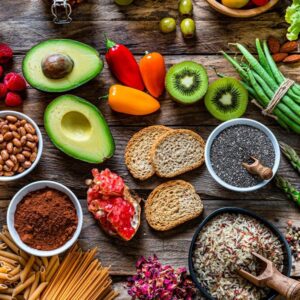
Food is not just about taste anymore; it is about health, sustainability, and innovation. As we step into a new year, the way we eat continues to change quickly. Future food trends 2025 show us how people are looking for meals that are healthier, eco-friendly, and full of exciting flavors. From gut-friendly recipes to eco-smart packaging, the food industry is moving towards choices that fit both lifestyle and environment.
One clear change is the rise of functional foods. People now want snacks and desserts that support energy, digestion, or mental focus. At the same time, bold flavors like hot honey, pistachio, and lavender are turning simple meals into unforgettable dishes. These ingredients prove that taste and wellness can go hand in hand.
In addition, future food trends 2025 highlight a strong shift toward sustainability. Chefs and home cooks alike are finding creative ways to use upcycled ingredients, cut down food waste, and even explore new proteins such as algae or insects. While these ideas once sounded unusual, they are now part of daily conversations.
Technology also plays a big role. With AI-powered recipe tools and smart kitchens, preparing food is becoming faster and more personalized. Altogether, these changes show us that the future of food is vibrant, responsible, and full of opportunities.
Future Food Trends 2025: What’s Cooking in the Culinary World
Rise of Functional Foods
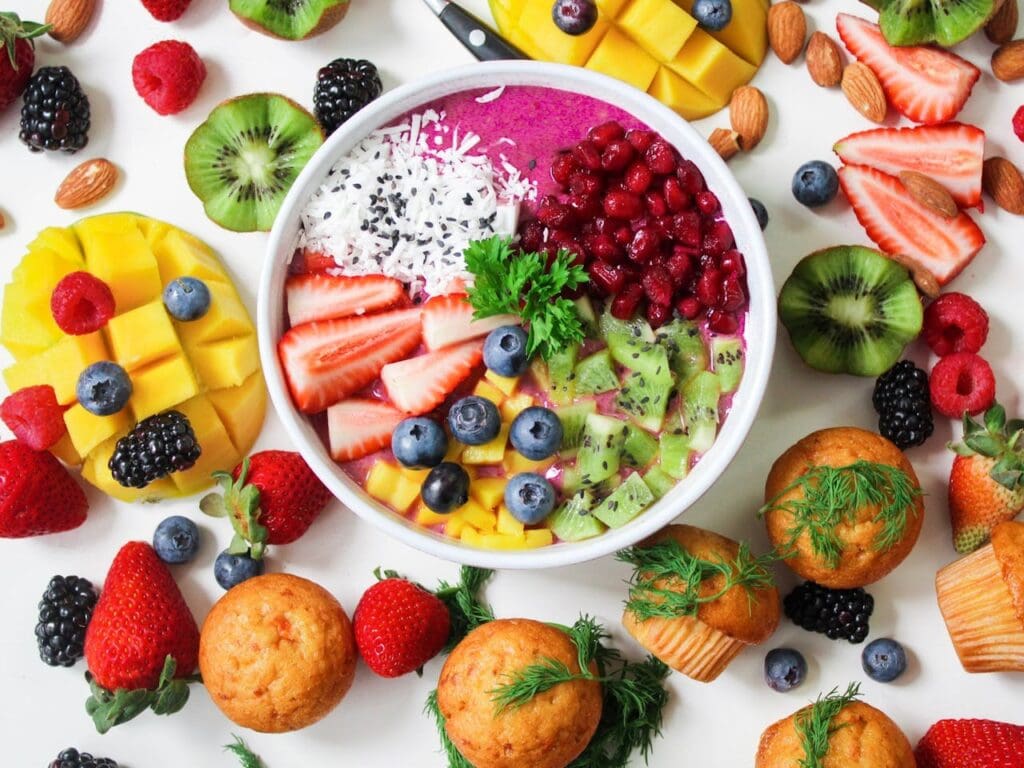
One of the most visible future food trends 2025 is the demand for functional foods. People no longer eat just to satisfy hunger. Instead, they want meals and snacks that give extra benefits. These may include better digestion, improved focus, or support for immunity. Functional foods are often made with natural ingredients such as chia seeds, turmeric, ginger, or probiotics.
For example, probiotic yogurts, kefir smoothies, and fiber-rich snacks are quickly becoming part of everyday diets. Unlike the past, where supplements were the main source of added nutrition, today’s trend blends health with flavor. People enjoy a pistachio dessert that is rich in protein or a turmeric latte that reduces inflammation. This shift proves that food is now seen as medicine but in a delicious and creative way.
Bold and Unique Flavors

In addition to health, taste remains a strong driver. Future food trends 2025 introduce exciting flavors that transform even basic dishes. Hot honey has become a favorite topping, giving both sweet and spicy taste to fried chicken, pizza, or even donuts. Pistachio spreads and desserts are also gaining fame, while lavender adds elegance to drinks and cakes.
These bold flavors do more than just excite the taste buds. They show how global cuisines are blending. For instance, you may find ramen tacos, sumac donuts, or chili chocolate bars in modern kitchens. People are willing to explore combinations that once seemed strange but are now delicious discoveries.
Sustainability in the Kitchen

Another key part of future food trends 2025 is sustainability. More people are aware of how food waste and packaging affect the planet. As a result, eco-friendly cooking practices are spreading fast. Zero-waste cooking, where vegetable peels and scraps are reused, is turning into a norm. Some chefs even create desserts from coffee grounds or bread that would otherwise be thrown away.
Moreover, edible packaging made from seaweed or rice paper is becoming popular. It reduces plastic waste while keeping food safe and attractive. At home, families are also starting to compost kitchen waste, growing small herb gardens, and choosing seasonal foods. These simple steps make eating not only healthier but also more responsible.
Alternative Proteins and New Sources of Nutrition
Protein has always been an important part of meals. Yet, future food trends 2025 show us that traditional sources like meat are no longer the only option. With climate change and population growth, people are seeking sustainable protein alternatives. Algae, insects, and plant-based proteins are entering the market.
For example, cricket flour is used in protein bars, while algae pasta is rich in nutrients and has a lower environmental footprint. Many consumers were once hesitant about these foods, but now they are seen as adventurous and eco-smart choices. Plant-based meat alternatives are also evolving, with better texture and taste than before. These innovations mean that people can enjoy protein-rich meals without harming the environment.
Influence of Technology in Food
Technology is shaping how we eat. One of the most interesting future food trends 2025 is the role of AI in kitchens. AI-powered recipe tools can suggest meals based on personal taste, health goals, or even ingredients already available at home. Smart kitchen gadgets also make cooking easier. From air fryers that save oil to refrigerators that track freshness, technology is changing daily routines.
In restaurants, robotics and automation are improving food preparation. Some cafes already use robots to make coffee or prepare bowls. This doesn’t just speed up service but also reduces human error. Personalized nutrition apps are another result of technology, giving people diet plans that match their DNA, allergies, or lifestyle.
Global Comfort Foods with a Twist
Comfort food never goes out of style, but it is evolving. Future food trends 2025 highlight the rise of global comfort dishes with modern touches. For instance, noodles are no longer just a quick meal. They are being transformed into creative dishes like garlic-butter ramen or spicy noodle stir-fries. Similarly, traditional breads and curries are mixed with fusion flavors to reach wider audiences.
This trend shows how people still want the warmth of comfort food but with new experiences. Restaurants and home cooks are turning classics into fresh creations. Whether it’s a bowl of creamy pasta with a hint of miso or a burger topped with kimchi, these dishes combine tradition with innovation.
Zero-Waste Desserts and Creative Use of Leftovers
A big highlight of future food trends 2025 is zero-waste desserts. People no longer see food scraps as useless. Instead, creative cooks are turning them into tasty recipes. For example, leftover bread can become sweet bread puddings, while orange peels are used to make flavorful candied toppings. Even coffee grounds can be baked into chocolate brownies or used to flavor cookies.
This movement shows how sustainability can be both practical and delicious. It also teaches families to respect food by making the most of every ingredient. Restaurants are adopting this practice too, proudly serving desserts that tell a story of responsibility and innovation.
Foraged and Local Ingredients
Along with sustainability, future food trends 2025 focus on foraged and local ingredients. People are becoming curious about edible plants that grow naturally in their regions. Herbs, wild berries, and mushrooms are not just part of survival stories anymore; they are appearing in high-end restaurants and home kitchens.
Cooking with foraged foods not only supports local ecosystems but also adds unique flavors. Imagine a salad made with wild herbs or a dessert topped with hand-picked mulberries. These choices reduce the need for imported ingredients and celebrate nature’s diversity. At the same time, they bring people closer to their environment, turning meals into a cultural and seasonal experience.
Smart Kitchens and Personalized Cooking
Technology continues to reshape the way we cook. One of the exciting future food trends 2025 is the rise of smart kitchens. These kitchens include appliances that connect to apps, giving users tips, reminders, and even step-by-step guidance. A smart oven can suggest the right temperature for baking, while a connected fridge can alert you when milk is running low.
More advanced tools also use AI to suggest recipes based on what is available at home. For instance, if you have tomatoes, rice, and chicken, the app can suggest five different dishes within seconds. This level of personalization reduces waste, saves time, and makes cooking fun for beginners and professionals alike.
Global Influence on Everyday Meals
Cultural exchange plays a huge role in future food trends 2025. With people traveling more and exploring global cuisine online, everyday meals are becoming more international. Dishes like Korean kimchi fried rice, Japanese ramen, Mexican tacos, and Middle Eastern falafel are being cooked in households far from their origins.
However, these meals are rarely copied in their traditional form. Instead, they are mixed with local flavors. A pizza might be topped with paneer and tikka spices, while tacos may include hummus or spiced potatoes. These global twists prove that food is a universal language, adapting to different tastes while keeping its essence alive.
The Evolution of Beverages
Food is not the only part of the story; drinks are evolving too. Future food trends 2025 include beverages designed for both health and pleasure. Adaptogen teas, kombucha, and probiotic drinks are now as common as coffee. On the other hand, luxury drinks with floral notes like lavender, rose, or hibiscus are rising in popularity.
Even water is being reinvented. Infused waters with herbs, fruits, and minerals are becoming a daily habit for many health-conscious people. Meanwhile, plant-based milk varieties such as oat, almond, and even pea milk are taking over traditional dairy shelves. These drinks are not only tasty but also connect directly with the wellness and sustainability goals that define modern eating.
Future Dining Experiences
Restaurants are also changing with future food trends 2025. Dining out is no longer only about eating; it is about enjoying an experience. Many restaurants now combine technology, sustainability, and storytelling. For example, some offer menus that change with the seasons, while others use AI to suggest meals based on a customer’s preferences.
Interactive dining is another trend. Guests may cook a part of their meal at the table or enjoy dishes paired with digital art and music. These experiences turn food into entertainment and create memories that go beyond the plate. The focus is on connection, culture, and creativity.
Food as a Lifestyle Identity
Finally, one of the biggest future food trends 2025 is the idea that food is part of personal identity. People today share what they eat on social media, choose diets that reflect their values, and support brands that match their beliefs. For instance, someone might follow a plant-based lifestyle not just for health but also for environmental reasons. Another may choose locally sourced food to support community farmers.
This shift means food is no longer private; it is a way to express who we are. From home kitchens to restaurants, the choices we make show the world how we balance taste, health, and responsibility.
FAQs About Future Food Trends 2025
1. What are the top future food trends 2025 everyone should know?
The top trends include functional foods, bold flavors like hot honey and pistachio, sustainable cooking, alternative proteins, and smart kitchen technology.
2. Why are functional foods popular in 2025?
They are popular because people want meals that support health goals, such as digestion, energy, or immunity, while still tasting good.
3. What role does sustainability play in future food trends 2025?
Sustainability is central. From zero-waste cooking to edible packaging, people are making choices that reduce environmental impact.
4. Are alternative proteins really part of daily diets?
Yes. Plant-based meat, insect flour, and algae are becoming more common because they are nutritious and eco-friendly.
5. How is technology influencing food in 2025?
AI-powered recipe apps, smart ovens, and robotic food preparation are making cooking faster, easier, and more personalized.
6. What global flavors are shaping future food trends 2025?
Flavors like lavender, sumac, turmeric, kimchi, and fusion dishes like ramen tacos are shaping global food experiences.
7. Are zero-waste desserts really popular?
Yes, chefs and home cooks are using leftovers like bread, coffee grounds, and fruit peels to make delicious desserts.
8. How do beverages fit into future food trends 2025?
Probiotic drinks, adaptogen teas, infused waters, and plant-based milks are becoming staples of modern diets.
9. Will dining experiences change in the future?
Absolutely. Restaurants are focusing on interactive meals, seasonal menus, and AI-driven personalization to create unique experiences.
10. How does food reflect lifestyle choices in 2025?
Food is part of identity. People share their diets online, choose eco-friendly options, and use food to express health and cultural values.
Conclusion
The future food trends 2025 reveal a world where food is more than just nourishment. It is health, culture, sustainability, and identity combined. Functional meals are making wellness delicious, bold flavors are redefining comfort food, and sustainable choices are shaping responsible dining. At the same time, technology is personalizing the cooking experience, while restaurants are transforming meals into creative journeys.
As we move forward, food will continue to tell our stories. Whether it is a zero-waste dessert, a lavender drink, or a smart AI recipe suggestion, every trend highlights the way people want to live today and tomorrow. In short, the future of food is innovative, inclusive, and inspiring—an exciting journey for both chefs and eaters alike.
Want to read more about famousfood click here
Big Shoutout to the guys who made this blog happen UDM.