


Global Cuisine Trends 2025 – Exploring the Flavors Shaping the Future of Food

global cuisine trends Food is more than just a necessity — it’s a reflection of culture, creativity, and connection. As we step into 2025, the world of cuisine is evolving faster than ever before. From plant-based innovations and fusion dishes to sustainable sourcing and AI-driven recipes, global dining habits are transforming in exciting ways.

In this article, we’ll explore the most fascinating global cuisine trends of 2025 — the flavors, techniques, and cultural influences shaping how people eat around the world. Whether you’re a passionate foodie, chef, or curious traveler, these trends will give you a glimpse into the delicious future of food.

Global Cuisine Trends 2025 – Exploring the Flavors Shaping the Future of Food

Food is one of the greatest joys of life. It connects people, tells stories, and helps us understand different cultures. In today’s world, food is not just something we eat — it’s an experience. It reflects our values, creativity, and even technology. As we move into 2025, the world of food is evolving faster than ever before.

From the rise of fusion cooking to the return of ancient grains, the food industry is full of excitement and innovation. Whether you’re a home cook, a traveler, or a food lover, you’ll notice that global cuisine is becoming more diverse, sustainable, and meaningful.

Let’s explore the most popular global cuisine trends of 2025 — and discover how the future of food is being shaped by flavor, culture, and creativity.

Fusion Flavors Are Getting Smarter

Fusion cuisine is not new, but it has evolved. In the past, fusion food was often random — mixing ingredients without much thought. But now, chefs are blending cuisines with respect and understanding. They are telling cultural stories through food.

Imagine a taco filled with Korean bulgogi beef, or pasta tossed with Thai basil and coconut cream. These dishes don’t just combine flavors; they bring people together. The goal is to create harmony between cultures.

Popular 2025 fusion dishes:

  • Kimchi tacos

  • Indian butter chicken pizza

  • Japanese sushi burritos

  • Mexican ramen bowls

  • Thai-style spaghetti

Chefs today are learning from each other, traveling more, and collaborating globally. Fusion is no longer about trendiness — it’s about creativity with purpose.

The Rise of Gourmet Plant-Based Dining

Plant-based food is now mainstream. Gone are the days when vegan food meant bland salads and tofu. In 2025, chefs are turning vegetables into gourmet masterpieces.

Mushrooms are replacing meat, jackfruit mimics pulled pork, and cauliflower steaks are taking center stage. Restaurants are experimenting with fermentation, smoking, and aging techniques to bring depth and texture to plant-based dishes.

Why this trend is growing:

  • People care more about health and sustainability.

  • Plant-based options are easier to find and more delicious.

  • The younger generation is more open to meat alternatives.

Examples of trending plant-based dishes:

  • Truffle mushroom risotto

  • Jackfruit curry

  • Beetroot carpaccio with balsamic glaze

  • Vegan sushi rolls

Even top Michelin-star restaurants are adding plant-based tasting menus. It’s clear: vegetables are no longer side dishes — they’re the stars.

 Hyper-Regional Cuisine Is Taking Over

Instead of saying “Asian food” or “European food,” people now want to know exactly where their food comes from. In 2025, diners are more curious about local and regional dishes that tell a deeper story.

For example, rather than general “Indian food,” people are exploring dishes like:

  • Goan fish curry

  • Punjabi chole bhature

  • Kashmiri rogan josh

  • Bengali mustard fish

Similarly, Italian food lovers are discovering Sicilian arancini, Venetian seafood pasta, and Tuscan ribollita soup. Every region has something unique to offer — and that’s what people want to taste.

This trend celebrates authenticity. It allows local chefs to share their culture proudly while giving diners an opportunity to travel the world through their plates.

Smart Kitchens and AI-Driven Cooking

Technology has found its way into our kitchens. In 2025, cooking is smarter, faster, and more creative thanks to AI and connected devices.

AI-powered recipe tools can suggest meals based on what’s in your fridge. Smart ovens can adjust cooking times automatically. Even your smartwatch can recommend recipes based on your calorie goals or mood.

What’s new in 2025 kitchens:

  • AI meal planners that create balanced diets.

  • Robots that help prepare simple dishes.

  • Smart ovens that scan food for doneness.

  • Voice-controlled appliances that make cooking hands-free.

Technology is making it easier for anyone to cook like a chef — and waste less food in the process.

Ancient Grains Are Back in Fashion

While the world is moving forward, our taste in grains is going back to the roots. Ancient grains like millet, amaranth, spelt, and quinoa are making a big comeback in 2025.

These grains are packed with nutrients, naturally gluten-free, and environmentally friendly. Farmers are reintroducing them because they grow easily in tough climates and require less water.

Examples of ancient-grain dishes:

  • Millet porridge for breakfast

  • Amaranth pancakes

  • Sorghum grain bowls

  • Spelt bread with seeds

Ancient grains are also connecting us to traditional farming and forgotten food cultures. They prove that old really can be gold.

 Sustainability Is No Longer Optional

Sustainability is at the heart of modern food culture. Consumers want to know where their food comes from, how it’s grown, and whether it harms the planet.

Restaurants are now focusing on:

  • Using locally sourced ingredients.

  • Reducing food waste through creative recipes.

  • Offering seasonal menus.

  • Using biodegradable packaging.

For example, some restaurants use vegetable scraps to make soups and broths, while others compost their waste or donate leftovers to shelters.

Chefs are becoming environmental ambassadors, showing that delicious food can also be responsible.

 Comfort Food with an International Twist

Everyone loves comfort food — the kind of meals that make us feel happy and relaxed. But in 2025, comfort food is becoming global.

Instead of the usual burgers and fries, people are trying international favorites like:

  • Japanese ramen

  • Moroccan couscous

  • Pakistani biryani

  • Italian lasagna

  • Filipino adobo

Chefs are adding modern twists to these traditional dishes — for example, truffle biryani, Korean fried chicken burgers, or vegan mac and cheese.

Comfort food connects people emotionally, reminding them of family and home, no matter where they come from.

 Functional Foods and Gut Health

Food today isn’t just about taste — it’s about function. In 2025, people are eating to improve their health, energy, and mood.

Functional global cuisine trends  foods are those that offer extra benefits beyond nutrition. These include fermented foods like kimchi, yogurt, and kombucha, which support gut health, and adaptogenic herbs like ashwagandha and ginseng, which reduce stress.

Examples of trending functional foods:

  • Mushroom coffee

  • Turmeric shots

  • Smoothies with chia seeds and spirulina

  • Kefir bowls

People now understand that good digestion equals good health — and food is the first step to achieving it.

Dining as an Experience

In 2025, people don’t just go out to eat; they go out for an experience. Restaurants are transforming dining into art, storytelling, and emotion.

Some use immersive décor, lighting, and sound to make guests feel like they’ve traveled to another country. Others tell the story of the ingredients — where they came from, who grew them, and why they matter.

Examples of experiential dining:

  • A restaurant that recreates a Japanese street market.

  • A Peruvian eatery that plays local music and uses traditional clay pots.

  • A Nordic restaurant that serves foraged herbs on wooden boards.

This approach connects diners emotionally to their food, making every meal a journey of discovery.

The Dessert Revolution

Desserts in 2025 are creative, artistic, and healthier than before. People are seeking sweets that are both indulgent and guilt-free.

Popular dessert trends:

  • Vegan cheesecakes

  • Matcha and yuzu pastries

  • Cardamom-infused chocolates

  • Miso caramel ice cream

  • Fruit-based tarts with minimal sugar

Chefs are focusing on natural sweetness using fruits, dates, and honey. They’re also inspired by global flavors — combining ingredients like rose, saffron, and coconut for unique results.

Dessert is no longer the end of the meal; it’s an experience of color, texture, and imagination.

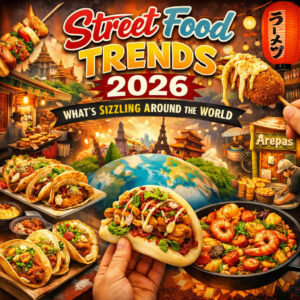
 Street Food Goes Upscale

Street food is beloved worldwide because it’s flavorful, affordable, and full of character. In 2025, fine-dining restaurants are embracing street food and giving it a modern upgrade.

You’ll now find gourmet tacos, bao buns, and shawarma sliders in luxury hotels and food festivals. Even street vendors are gaining global recognition for their craft.

Examples:

  • Luxury food trucks serving lobster rolls

  • Fine-dining versions of Indian chaat

  • Artistic plating of classic street foods

This trend honors the creativity and hard work of local cooks — proving that great flavor doesn’t need fancy presentation.

 The Beverage Evolution

Drinks are no longer just for quenching thirst — they’re part of the culinary story. In 2025, beverages are creative, health-conscious, and globally inspired.

Trending beverages:

  • Herbal teas with unique blends

  • Non-alcoholic cocktails (“mocktails”)

  • Fermented drinks like kombucha and kefir

  • Specialty coffees from single-origin farms

There’s also a movement toward mindful drinking — enjoying flavorful drinks without alcohol. Bars now serve craft mocktails with exotic ingredients like lemongrass, hibiscus, and rose water.

Coffee culture continues to thrive too, with cold brews, nitrogen-infused coffees, and latte art competitions taking over cafes worldwide.

 Personalized Nutrition Through Technology

Personalized nutrition is the future of food. With new apps and AI tools, people can now create diets that fit their exact needs.

Some apps track your sleep, stress, and fitness to recommend meals. Others use DNA testing to identify what foods your body digests best.

Restaurants are even beginning to offer customized menus — where diners choose ingredients based on their nutritional goals. This makes healthy eating more accessible and enjoyable.

Key benefits of personalized nutrition:

  • Better digestion and energy

  • Improved immunity

  • Weight and mood balance

  • Reduced food waste

This approach empowers people to eat smarter, not just cleaner.

14. Local Ingredients Are the New Luxury

In the past, fine dining meant imported ingredients. In 2025, local food is the new luxury. Chefs and consumers now value freshness, sustainability, and community over expensive imports.

Farm-to-table restaurants are thriving. Chefs visit local farms, choose seasonal produce, and design menus around what’s available. This builds trust between producers and diners — and supports local economies.

Examples:

  • Restaurants in France serving only regional cheeses.

  • Middle Eastern eateries using dates, figs, and local herbs.

  • Asian cafes growing their own herbs and microgreens.

Local food tastes better, travels less, and helps the planet. It’s a win-win for everyone.

15. Breakfast Around the World

Breakfast is becoming the most creative meal of the day. Instead of boring cereal, people are starting their mornings with international inspiration.

Trending breakfast ideas in 2025:

  • Turkish menemen (scrambled eggs with tomatoes and peppers)

  • Japanese rice and miso soup sets

  • Mexican chilaquiles with avocado

  • French-style croissant sandwiches

  • Pakistani halwa puri on weekends

Social media has played a big role in this trend. People love sharing colorful, beautiful breakfast dishes online — making mornings more exciting than ever.

16. Food as Culture, Identity, and Connection

One of the biggest trends of 2025 isn’t about ingredients — it’s about meaning. Food has become a form of cultural expression and connection.

People are celebrating their roots by reviving traditional recipes passed down through generations. Social media platforms are full of creators showcasing their home-cooked cultural meals, teaching others about their heritage.

This trend encourages understanding and unity. It reminds us that, no matter where we come from, food connects us all.

FAQs

1. What are the biggest global cuisine trends in 2025?

In 2025, major food trends include fusion cooking, plant-based diets, sustainable ingredients, AI-assisted recipe creation, and the rise of local and organic produce. People are also exploring authentic street food experiences and bold flavor combinations from around the world.

2. Why is fusion cuisine becoming more popular

Fusion cuisine blends ingredients and techniques from different cultures to create something new and exciting. As travel and digital media connect people globally, chefs are inspired to mix flavors, leading to dishes that appeal to adventurous eaters.

3. What role does sustainability play in modern cooking?

Sustainability is one of the top priorities in today’s food industry. Consumers are more conscious about reducing waste, supporting local farmers, and choosing eco-friendly packaging. Restaurants and brands are adopting sustainable sourcing and minimizing carbon footprints.

4. Are plant-based foods still trending in 2025?

Yes! Plant-based meals continue to dominate menus globally. Advances in food technology have made plant-based proteins tastier and more accessible, appealing not only to vegans but also to people looking for healthier and more ethical food options.

5. How is technology changing the global cuisine trends food scene?

Technology is revolutionizing cooking with AI recipe generators, smart kitchen gadgets, and digital dining experiences. Chefs use AI to experiment with ingredients, while consumers rely on apps to track nutrition, reduce waste, and explore new cuisines.

6. Which regions are influencing global cuisine trends  the most in 2025?

Asian, Mediterranean, and Middle Eastern cuisines continue to inspire global food trends. Their emphasis on fresh herbs, spices, and balanced flavors resonates with today’s focus on health, wellness, and taste diversity.

7. What is the future of dining in 2025 and beyond?

The future of dining is about personalization, sustainability, and experience. Whether dining out or cooking at home, people want unique, meaningful, and eco-conscious food experiences that connect them to global cultures.

Conclusion

The food world in 2025 is exciting, diverse, and full of heart. Chefs and home cooks alike are rethinking what it means to eat well. They’re mixing innovation with tradition, creativity with sustainability, and flavor with meaning.

From AI-powered recipes to hyper-regional street food, every trend points to one big truth — food is more global than ever before. It’s not just about what we eat; it’s about how it makes us feel, the stories it tells, and the communities it builds.

Want to read more about famousfood click here

Big Shoutout to the guys who made this blog happen UDM.

Show Comments (0) Hide Comments (0)
0 0 votes
Article Rating
Subscribe
Notify of
guest
0 Comments
Oldest
Newest Most Voted
Inline Feedbacks
View all comments
0
Would love your thoughts, please comment.x
()
x