Global flavors at home: Explore Culinary Journeys
Embarking on a culinary adventure without leaving your kitchen has become a delightful reality for many food enthusiasts. Bringing global flavors at home offers an unparalleled opportunity to explore diverse cultures and tantalize your taste buds with exotic aromas and textures. This trend, furthermore, allows home cooks to broaden their culinary horizons significantly. Indeed, you can transform everyday meals into extraordinary experiences by simply incorporating international ingredients and techniques. Therefore, mastering the art of preparing global dishes is both rewarding and accessible.
In this comprehensive guide, we will delve into the exciting world of international cooking. We aim to equip you with the knowledge and inspiration needed to confidently recreate authentic global flavors at home. From understanding the benefits of diverse cooking to sourcing unique ingredients and mastering new techniques, we cover every aspect. Consequently, your kitchen will become a vibrant hub of international cuisine.
Why Embrace Global Flavors at Home?
Cooking international dishes transcends mere sustenance; it is an enriching experience. There are numerous compelling reasons to welcome global flavors at home. These benefits extend beyond the plate, impacting health, cultural understanding, and even personal finance.
Health Benefits and Dietary Diversity
Incorporating diverse cuisines naturally introduces a wider array of nutrients into your diet. For instance, Mediterranean diets are rich in healthy fats and vegetables, while many Asian cuisines emphasize lean proteins and fermented foods. Consequently, this dietary diversity can lead to improved gut health, better weight management, and a reduced risk of chronic diseases. Furthermore, exploring new ingredients often means discovering superfoods previously unknown to your palate.
Cultural Exploration and Learning
Food is a powerful gateway to culture. By preparing dishes from around the world, you gain insight into different traditions, histories, and ways of life. Each recipe tells a story, from the spices used in an Indian curry to the fermentation process of Korean kimchi. Moreover, this culinary journey fosters a deeper appreciation for global diversity. It encourages empathy and understanding, making you a more informed global citizen.
Budget-Friendly Dining
Dining out at international restaurants can be expensive. Conversely, preparing global flavors at home is often far more economical. Many international recipes rely on inexpensive staples like rice, beans, and seasonal vegetables. Therefore, you can enjoy gourmet-quality meals without the hefty price tag. This approach allows for significant savings over time, especially for families.
Skill Development and Creativity
Venturing into international cooking challenges your culinary skills. You will learn new cutting techniques, cooking methods, and flavor combinations. This process enhances your overall cooking proficiency. Additionally, it sparks creativity as you experiment with different ingredients and adapt recipes to your taste. The kitchen transforms into a laboratory of delicious innovation.
Essential Tools and Ingredients for Global Flavors at Home
To successfully bring global flavors at home, a well-stocked pantry and a few essential tools are invaluable. You do not need a professional kitchen, but some thoughtful additions can make a significant difference.
Pantry Staples from Around the World
Building a diverse pantry is key. Consider stocking up on items such as:
- Spices: Cumin, coriander, turmeric, paprika, garam masala, chili powder, star anise, cardamom. These form the backbone of many international dishes.
- Sauces & Condiments: Soy sauce, fish sauce, sriracha, sesame oil, rice vinegar, tahini, harissa, olive oil. These add depth and authentic flavor profiles.
- Grains & Legumes: Basmati rice, jasmine rice, couscous, lentils, chickpeas. These are foundational ingredients in numerous cuisines.
- Canned Goods: Coconut milk, diced tomatoes, various beans. They offer convenience and versatility.
Specialized Equipment (Optional but Helpful)
While not strictly necessary for every dish, certain tools can elevate your international cooking:
- Wok: Ideal for stir-frying and quick cooking in Asian cuisine.
- Mortar and Pestle: Essential for grinding fresh spices and creating pastes, especially in Indian and Thai cooking.
- Tagine: A traditional North African cooking vessel perfect for slow-cooked stews.
- Rice Cooker: Guarantees perfectly cooked rice every time, a staple in many global diets.
- Pressure Cooker: Speeds up cooking times for tough meats and legumes, common in many traditional recipes.
Sourcing Authentic Ingredients
Finding authentic ingredients is crucial for achieving genuine global flavors at home. Consider these options:
- International Markets: These are treasure troves of unique spices, fresh produce, and specialty items from specific regions.
- Online Retailers: Many online stores specialize in ethnic ingredients, delivering them directly to your door.
- Local Farmers’ Markets: Sometimes, you can find specialty herbs or vegetables grown locally by diverse communities.
Exploring Different Cuisines: A World Tour from Your Kitchen
Let’s embark on a culinary journey, exploring how to recreate various global flavors at home.
Asian Delights: From Sushi to Curry
Asian cuisine is incredibly diverse. Japanese cooking often focuses on fresh ingredients and precise techniques, as seen in sushi and ramen. Meanwhile, Thai and Indian dishes are known for their complex spice blends and aromatic curries. Essential ingredients include soy sauce, ginger, garlic, coconut milk, and various curries. Start with simple stir-fries or a basic chicken tikka masala before moving to more intricate preparations.
Mediterranean Marvels: Herbs, Olives, and Freshness
Mediterranean cooking emphasizes fresh vegetables, olive oil, lean proteins, and aromatic herbs. Think Greek salads, Italian pasta, Spanish paella, and Middle Eastern hummus. Key flavors come from oregano, basil, thyme, garlic, lemon, and olives. These dishes are often light, healthy, and bursting with fresh taste. Grilling and roasting are common cooking methods.
Latin American Rhythms: Spices and Vibrant Dishes
Latin American cuisine is characterized by its vibrant colors and bold flavors. From Mexican tacos and enchiladas to Peruvian ceviche and Brazilian feijoada, there’s a wide spectrum. Common ingredients include chili peppers, cilantro, lime, corn, beans, and various meats. The use of spices like cumin and oregano is prominent. These dishes are often hearty and perfect for sharing.
African Aromas: Rich Stews and Unique Grains
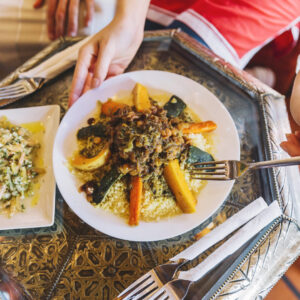
African cuisine, though less globally recognized, offers incredibly rich and diverse global flavors at home. West African stews often feature peanuts or palm oil, while North African dishes incorporate tagines and couscous. Ingredients like plantains, yams, okra, and unique spices such as berbere and ras el hanout are common. Exploring these flavors introduces you to truly unique culinary traditions.
European Classics: Comfort and Elegance
Beyond Italy and Greece, European cuisine offers a vast array of comforting and elegant dishes. French cooking emphasizes sauces and refined techniques, German cuisine features hearty meats and potatoes, and Eastern European dishes often include rich stews and pickled vegetables. Ingredients vary widely but often include butter, cream, robust meats, and root vegetables. These dishes often evoke a sense of tradition and warmth.
Tips for Successfully Cooking Global Flavors at Home
Venturing into new culinary territories can be daunting. However, with a few practical tips, you can confidently prepare global flavors at home.
Start Simple and Build Confidence
Do not try to master a complex seven-course meal on your first attempt. Begin with simple, well-known dishes. For instance, a basic pad Thai, a simple pasta carbonara, or a straightforward taco recipe. As you gain confidence and familiarity with the ingredients and techniques, gradually tackle more challenging recipes. This incremental approach ensures success and enjoyment.
Master Key Techniques
Each cuisine has its characteristic cooking methods. Learning these fundamental techniques will significantly improve your results. For Japanese cooking, understanding how to properly cook rice is crucial. For stir-fries, mastering the art of high-heat, quick cooking is essential. Similarly, for Indian curries, knowing how to temper spices (tarka) makes a huge difference. Invest time in learning these foundational skills.
Experiment with Spices and Herbs
Spices and herbs are the soul of global flavors at home. Do not be afraid to experiment. Taste them individually to understand their unique profiles. Start with recommended amounts in recipes, then adjust to your preference. Remember that fresh herbs often provide a brighter flavor than dried ones. Furthermore, proper storage of spices ensures their potency and flavor longevity.
Adapt Recipes to Your Taste
While authenticity is often a goal, feel free to adapt recipes to suit your palate and available ingredients. If you cannot find a specific chili pepper, consider a suitable substitute. If you prefer less spice, adjust the chili content. The goal is to enjoy the food you create. Therefore, treat recipes as guidelines rather than strict rules, especially when first exploring new cuisines.
Presenting Your Dishes
Presentation significantly enhances the dining experience. Pay attention to how dishes are traditionally served. Use appropriate garnishes, such as fresh herbs, lime wedges, or toasted nuts. Thoughtful plating can elevate even the simplest meal. Moreover, serving in traditional bowls or on unique dinnerware can further immerse you in the cultural experience.
Overcoming Challenges in Your Global Culinary Journey
Even experienced cooks face hurdles when trying new global flavors at home. Knowing how to address common challenges will ensure a smoother culinary journey.
Ingredient Substitutions
Sometimes, authentic ingredients are hard to find. Learn about common substitutions. For instance, if you cannot find galangal, a combination of ginger and lime zest can offer a similar aromatic profile. Similarly, for specific chili pastes, a mix of available chilies and spices might work. Online resources and cookbooks often provide excellent substitution charts. However, always be mindful that substitutions may alter the final flavor profile slightly.
Time Management for Complex Dishes
Many international dishes, particularly stews and curries, require longer cooking times or multiple preparation steps. Plan ahead. Break down complex recipes into manageable tasks. For example, chop vegetables the day before, or prepare sauces in advance. Batch cooking is also an excellent strategy; make a larger portion and freeze some for later. Consequently, you can enjoy delicious global flavors at home even on busy weeknights.
Learning New Cooking Methods
Some cuisines employ unique cooking methods that might be unfamiliar. Do not be discouraged. Watch online tutorials, read detailed instructions, and practice. For example, mastering the art of making fresh pasta or rolling perfect spring rolls takes time and patience. Embrace the learning process, and celebrate your progress. Every new technique learned expands your culinary repertoire.
Want to read more Famous Food about click here
Big Shoutout to the guys who made this blog happen UDM,
- https://famousfoodblog.com/mindful-eating-food-choices-a-guide-to-healthier-habits/
- https://famousfoodblog.com/balanced-diet-meal-ideas-fueling-your-body-right/
- https://famousfoodblog.com/nutrient-dense-everyday-meals-fuel-your-body-right/
- https://famousfoodblog.com/minimalist-recipe-ideas-simplify-your-cooking/
- https://famousfoodblog.com/easy-rice-based-meal-recipes-quick-delicious/