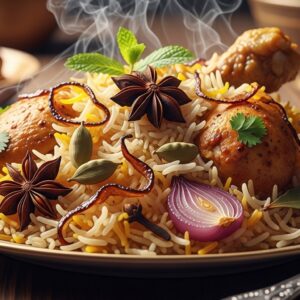
Gluten free recipes: Delicious & Healthy Meals
Adopting a gluten-free lifestyle can initially seem daunting, however, it truly opens up a world of culinary possibilities. For many, a gluten-free diet is a medical necessity, primarily for those with celiac disease or non-celiac gluten sensitivity. Nevertheless, others choose this path for perceived health benefits, such as reducing inflammation or improving digestion. Regardless of the reason, finding genuinely tasty and satisfying gluten free recipes* is crucial for long-term success and enjoyment. This comprehensive guide will explore the fundamentals of gluten-free cooking, offer essential tips, and provide a wealth of delightful *gluten free recipes suitable for every meal of the day.
Understanding the Gluten-Free Lifestyle
Embarking on a gluten-free journey requires a foundational understanding of what gluten is and where it typically hides. Moreover, knowing who truly benefits from this dietary change helps in making informed decisions.
What is Gluten?
Gluten is a general name for the proteins found in wheat, barley, rye, and triticale. It acts as a “glue” that holds foods together, giving them elasticity and a chewy texture. Consequently, it is a key component in many baked goods and processed foods.
Who Benefits from Gluten-Free?
Primarily, individuals with celiac disease must strictly avoid gluten. This autoimmune condition causes damage to the small intestine upon gluten consumption. Furthermore, people with non-celiac gluten sensitivity experience various symptoms like bloating and fatigue after eating gluten, without the intestinal damage. Additionally, those with a wheat allergy often follow a gluten-free diet to prevent allergic reactions. Therefore, for these groups, avoiding gluten is a medical necessity.
Common Gluten-Containing Ingredients
Identifying gluten can be tricky as it appears in many unexpected places. Obviously, wheat flour is a major source. However, barley, found in malt and some beers, and rye, common in certain breads, also contain gluten. Triticale, a hybrid of wheat and rye, is another culprit. Moreover, gluten can be hidden in sauces, processed meats, candies, and even some medications. Consequently, meticulous label reading is paramount. Look for “modified food starch” or “natural flavors” which may contain hidden gluten.
Essential Tips for Gluten-Free Cooking
Successful gluten-free cooking goes beyond simply avoiding gluten. It involves strategic planning, proper ingredient selection, and careful preparation.
Stocking Your Pantry for Success
A well-stocked pantry is the cornerstone of effortless gluten-free cooking. For instance, consider stocking up on naturally gluten-free grains like quinoa, rice, corn, and certified gluten-free oats. Furthermore, gluten-free flours such as almond flour, coconut flour, rice flour, and tapioca starch are indispensable for baking. Always have plenty of fresh fruits, vegetables, lean proteins, and healthy fats on hand. Thus, you will consistently have a robust foundation for delicious meals.
Preventing Cross-Contamination
Cross-contamination is a significant concern for those with celiac disease. Even tiny amounts of gluten can trigger a reaction. Therefore, dedicated cutting boards, toasters, and utensils might be necessary. Always clean surfaces thoroughly before preparing gluten-free meals. Moreover, storing gluten-free items separately from gluten-containing foods, perhaps on different shelves, is a wise practice.
Smart Ingredient Substitutions
Many traditional recipes can be wonderfully adapted into safe and delicious gluten free recipes with thoughtful substitutions. For example, use gluten-free all-purpose flour blends in place of wheat flour in baking. Xanthan gum often helps replicate the elasticity gluten provides. Additionally, instead of traditional soy sauce, opt for tamari. Furthermore, corn tortillas or lettuce wraps can effectively replace wheat tortillas or bread. Ultimately, experimenting with different alternatives will help you discover new favorites.
Delicious Gluten Free Recipes for Every Meal
Embracing a gluten-free diet certainly does not mean sacrificing flavor or variety. On the contrary, a vast world of mouth-watering gluten free recipes awaits your discovery.
Breakfast Delights
Start your day right with satisfying gluten-free options. For instance, a hearty bowl of certified gluten-free oatmeal with berries and nuts provides sustained energy. Alternatively, whip up fluffy gluten-free pancakes or waffles using a specialized flour blend. Moreover, egg-based dishes like omelets or frittatas are naturally gluten-free and packed with protein. Consider also gluten-free breakfast burritos using corn tortillas.
Lunchtime Favorites
Lunch can be quick and delicious without gluten. A vibrant salad with grilled chicken or chickpeas, dressed with a homemade vinaigrette, is always an excellent choice. Furthermore, enjoy a flavorful soup made with gluten-free broth and gluten-free noodles or legumes. Sandwiches can also be enjoyed using gluten-free bread, filled with your favorite lean proteins and fresh vegetables. Rice paper rolls or lettuce wraps are also great options.
Hearty Dinner Options
Dinner truly offers endless possibilities for creative gluten free recipes. Consider a succulent roasted chicken with root vegetables. Pasta lovers can rejoice with gluten-free pasta varieties, paired with rich tomato sauces or pesto. Additionally, quick and versatile stir-fries with rice noodles and plenty of fresh vegetables and protein are always a hit. For a comforting meal, try a shepherd’s pie with a mashed potato topping instead of a pastry crust. Many curries and stews are also naturally gluten-free.
Sweet Treats & Desserts
Adopting a gluten-free diet absolutely does not mean you have to give up dessert! On the contrary, a plethora of delightful gluten-free sweet treats exists. For example, bake a batch of almond flour cookies or decadent brownies made with gluten-free flour. Fruit crisps with a certified gluten-free oat-based topping are also excellent. Moreover, many fruit-based desserts, like baked apples or sorbets, are naturally gluten-free. Consequently, you can confidently indulge your sweet tooth without worry.
Navigating Social Situations
Maintaining a gluten-free diet in various social settings can present unique challenges. However, with thoughtful preparation and clear communication, it is entirely manageable.
Eating Out with Confidence
When dining at restaurants, it is paramount to communicate your dietary needs clearly. Ideally, call ahead to inquire about gluten-free options and cross-contamination protocols. Many restaurants now offer dedicated gluten-free menus or clearly marked dishes. Always ask your server about ingredients, especially in sauces and dressings. Furthermore, opting for simpler dishes like grilled meats and vegetables can significantly reduce risk. Don’t hesitate to ask questions.
Cooking for Others and Being a Guest
If you are hosting or cooking for someone who is gluten-free, understanding their specific needs is vital. Inquire about their sensitivities and preferred gluten free recipes. Similarly, if you are a gluten-free guest, consider offering to bring a delicious gluten-free dish to share. This thoughtful gesture ensures you have a safe option and reduces the burden on your host. Open communication and consideration make social dining enjoyable for everyone.
Conclusion
Embracing a gluten-free lifestyle offers numerous health benefits and a world of culinary exploration. By understanding gluten, equipping your kitchen, and utilizing smart substitutions, you can confidently prepare a wide array of delicious and safe gluten free recipes. From hearty breakfasts to sweet desserts, going gluten-free doesn’t mean compromising on flavor or variety. With a little planning and creativity, you can enjoy a vibrant, fulfilling, and naturally gluten-free diet, making every meal a delightful experience.
Want to read more Famous Food about click here
Big Shoutout to the guys who made this blog happen UDM.
Frequently Asked Questions (FAQ)
Q: What is the biggest challenge when starting a gluten-free diet?
A: The initial challenge often involves identifying hidden gluten in processed foods and understanding which ingredients are safe. Meticulous label reading and learning common gluten sources are crucial. However, with practice, this becomes much easier.
Q: Are all oats gluten-free?
A: No, not all oats are gluten-free. Oats are naturally gluten-free, however, they are frequently processed in facilities that also handle wheat, barley, and rye, leading to cross-contamination. Therefore, it is essential to purchase oats specifically labeled as “certified gluten-free” to ensure safety.
Q: Can I still enjoy my favorite dishes on a gluten-free diet?
A: Absolutely! Many traditional dishes can be adapted into gluten free recipes with clever substitutions. For example, you can use gluten-free pasta, gluten-free flour blends for baking, and tamari instead of soy sauce. Experimentation will help you recreate your favorites successfully.
- https://famousfoodblog.com/vegan-recipes-delicious-plant-based-meals-for-everyone/
- https://famousfoodblog.com/world-popular-foods-a-global-culinary-journey/
- https://famousfoodblog.com/low-calorie-meal-ideas-delicious-healthy-options/
- https://famousfoodblog.com/bbq-and-grilling-recipe-master-outdoor-cooking/