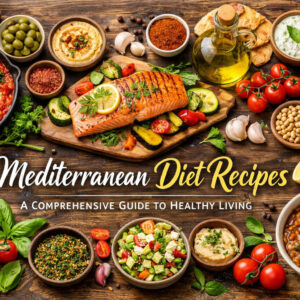
Health & Nutrition in Food is one of life’s greatest joys, but it is also the key to our health and well-being. Every bite we take has the power to fuel our body, shape our energy levels, and even influence how we feel each day. When we choose fresh, nutrient-rich foods, we give our bodies the tools they need to stay strong, fight disease, and function at their best. On the other hand, poor eating habits filled with processed food, sugar, and unhealthy fats can lead to fatigue, weight gain, and long-term health issues.
Nutrition isn’t just about avoiding illness—it’s about building a lifestyle where food supports both the body and the mind. Eating a balanced diet can improve mood, boost focus, strengthen immunity, and help maintain a healthy weight. With so many food options available today, it can feel overwhelming to know what’s truly healthy. The good news is that small, consistent choices can make a big difference.
Health & Nutrition in Food – Eating Better Every Day
Food is more than just fuel — it’s the foundation of our health, energy, and overall well-being. What we eat daily plays a huge role in how our body functions, how we feel, and even how we age. Choosing nutritious foods can help prevent disease, boost immunity, and keep us active throughout life. In this article, we’ll explore the importance of health and nutrition in food, how to make better choices, and easy tips to eat better every day.
Why Health & Nutrition in Food Nutrition Matters
Every time you sit down for a meal, you’re making a choice that can either strengthen or weaken your body. Food isn’t just about taste or satisfying hunger—it’s the primary source of energy and nourishment that keeps you alive, active, and healthy. When you eat the right combination of nutrients, your body thrives. When your diet is filled with unhealthy, processed foods, your health gradually suffers. Here’s why nutrition plays such a vital role in daily life:
1. Energy – Fuel for the Body
Just like a car needs fuel to run, your body needs carbohydrates, fats, and proteins to function. Carbohydrates from whole grains, fruits, and vegetables provide quick energy, while healthy fats like olive oil and nuts supply long-lasting energy for daily activities. Proteins, meanwhile, give a steady supply of fuel and prevent energy crashes. Without proper nutrition, you’ll likely feel tired, sluggish, and less productive.
2. Growth & Repair – Building Stronger Bodies
Proteins are often called the “building blocks of life” because they help repair tissues, heal wounds, and build muscles. Minerals like calcium and magnesium support strong bones, while iron carries oxygen through the blood. A child’s growth, an athlete’s performance, and even an adult’s ability to recover from illness all depend on these nutrients. Without enough of them, the body weakens over time.
3. Immunity – Protection Against Illness
Your immune system acts like a shield, defending the body from infections and diseases. Nutrients such as vitamin C, vitamin D, zinc, and antioxidants from colorful fruits and vegetables keep this shield strong. A poor diet, however, lowers immunity, making you more vulnerable to colds, flu, and chronic diseases. Simply adding foods like oranges, spinach, nuts, and yogurt can boost your defense system naturally.
4. Mental Health – Food for the Brain
The brain consumes a large amount of energy from the food you eat. Nutrients like omega-3 fatty acids from fish, magnesium from nuts, and B vitamins from leafy greens directly support brain health. They improve memory, concentration, and mood. On the other hand, diets high in sugar and processed foods are linked to stress, depression, and anxiety. Good nutrition truly feeds both the body and the mind.
5. Preventing Lifestyle Diseases
One of the most important reasons to focus on nutrition is disease prevention. A diet high in processed food, sugar, and unhealthy fats can lead to obesity, type 2 diabetes, heart disease, and even certain cancers. Balanced nutrition, however, can lower cholesterol, regulate blood sugar, and support a healthy heart.
6. Everyday Vitality
Proper nutrition doesn’t just affect long-term health—it impacts how you feel each day. A healthy diet keeps your skin glowing, your digestion smooth, and your body weight balanced. You’ll notice more energy in the morning, less fatigue in the afternoon, and better sleep at night.
Key Nutrients for a Healthy Diet
Our bodies are complex machines that rely on a variety of nutrients to stay strong, active, and healthy. Each nutrient plays a unique role in keeping our systems running smoothly—from providing energy to repairing tissues and protecting against diseases. A truly balanced diet means including all the key nutrients your body needs. Let’s take a closer look at them:
1. Carbohydrates (Energy Boosters)
Carbohydrates are the body’s main source of energy. They break down into glucose, which fuels the brain, muscles, and vital organs. However, not all carbs are equal. Complex carbohydrates—found in whole grains, oats, quinoa, and brown rice—release energy slowly, keeping you fuller for longer and maintaining steady blood sugar levels. Refined carbs like white bread, pastries, and sugary snacks, on the other hand, cause quick spikes in blood sugar followed by energy crashes. For a healthy diet, focus on high-fiber carbs such as fruits, vegetables, legumes, and whole grains.
2. Proteins (Body Builders)
Proteins are essential for growth, repair, and the maintenance of body tissues. They are made up of amino acids, which act like tiny building blocks that repair muscles, build hormones, and support enzymes in digestion. Foods rich in protein include lean meats, chicken, fish, eggs, dairy, beans, lentils, and nuts. For vegetarians and vegans, plant-based proteins like soy, tofu, quinoa, and chickpeas are excellent alternatives. A diet lacking in protein may lead to muscle loss, fatigue, and a weakened immune system, while a balanced intake supports strong muscles and overall vitality.
3. Health & Nutrition in Food Fats (Good for the Heart)
For many years, fats were seen as unhealthy—but not all fats are bad. Healthy fats are vital for brain function, hormone production, and the absorption of fat-soluble vitamins (A, D, E, and K). Sources such as olive oil, avocados, nuts, seeds, and fatty fish like salmon and mackerel provide omega-3 and omega-6 fatty acids, which protect the heart and reduce inflammation. The fats to avoid are trans fats and excessive saturated fats found in fried foods, packaged snacks, and processed meats, as they increase cholesterol and heart disease risk.
4. Vitamins & Minerals (Immunity Boosters)
Vitamins and minerals are micronutrients that may be required in small amounts but have a big impact on health. Each vitamin and mineral plays a unique role:
-
Vitamin A – supports vision and skin health (carrots, sweet potatoes).
-
Vitamin C – boosts immunity and collagen production (oranges, strawberries, bell peppers).
-
Vitamin D – strengthens bones and supports calcium absorption (sunlight, fortified dairy, fatty fish).
-
Calcium – builds strong bones and teeth (milk, yogurt, leafy greens).
-
Iron – carries oxygen in the blood, preventing fatigue (red meat, spinach, lentils).
Eating a colorful variety of fruits, vegetables, nuts, and dairy ensures you get a wide range of these essential nutrients daily.
5. Fiber (Digestive Health)
Fiber is often overlooked but plays a critical role in digestion and weight management. Found in whole grains, beans, fruits, and vegetables, fiber helps food move smoothly through the digestive tract, preventing constipation. It also lowers cholesterol, regulates blood sugar, and keeps you feeling full, which is helpful for maintaining a healthy weight. A diet rich in fiber is linked to lower risks of heart disease, diabetes, and colon cancer.
6. Water (The Forgotten Nutrient)
Water is often called the “forgotten nutrient,” yet it’s one of the most important for survival. Around 60% of the human body is made up of water, and it is needed for almost every function—regulating body temperature, aiding digestion, carrying nutrients, and flushing out toxins. Even mild dehydration can lead to headaches, fatigue, and poor concentration. On average, adults should aim for 6–8 glasses of water per day, though needs vary depending on activity level, climate, and Health & Nutrition in Food like cucumbers, melons, and oranges also contribute to hydration.
Tips for Eating Better Every Day
Eat More Fresh Fruits & Vegetables – Aim for 5 servings daily.
Balance Your Plate – Include carbs, proteins, and vegetables in every meal.
Limit Processed Foods – Avoid junk food high in sugar, salt, and unhealthy fats.
Practice Portion Control – Eat enough to satisfy hunger but avoid overeating.
Stay Hydrated – Drink at least 6–8 glasses of water daily.
Plan Your Meals – Preparing food at home helps control ingredients and nutrition.
Healthy Food Swaps You Can Try
-
Swap soda → with fresh fruit juices or infused water
-
Swap white bread → with whole-grain bread
-
Swap fried snacks → with baked or air-fried options
-
Swap ice cream → with frozen yogurt or fruit smoothies
The Connection Between Food & Lifestyle
Nutrition isn’t just about eating right—it’s about living better. When you fuel your body with the right foods, you’ll notice:
-
More energy throughout the day
-
Better sleep quality
-
Improved focus and productivity
-
Stronger immunity
Longer, healthier life
FAQs
1. Why is nutrition important in food?
Nutrition provides the body with essential energy, vitamins, and minerals needed for growth, immunity, and overall health. Without proper nutrition, the body becomes weak and more prone to illness.
2. What are the most important nutrients for a healthy diet?
The body needs carbohydrates, proteins, healthy fats, vitamins, minerals, fiber, and water to function properly. Each plays a unique role in maintaining health.
3. How can I start eating healthier every day?
Begin with small steps: add more fruits and vegetables, drink enough water, avoid processed foods, and practice portion control.
4. Are carbohydrates bad for health?
Not all carbs are bad. Whole grains, oats, and vegetables provide healthy carbs. The ones to limit are refined carbs like white bread, pastries, and sugary drinks.
5. What foods boost immunity?
Citrus fruits, leafy greens, nuts, seeds, yogurt, and fatty fish are rich in vitamins and antioxidants that strengthen the immune system.
6. How does food affect mental health?
Nutrients like omega-3 fatty acids, B vitamins, and magnesium improve brain function, reduce stress, and support emotional balance.
7. Can I still eat my favorite foods and be healthy?
Yes! The key is moderation. You don’t have to give up your favorites; just balance them with healthier meals and portion control.
8. What is the role of fiber in nutrition?
Fiber helps digestion, prevents constipation, lowers cholesterol, and supports weight management. Good sources include whole grains, beans, and vegetables.
9. How much water should I drink daily?
Most adults should drink around 6–8 glasses of water daily, but needs can vary depending on activity level, climate, and overall health.
10. Is eating healthy expensive?
Not necessarily. Buying seasonal fruits, vegetables, and whole foods in bulk is often affordable. Planning meals ahead also reduces waste and cost.
Conclusion
Eating healthy doesn’t mean strict diets or giving up your favorite meals. It’s about making smarter choices, balancing nutrition, and creating habits that support your body and mind. By adding more fresh, natural, and balanced foods to your diet, you can improve your health one meal at a time. Remember: good nutrition today means a healthier tomorrow.
Want to read more about famousfood click here
Big Shoutout to the guys who made this blog happen UDM.