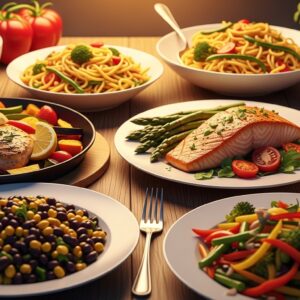
Healthy food recipes for everyday cooking Eating healthy doesn’t have to be complicated or boring! In fact, it can be fun, colorful, and full of flavor when you know the right recipes. Cooking healthy meals every day is one of the best ways to take care of your body, boost your energy, and stay happy. Whether you’re a beginner in the kitchen or someone who cooks regularly, learning to prepare healthy food recipes for everyday cooking can completely transform your lifestyle.
From quick breakfasts and light lunches to hearty dinners and smart snacks, this guide will help you make nutritious meals that are easy, affordable, and absolutely delicious. Get ready to fill your kitchen with the aroma of fresh ingredients and wholesome goodness — because eating well should always taste amazing
Healthy Food Recipes for Everyday Cooking – Eat Well, Live Better
Healthy cooking is more than just a trend—it’s a lifestyle choice that shapes your energy, mood, and overall well-being. In today’s fast-paced world, it’s easy to fall into the trap of eating processed foods or skipping meals due to a busy schedule. But preparing healthy food recipes for everyday cooking doesn’t have to be complicated.
With the right mindset, a few simple ingredients, and smart planning, you can enjoy meals that are delicious, affordable, and nourishing. Cooking at home gives you control over what goes into your food, allowing you to reduce sugar, salt, and unhealthy fats while increasing nutrients and flavor.
Let’s explore how to create healthy, tasty dishes that suit your lifestyle—from energizing breakfasts and quick lunches to comforting dinners and smart snacks.
1. Understanding Healthy Cooking
Healthy cooking isn’t about dieting or depriving yourself of your favorite meals. It’s about balance, variety, and moderation. A healthy recipe combines the right amounts of carbohydrates, proteins, fats, vitamins, and minerals—helping your body perform at its best.
Here are the core principles of healthy cooking:
-
Fresh Ingredients: Choose seasonal fruits, vegetables, and lean proteins.
-
Less Salt, More Flavor: Use herbs, spices, and citrus for taste instead of sodium.
-
Stay Hydrated: Drink water or herbal teas instead of sugary drinks.
-
Smart Portion Control: Serve smaller amounts and avoid overeating.
-
Whole Foods Over Processed: Choose brown rice, whole wheat, and natural foods.
When you adopt these habits, your meals become naturally healthier without sacrificing flavor or satisfaction.
2. Healthy Breakfast Recipes to Start Your Day Right
Breakfast is the fuel that sets your energy for the day. Skipping it can lead to fatigue and overeating later. A balanced breakfast includes protein, fiber, and healthy fats. Here are some simple ideas:
Oatmeal Delight
Ingredients:
-
½ cup rolled oats
-
1 cup low-fat milk or almond milk
-
1 banana (sliced)
-
A handful of nuts and seeds
-
Honey (optional)
Instructions:
Cook the oats in milk until creamy. Top with sliced banana, nuts, and honey. This bowl keeps you full and provides lasting energy.
Veggie Omelet
Ingredients:
-
2 eggs
-
Chopped spinach, tomatoes, bell peppers, and onions
-
Salt and black pepper
-
1 tsp olive oil
Instructions:
Whisk eggs, mix in veggies, and cook on low heat. A great way to get protein and vitamins early in the day!
Avocado Toast with Egg
Toast a slice of whole-grain bread, spread mashed avocado, and top it with a poached egg. Add a sprinkle of chili flakes or sesame seeds for flavor.
3. Light and Nutritious Lunch Recipes
A healthy lunch should be light yet satisfying. It helps you stay productive throughout the afternoon without feeling sleepy or heavy.
Chickpea Power Salad
Ingredients:
-
1 cup boiled chickpeas
-
Chopped cucumbers, tomatoes, and onions
-
Lemon juice and olive oil
-
Salt and pepper
Instructions:
Mix all ingredients in a bowl. Add mint or parsley for extra freshness. Rich in fiber and plant protein!
Grilled Chicken Wrap
Ingredients:
-
Whole wheat tortilla
-
Grilled chicken breast strips
-
Lettuce, tomato, and yogurt sauce
Instructions:
Layer all ingredients, roll it up, and enjoy. Perfect for a healthy lunch on the go.
Brown Rice with Vegetables
Cook brown rice and stir-fry it with mixed vegetables, garlic, and soy sauce (low sodium). A wholesome, filling meal that’s loaded with fiber.
4. Wholesome Dinner Ideas for Every Night
Dinner should be comforting yet easy to digest. These recipes keep your taste buds happy while supporting good sleep and recovery.
Grilled Salmon with Vegetables
Ingredients:
-
1 salmon fillet
-
Olive oil, lemon juice, salt, and pepper
-
Steamed broccoli and carrots
Instructions:
Grill the salmon with olive oil and lemon. Serve with vegetables for a light, protein-rich dinner.
Vegetable Stir-Fry with Tofu
Stir-fry your favorite vegetables—like zucchini, bell peppers, and mushrooms—with tofu in a little olive oil and low-sodium soy sauce. This dish is colorful, flavorful, and high in nutrients.
Lentil Curry with Brown Rice
Cook lentils with onions, garlic, turmeric, and cumin. Serve with brown rice for a hearty, plant-based dinner full of protein and fiber.
5. Healthy Snacks Between Meals
Snacking can be healthy if you choose the right foods. Avoid chips and fried snacks—opt for natural, nutrient-packed options.
Fruit and Yogurt Bowl
Mix Greek yogurt with your favorite fruits and a drizzle of honey. It’s refreshing and rich in probiotics.
Veggie Sticks with Hummus
Cut carrots, cucumbers, and bell peppers into sticks and dip them in homemade hummus. A crunchy, guilt-free snack.
Air-Popped Popcorn
Popcorn is a whole grain and can be a light, healthy snack if made without butter. Sprinkle herbs or chili powder for taste.
6. Quick Meal Ideas for Busy Days
We all have those days when cooking feels like a chore. Here are some easy and quick recipes to save time without compromising health:
Whole Wheat Pasta with Tomato Sauce
Cook pasta, toss with homemade tomato sauce, garlic, and olive oil. Add spinach for a nutritional boost.
Baked Sweet Potatoes
Bake sweet potatoes, slice open, and top with Greek yogurt and herbs. Sweet, savory, and satisfying.
Egg Fried Rice (Healthy Version)
Use leftover rice, scramble eggs, and mix with peas, carrots, and soy sauce for a quick and tasty meal.
7. Smart Cooking Tips for Everyday Health
To maintain healthy eating habits, you need more than recipes—you need good kitchen habits. Here’s how to make every meal count:
-
Plan Ahead: Prepare ingredients or meals in advance.
-
Cook in Batches: Save time and ensure you always have healthy food ready.
-
Use Fresh Herbs: Basil, coriander, mint, and parsley add flavor naturally.
-
Steam Instead of Fry: Retains nutrients and uses less oil.
-
Stay Organized: Keep healthy snacks like nuts and fruits visible and accessible.
-
Reduce Sugar: Replace sugary drinks with fruit-infused water or green tea.
-
Try New Recipes: Variety keeps your meals exciting and nutritious.
8. Ingredients That Make Healthy Cooking Easy
Healthy cooking starts with a well-stocked kitchen. Keep these staples on hand:
Pantry Essentials:
-
Whole grains (brown rice, quinoa, oats)
-
Dried beans and lentils
-
Olive oil and coconut oil
-
Spices like turmeric, cumin, paprika, and pepper
Fridge Must-Haves:
-
Fresh fruits and vegetables
-
Low-fat yogurt and milk alternatives
-
Eggs and lean proteins
-
Herbs and lemon for seasoning
Healthy Snacks:
-
Nuts, seeds, and dried fruits
-
Whole-grain crackers
-
Hummus and nut butter
Having these on hand ensures you can prepare something healthy anytime.
9. Benefits of Cooking Healthy at Home
Cooking at home offers benefits beyond better health—it strengthens family bonds and saves money.
Health Benefits:
-
Reduces intake of preservatives and trans fats
-
Improves digestion and nutrient absorption
-
Helps with weight management
-
Boosts energy and mental clarity
Financial Benefits:
-
Home-cooked meals cost less than restaurant food
-
You can use leftovers creatively
-
Buying ingredients in bulk saves money
Emotional Benefits:
Cooking brings joy, creativity, and a sense of accomplishment. Sharing meals with loved ones strengthens relationships and builds memories.
10. Creating a Weekly Healthy Meal Plan
Planning your meals ensures consistency and variety. Here’s a sample weekly plan you can follow:
| Day | Breakfast | Lunch | Dinner |
|---|---|---|---|
| Monday | Oatmeal with fruits | Chickpea salad | Grilled salmon & veggies |
| Tuesday | Veggie omelet | Brown rice & vegetables | Lentil soup |
| Wednesday | Avocado toast | Chicken wrap | Tofu stir-fry |
| Thursday | Smoothie bowl | Quinoa salad | Sweet potato bake |
| Friday | Scrambled eggs | Tuna sandwich | Pasta with tomato sauce |
| Saturday | Pancakes with honey | Mixed bean salad | Grilled chicken & rice |
| Sunday | Yogurt with berries | Vegetable soup | Baked fish with salad |
This plan keeps your meals exciting, balanced, and nutritious.
11. How to Stay Motivated to Eat Healthy
Healthy eating isn’t about perfection—it’s about progress. Stay motivated by:
-
Trying one new recipe each week
-
Setting realistic goals
-
Tracking your meals
-
Rewarding yourself (in healthy ways!)
-
Joining cooking groups or following food blogs like famousfoodblog.com for ideas
Remember, consistency is key. Small, daily efforts lead to lasting results.
FAQs
1. What are the easiest healthy recipes for beginners?
Some of the easiest healthy recipes include oatmeal with fruits, grilled chicken salad, vegetable stir-fry, and lentil soup. These meals are simple to prepare and require only basic ingredients.
2. How can I make my everyday meals healthier?
Use fresh vegetables, lean proteins, and whole grains. Replace fried foods with grilled or steamed options, and use herbs and spices for flavor instead of excess salt or sugar.
3. What are some healthy breakfast ideas for busy mornings?
Try overnight oats, avocado toast, fruit smoothies, or boiled eggs with whole-grain bread. These options are quick, filling, and provide lasting energy.
4. Can healthy food also taste good?
Absolutely! Healthy food can be delicious when cooked with creativity. Using natural ingredients, herbs, spices, and fresh produce enhances both flavor and nutrition.
5. How do I plan healthy meals for the week?
Start by making a meal plan that includes breakfast, lunch, dinner, and snacks. Prepare ingredients in advance, store meals in containers, and keep nutritious snacks like nuts or fruits ready.
6. Are vegetarian recipes good for everyday cooking?
Yes, vegetarian meals can be very healthy. Recipes made with lentils, beans, tofu, and vegetables provide essential nutrients and are great for daily meals.
7. What are some healthy snacks to eat between meals?
Some good options include fruit and yogurt, hummus with carrot sticks, air-popped popcorn, or a handful of mixed nuts.
8. How can I avoid eating junk food?
Plan your meals ahead, keep healthy snacks accessible, and avoid shopping for processed foods. Cooking at home helps you control ingredients and reduce cravings for junk food.
9. Is it expensive to cook healthy meals every day?
Not necessarily. Buying seasonal fruits and vegetables, cooking at home, and avoiding packaged food can actually save money while keeping you healthy.
10. Why is it important to eat healthy every day?
Eating healthy improves your energy, boosts your immune system, supports weight management, and promotes long-term wellness. It’s a lifestyle that benefits both your body and mind.
Conclusion
Healthy cooking doesn’t require expensive ingredients or chef-level skills—it just needs mindfulness and creativity. By choosing nutritious ingredients, practicing smart cooking techniques, and planning ahead, you can make healthy food recipes for everyday cooking part of your life with ease.
Every meal is an opportunity to nourish your body and soul. So grab your apron, fill your kitchen with colorful ingredients, and start cooking meals that make you feel alive, strong, and happy.
Healthy eating is not a restriction—it’s a celebration of good food and good living.
Want to read more about famousfood click here
Big Shoutout to the guys who made this blog happen UDM.