If you’re aiming to lose weight, build lean muscle, or both, your diet plays a crucial role. While exercise helps sculpt your physique, what you eat determines how effectively your body burns fat and builds muscle. One of the most powerful tools you can use in your nutrition strategy is high-protein meals.
In this article, we’ll explore why protein is essential for weight loss and muscle gain, the best high-protein foods to include in your diet, and provide several easy and delicious high-protein meal ideas you can try today.
Why High-Protein Meals Are Important
Protein is a macronutrient made up of amino acids, the building blocks of muscles, tissues, and enzymes. Unlike carbs and fats, protein has a higher thermic effect—meaning your body burns more calories digesting it. This makes high-protein meals highly effective for both fat loss and muscle development.
Benefits of High-Protein Meals:
-
Boosts metabolism through increased thermogenesis
-
Keeps you full longer, reducing cravings and snacking
-
Supports muscle repair and growth, especially post-workout
-
Maintains muscle mass during calorie-restricted diets
-
Improves body composition by promoting fat loss over muscle loss
Whether you’re hitting the gym regularly or starting your fitness journey, incorporating high-protein foods into your meals can fast-track your results.
How Much Protein Do You Need?
The recommended daily protein intake varies based on your goals, weight, and activity level. Here’s a general guide:
-
For weight loss: 1.2 to 1.6 grams per kilogram of body weight
-
For muscle gain: 1.6 to 2.2 grams per kilogram of body weight
-
General health: 0.8 grams per kilogram of body weight
For example, a person weighing 70 kg aiming to build muscle should consume around 112–154 grams of protein per day.
Top High-Protein Foods to Include
When planning high-protein meals, choose lean, nutrient-rich protein sources. Here are some of the best options:
Animal-Based Proteins:
-
Chicken breast
-
Turkey
-
Eggs and egg whites
-
Lean beef
-
Salmon, tuna, and other fatty fish
-
Greek yogurt
-
Cottage cheese
Plant-Based Proteins:
-
Lentils
-
Chickpeas
-
Black beans
-
Quinoa
-
Tofu and tempeh
-
Edamame
-
Chia seeds and hemp seeds
Mixing both animal and plant-based proteins can help you get a full range of amino acids, especially important for vegetarians and vegans.
7 High-Protein Meal Ideas for Weight Loss and Muscle Gain
Let’s explore some easy, flavorful, and balanced high-protein meals that can help you reach your fitness goals.

1. Grilled Chicken Quinoa Bowl
Protein per serving: ~35g
Ideal for: Lunch or dinner
Ingredients:
-
1 grilled chicken breast (150g)
-
1/2 cup cooked quinoa
-
1/2 cup steamed broccoli
-
1/4 avocado
-
1 tbsp olive oil + lemon juice dressing
Why it works:
Chicken and quinoa are protein powerhouses. The fiber and healthy fats from veggies and avocado keep you full and satisfied.

2. Scrambled Eggs with Spinach and Feta
Protein per serving: ~28g
Ideal for: Breakfast
Ingredients:
-
3 whole eggs + 2 egg whites
-
1/2 cup chopped spinach
-
30g feta cheese
-
Salt, pepper, and herbs
Why it works:
Eggs are a complete protein. This breakfast is filling, rich in healthy fats, and packed with nutrients to kick-start your day.

3. Spicy Lentil and Chickpea Curry
Protein per serving: ~22g
Ideal for: Vegan lunch or dinner
Ingredients:
-
1/2 cup lentils (cooked)
-
1/2 cup chickpeas (cooked)
-
Tomato puree, garlic, onion, and curry spices
-
Served with brown rice or quinoa
Why it works:
A great plant-based option with fiber, complex carbs, and a strong amino acid profile.
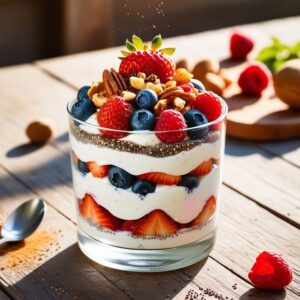
4. Greek Yogurt Parfait with Berries and Chia Seeds
Protein per serving: ~25g
Ideal for: Snack or light breakfast
Ingredients:
-
1 cup plain Greek yogurt
-
1/2 cup mixed berries
-
1 tbsp chia seeds
-
1 tsp honey (optional)
Why it works:
Greek yogurt contains twice the protein of regular yogurt. Chia seeds add omega-3s and extra fiber.
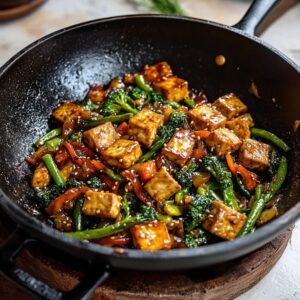
5. Tofu Stir-Fry with Vegetables
Protein per serving: ~30g
Ideal for: Vegan dinner
Ingredients:
-
1 block firm tofu (150g)
-
1 cup mixed vegetables (carrots, bell peppers, snap peas)
-
1 tbsp soy sauce and garlic
-
Cooked in sesame oil
Why it works:
Tofu absorbs flavor well and provides a plant-based protein punch, perfect for muscle building.
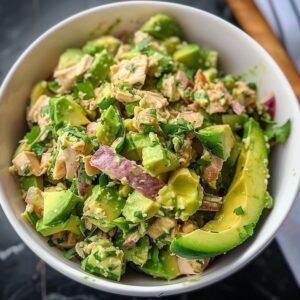
6. Tuna and Avocado Salad
Protein per serving: ~32g
Ideal for: Lunch or post-workout meal
Ingredients:
-
1 can tuna in water
-
1/2 avocado, diced
-
Cucumber, tomatoes, greens
-
Olive oil and lemon juice dressing
Why it works:
Tuna is lean, low-calorie, and rich in protein and omega-3s. Avocado adds heart-healthy fats.
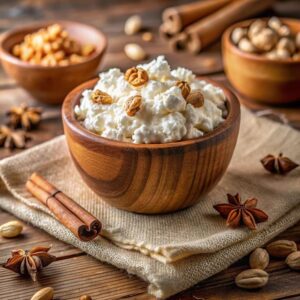
7. Cottage Cheese with Almonds and Cinnamon
Protein per serving: ~25g
Ideal for: Evening snack
Ingredients:
-
1/2 cup low-fat cottage cheese
-
10 almonds, crushed
-
A pinch of cinnamon
Why it works:
Slow-digesting casein protein in cottage cheese makes it ideal before bed to support overnight muscle repair.
Tips to Maximize the Benefits of High-Protein Meals
-
Space your protein: Spread your protein intake across 3–5 meals daily to enhance muscle protein synthesis.
-
Prioritize whole foods: Avoid relying solely on supplements; whole foods provide additional nutrients and fiber.
-
Balance macros: Include carbs and fats for energy, recovery, and overall balance.
-
Stay hydrated: High-protein diets require more water for kidney support and digestion.
-
Pair with strength training: For muscle gain, resistance workouts + high-protein meals = best results.
Common Mistakes to Avoid
-
Skipping carbs entirely: You still need carbs for energy and recovery.
-
Relying only on protein shakes: Whole foods offer more nutritional benefits.
-
Overeating protein: Excess calories, even from protein, can lead to fat gain.
-
Lack of variety: Rotate your protein sources to ensure you’re getting a full range of nutrients.
Frequently Asked Questions
1. What are the best high-protein meals for weight loss?
The best high-protein meals for weight loss are those that pair a high amount of lean protein with ample fiber, while being low in unhealthy fats and added sugars. These meals promote satiety, helping you feel fuller for longer, and aid in preserving muscle mass, which is crucial for a healthy metabolism.
- Ideal examples include:
- Grilled chicken with quinoa and steamed vegetables: A classic combination of lean protein, complex carbs, and fiber.
- Greek yogurt parfait with berries and chia seeds: Excellent for breakfast or a snack, offering probiotics, protein, and fiber.
- Egg white omelet with spinach and avocado: A low-calorie yet protein-rich option packed with healthy fats.
- Baked salmon with sweet potato and broccoli: Fatty fish provides omega-3s and protein, alongside beneficial carbs and fiber.
2. Can high-protein meals really help with muscle gain?
Absolutely! High-protein meals are essential for muscle growth. They provide the amino acids your body needs to repair muscle tissue damaged during exercise and build new muscle fibers. To maximize muscle gain, it’s crucial to consume a protein-rich meal (ideally between 20-40 grams) within 1-2 hours after your workout, and ensure you meet your total daily protein intake. This optimizes muscle protein synthesis (MPS), the process by which your body builds muscle.
3. How many high-protein meals should I eat per day?
It’s generally recommended to consume 3 to 5 high-protein meals per day, spaced evenly throughout your waking hours. This pattern helps maintain a consistent supply of amino acids for muscle repair and growth, and is key for appetite control. By feeling more satisfied, you’re less likely to snack between meals or overeat. Aim for each of these meals to contain between 20 and 40 grams of protein, adjusting the amount based on your body weight, activity level, and specific fitness goals.
4. What are some vegetarian high-protein meal options?
Vegetarian diets can be perfectly high in protein with proper planning. Some excellent options include:
- Lentil curry: Lentils are a fantastic source of plant-based protein and fiber.
- Tofu or tempeh stir-fry with vegetables: Tofu and tempeh are versatile soy proteins that absorb flavors well.
- Quinoa salad with black beans and mixed greens: Quinoa is a complete protein, and when combined with beans, it’s a nutritional powerhouse.
- Chickpea wraps or falafel: Chickpeas make an excellent base for protein-rich meals.
- Greek yogurt bowls (if dairy is included) or fortified soy/coconut yogurt with nuts and seeds: Great for breakfasts or snacks.
- Edamame, seitan, and a variety of nuts and seeds are also excellent to incorporate into your diet.
5. Can high-protein meals help reduce belly fat?
Yes, high-protein meals can be a powerful ally in reducing belly fat. Protein has a high thermic effect, meaning your body expends more energy to digest and metabolize it compared to carbs or fats, which can slightly boost your metabolism. Furthermore, protein is the most satiating macronutrient, helping you feel full for longer and reducing appetite, thereby lowering overall calorie intake. When combined with strength training and a calorie-controlled diet, high-protein meals help preserve lean muscle mass while encouraging the body to burn fat, including visceral fat around the abdomen.
6. What time should I eat high-protein meals for the best results?
To maximize weight loss and muscle gain, the most effective strategy is to distribute protein intake evenly throughout the day—such as breakfast, lunch, dinner, and potentially one or two protein-rich snacks. Post-workout meals are especially critical (within 1-2 hours) to kickstart muscle recovery and growth. A protein-rich breakfast can curb cravings throughout the day, while a protein-filled dinner aids overnight recovery.
7. Can I lose weight by just eating high-protein meals without working out?
You can achieve some weight loss with a high-protein diet alone because it significantly reduces hunger and helps preserve muscle mass (which is vital for maintaining a healthy metabolism). However, for faster, more sustainable results and optimal body composition, it is highly recommended to combine it with regular physical activity. Exercise, especially strength training, boosts fat burning and promotes more robust muscle development, leading to a more defined physique and higher resting calorie expenditure.
8. Are protein shakes as effective as high-protein meals?
Protein shakes are incredibly convenient and can be a useful tool, especially after a workout or when you’re short on time. However, they shouldn’t replace all your main meals. Whole-food high-protein meals, like chicken, fish, legumes, or eggs, offer a more complete nutritional profile, including fiber, healthy fats, vitamins, minerals, and phytonutrients that shakes often lack. Think of shakes as a supplement to complement your protein intake, not a total substitute for a balanced diet.
9. What’s the difference between animal and plant-based protein meals?
The main difference lies in their amino acid composition and nutrient density.
- Animal-based proteins: (Meat, poultry, fish, eggs, dairy) Are generally complete proteins, meaning they contain all nine essential amino acids your body cannot produce. Their bioavailability (how well the body absorbs and utilizes them) is also typically very high.
- Plant-based proteins: (Legumes, tofu, tempeh, quinoa, nuts, seeds) Many plant sources are incomplete proteins on their own (lacking one or more essential amino acids). However, by smartly combining different plant sources (e.g., rice and beans, hummus and pita bread) throughout the day, you can obtain all necessary amino acids. They require greater dietary variety to ensure a complete nutrient intake. Both can be effective for health and fitness when properly planned.
10. Can eating too much protein be harmful?
For most healthy individuals, high-protein diets are safe and beneficial. However, excessively high protein intake over very long periods, especially without adequate hydration, could potentially place additional strain on the kidneys in predisposed individuals or those with pre-existing kidney conditions. It’s crucial to balance protein with an adequate intake of other macronutrients (complex carbohydrates, healthy fats) and drink plenty of water to help your kidneys process metabolic byproducts. If you have any medical conditions or concerns, it’s always wise to consult your doctor or a registered dietitian before making significant dietary changes.
Conclusion: Fuel Your Goals with High-Protein Meals
Whether you’re trying to tone your body, shed fat, or build lean muscle mass, high-protein meals are one of the most effective and sustainable ways to reach your fitness goals. They help regulate hunger, preserve muscle, and boost metabolism — all while keeping your meals satisfying and delicious.
With the right balance of protein-rich foods, whole grains, and healthy fats, you can enjoy your meals without feeling restricted. Start by incorporating just one or two of the high-protein recipes we shared above into your weekly routine. Over time, these meals can become part of a powerful habit that supports your body, energy levels, and overall well-being.
Make high-protein eating a lifestyle, not a phase — and enjoy real results that last.
want to read more visit our website
Big Shoutout to the guys who made this blog happen UDM.