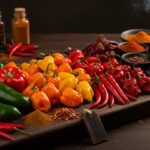
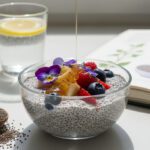
In today’s fast-paced world, snacking has evolved beyond indulgence—it’s now about function, nutrition, and sustainability. One of the leading trends of 2025 is the rise of high-protein snacks that aren’t just healthy but also crunchy, convenient, and eco-friendly.
Whether you’re a fitness enthusiast, busy professional, or health-conscious parent, high-protein snacks provide a powerful solution for energy, muscle repair, and staying full longer. But what makes a snack both nutritious and sustainable?
Let’s dive into the world of high-protein snacking—from innovative ingredients to easy recipes, store-bought options, and the sustainability angle.
One of the most dominant wellness trends of 2025 is the surge in high-protein snacks that check all the boxes: nutritious, satisfying, eco-conscious, and—let’s not forget—deliciously crunchy. With global awareness growing around the impact of food on both personal health and the planet, consumers are demanding more from their snack choices.
Why Your Body Needs High-Protein Snacks
Whether you’re a gym-goer focused on performance, a time-strapped professional needing a reliable fuel source, or a parent juggling mealtime battles with nutrition goals, high-protein snacks offer a smart solution. They help stabilize blood sugar, support muscle recovery, curb cravings, and even reduce the urge for overeating later in the day.
But what exactly defines a snack as healthy and sustainable? It starts with the ingredients—think plant-based proteins like peas, chickpeas, lentils, and soy; or emerging protein sources such as insects, algae, and upcycled food byproducts. Pair that with biodegradable packaging or local sourcing, and you’ve got a snack that’s good for you and the earth.
Protein is a macronutrient powerhouse. It fuels muscle growth, supports metabolism, repairs cells, and helps regulate hunger hormones. But spacing your protein throughout the day—rather than just at meals—is key for optimal performance and weight management.
Top benefits of high-protein snacks:
-
Keeps you full and reduces cravings
-
Builds and repairs muscle tissue
-
Supports a balanced blood sugar level
-
Aids in weight control and fat loss
-
Boosts post-workout recovery
Snacking smart with high-protein snacks helps maintain energy levels and focus, especially during the afternoon slump or late-night hunger.
Trending High-Protein Snack Formats in 2025
Snacks today are diverse, flavor-packed, and planet-friendly. Here are the latest formats taking over supermarket shelves and online stores:
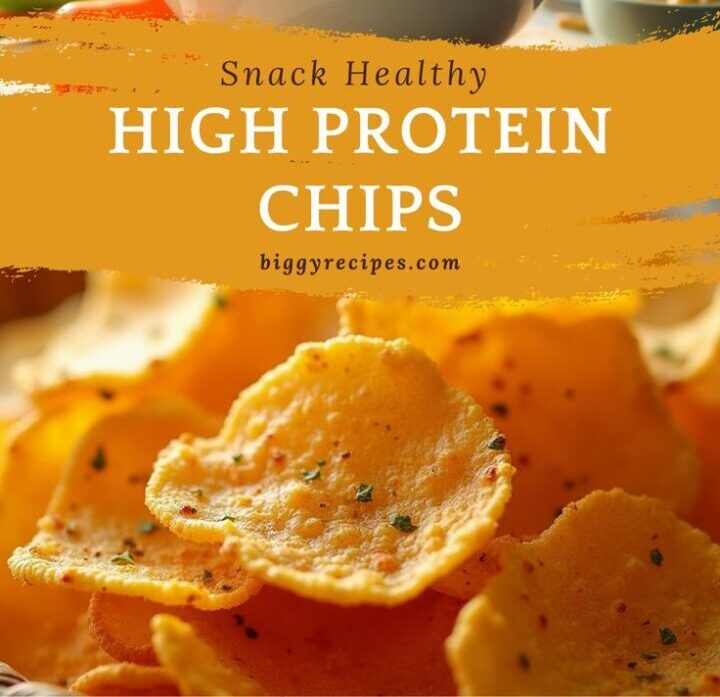
1. Protein Chips & Crunchy Puffs
Made from chickpeas, lentils, or pea protein, these snacks deliver serious crunch and flavor without the guilt.
Example: Spicy lentil chips with 12g protein per serving.

2. Roasted Legumes & Edamame Packs
Low in fat and high in protein and fiber, roasted beans like chickpeas, broad beans, and edamame are nutrient-dense and portable.

3. Plant-Based Jerky
Mushroom, soy, and even watermelon-based jerky now rival traditional beef jerky for taste and texture—with fewer emissions and cholesterol.

4. Protein Bars Made Clean
Forget sugar-loaded protein bars. 2025’s top choices are clean-label, low-sugar, and contain natural sweeteners with ingredients like almond butter, dates, and pea protein.
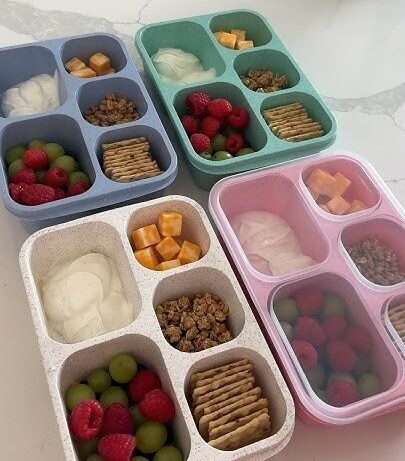
5. DIY Snack Boxes
Create your own bento-style snack box with:
-
Boiled eggs
-
Cheese cubes
-
Nut butter with apple slices
-
Roasted seeds
-
Protein bites
These mix-and-match combos are great for families, commuters, and post-workout fuel.
Best Sources of Sustainable Protein for Snacking
Sustainability is just as important as nutrition. Luckily, many high-protein snacks now prioritize both.
Plant-Based Proteins
Chickpeas, lentils, and black beans are affordable, earth-friendly legumes rich in protein and fiber.
Nuts and seeds (like almonds, pumpkin seeds, and sunflower seeds) offer protein, healthy fats, and satiety.
Quinoa and buckwheat deliver complete proteins and pair well in puffed snacks.
Sustainable Animal-Based Options
Wild-caught salmon jerky or tuna packs
Free-range hard-boiled eggs
Low-fat Greek yogurt
When choosing animal-based snacks, look for certified humane, pasture-raised, or wild-caught options for lower environmental impact.
Future Proteins (Yes, Really!)
Cricket protein chips and mealworm bars are emerging in Asia and Europe as sustainable, high-protein alternatives with minimal land and water use.
10 Easy DIY High-Protein Snacks You Can Make at Home
Making your own high-protein snacks lets you control ingredients, cost, and portion sizes. Here are 10 tasty ideas:
-
Greek Yogurt Parfait with Nuts & Seeds
Layer low-fat Greek yogurt with flaxseed, pumpkin seeds, and berries. -
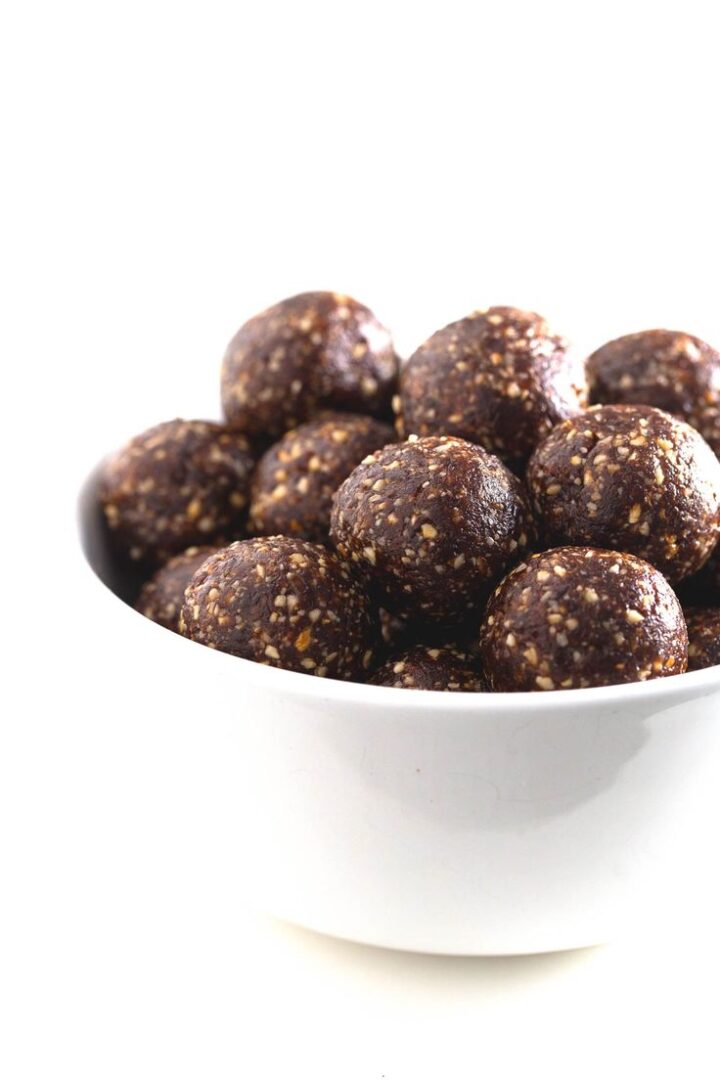
Protein Energy Balls
Blend oats, peanut butter, honey, and whey or plant protein powder—then roll into bite-sized balls. -
Cottage Cheese and Pineapple Cups
Sweet, tangy, and protein-rich. Perfect for pre-bedtime snacking. -
Boiled Eggs & Avocado Crackers
A crunchy, creamy combo rich in protein and healthy fats. -
Roasted Chickpeas
Toss with olive oil and spices, then roast until crispy. -
Chia Seed Pudding
Mix chia seeds with almond milk, let sit overnight, and top with protein powder or almonds. -
Peanut Butter Banana Bites
Slice bananas, add peanut butter between, and freeze for a cold treat. -
Smoked Salmon on Cucumber Rounds
High in omega-3 and protein—great as an elegant snack. -
Protein Smoothie Cups
Blend protein powder with banana, oats, and nut butter, then freeze in muffin trays. -
Tofu Skewers with Spicy Dip
Grill firm tofu cubes and serve with a high-protein tahini dip.

Store-Bought High-Protein Snack Brands to Try in 2025
If you’re short on time, these brands are leading the charge with quality ingredients and eco-conscious packaging:
-
RXBAR – Clean, simple ingredients with egg whites and nuts
-
Biena – Roasted chickpeas with up to 6g protein per serving
-
Aloha – Plant-based protein bars with 14g protein and zero dairy
-
Seapoint Farms – Crunchy edamame snacks that are portable and high in protein
-
Wild Zora – Sustainable jerky snacks using grass-fed meat
Always read the labels—look for high protein (10g+), low sugar, and recognizable ingredients.
High-Protein Snacks for Different Lifestyles
For Athletes
-
Go for 15–20g protein per snack
-
Prioritize muscle recovery ingredients (whey, soy, creatine-enhanced snacks)
For Weight Loss
-
Aim for 10g protein with <200 calories
-
Avoid added sugars; choose fiber-rich snacks
Kids
-
Try nut butter pouches, mini protein pancakes, or fruit + cheese boxes
-
Introduce plant-based protein early (like hummus & crackers)
Vegans
-
Combine foods: lentils + seeds, nuts + oats
-
Choose fortified snacks (B12, iron, omega-3s)
The Sustainability Factor in High-Protein Snacking
Eating for strength shouldn’t cost the planet. Choosing sustainable high-protein snacks supports:
-
Lower carbon emissions (plant-based > beef jerky)
-
Better animal welfare (certified humane, free-range)
-
Zero-waste packaging (compostable, recyclable options)
-
Local sourcing (seasonal legumes, nuts, and seeds)
Supporting brands and farmers that care about environmental impact helps reduce your snack carbon footprint.
Frequently Asked Questions
What are the key benefits of incorporating high-protein snacks into one’s diet?
High-protein snacks offer significant benefits, primarily by aiding muscle recovery and growth. They are excellent for increasing satiety, helping you feel fuller longer and preventing overeating. These snacks also contribute to stable energy levels and can support weight management by preserving lean muscle mass.
How can high-protein snacks offer both a satisfying crunch and delicious flavor?
Achieving a satisfying crunch with high-protein snacks is simple with options like roasted chickpeas, various nuts, or homemade lentil chips. Deliciousness comes from natural flavors and seasonings. Pair crunchy vegetables with protein-rich dips like hummus or Greek yogurt for a delightful texture and taste combination.
In what ways can high-protein snacks be considered sustainable?
High-protein snacks are sustainable from both a personal and environmental perspective. For personal health, they promote long-term healthy eating habits by maintaining fullness and stable energy. Environmentally, choosing plant-based proteins like legumes, nuts, and seeds generally reduces environmental impact. Making snacks at home further contributes to sustainability by minimizing waste.
What are some practical and tasty examples of high-protein, crunchy, and sustainable snacks?
Great examples of high-protein, crunchy, and sustainable snacks include roasted chickpeas, almonds, and pistachios. You can also enjoy vegetable sticks with hummus or Greek yogurt dip. Homemade options like lentil chips or protein bars made with oats and seeds are also excellent choices, all contributing to a healthy and mindful diet.
What are the key benefits of incorporating high-protein snacks into one’s diet?
High-protein snacks are great for muscle recovery and help you feel fuller for longer, preventing overeating. They also provide stable energy and can assist with weight management.
How can high-protein snacks offer both a satisfying crunch and delicious flavor?
You can get a great crunch from roasted chickpeas, nuts, or lentil chips. Flavor comes from seasonings or pairing with tasty dips like hummus or Greek yogurt, making them both satisfying and delicious.
In what ways can high-protein snacks be considered sustainable?
These snacks are sustainable by promoting long-term healthy eating habits due to their filling nature. Environmentally, choosing plant-based options like legumes and seeds often has a lower impact, and homemade snacks reduce waste.
What are some practical and tasty examples of high-protein, crunchy, and sustainable snacks?
Excellent choices include roasted chickpeas, almonds, pistachios, and vegetable sticks with hummus. Homemade lentil chips or protein bars are also great, offering a wholesome and enjoyable snack.
How can one effectively manage portion sizes when enjoying high-protein, crunchy snacks?
To manage portions, pre-portion snacks into small containers. Be mindful while eating to recognize fullness. This prevents overconsumption, as these snacks can be calorie-dense despite their benefits.
What are some straightforward methods for preparing high-protein and crunchy snacks at home?
Making them at home is simple. Roasting chickpeas, lentils, nuts, or seeds in the oven until crispy works well. You can also toast nuts for enhanced flavor, giving you control over ingredients and freshness.
Are there suitable high-protein, crunchy, and delicious snack options for specific dietary needs, such as vegan or gluten-free?
Yes, many options fit specific diets. Roasted edamame, spiced nuts and seeds, and lentil-based crisps are excellent vegan and often gluten-free choices. Always check labels for certifications when buying packaged snacks.
Final Thoughts
High-protein snacks are more than a passing trend—they’re a smart, sustainable way to fuel your life.
Whether you’re craving something crunchy, sweet, savory, or portable, today’s options offer incredible flavor, nutrition, and convenience. From homemade energy bites to roasted edamame or vegan jerky, there’s a high-protein snack for every lifestyle and goal.
Start by experimenting with small changes—swap your sugary treats with protein-powered bites—and notice the boost in your energy, mood, and health.
want to read more
Big Shoutout to the guys who made this blog happen UDM.