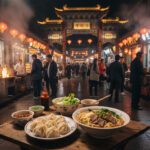
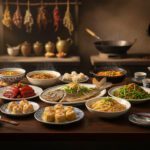
International Food Products: Navigating the Global Culinary Landscape
The global marketplace has undergone a radical transformation over the last few decades, and nowhere is this more evident than in the availability of International Food products. From the shelves of local grocery stores to the menus of high-end restaurants, the flavors of the world are more accessible than ever before. This expansion is not merely a trend; it reflects a more interconnected world where cultural exchange is facilitated by technology, migration, and a growing consumer appetite for authenticity and variety. The trade of these goods represents a multi-billion dollar industry that continues to evolve with shifting demographics and technological advancements.
The Rise of Global Gastronomy
The proliferation of International Food products can be traced back to several key historical and social shifts. Historically, the spice trade was the first major driver of global food movement, linking the East and the West through routes that brought pepper, silk, and exotic flavors to new territories. In the modern era, this has evolved into a sophisticated global supply chain capable of transporting perishable goods across oceans in a matter of days. This movement has fundamentally changed how we perceive food, moving it from a localized necessity to a global experience.
The Impact of Migration and Travel
Human migration has always been a primary vehicle for culinary diffusion. As people move across borders, they bring their recipes, techniques, and essential ingredients with them. This has led to the establishment of vibrant ethnic enclaves in major cities worldwide, which serve as hubs for International Food products. Furthermore, the increase in international travel has exposed consumers to authentic regional cuisines, creating a persistent demand for those same flavors once they return home. When a traveler experiences authentic pasta in Italy or street food in Thailand, they seek out those specific International Food products to recreate those memories in their own kitchens.
The Digital Influence and Social Media
Social media platforms like Instagram and TikTok have played a significant role in the mainstreaming of global flavors. A viral video featuring a specific ingredient, such as Korean gochujang or Mexican chamoy, can lead to a sudden surge in demand for these International Food products. Food bloggers and influencers have become the new gatekeepers of taste, often prioritizing “authentic” and “exotic” ingredients that challenge the traditional palate. This digital connectivity allows a small artisanal producer in a remote region to find a global audience almost overnight, bypassing traditional gatekeepers.
Key Drivers for the International Food Products Market
Several factors contribute to the sustained growth of the market for International Food products. Understanding these drivers is essential for retailers, distributors, and producers looking to capitalize on this global shift. The market is no longer limited to niche specialty stores; it has moved into the aisles of mainstream supermarkets and the warehouses of major e-commerce giants.
The Adventurous Consumer
Today’s consumer is more adventurous than previous generations. Millennials and Gen Z, in particular, view food as an experience rather than just sustenance. They are willing to experiment with unfamiliar textures and bold flavor profiles. This curiosity drives the sales of International Food products that offer a sense of discovery. Whether it is the heat of West African spices or the subtle umami of Japanese fermented goods, the modern consumer is constantly looking for the next big flavor sensation.
Health and Wellness Trends
Many International Food products are perceived as healthier alternatives to processed Western foods. For example, the Mediterranean diet’s emphasis on high-quality olive oil and legumes, or the Japanese focus on fermented products like miso and natto, aligns with the global trend toward functional foods and longevity. As health-conscious consumers look for natural ways to improve their well-being, they often turn to traditional International Food products that have been staples in other cultures for centuries.
E-commerce and Direct-to-Consumer Models
The rise of e-commerce has eliminated many of the barriers to entry for niche International Food products. Small-scale producers in remote parts of the world can now reach global audiences through platforms like Amazon or specialized gourmet marketplaces. This has democratized the food industry, allowing for a wider variety of products to enter the market. Direct-to-consumer (DTC) models also allow brands to tell their story directly to the buyer, emphasizing the origin and quality of their International Food products.
Regional Highlights in the Global Market
The diversity of International Food products is vast, but certain regions have seen particularly strong growth in their exports and influence. Each region brings a unique set of flavors and traditions that contribute to the global pantry.
Asian Culinary Influence
Asia remains a powerhouse in the global food trade. Products like soy sauce, matcha, coconut milk, and various types of noodles have become household staples in many Western countries. The popularity of Korean pop culture (K-Wave) has also spurred a massive interest in Korean International Food products, including kimchi, tteokbokki kits, and gochugaru. The complexity of Asian flavors, balancing sweet, sour, salty, and bitter, continues to captivate global consumers.
European Artisanal Traditions
Europe continues to be synonymous with quality and heritage. Consumers are often willing to pay a premium for the history and craftsmanship associated with these goods. The European market also leads the way in organic and non-GMO , setting high standards for the rest of the world.
Latin American and Caribbean Flavors
The influence of Latin American cuisine is expanding beyond the ubiquitous taco. Ingredients like quinoa from the Andes, various chili peppers from Mexico, and açai from the Amazon are now integral to the global health and gourmet sectors. These International Food products offer a vibrant mix of heat, acidity, and nutritional value. The Caribbean also contributes unique spice blends like jerk seasoning, which are gaining popularity in global barbecue and fusion cooking.
Supply Chain and Logistics of International Food Products
While the demand for International Food products is high, the logistics of bringing these items to market are incredibly complex. Success in this industry requires more than just a great product; it requires a robust and compliant supply chain.
Regulatory Compliance and Food Safety
Each country has its own set of regulations regarding food safety, labeling, and additives. Navigating the requirements of agencies like the FDA in the United States or the EFSA in the European Union is a major hurdle for exporters. Ensuring that International Food products meet these stringent standards is crucial for maintaining consumer trust and avoiding costly recalls. This includes accurate allergen labeling, ingredient transparency, and adherence to manufacturing standards like HACCP.
Cold Chain Management and Preservation
For many perishable International Food products, such as specialty cheeses, cured meats, and fresh tropical fruits, maintaining a consistent cold chain is vital. Any break in the temperature-controlled environment can lead to spoilage and significant financial loss. Advances in logistics technology, including IoT sensors and real-time tracking, have improved the reliability of these supply chains. Furthermore, innovations in packaging, such as modified atmosphere packaging (MAP), help extend the shelf life of without compromising quality.
Sustainable Sourcing in the Global Food Trade
As the market for grows, so does the focus on sustainability. Consumers are increasingly concerned about the environmental and social impact of the food they consume. This shift is forcing companies to re-evaluate their sourcing practices and transparency.
Fair Trade and Ethical Labor
The sourcing of ingredients like coffee, cocoa, and exotic fruits often takes place in developing nations. There is a growing movement toward ensuring that the producers of these International Food products are paid fairly and work in safe conditions. Fair trade certification has become an important indicator for conscious consumers. Brands that can demonstrate ethical labor practices often see higher brand loyalty among modern shoppers.
Environmental Impact and Carbon Footprint
The carbon footprint associated with transporting International Food products across the globe is a point of contention. To mitigate this, many companies are looking into more sustainable packaging and optimized shipping routes. Additionally, there is a trend toward “localizing” international flavors by growing non-native crops in closer proximity to the end market. However, for many authentic the specific terroir of the origin region is irreplaceable, making long-distance trade a necessity.
Marketing Strategies for International Brands
To succeed in a new market, brands must decide between two primary strategies: localization or standardization. Both approaches have their merits depending on the target audience and the nature of the International Food products being sold.
Localization of Products
Some brands choose to adapt their to suit local tastes. This might involve adjusting spice levels, changing packaging sizes, or even altering ingredients to meet local dietary preferences. Localization helps in making the product more accessible to a broader audience who might be intimidated by overly “authentic” or intense flavors. It is a balance between maintaining the essence of the product and making it palatable for a new demographic.
Maintaining Authenticity and Heritage
On the other hand, many consumers seek out specifically for their authenticity. In this case, brands emphasize their heritage, traditional methods, and geographical origin. This strategy works well for premium products where the “story” behind the food is a key part of its value proposition. For these consumers, any deviation from the original recipe is seen as a loss of quality. Marketing for these International Food products often focuses on education, teaching the consumer how to use the product in traditional ways.
The Future of the International Food Industry
Looking ahead, the market for International Food products shows no signs of slowing down. We can expect to see even more integration of technology in the way we discover and purchase these goods. Artificial intelligence may soon be used to recommend based on a consumer’s unique flavor profile and dietary needs.
Conclusion
The surge in demand for International Food products is a testament to the power of cultural exchange and the evolving preferences of the modern consumer. From the rise of digital influence to the complexities of global logistics, the journey of a product from a local farm in one corner of the world to a dining table in another is a marvel of modern commerce. While challenges regarding regulation and sustainability remain, the opportunities for growth in the International Food products sector are immense.
Want to read more Famous Food about click here
Big Shoutout to the guys who made this blog happen UDM
Frequently Asked Questions (FAQ)
What defines international food products?
International Food products are food items and ingredients that are produced in one country and exported for consumption in another. These products often represent the unique culinary traditions, agricultural strengths, and cultural heritage of their country of origin.
How do regulations affect the import of international food products?
Regulations are critical in the trade of . Importing countries have strict standards regarding food safety, labeling, and chemical residues.
Why are international food products becoming more popular?
>>>>>>The popularity of International Food products is driven by several factors, including increased global travel, human migration, the influence of social media, and a growing consumer interest in healthy and authentic culinary experiences. As people seek more variety and adventure in their diets, they naturally turn to global flavors.
Global Food Journey: Traditional Dishes That Define Cultures