Korean Food Blog: A Deep Dive into Authentic Flavors
The global fascination with South Korean culture, often referred to as the Hallyu wave, has brought much more than just catchy pop music and gripping television dramas to the international stage. At the heart of this cultural explosion is the rich, vibrant, and incredibly diverse world of Korean gastronomy.Korean Food blog
Whether you are a seasoned chef or a curious home cook, a dedicated Korean Food blog serves as an essential resource for navigating the intricacies of this ancient culinary tradition. Korean cuisine, or Hansik, is a harmonious blend of nature, history, and science, offering flavors that are as complex as they are rewarding. From the fiery heat of fermented chili paste to the comforting depth of a slow-simmered soybean stew, every dish tells a story of regional pride and seasonal abundance.
The Evolution of Korean Cuisine
To truly appreciate the content of a Korean Food blog, one must understand the historical trajectory of the peninsula’s diet. For centuries, Korea was an agrarian society, and its food reflects a deep connection to the land and sea.
The traditional Korean meal is structured around the concept of ‘Bap’ (cooked rice) and ‘Banchan’ (side dishes). This structure is not merely a matter of preference but is rooted in the nutritional philosophy of ‘Yak-sik-dong-won,’ which posits that food and medicine share the same origin.
In the past, the royal court of the Joseon Dynasty set the standard for culinary excellence, developing elaborate multi-course meals that emphasized balance in color, texture, and flavor. Today, these traditions persist alongside a burgeoning modern food scene that embraces global influences while maintaining its distinct Korean soul.
Why You Should Follow a Korean Food Blog
In an era where information is abundant but often superficial, a specialized Korean Food blog provides the depth and context necessary to master K-cuisine. Unlike generic recipe sites, a dedicated blog explores the ‘why’ behind the ‘how.’
They provide step-by-step instructions, troubleshooting tips for tricky processes like kimchi fermentation, and recommendations for authentic ingredient substitutes. Moreover, following a Korean Food blog connects you with a community of enthusiasts who share a passion for bold flavors and healthy living.
Essential Ingredients for Your Korean Pantry
Before you begin your cooking journey, any good Korean Food blog will tell you that your pantry needs a few non-negotiable staples. These ‘Jang’ or fermented pastes form the backbone of almost every savory dish.
-
Gochujang: A thick, red chili paste that offers a balance of sweet, spicy, and savory notes. Essential in dishes like Tteokbokki and Bibimbap.
-
Doenjang: A fermented soybean paste similar to miso but with a much funkier, deeper profile. Used in soul-warming stews.
-
Ganjang: Korean soy sauce, which comes in various types, including Jin Ganjang for braising and Guk Ganjang for seasoning soups.
-
Other essentials include Gochugaru (chili flakes), toasted sesame oil, toasted sesame seeds, and a high-quality fish sauce.
Having these ingredients on hand allows you to whip up an authentic meal at a moment’s notice.
Mastering the Art of Kimchi
No Korean Food blog would be complete without an extensive section on Kimchi. Often considered the national dish of Korea, Kimchi is much more than just fermented cabbage.
It encompasses hundreds of varieties, from Baechu (napa cabbage) Kimchi to Kkakdugi (cubed radish) and Oi Sobagi (stuffed cucumber). The process of making Kimchi, known as Gimjang, was historically a communal event where families prepared enough fermented vegetables to last through winter.
Kimchi is packed with probiotics, vitamins A and C, and essential minerals. A detailed blog post will guide you through the salting process, preparation of the base, and the critical fermentation stage where flavors develop their signature tang.
The Philosophy of the Table: Banchan and Balance
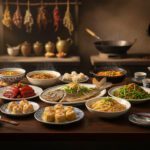
One of the most striking features of Korean dining is the abundance of Banchan. When dining traditionally, your table is quickly covered with small plates of seasoned vegetables, pancakes, and seafood.
A Korean Food blog often highlights the importance of ‘Obangsaek,’ the traditional color theory involving white, black, red, green, and yellow. These colors represent the five elements and are believed to ensure nutritional balance and health.
Common Banchan includes Namul (seasoned vegetables), Jorim (braised items), and Jeon (pan-fried delicacies). Learning to make a variety of Banchan is key to creating a truly authentic Korean dining experience at home.
Korean BBQ and the Social Dining Experience
Korean BBQ, or Gogi-gu-i, is perhaps the most famous export of Korean cuisine. It is a highly social experience where diners grill meat—such as Galbi (marinated ribs) or Samgyeopsal (pork belly)—directly at the table.
A comprehensive Korean Food blog will explain the art of the ‘Ssam,’ or lettuce wrap. To eat BBQ correctly, one takes a leaf of lettuce or perilla, adds a piece of grilled meat, a dollop of Ssamjang (a mixture of Gochujang and Doenjang), and perhaps a slice of raw garlic or scallion salad. This bite-sized package is eaten in one go, providing a burst of contrasting flavors and textures.
Exploring the World of Korean Street Food
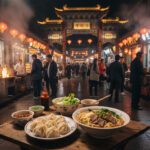
Beyond formal dining, the streets of Korea offer a culinary adventure of their own. From the bustling aisles of Gwangjang Market to the trendy stalls of Myeongdong, street food is an integral part of the culture.
A Korean Food blog will often feature guides to must-try snacks like Tteokbokki (spicy rice cakes), Hotteok (sweet syrupy pancakes), and Gimbap (seaweed rice rolls). It also covers the rise of K-Chicken—Korean fried chicken, famous for its crispy skin and addictive glazes.
The Health Benefits of the Korean Diet
Fermented foods like Kimchi and Doenjang support gut health and boost the immune system. The variety of vegetables used in Namul ensures a wide range of phytonutrients. Traditional cooking methods—steaming, boiling, and grilling—are generally healthier than deep-frying.
How to Start and Grow Your Own Korean Food Blog
High-quality photography is essential, as Korean food is incredibly visual. Capturing the vibrant reds and greens of dishes will draw readers in. Additionally, SEO is crucial. Using the key phrase ‘Korean Food blog’ throughout your content helps your site rank higher in search engine results.
Engaging with your audience through social media and newsletters builds a loyal community. Consistency is key—regularly posting new recipes and cultural stories keeps readers coming back for more.
Conclusion
In summary, a Korean Food blog is much more than a simple repository of recipes; it is a gateway to understanding one of the world’s most sophisticated and health-conscious culinary traditions.
By exploring the depths of fermentation, the balance of the traditional table, and the vibrant energy of street food, you gain a deeper appreciation for the culture that produced these flavors. Whether you are looking to master the art of Kimchi-making or simply want to find the best Korean BBQ in your city, the insights provided by a dedicated blog are invaluable.
Want to read more Famous Food about click here
Big Shoutout to the guys who made this blog happen UDM
Frequently Asked Questions (FAQ)
Is all Korean food spicy?
No, while many famous dishes like Tteokbokki and Kimchi Jjigae are spicy, there are many mild options. Dishes such as Bulgogi, Japchae, and soups like Seolleongtang are savory and not spicy.
What is the best substitute for Gochujang?
There is no perfect substitute for Gochujang because of its unique fermented flavor.
Is Korean food gluten-free?
Many Korean dishes are naturally gluten-free as they are based on rice and vegetables. However, soy sauce (Ganjang) and some fermented pastes often contain wheat. Using gluten-free tamari is a common adaptation.