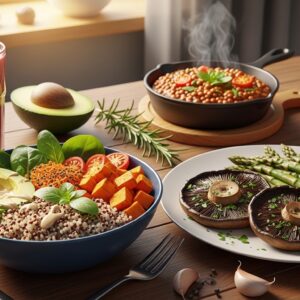
Biryani has always been a symbol of celebration and flavor in every Pakistani household. However, for those who are trying to maintain a fit lifestyle, this traditional dish often seems too heavy or high in calories. The good news is that you don’t have to give up your favorite meal anymore. With a few smart changes, you can enjoy Low-Calorie Pakistani Biryani that keeps the taste rich and your diet balanced.
This healthy twist on biryani replaces oily ingredients with lighter, nutrient-rich options. For instance, using brown rice instead of white rice, and grilling chicken instead of deep-frying, can make a big difference. Moreover, these small adjustments not only cut calories but also boost the nutritional value of the dish. As a result, you can satisfy your cravings without feeling guilty.
In this article, we’ll explore simple yet flavorful recipes to prepare Low-Calorie Pakistani Biryani at home. You’ll also discover useful tips for portion control, healthy cooking methods, and ingredient substitutions. Whether you are a fitness lover or just want to eat clean without losing the authentic biryani flavor, this guide will help you enjoy every bite while staying on track with your goals.
The Essence of Biryani and Why It Matters
Biryani is more than just food — it’s an emotion deeply connected to Pakistani culture. Whether it’s a wedding feast, Eid celebration, or family gathering, biryani is always at the heart of the menu. However, the traditional recipe often includes high amounts of oil, butter, and white rice, which makes it heavy in calories. For fitness enthusiasts or anyone trying to eat healthy, this can become a problem.
That’s where Low-Calorie Pakistani Biryani comes in. It keeps the same layers of aroma, taste, and satisfaction but with ingredients that are lighter on your body. The goal is not to change what biryani stands for — rather, it’s to make it more balanced and health-friendly.
Choosing the Right Ingredients for a Healthier Biryani
The first and most important step in preparing a Low-Calorie Pakistani Biryani is selecting the right ingredients. The essence of biryani lies in its layers of rice, meat, and spices, but each of these can be adjusted without losing flavor.
1. Rice Selection

Traditional biryani uses white basmati rice, which, although flavorful, is rich in simple carbohydrates. Switching to brown basmati rice or quinoa can significantly lower the calorie count. These alternatives provide more fiber and keep you full for longer periods, reducing overeating.
Soaking the rice before cooking also helps in reducing starch levels. Moreover, steaming instead of frying ensures the grains remain fluffy yet light on calories.
2. Meat Choices

The classic biryani is often made with mutton or beef, which are high in saturated fats. To make it lighter, use skinless chicken, fish, or even lean beef cuts. For those who prefer a plant-based diet, tofu or chickpeas can replace meat while still adding protein and texture.
Marinating the meat in low-fat yogurt, ginger, garlic, and lemon juice not only tenderizes it but also adds flavor without excess oil. Baking or grilling instead of deep-frying further reduces unnecessary fats.
3. Oils and Fats
Oil is one of the biggest contributors to calories in biryani. Instead of pouring large amounts of ghee or vegetable oil, go for olive oil or coconut oil, but use them sparingly. One tablespoon is usually enough for sautéing onions and spices. You’ll be surprised how flavorful the dish remains when spices are balanced properly.
Smart Cooking Techniques for Lower Calories
Cooking style plays a major role in determining how healthy your biryani turns out. Even if you use the best ingredients, improper cooking methods can increase calorie levels.
1. Steam, Don’t Fry
Instead of frying onions until they soak in oil, try air-frying or baking them. They’ll become crisp and golden without adding unnecessary calories. Similarly, avoid frying chicken or vegetables — grilling, baking, or lightly sautéing them is a better option.
2. Use Non-Stick Cookware
Non-stick pots and pans require less oil for cooking, helping to cut down fat content. This small change supports your goal of creating a truly Low-Calorie Pakistani Biryani without compromising on the authentic look and taste.
3. Control the Layering
Traditional biryani involves layering cooked rice with oily masala and meat. For a lighter version, use more rice and vegetables while slightly reducing the masala layer. This keeps the dish aromatic but balanced.
Adding Vegetables for More Nutrition
Vegetables can transform your biryani into a wholesome and colorful meal. Adding carrots, peas, bell peppers, and spinach not only enhances the taste but also increases fiber and vitamins.
These vegetables add moisture to the dish, reducing the need for extra oil or butter. Moreover, they make each bite more satisfying and visually appealing. When you prepare a Low-Calorie Pakistani Biryani, don’t think of vegetables as extras — they are essential for health and texture.
Balancing Spices and Flavors
One reason people love biryani is its deep, layered flavor. The good news is that spices add almost no calories, so you can enjoy all the traditional tastes without worry.
To maintain the authentic Pakistani flavor:
-
Use garam masala, cardamom, cinnamon, bay leaves, and cloves in small amounts.
-
Add fresh herbs like mint and coriander for freshness and aroma.
-
Replace heavy fried onions with caramelized or air-fried onions to reduce calories.
Balancing these elements ensures your Low-Calorie Pakistani Biryani tastes just as rich as the traditional one, but with a much healthier profile.
Protein-Packed Options
Protein is essential for anyone leading a fit lifestyle. Instead of relying solely on meat, try blending different protein sources to create variety and balance.
For example:
-
Combine grilled chicken with boiled eggs for an extra protein boost.
-
Add chickpeas or lentils to create a mix of plant and animal protein.
-
Use low-fat yogurt in marinades to tenderize meat and improve digestion.
These protein-rich combinations make your biryani both filling and muscle-friendly, supporting a healthy diet plan.
Healthy Marinades and Sauces
Traditional biryani marinades are often loaded with oil and cream. To make them lighter, replace cream with low-fat yogurt or Greek yogurt. It gives the same creamy texture while being rich in protein and low in calories.
Add freshly ground spices, lemon juice, and a touch of olive oil to enhance flavor. Avoid store-bought sauces that contain preservatives or hidden sugars. Homemade sauces are always fresher and healthier.
The Role of Portion Control
Even the healthiest biryani can add calories if eaten in excess. Portion control is key to maintaining a fit lifestyle.
A good tip is to fill half your plate with salad or vegetables, one-quarter with Low-Calorie Pakistani Biryani, and the remaining with a light protein or yogurt side. This not only keeps your meal balanced but also helps in digestion.
Another trick is to eat slowly. When you take time to enjoy your meal, you feel fuller sooner and are less likely to overeat.
Healthy Side Dishes and Drinks
Pairing your biryani with healthy sides can complete your meal beautifully. Instead of oily raita or sweet drinks, try:
-
Mint yogurt sauce made with low-fat yogurt and cucumber
-
Fresh green salad with lemon dressing
-
Lassi without sugar, flavored with mint or cardamom
-
Lemon water or herbal tea for better digestion
These sides keep your meal light, refreshing, and perfectly balanced with the flavors of biryani.
Meal Prep Tips for Busy People
One of the biggest challenges of healthy eating is time. Preparing your Low-Calorie Pakistani Biryani in advance can help.
-
Pre-marinate your meat and store it in the fridge for up to two days.
-
Parboil your brown rice and refrigerate it for quick use later.
-
Chop vegetables in advance and keep them in airtight containers.
These steps save time and make it easier to stick to your fitness goals while still enjoying your favorite traditional meal.
How Low-Calorie Pakistani Biryani Supports Fitness Goals
Eating healthy doesn’t mean giving up on flavor or tradition. By reducing oil, choosing lean protein, and balancing rice portions, your biryani becomes a nutritious, energy-filled dish.
It provides complex carbs for energy, lean proteins for muscle repair, and essential vitamins from vegetables. When eaten in moderation, Low-Calorie Pakistani Biryani can fit perfectly into a balanced fitness routine.
Common Mistakes to Avoid When Making Low-Calorie Pakistani Biryani
Even with the right ingredients and techniques, a few small mistakes can make your biryani heavier than expected. Knowing what to avoid helps you maintain that perfect balance between flavor and fitness.
1. Using Too Much Oil
Many people think oil is necessary to get that deep biryani flavor. However, it’s actually the spices and slow cooking that build the taste. Using excess oil only adds unwanted calories. Instead, use a non-stick pan and control your oil with a spoon rather than pouring directly from the bottle.
2. Overcooking the Rice
Soft or mushy rice can ruin the texture and force you to use more oil to fix it. Always cook rice only up to 70% before layering it with meat and masala. This method keeps the grains separate and light.
3. Ignoring Portion Sizes
Even a Low-Calorie Pakistani Biryani can contribute to weight gain if you eat large portions. Serve moderate amounts and pair them with salads or yogurt to complete your meal without overeating.
4. Using Store-Bought Spice Mixes
Many ready-made biryani masalas include hidden fats, preservatives, and sodium. Making your own mix at home using fresh spices keeps your dish cleaner, lighter, and much healthier.
Maintaining the Authentic Taste While Cutting Calories
The secret to a successful Low-Calorie Pakistani Biryani is keeping the authentic taste alive even with fewer calories. While you’ve reduced oil, rice, and fats, the taste can still be preserved through creativity and balance.
1. Focus on Fresh Spices
Freshly ground spices have stronger aromas compared to packaged ones. Grinding small batches of cumin, coriander, or garam masala gives your biryani a more authentic depth of flavor.
2. Add Herbs at the Right Time
Fresh herbs like mint, coriander, and green chilies bring a refreshing aroma that can easily replace the richness of ghee. Add them near the end of cooking to lock in their fragrance.
3. Use Yogurt for Creaminess
Instead of cream or butter, use low-fat yogurt to make the masala smooth and thick. It also gives a slight tanginess that complements the spices perfectly.
4. Layer Wisely
Layering is where biryani gets its signature texture. Start with a thin base of rice, then meat or vegetables, and top with another rice layer. Sprinkle a bit of saffron water or lemon juice for color and aroma without needing extra fat.
Expert Tips for Perfect Results Every Time
To make sure your Low-Calorie Pakistani Biryani turns out both delicious and healthy, consider these expert tips that bring balance to your dish.
1. Keep Ingredients at Room Temperature
Cold ingredients, especially yogurt or marinated meat, can release excess water when cooked, making the biryani soggy. Let them rest at room temperature before cooking.
2. Use the Dum Method Smartly
The “dum” or steam method helps merge all the flavors perfectly. Use a tight lid and a low flame to allow slow cooking. This keeps the dish flavorful without needing too much oil or butter.
3. Don’t Skip the Resting Time
After cooking, let your biryani rest for 10 to 15 minutes before serving. This allows the steam to settle, helping the rice grains stay firm and aromatic.
4. Choose Lean Cuts of Meat
When using chicken or beef, trim any visible fat. Lean cuts cook faster and taste cleaner while keeping the dish light. This step supports both the flavor and calorie goals.
Creative Variations of Low-Calorie Pakistani Biryani
Healthy eating doesn’t have to be boring. You can enjoy different flavors by experimenting with new combinations that stay within your fitness goals.
1. Vegetable Biryani
Perfect for vegetarians, this version uses carrots, peas, cauliflower, and spinach. Cook them lightly before layering, and you’ll get a colorful, nutrient-packed meal that’s light yet satisfying.
2. Chicken and Quinoa Biryani
Replacing rice with quinoa adds more protein and fiber. Quinoa absorbs spices beautifully and gives a nutty flavor that blends well with Pakistani masalas.
3. Brown Rice Fish Biryani
Fish cooks quickly and provides healthy omega-3 fats. Pairing it with brown rice creates a Low-Calorie Pakistani Biryani full of nutrition and taste, perfect for fitness enthusiasts.
4. Tofu and Chickpea Biryani
For a plant-based twist, use tofu cubes and boiled chickpeas with a light tomato-based masala. It’s a high-protein, dairy-free version that still delivers that classic biryani experience.
Health Benefits of Switching to Low-Calorie Pakistani Biryani
Adopting a lighter version of biryani does more than just reduce calories — it brings long-term health benefits that fit modern lifestyles.
1. Supports Weight Management
By cutting down oil and using fiber-rich ingredients, your body digests food more efficiently. It helps control appetite and prevents overeating.
2. Improves Heart Health
Replacing saturated fats with olive oil or coconut oil reduces cholesterol levels and supports better heart health without losing flavor.
3. Boosts Energy Levels
Lean meats and brown rice provide steady energy throughout the day, unlike traditional heavy biryani that can make you feel tired afterward.
4. Strengthens Muscles
The protein from chicken, fish, or legumes helps repair and build muscle, especially useful for people who work out regularly.
Cultural Connection with Modern Fitness Goals
Pakistan’s food culture is full of flavor and richness, but modern lifestyles demand a more balanced approach. With growing awareness about health, more people are adapting traditional recipes to suit their needs.
Low-Calorie Pakistani Biryani beautifully represents this shift — a blend of cultural authenticity and modern wellness. It allows you to stay connected to your roots while caring for your health. Whether it’s for a family dinner or meal prep for the week, it fits perfectly into both traditional and modern kitchens.
How to Maintain a Fit Lifestyle While Enjoying Traditional Meals
Healthy living is not about giving up the foods you love. It’s about making small, smart adjustments that help you stay in shape while still enjoying your culture’s favorite dishes. Low-Calorie Pakistani Biryani is a perfect example of this balance. Instead of removing traditional meals from your diet, simply modify the ingredients and cooking style to suit your lifestyle.
Eating this lighter version of biryani allows you to stay consistent with your health goals. It provides a balance of proteins, complex carbohydrates, and essential nutrients while keeping calories under control. When combined with regular exercise and proper hydration, this dish can easily fit into your weekly meal plan. The best part is that you can still share it with family and friends without anyone noticing that it’s a healthier version.
Final Cooking Advice Before Serving
Before serving your Low-Calorie Pakistani Biryani, remember that presentation and freshness play a big role in the overall experience. Serve it hot with a side of fresh salad or mint yogurt sauce to add balance and coolness. Avoid topping it with ghee or fried onions; instead, garnish it with air-fried onions, chopped coriander, and a slice of lemon for color and flavor.
Store leftovers in an airtight container and refrigerate them for up to two days. When reheating, add a few tablespoons of water or low-fat yogurt to maintain moisture. These small details ensure your biryani remains tasty, light, and nutritious even after storage.
Frequently Asked Questions (FAQ)
1. What makes biryani high in calories?
Traditional biryani often includes large amounts of oil, ghee, and white rice, which add unnecessary calories. Reducing these elements and using healthier substitutes creates a Low-Calorie Pakistani Biryani.
2. Can I use brown rice instead of white rice in biryani?
Yes, brown rice is an excellent choice. It’s rich in fiber, helps digestion, and keeps you full longer, making it ideal for a healthier biryani.
3. How can I reduce oil without losing flavor?
Use non-stick cookware and sauté your spices in small amounts of olive oil or coconut oil. You can also enhance flavor with fresh herbs and slow cooking.
4. Is chicken better than beef for a low-calorie version?
Yes, skinless chicken is leaner and contains fewer fats than beef or mutton, which makes it a perfect option for Low-Calorie Pakistani Biryani.
5. Can vegetarians enjoy this recipe?
Absolutely. Replace meat with tofu, chickpeas, or lentils for a protein-rich vegetarian biryani that’s equally delicious and healthy.
6. How do I make my biryani spicy but still light?
Add green chilies, black pepper, and freshly ground spices instead of heavy masalas. They add heat without adding calories.
7. Can I prepare this biryani ahead of time?
Yes, you can marinate the meat and pre-cook rice a day in advance. Store them separately and combine them when you’re ready to cook.
8. Is Low-Calorie Pakistani Biryani suitable for weight loss?
Yes, when eaten in controlled portions, it supports weight loss by providing balanced nutrition with fewer fats and calories.
9. What sides go well with this biryani?
Fresh salads, mint yogurt, and unsweetened lassi are great companions that add freshness and improve digestion.
10. Can I still get the same aroma without using ghee?
Yes, use saffron water, mint leaves, and cardamom. These ingredients create a rich aroma and maintain the authentic biryani flavor without extra fat.
Conclusion
Low-Calorie Pakistani Biryani proves that you don’t need to sacrifice taste for fitness. By making mindful changes — such as choosing brown rice, lean meats, and light oils — you can enjoy this traditional dish while maintaining a healthy diet. This version preserves the warmth and flavor that make biryani so loved across Pakistan but eliminates the heaviness that often follows.
With careful cooking, portion control, and smart ingredient swaps, this lighter biryani fits perfectly into your daily routine. It’s ideal for anyone who values both wellness and culture. So the next time you crave that classic biryani aroma, prepare it the healthy way — rich in flavor, light in calories, and perfect for a fit lifestyle.
Want to read more Famous Food about click here
Big Shoutout to the guys who made this blog happen UDM.