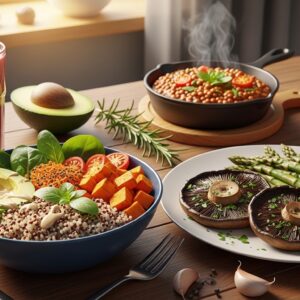
Middle Eastern dishes is a celebration of bold flavors, colorful ingredients, and centuries-old traditions. Known for its use of spices like cumin, cinnamon, and sumac, every dish carries a story of culture and connection. From the creamy texture of hummus to the sizzling aroma of kebabs, these meals bring warmth and comfort to tables around the world. It’s food made to share — rich in taste, love, and hospitality.
Middle Eastern Dishes – Authentic Flavors from the Heart of the East
Middle Eastern food is full of color, flavor, and history. It brings together fresh herbs, rich spices, and healthy ingredients to create dishes that everyone loves. From the busy food stalls serving shawarma and falafel to home tables filled with warm bread, rice, and grilled meat, every meal feels special. Sharing food is an important part of Middle Eastern culture, and it shows the warmth and generosity of the people.
What makes Middle Eastern dishes stand out is their perfect mix of taste and health. Olive oil, lentils, chickpeas, vegetables, and lean meats come together to make food that’s fresh and satisfying. Whether you’re enjoying creamy hummus, tangy tabouleh, or sweet baklava, each dish reflects the rich traditions and welcoming spirit of the Middle East.
1. What Makes Middle Eastern Cuisine So Special?
Middle Eastern food is more than just delicious — it’s full of culture and meaning. Every dish has a story, and meals are often shared with family and friends.
Here’s why this cuisine is so special:
-
Fresh Ingredients: Herbs like mint, parsley, and coriander add life to every dish.
-
Zesty Flavors: Lemon, sumac, and pomegranate give a fresh, tangy touch.
-
Balanced Spices: Cumin, turmeric, and cinnamon create deep, warm flavors.
-
Homemade Style: Most dishes are made from scratch — from bread to sauces.
-
Healthy Choices: Many recipes are grilled, baked, or cooked with olive oil, making them both tasty and nutritious.
2. Most Popular Middle Eastern Dishes
Let’s look at some of the most loved Middle Eastern dishes from around the world.
1. Hummus
A smooth dip made with chickpeas, tahini, lemon juice, and garlic. It’s usually served with pita bread or alongside grilled meat and vegetables.
Tip: Add olive oil and a sprinkle of paprika for extra flavor.
2. Falafel
Crunchy on the outside and soft inside, falafel is made from ground chickpeas or fava beans with herbs and spices. It’s often served in pita bread with salad and tahini sauce.
Fun Fact: Falafel is one of the oldest known street foods in the world!
3. Shawarma
Thinly sliced, marinated meat (chicken, beef, or lamb) cooked on a vertical grill. It’s wrapped in pita bread with garlic sauce and veggies — juicy, smoky, and full of flavor.
Pro Tip: Try it with tahini or chili sauce for a spicy kick.
4. Tabouleh
A light salad made with bulgur wheat, parsley, mint, tomato, lemon juice, and olive oil.
Health Tip: It’s packed with fiber, vitamins, and antioxidants.
5. Kebabs
From kofta (minced lamb) to shish tawook (chicken skewers), kebabs are a grill favorite.
Try This: Serve with garlic yogurt or spicy harissa.
6. Fattoush
A crunchy salad made with pieces of toasted pita, vegetables, and a tangy sumac dressing.
Taste Tip: Add radishes and pomegranate seeds for extra flavor.
7. Mansaf
Jordan’s national dish — lamb cooked in a creamy yogurt sauce, served with rice and bread. It’s a dish of love, served during big family gatherings.
8. Dolma (Stuffed Grape Leaves)
Grape leaves filled with rice, herbs, and sometimes meat, slowly cooked to absorb flavor.
Serving Tip: Tastes great warm or cold with yogurt.
9. Mutabal (Baba Ghanoush)
A smoky dip made from roasted eggplant, tahini, garlic, and lemon juice.
Pro Tip: Roast the eggplant over an open flame for a real smoky taste.
10. Knafeh
A rich dessert made with thin pastry and sweet cheese, soaked in rose or orange blossom syrup.
Fun Fact: Knafeh is a favorite during Ramadan and holidays.
3. Key Ingredients in Middle Eastern Cooking
To make real Middle Eastern food, a few ingredients are must-haves:
-
Tahini: Sesame paste used in dips and dressings.
-
Olive Oil: Used in almost every dish.
-
Chickpeas: A staple for hummus and falafel.
-
Cumin & Coriander: Add warmth and depth to meals.
-
Sumac: Gives a lemony flavor to salads and meat.
-
Pomegranate Molasses: Adds sweetness and tang.
-
Yogurt: Used for sauces and marinades.
4. Middle Eastern Bread – The Heart of Every Meal
Bread is a big part of Middle Eastern life. It’s more than food — it’s part of the tradition.
-
Pita Bread: Soft and round, perfect for dipping.
-
Khobz: Traditional flatbread baked in clay ovens.
-
Markouk: Very thin, great for wraps.
-
Manakish: Flatbread topped with za’atar, cheese, or meat — often eaten for breakfast.
5. Street Food You’ll Love
Street food in the Middle East is full of flavor and fun!
-
Saj Wraps: Flatbread stuffed with chicken and veggies.
-
Arayes: Grilled pita filled with spiced meat.
-
Kibbeh: Fried bulgur shells stuffed with meat and pine nuts.
-
Sambousek: Pastries filled with meat, cheese, or spinach.
-
Luqaimat: Sweet fried dough balls with date syrup — crispy and soft!
6. Vegetarian Dishes
Many Middle Eastern dishes are naturally vegetarian and full of taste:
Falafel, Hummus, Tabouleh, Fattoush, Baba Ghanoush, Mujadara, and Dolma.
These dishes prove that plant-based food can be full of flavor and comfort.
7. Sweet Treats to Try
Middle Eastern desserts are a dream come true for anyone with a sweet tooth!
-
Baklava: Flaky pastry with nuts and honey.
-
Basbousa: Sweet coconut semolina cake.
-
Maamoul: Date-filled cookies.
-
Halva: Sweet sesame treat.
-
Knafeh: Gooey, cheesy dessert soaked in syrup.
8. Refreshing Middle Eastern Drinks
-
Mint Lemonade: Fresh and tangy.
-
Arabic Coffee: Strong and spiced.
-
Mint Tea: Sweet and comforting.
-
Jallab: Date and grape drink with rose flavor.
9. Health Benefits
Middle Eastern food is tasty and good for you:
-
Uses olive oil instead of butter.
-
Packed with fresh veggies and grains.
-
Full of protein and fiber.
-
Focuses on grilled and baked meals.
It’s one of the world’s healthiest diets, full of natural, balanced goodness.
10. Bring Middle Eastern Flavors Home
Want to cook it yourself?
-
Start with simple dips like hummus or baba ghanoush.
-
Use plenty of fresh herbs.
-
Try classic spices like cumin and sumac.
-
Add lemon or vinegar for a tangy touch.
-
Serve family-style — share and enjoy together!
FAQs
1. What are the most popular Middle Eastern dishes?
Hummus, falafel, shawarma, kebabs, and tabouleh are the top favorites.
2. Is Middle Eastern food healthy?
Yes! It uses olive oil, vegetables, and lean meats — perfect for a balanced diet.
3. Are there vegetarian options?
Of course! Falafel, hummus, and fattoush are delicious and vegetarian-friendly.
4. What spices are used most?
Cumin, coriander, cinnamon, cardamom, and sumac.
5. Which dessert should I try first?
Knafeh or baklava — you can’t go wrong with either!
Conclusion
Middle Eastern cuisine is a celebration of flavor, family, and culture. With its fresh ingredients, fragrant spices, and simple yet rich recipes, every dish brings people closer. Whether you’re tasting hummus for the first time or grilling your own kebabs, you’re experiencing centuries of tradition and warmth in every bite.
So, grab some pita, share a meal, and enjoy the heart of the Middle East — one dish at a time!
Want to read more about famousfood click here
Big Shoutout to the guys who made this blog happen UDM.