Nutritious Meal Planning: Your Ultimate Guide to Health and Wellness
In today’s fast-paced world, maintaining a healthy lifestyle often feels like a daunting task. However, with nutritious meal planning, achieving your health goals becomes significantly more manageable and sustainable. It involves strategically organizing your meals and snacks to ensure they are balanced, rich in essential nutrients, and align with your dietary needs. This proactive approach not only saves time and money but also empowers you to make healthier food choices consistently. Consequently, understanding the principles of effective meal planning is crucial for long-term well-being and a more fulfilling life.
The Core Benefits of Nutritious Meal Planning
Embracing nutritious meal planning offers a multitude of advantages that extend beyond just diet. Indeed, it profoundly transforms your relationship with food and positively impacts various aspects of your daily life.
Improved Nutritional Intake
When you meticulously plan your meals, you consciously select ingredients that provide a wide spectrum of vitamins, minerals, and macronutrients. Therefore, this deliberate choice helps prevent nutritional deficiencies and supports optimal bodily functions. For instance, incorporating diverse vegetables, lean proteins, and whole grains ensures a comprehensive nutrient profile, fueling your body efficiently.
Time and Stress Reduction
Daily decision-making about what to eat can be exhausting, leading to mental fatigue. Moreover, spontaneous meal choices often result in less healthy, impulsive selections. Meal planning streamlines this entire process, freeing up mental energy and valuable time. Preparing meals in advance means significantly less cooking during busy weekdays, allowing for more relaxation and other priorities.
Financial Savings
Unplanned grocery trips and frequent restaurant visits can quickly deplete your budget. By contrast, a well-structured meal plan enables precise grocery shopping, minimizing food waste and impulse purchases. You buy only what you need, leveraging sales and bulk options, which leads to significant cost savings over time. Furthermore, cooking at home is almost always more economical than dining out.
Portion Control and Weight Management
Meal planning facilitates mindful eating by pre-determining portion sizes. This is particularly beneficial for weight management goals, whether you aim to lose, maintain, or gain weight. Consequently, you gain better control over your caloric intake and develop a healthier relationship with food, avoiding overeating or undereating.
Essential Steps for Effective Nutritious Meal Planning
Creating a successful meal plan requires a systematic approach. However, it doesn’t have to be complicated or overwhelming. Follow these steps to build a robust nutritious meal planning routine that fits your lifestyle.
Assess Your Dietary Needs and Goals
Begin by thoroughly understanding your individual requirements. Consider factors such as age, activity level, existing allergies, intolerances, and specific health goals (e.g., muscle gain, blood sugar management, cholesterol reduction). Consult a healthcare professional or registered dietitian if you have complex dietary needs. This foundational step ensures your plan is personalized, safe, and effective.
Choose Your Planning Frequency
Decide how often you will plan – weekly, bi-weekly, or monthly. Weekly planning is often ideal for beginners, allowing flexibility and preventing monotony. However, some experienced planners prefer longer cycles for greater efficiency and less frequent grocery trips. Consider your schedule and commitment level.
Select Recipes and Create a Menu
Browse cookbooks, healthy food blogs, or online resources for recipes that appeal to you and your family. Aim for a balance of lean protein, complex carbohydrates, and healthy fats in each meal. Furthermore, incorporate a vibrant variety of fruits and vegetables to ensure diverse nutrient intake. Plan for breakfast, lunch, dinner, and any necessary snacks throughout the week.
Compile Your Grocery List
Based on your chosen menu, create a detailed grocery list. Organize it by store sections (produce, dairy, pantry, etc.) to make shopping efficient and quick. This prevents forgotten items and reduces time spent wandering aisles aimlessly. Therefore, always check your pantry and refrigerator before heading to the store to avoid duplicate purchases.
Prepare and Batch Cook
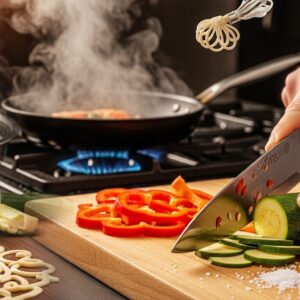
Dedicate specific time for meal preparation, often on a weekend day. This might involve chopping vegetables, cooking grains, or pre-cooking proteins. Batch cooking certain components saves immense time during the busy workweek. For example, prepare a large batch of quinoa, roasted chicken, or a big pot of soup to use in multiple meals.
Key Components of a Balanced Nutritious Meal Planning
A truly effective meal plan prioritizes balance across all food groups. Therefore, understanding the different food groups and their essential roles is vital for successful nutritious meal planning.
Lean Proteins
Proteins are essential macronutrients for muscle repair, growth, and satiety, helping you feel fuller for longer. Include sources like chicken breast, turkey, fish (salmon, cod), eggs, legumes (beans, lentils, chickpeas), tofu, and Greek yogurt. Aim for a high-quality protein source in every meal to support your body’s needs.
Complex Carbohydrates
These provide sustained energy, essential fiber, and important vitamins. Opt for whole grains such as oats, brown rice, quinoa, whole-wheat bread, and starchy vegetables like sweet potatoes and corn. Avoid refined carbohydrates, which can cause rapid blood sugar spikes and energy crashes.
Healthy Fats
Fats are crucial for hormone production, nutrient absorption (especially fat-soluble vitamins A, D, E, K), and brain health. Incorporate avocados, nuts, seeds (chia, flax), olive oil, and fatty fish rich in Omega-3s (salmon, mackerel). Moderation is key, however, as fats are calorie-dense.
Fruits and Vegetables
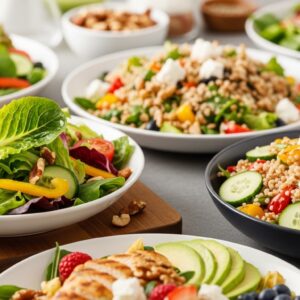
These are packed with vitamins, minerals, antioxidants, and fiber, vital for immune function and digestion. Aim for a wide variety of colors to ensure a broad spectrum of phytonutrients. Indeed, they should form a significant portion of your daily intake, filling at least half your plate at most meals.
Hydration
Often overlooked, adequate water intake is fundamental for overall health, aiding digestion, nutrient transport, and temperature regulation. Drink plenty of water throughout the day. Herbal teas, infused water with fruits, and even certain vegetables like cucumber can also contribute to your daily fluid intake.
Common Challenges and How to Overcome Them
While nutritious meal planning offers numerous benefits, it can present certain challenges, particularly for beginners. Nevertheless, with strategic thinking and consistent effort, these obstacles are easily surmountable.
Lack of Time
Many people feel they don’t have enough time for planning or prepping. To counter this, start small; plan just two or three meals a week initially, then gradually increase. Utilize weekend batch cooking sessions, which significantly reduce weekday effort. Furthermore, choose simpler recipes that require minimal ingredients and cooking steps, or opt for pre-cut vegetables and pre-cooked grains to save time.
Monotony and Boredom
Eating the same meals repeatedly can quickly lead to boredom and a lack of motivation. To avoid this, incorporate variety into your plan. Rotate recipes every few weeks, experiment with new ingredients, and explore different cuisines. Similarly, using a ‘theme night’ approach (e.g., Taco Tuesday, Mediterranean Monday) can add excitement and structure to your week.
Unexpected Schedule Changes
Life happens, and sometimes even the best-laid plans go awry. Build flexibility into your meal plan. Have a few ‘backup meals’ that are quick and easy to prepare using pantry staples. Freezing pre-portioned meals is also an excellent strategy for busy or unexpected days. Consequently, you won’t be tempted by unhealthy takeout options when your schedule suddenly changes.
Cost Concerns
Eating healthy is often perceived as expensive. However, strategic planning can make it surprisingly affordable. Buy seasonal produce, purchase non-perishables and staples in bulk when possible, and utilize sales flyers. Cooking from scratch is almost always cheaper than eating out, even with healthy ingredients. Therefore, consider legumes, eggs, and frozen vegetables as cost-effective and nutrient-dense options.
Tools and Resources for Streamlined Meal Planning
Leveraging the right tools can greatly simplify your nutritious meal planning journey, making it more efficient and enjoyable.
Meal Planning Apps and Websites
Numerous digital tools exist to help with recipe organization, grocery list generation, and even provide meal delivery service integrations. Examples include MyFitnessPal for tracking, Mealime for recipe generation, and Plan to Eat for comprehensive planning. Many offer customizable templates, nutritional tracking features, and community support.
Cookbooks and Online Blogs
A wealth of recipes and inspiration can be found in cookbooks specializing in healthy eating (e.g., Mediterranean, plant-based) or on food blogs dedicated to meal prep. These resources often provide practical tips, batch-cooking ideas, and creative ways to use staple ingredients, preventing meal fatigue.
Food Storage Solutions
Proper food storage is crucial for maintaining freshness, preventing spoilage, and ensuring the safety of your prepped meals. Invest in high-quality airtight containers (glass or BPA-free plastic), freezer-safe bags, and mason jars. This ensures your prepped meals remain delicious, safe, and appealing throughout the week, reducing food waste.
Conclusion
Embracing nutritious meal planning is a powerful, transformative step towards a healthier, more organized, and fulfilling lifestyle. By dedicating time to thoughtful preparation, you gain unparalleled control over your dietary choices, enhance your nutritional intake, save money, and significantly reduce daily stress. While initial challenges may arise, consistent effort, strategic adjustments, and a willingness to learn will pave the way for sustainable healthy eating habits. Start small, be patient with yourself, and enjoy the profound, long-term benefits that well-planned meals bring to your overall well-being and vitality.
Want to read more Famous Food about click here
Big Shoutout to the guys who made this blog happen UDM.
Frequently Asked Questions (FAQ)
Q1: How long does it typically take to prepare meals for a week?
A1: The time required for weekly meal prep varies based on the complexity of your recipes and the number of meals you plan. Generally, dedicating 2-4 hours on a designated prep day (often a Sunday) can cover most cooking and chopping needs for the entire week. As you gain experience and streamline your processes, your efficiency will likely improve.
Q2: Can I still eat out occasionally with a meal plan?
A2: Absolutely! A healthy meal plan should be flexible and sustainable, not overly restrictive. Plan for occasional dining out by making informed choices at restaurants, perhaps opting for leaner proteins, extra vegetables, and mindful portion sizes. Informing your meal plan about these outings can also help you balance your caloric and nutrient intake for the rest of the week.
Q3: What if I don’t like leftovers?
A3: If leftovers aren’t your preference, consider meal planning in smaller batches, perhaps for 2-3 days at a time, to ensure freshness. Alternatively, focus on prepping individual components (e.g., cooked grains, roasted vegetables, grilled chicken) that can be assembled into different fresh meals throughout the week. You can also explore recipes that are known to taste great as leftovers, such as stews, curries, or casseroles, which often improve with time.
- https://famousfoodblog.com/italian-pasta-a-culinary-journey-through-tradition/
- https://famousfoodblog.com/cake-dessert-recipes-sweet-treats-for-every-occasion/
- https://famousfoodblog.com/bbq-marinade-recipes-elevate-your-grilling-game/
- https://famousfoodblog.com/chicken-noodle-soup-the-ultimate-comfort-food-guide/