One-pot meals: Effortless Cooking for Busy Lives
Life moves fast. Therefore, finding time to prepare nutritious, delicious meals can often feel like an insurmountable challenge. This is precisely where the genius of one-pot meals shines. These culinary marvels offer a straightforward solution to the age-old dilemma of balancing flavor, nutrition, and convenience, all while drastically cutting down on post-dinner cleanup. Indeed, the appeal of a single pot, pan, or dish transforming into a complete meal is undeniable for anyone seeking efficiency in the kitchen. Moreover, embracing one-pot cooking is not merely about saving time; it is also about fostering creativity and enjoying wholesome food without the usual fuss.
The Allure of One-Pot Meals
One-pot meals are more than just a trend; they represent a fundamental shift towards more practical and enjoyable home cooking. They simplify the entire cooking process from start to finish. Consequently, they are a favorite among busy professionals, parents, and anyone looking to streamline their culinary routine.
What Defines a One-Pot Meal?
A one-pot meal is essentially any dish where all the primary ingredients are cooked together in a single vessel. This could be a skillet, a Dutch oven, a sheet pan, an Instant Pot, or even a slow cooker. The beauty of this approach lies in its simplicity and the way flavors meld together as ingredients cook simultaneously. Generally, these meals include a protein, a carbohydrate, and vegetables, creating a balanced and complete dish without requiring multiple cooking stages or separate preparations.
Why Embrace One-Pot Cooking?
There are numerous compelling reasons to incorporate one-pot meals into your weekly menu. Firstly, they offer unparalleled convenience. Preparing and cooking in one vessel significantly reduces the number of dishes to wash, which is a major time-saver. Secondly, they are incredibly versatile. You can adapt almost any recipe to a one-pot format, allowing for endless culinary exploration. For example, you can easily swap proteins or vegetables based on what you have on hand. Furthermore, one-pot dishes often yield deeper, more complex flavors. As ingredients cook together, their juices and aromas intermingle, creating a richer taste profile than if they were cooked separately. Lastly, they are an excellent way to minimize food waste, as portion control and ingredient usage are often more efficient.
Essential Tools and Techniques for One-Pot Meals
While the concept of one-pot meals is simple, having the right tools and understanding key techniques can elevate your cooking experience and ensure consistently delicious results.
Must-Have Cookware
To master one-pot cooking, a few versatile pieces of cookware are indispensable:
- Dutch Oven: Ideal for stews, braises, and roasts. Its heavy construction ensures even heat distribution and retention, perfect for slow cooking. Therefore, it’s a staple for hearty one-pot meals.
- Large Skillet (Cast Iron or Stainless Steel): Excellent for searing, sautéing, and creating pan sauces. A deep-sided skillet can handle a variety of ingredients, making it perfect for stovetop one-pot meals.
- Sheet Pan: Revolutionizes weeknight dinners. It allows you to roast proteins and vegetables simultaneously, resulting in minimal cleanup. Consequently, sheet pan dinners are incredibly popular.
- Instant Pot/Pressure Cooker: Speeds up cooking times dramatically, making it perfect for quick one-pot meals like chili, pasta dishes, or curries. Moreover, it locks in flavor and nutrients.
- Slow Cooker: Ideal for hands-off cooking. Simply add ingredients in the morning and return to a fully cooked meal. This is particularly useful for busy schedules.
Mastering Layering and Timing
The secret to successful one-pot meals often lies in the strategic layering and timing of ingredients. Since different foods cook at different rates, it is crucial to add them to the pot in the correct sequence. Generally, denser, slower-cooking ingredients (like root vegetables or tough cuts of meat) go in first. Conversely, faster-cooking items (such as delicate greens, quick-cooking pasta, or seafood) should be added later. This ensures everything cooks through evenly without becoming overdone or undercooked. For instance, when making a chicken and vegetable roast, you might start with potatoes and carrots, then add chicken, and finally broccoli or bell peppers towards the end. This careful planning prevents mushy vegetables and perfectly cooked proteins.
Popular Categories of One-Pot Meals
The versatility of one-pot meals allows for an incredible array of dishes, catering to every taste and dietary preference. Here are some popular categories that showcase the breadth of this cooking style.
Skillet Suppers
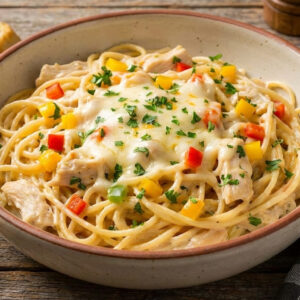
Skillet suppers are fantastic for quick weeknight dinners. They typically involve cooking proteins like chicken, sausage, or ground meat with vegetables and sometimes a grain or pasta, all in one large skillet. Recipes like one-pan lemon herb chicken and potatoes or sausage and pepper pasta are classic examples. The high heat of the skillet often creates delicious caramelized bits, adding depth of flavor. Furthermore, many skillet meals can go from stovetop to oven for finishing, adding another layer of texture and cooking efficiency.
Sheet Pan Dinners
Sheet pan dinners are arguably the easiest of all one-pot meals. You simply chop your ingredients, toss them with oil and seasonings, spread them on a single sheet pan, and roast them in the oven. This method is incredibly forgiving and produces beautifully roasted vegetables and perfectly cooked proteins with minimal effort. Think sheet pan fajitas, salmon and asparagus, or chicken and root vegetables. The cleanup is a breeze, especially if you line your pan with parchment paper or foil. Consequently, these meals are perfect for meal prepping.
Dutch Oven Delights
A Dutch oven is perfect for heartier, more substantial one-pot meals. Its ability to retain and distribute heat evenly makes it ideal for slow-cooked dishes such as robust stews, chili, pot roasts, and braised chicken. The long, gentle cooking process allows flavors to meld beautifully, resulting in incredibly tender meats and rich sauces. Often, you can sear ingredients on the stovetop in the Dutch oven before transferring it to the oven to finish cooking, thus maximizing flavor development. Hence, a good Dutch oven is a worthwhile investment for any home cook.
Instant Pot & Slow Cooker Creations
Modern kitchen appliances have truly revolutionized one-pot cooking. The Instant Pot, for instance, can cook dishes in a fraction of the time compared to traditional methods. You can make everything from creamy pasta dishes and risottos to hearty soups and curries with remarkable speed. Slow cookers, on the other hand, require minimal effort and allow for hands-off cooking throughout the day. They are perfect for preparing pulled pork, beef stew, or even overnight oats. Both appliances are excellent for creating delicious one-pot meals that fit seamlessly into a busy lifestyle. Importantly, they allow you to set it and forget it, freeing up your time.
Tips for Perfecting Your One-Pot Meals
Achieving consistently excellent one-pot meals involves a few key considerations that can elevate your dishes from good to great.
Flavor Building Blocks
Great flavor is the cornerstone of any successful meal, and one-pot dishes are no exception. Start with aromatic vegetables like onions, garlic, and celery, sautéing them until fragrant to build a strong flavor base. Use high-quality broths or stocks, and don’t shy away from fresh herbs and spices. A squeeze of lemon juice or a splash of vinegar at the end can brighten flavors considerably. Furthermore, browning meats before adding other ingredients creates a rich depth of flavor through the Maillard reaction. This simple step can significantly enhance the overall taste of your one-pot meals.
Avoiding Common Pitfalls
While one-pot cooking is generally straightforward, a few common mistakes can hinder success. Firstly, overcrowding the pot can lead to steaming instead of searing or roasting, resulting in bland, soggy ingredients. Therefore, ensure there’s enough space for air circulation. Secondly, adding too much liquid can dilute flavors and create a soupy consistency. Adjust liquid amounts carefully, especially when using ingredients that release a lot of water. Thirdly, incorrect timing of ingredients, as discussed earlier, can lead to unevenly cooked food. Always consider the cooking times of individual components. Finally, remember to season generously throughout the cooking process, tasting and adjusting as you go. This iterative approach guarantees a well-balanced final dish.
FAQs: One-Pot Meals – Effortless Cooking for Busy Lives
1. What are one-pot meals?
One-pot meals are recipes where all ingredients cook together in a single pot, pan, or slow cooker. This method saves time, reduces cleanup, and delivers rich, well-blended flavors.
2. Are one-pot meals healthy?
Yes, one-pot meals can be very healthy. You can include lean proteins, fresh vegetables, whole grains, and light seasonings to create balanced, nutritious dishes without extra oil or processing.
3. What kitchen tools work best for one-pot meals?
Large pots, deep pans, Dutch ovens, slow cookers, and pressure cookers work perfectly for one-pot meals. These tools allow even cooking and handle multiple ingredients with ease.
CUL (Conclusion)
One-pot meals make cooking simple, fast, and stress-free for busy lifestyles. By combining all ingredients in a single pot, you save time, minimize cleanup, and still enjoy flavorful, home-cooked food. Whether for weeknight dinners or meal prep, one-pot meals offer convenience without compromising taste or nutrition.