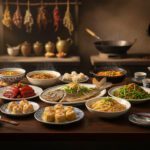
Pakistani traditional dishes: A Culinary Journey
Pakistan, a land steeped in rich history and vibrant culture, boasts a culinary heritage that is as diverse as its landscapes. The array of Pakistani traditional dishes reflects centuries of influences from Central Asia, Persia, and the Indian subcontinent. Indeed, Pakistani cuisine is a testament to the country’s hospitality, warmth, and a deep-seated love for robust flavors. Moreover, each region contributes its unique ingredients, cooking methods, and spice blends, creating a gastronomic tapestry that is truly captivating. Therefore, exploring these traditional dishes offers more than just a meal; it provides a profound insight into the nation’s soul.
The Heart of Pakistani Traditional Dishes: Staples and Spices
Understanding the foundation of Pakistani cooking is crucial to appreciating its complexity. Primarily, the cuisine relies heavily on certain staples and an intricate balance of spices. Consequently, these elements form the backbone of nearly all Pakistani traditional dishes.
Grains and Breads: Naan, Roti, Rice
Grains are fundamental to the Pakistani diet. For instance, wheat is a primary staple, transformed into various forms of bread.
Roti/Chapati: This unleavened flatbread is a daily accompaniment to almost every meal, often cooked on a *tava (griddle). Its simplicity allows the flavors of accompanying curries to shine.
Naan: A leavened flatbread, typically baked in a *tandoor* (clay oven), naan is softer and often richer than roti. It comes in many variations, including garlic naan, *keema* (minced meat) naan, and *roghni naan.
Paratha: A layered, pan-fried flatbread, paratha is often enjoyed for breakfast or alongside rich gravies. It can be plain or stuffed with potatoes (*aloo paratha), minced meat, or vegetables.
Rice: While bread is common, rice dishes hold a special place, particularly *biryani* and *pulao. Basmati rice, known for its fragrant aroma and long grains, is preferred.
Aromatic Spices: The Soul of Flavor
Spices are undeniably the heart and soul of Pakistani cuisine. Without them, the vibrant, layered flavors simply wouldn’t exist. Consequently, a vast array of spices is used, often freshly ground.
- Common Spices: Cumin, coriander, turmeric, red chili powder, garam masala, cardamom (green and black), cloves, cinnamon, and bay leaves are staples.
Flavor Profiles: The skillful combination of these spices creates distinct flavor profiles – from mildly aromatic to intensely fiery. Furthermore, the practice of *bhunai (sautéing spices in oil) is crucial for releasing their full aroma and depth.
- Herbs: Fresh ginger, garlic, and green chilies are also indispensable, often used as pastes or finely chopped.
Iconic Pakistani Traditional Dishes You Must Try
When delving into the world of Pakistani traditional dishes, certain culinary masterpieces stand out. Each tells a story of heritage, regional identity, and culinary artistry.
Biryani: The Aromatic Rice Masterpiece
Biryani is perhaps the most celebrated and beloved dish across Pakistan. It is a fragrant, flavorful rice dish cooked with marinated meat (chicken, mutton, or beef), an assortment of spices, and often potatoes. Indeed, a well-made biryani is a symphony of textures and aromas.
- Sindhi Biryani: Known for its spicier kick and inclusion of dried plums and sometimes potatoes. It offers a tangy and hot flavor profile.
- Karachi Biryani: Often characterized by a milder spice level than its Sindhi counterpart, yet still incredibly aromatic. It frequently includes a tender piece of chicken or mutton.
Nihari: A Royal Slow-Cooked Delicacy
Nihari is a rich, slow-cooked stew made with beef or lamb shank, renowned for its tender meat and deeply flavorful, thick gravy. Traditionally, it was a breakfast dish for royalty in Mughal India. Today, it remains a national dish, revered for its complex spices and the hours of simmering required to achieve its signature texture. Moreover, it is typically garnished with fresh ginger, green chilies, and a squeeze of lime.
Haleem: The Wholesome Stew
Haleem is a hearty and nutritious stew made from wheat, barley, lentils, and meat (usually beef or chicken), slow-cooked for many hours until it achieves a paste-like consistency. Its origins trace back to the Middle East, but it has become a cherished Pakistani staple, especially during religious festivals like Ramadan.
Karahi: Wok-Cooked Perfection
The Karahi, named after the deep, circular cooking pot it’s prepared in, is a quintessential Pakistani dish. It features meat (chicken or mutton) cooked rapidly over high heat with tomatoes, green chilies, ginger, and a blend of aromatic spices.
- Chicken Karahi: A ubiquitous dish, found in almost every restaurant and household. Its quick preparation and robust flavor make it a crowd-pleaser.
- Mutton Karahi: Offers a richer, more intense flavor due to the mutton, requiring a slightly longer cooking time to tenderize the meat.
Paya: A Rich, Nutritious Stew
Paya, literally meaning “trotters,” is a traditional stew made from the hooves of goat, lamb, or beef. It is slow-cooked for hours, sometimes overnight, to extract the gelatin and marrow, resulting in a rich, sticky, and highly nutritious broth. This dish is particularly popular for breakfast or special occasions, valued for its purported health benefits and unique flavor.
Sajji: Balochistan’s Spit-Roasted Lamb
From the rugged province of Balochistan comes Sajji, a unique and incredibly flavorful dish. It involves whole lamb or chicken, marinated in minimal spices (often just salt) and then spit-roasted over an open fire. The result is incredibly tender, smoky meat with a crispy skin. Indeed, its simplicity highlights the quality of the meat itself.
Chapli Kebab: Peshawar’s Flavorful Patty
Chapli Kebab, originating from Peshawar in Khyber Pakhtunkhwa, is a large, flat, round patty made from minced beef or mutton, mixed with various spices, tomatoes, and often pomegranate seeds. It is shallow-fried, resulting in a crispy exterior and a juicy, flavorful interior. Moreover, it is a street food favorite, often served with naan and yogurt raita.
Regional Delights: A Taste of Diversity
The beauty of Pakistani traditional dishes lies in their regional variations. Each province offers a distinct culinary experience, shaped by local ingredients, climate, and historical influences.
Punjab: Rich Gravies and Hearty Meals
Punjab, often called the “breadbasket of Pakistan,” is known for its rich, hearty, and often spicy cuisine. Dishes here feature generous use of ghee (clarified butter), cream, and a variety of meat curries.
- Sarson ka Saag and Makki di Roti: A classic winter dish, featuring mustard greens cooked with spices, served with cornflour flatbread.
- Butter Chicken: While popular globally, its rich, creamy, and mildly spiced version is a Punjabi staple.
- Haleem and Nihari: These dishes are particularly celebrated in Punjabi cities like Lahore.
Sindh: Spicy and Coastal Influences
- Sindhi Biryani: As mentioned, a spicier, more aromatic version of biryani with potatoes and plums.
- Palla Fish: A prized catch from the Indus River, often fried or grilled with a special spice rub.
- Sai Bhaji: A nutritious mixed green vegetable curry, often served with rice.
Khyber Pakhtunkhwa: Meat-Centric Feasts
Dishes are often simpler in terms of spices, allowing the natural flavor of the meat to shine.
- Chapli Kebab: A signature dish, widely enjoyed.
- Lamb Karahi/Dum Pukht: Slow-cooked lamb dishes, where meat is cooked in its own juices with minimal spices, resulting in incredibly tender and flavorful meat.
- Namkeen Gosht: Salted meat, a simple yet delicious preparation showcasing the quality of the lamb.
Balochistan: Unique Roasts and Simplicity
Balochistan’s cuisine is characterized by its rustic simplicity and focus on roasted meats. The arid landscape and nomadic traditions have shaped a cuisine that is hearty and resource-efficient.
- Sajji: The iconic spit-roasted lamb, a testament to Balochistan’s culinary identity.
- Khadi Kebab: Whole lamb roasted in a pit, often stuffed with rice.
- Kaak: A hard, stone-baked bread, often eaten with meat stews.
Sweet Endings: Traditional Desserts
No meal of Pakistani traditional dishes is complete without a delightful dessert. Pakistani sweets are often rich, fragrant, and deeply satisfying.
Gulab Jamun: Syrupy Spheres
These deep-fried milk solids (khoya) dumplings, soaked in a fragrant sugar syrup flavored with cardamom and rosewater, are incredibly popular. They are soft, sweet, and melt in your mouth.
Kheer: Rice Pudding Perfection
Kheer is a creamy rice pudding, slow-cooked with milk, sugar, and flavored with cardamom, saffron, and nuts like almonds and pistachios. It can be served warm or chilled.
Jalebi: Crispy, Sweet Spirals
Jalebi are intricate, spiral-shaped fritters made from a fermented batter, deep-fried until crispy, and then soaked in a warm sugar syrup. They are crunchy, sweet, and a popular street food snack.
Beverages to Complement Your Meal
To truly complete the experience of Pakistani traditional dishes, a refreshing beverage is often essential.
Lassi: The Refreshing Yogurt Drink
It comes in sweet (sugar, sometimes fruit) and savory (salt, cumin) variations. Mango lassi is a particularly popular sweet version.
Kashmiri Chai: Pink Tea Delight
Also known as Pink Tea or Noon Chai, Kashmiri Chai is a unique, subtly salty tea prepared with special tea leaves, baking soda, milk, and often pistachios and almonds. Its distinctive pink hue and rich flavor make it a beloved beverage, especially in winter.
Conclusion
In conclusion, Pakistani traditional dishes offer a magnificent journey through a world of rich flavors, aromatic spices, and diverse regional influences. From the royal indulgence of Nihari to the street-food charm of Chapli Kebab, each dish tells a story of cultural heritage and culinary passion. The country’s cuisine is not merely about sustenance; it is a celebration of community, hospitality, and the art of intricate spice blending. Embracing these traditional meals provides an authentic taste of Pakistan’s vibrant identity, leaving an unforgettable impression on every palate.
Want to read more Famous Food about click here
Big Shoutout to the guys who made this blog happen UDM.
Frequently Asked Questions (FAQ)
Q1: What are some of the most famous Pakistani traditional dishes?
A1: Some of the most famous Pakistani traditional dishes include Biryani (aromatic rice with meat), Nihari (slow-cooked beef stew), Haleem (wholesome lentil and meat stew), Karahi (wok-cooked meat curry), and Chapli Kebab (flavorful meat patties).
Q2: Is Pakistani food generally spicy?
A2, However, the level of spiciness can vary greatly by region and individual preference. Dishes from Sindh, for instance, tend to be spicier, while some Pashtun dishes focus more on the natural flavors of meat with fewer spices.
Q3: What is the difference between Pakistani and Indian cuisine?
A3: While sharing a common history, Pakistani and Indian cuisines have evolved distinctly. Pakistani cuisine, particularly from regions like Punjab and Sindh, shares similarities with North Indian cuisine, but generally features more meat-centric dishes (especially beef and lamb due to religious dietary laws), a heavier use of specific spices like cardamom and cloves, and unique preparations like Nihari and Sajji. Indian cuisine, on the other hand, has a greater emphasis on vegetarian dishes and a broader range of regional variations across its vast subcontinent.
- https://famousfoodblog.com/herbal-drinks-natures-refreshment-for-wellness/
- https://famousfoodblog.com/food-and-health-a-comprehensive-guide-to-wellness/
- https://famousfoodblog.com/balanced-diet-your-guide-to-optimal-health/
- https://famousfoodblog.com/authentic-recipes-unlock-culinary-heritage/
- https://famousfoodblog.com/chinese-food-ideas-a-culinary-journey/