In today’s fast-paced world, finding time to prepare nutritious meals can feel impossible. But eating healthy doesn’t have to mean spending hours in the kitchen. Whether you’re a busy parent, a working professional, or a student on the go, these quick and healthy meals will save your time without sacrificing flavor or nutrition. In this guide, you’ll discover satisfying dishes you can make in under 30 minutes—perfect for breakfast, lunch, or dinner.
Why Choose Quick and Healthy Meals?
Choosing quick and healthy meals is a smart way to stay energized, manage weight, and reduce your risk of chronic diseases. These meals are designed to be:
-
Time-efficient: Ready in 30 minutes or less.
-
Nutrient-rich: Packed with vitamins, protein, fiber, and healthy fats.
-
Budget-friendly: Simple ingredients you can find anywhere.
-
Delicious: Flavorful recipes you’ll enjoy eating again and again.
Let’s dive into the best quick and healthy meal ideas for every time of day.
Healthy Breakfasts Under 30 Minutes
Starting your day with a balanced meal sets the tone for the rest of your day. Here are three breakfast options that are quick, wholesome, and satisfying.
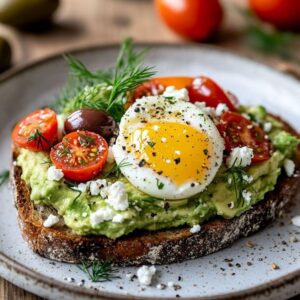
1. Avocado Toast with Egg
Prep Time: 10 minutes
Ingredients:
-
2 slices whole-grain bread
-
1 ripe avocado
-
1 egg
-
Salt, pepper, and chili flakes (optional)
Instructions:
Toast your bread, mash the avocado with seasoning, and top with a poached or fried egg. It’s rich in fiber, healthy fats, and protein—keeping you full for hours.
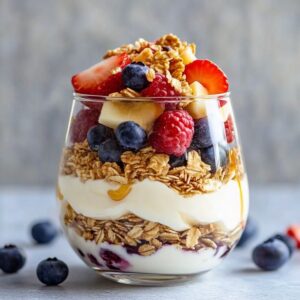
2. Greek Yogurt Parfait
Prep Time: 5 minutes
Ingredients:
-
1 cup plain Greek yogurt
-
1/2 cup mixed berries
-
2 tbsp granola
-
1 tsp honey (optional)
Instructions:
Layer yogurt, berries, and granola in a bowl or jar. This quick and healthy meal is perfect for a grab-and-go breakfast.
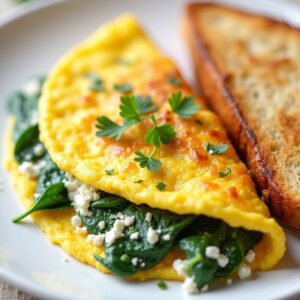
3. Spinach and Feta Omelette
Prep Time: 15 minutes
Ingredients:
-
2 eggs
-
1/2 cup chopped spinach
-
2 tbsp crumbled feta cheese
-
Olive oil, salt, and pepper
Instructions:
Whisk the eggs, cook them with spinach in olive oil, and sprinkle feta before folding. It’s packed with protein and iron, great for morning energy.
Fast and Nutritious Lunch Ideas
Don’t skip lunch! These quick and healthy meals will fuel your afternoon and prevent energy crashes.
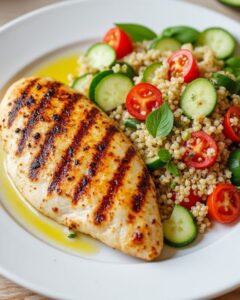
4. Chicken and Quinoa Salad
Prep Time: 25 minutes
Ingredients:
-
1 cup cooked quinoa
-
1 grilled chicken breast, sliced
-
1/2 cup cherry tomatoes
-
1/2 avocado
-
Mixed greens
-
Olive oil and lemon juice dressing
Instructions:
Combine all ingredients in a bowl. This protein-rich salad is light, refreshing, and filling.
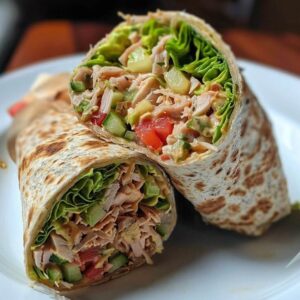
5. Tuna Wrap
Prep Time: 10 minutes
Ingredients:
-
1 whole wheat tortilla
-
1 can tuna (in water), drained
-
1 tbsp Greek yogurt
-
Lettuce and shredded carrots
-
Salt and pepper
Instructions:
Mix tuna with yogurt, season, and wrap with veggies. It’s a high-protein lunch that’s easy to pack and take anywhere.
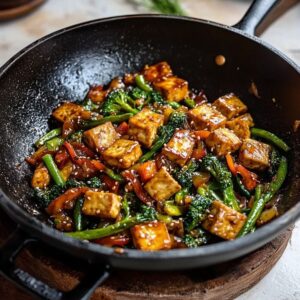
6. Veggie Stir-Fry with Tofu
Prep Time: 20 minutes
Ingredients:
-
1 cup chopped mixed vegetables (bell peppers, broccoli, carrots)
-
1/2 block firm tofu
-
2 tbsp soy sauce
-
1 tsp sesame oil
-
Garlic and ginger
Instructions:
Sauté tofu until golden, add vegetables and seasoning. Serve hot over brown rice or on its own for a low-carb option.
Easy Dinners That Won’t Take All Evening
Dinner doesn’t need to be complicated. Here are simple, delicious meals to wind down your day in a healthy way.
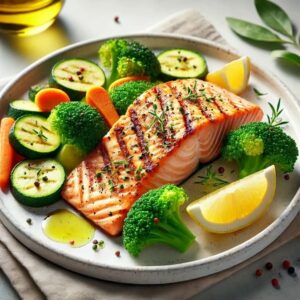
7. Salmon with Steamed Veggies
Prep Time: 25 minutes
Ingredients:
-
1 salmon fillet
-
1 cup broccoli
-
1/2 cup carrots
-
Lemon, olive oil, herbs
Instructions:
Season salmon with herbs and lemon, bake or pan-fry it while steaming vegetables on the side. This dish is rich in omega-3s and antioxidants.
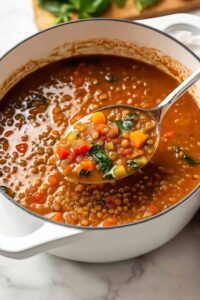
8. One-Pot Lentil Soup
Prep Time: 30 minutes
Ingredients:
-
1 cup red lentils
-
1 chopped onion
-
1 diced carrot
-
2 cloves garlic
-
3 cups vegetable broth
-
Spices: cumin, turmeric, salt
Instructions:
Sauté vegetables, add broth and lentils, simmer until soft. A comforting, plant-based dinner option packed with protein and fiber.
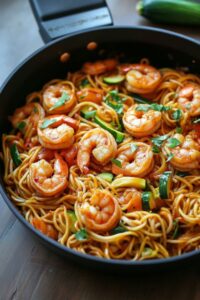
9. Shrimp and Zucchini Noodles
Prep Time: 20 minutes
Ingredients:
-
1/2 lb shrimp
-
2 zucchinis (spiralized)
-
1 tbsp olive oil
-
Garlic, chili flakes, lemon juice
Instructions:
Cook shrimp with garlic and oil, toss in zucchini noodles until just tender. Low-carb and high-protein, this meal is light yet filling.
Time-Saving Tips for Preparing Quick and Healthy Meals
To consistently prepare quick and healthy meals, here are some practical kitchen hacks:
-
Meal prep once a week: Pre-chop veggies, cook grains, and store proteins for the week.
-
Use one-pan or sheet-pan recipes: Saves on both time and cleanup.
-
Keep healthy staples on hand: Stock your pantry with beans, whole grains, canned fish, olive oil, and spices.
-
Freeze leftovers: Double your recipes and freeze extra portions for busy days.
Nutritional Benefits of Quick and Healthy Meals
Eating balanced meals regularly comes with multiple health benefits, such as:
-
Better energy levels throughout the day
-
Improved metabolism and digestion
-
Weight management without restrictive diets
-
Boosted immunity through whole foods
-
Reduced stress from not worrying about what to cook
These meals support your well-being without overwhelming your schedule.
Who Can Benefit from Quick and Healthy Meals?
Quick and healthy meals are ideal for:
-
Busy professionals looking to eat well despite tight schedules
-
Students who want affordable, brain-fueling options
-
Parents trying to feed their families nutritious meals
-
Fitness enthusiasts focused on balanced macros
-
Anyone seeking a healthier lifestyle without complicated cooking
Frequently Asked questions
1. What are some examples of quick and healthy meals I can make at home?
Preparing quick and healthy meals at home doesn’t require gourmet skills or hours in the kitchen. Many delicious and nutritious options can be whipped up in under 30 minutes. Here are some excellent examples:
- Avocado Toast with Egg: A classic for a reason. Mash ripe avocado on whole-grain toast, season with salt, pepper, and chili flakes, and top with a fried, poached, or scrambled egg. It’s rich in healthy fats, protein, and fiber.
- Quinoa Salads: Cook a batch of quinoa (which can be done in advance). Toss with chopped cucumbers, cherry tomatoes, bell peppers, red onion, crumbled feta (optional), and a lemon-herb vinaigrette. Add grilled chicken, chickpeas, or black beans for extra protein.
- Veggie Stir-Fries: A versatile option. Sauté a mix of your favorite quick-cooking vegetables (broccoli florets, snap peas, bell peppers, carrots, mushrooms) with lean protein like chicken breast strips, tofu, or shrimp. Use a low-sodium soy sauce or tamari, ginger, garlic, and a touch of sesame oil. Serve over brown rice or quinoa.
- Salmon with Steamed/Roasted Veggies: Salmon cooks quickly, either pan-seared or baked. Pair it with fast-cooking vegetables like asparagus, green beans, or broccoli, lightly steamed or roasted with olive oil and herbs. Salmon provides excellent omega-3 fatty acids.
- Greek Yogurt Parfaits: Perfect for breakfast, a snack, or a light dessert. Layer plain Greek yogurt (high in protein) with fresh berries, a sprinkle of nuts or seeds (like chia or flax), and a drizzle of honey or maple syrup.
These meals are not only fast but also pack a nutritional punch, making healthy eating accessible even on busy days.
2. Are quick and healthy meals good for weight loss?
Yes, absolutely! Quick and healthy meals are often highly beneficial for weight loss and sustainable weight management. Here’s why:
- Calorie Control: When you prepare meals at home, you have full control over ingredients and portion sizes, making it easier to manage calorie intake compared to eating out.
- High in Protein: Many quick and healthy options (like eggs, lean meats, fish, Greek yogurt, legumes) are rich in protein. Protein promotes satiety, meaning you feel fuller for longer, which reduces the likelihood of overeating or snacking on unhealthy foods.
- High in Fiber: Ingredients like whole grains (quinoa, brown rice, whole-wheat bread), fruits, and vegetables are excellent sources of fiber. Fiber aids digestion, helps regulate blood sugar, and also contributes to feelings of fullness.
- Nutrient Density: These meals prioritize nutrient-dense ingredients, providing essential vitamins and minerals without excess empty calories often found in processed foods.
- Reduced Processed Ingredients: By focusing on whole, unprocessed foods, you naturally reduce your intake of unhealthy fats, added sugars, and excessive sodium, all of which can hinder weight loss efforts.
Incorporating these types of meals regularly can help create the caloric deficit needed for weight loss while ensuring your body receives the necessary nutrients.
3. Can I meal prep quick and healthy meals for the whole week?
Absolutely! Meal prepping is one of the most effective strategies for maintaining a healthy diet, especially when time is limited during the week. Many quick and healthy recipes are perfectly suited for batch cooking and storage.
- Batch Cooking Grains and Proteins: Cook larger quantities of staples like quinoa, brown rice, lentils, grilled chicken breast, or roasted vegetables on a Sunday. These can then be easily assembled into various meals throughout the week.
- Component Prep: Instead of preparing full meals, prepare individual components. Chop vegetables, cook proteins, and make dressings in advance. This saves significant time during daily meal assembly.
- Freezer-Friendly Options: Soups, stews, chili, and certain stir-fries (without too much sauce, which can make veggies soggy) freeze well. Divide them into individual portions before freezing for grab-and-go convenience.
- Storage Solutions: Invest in good quality, airtight meal prep containers (glass or BPA-free plastic) to keep your food fresh in the refrigerator for 3-5 days or in the freezer for up to a few months.
- Variety is Key: While meal prepping, try to vary your ingredients to avoid palate fatigue. For example, prepare chicken for two days, fish for two, and a lentil dish for the rest.
Meal prepping turns healthy eating into a convenient habit, minimizing excuses for unhealthy food choices.
4. How can I make quick and healthy meals with limited ingredients?
Even with a sparse pantry, you can create quick, healthy, and satisfying meals by focusing on versatile, long-lasting staples. The key is creative mixing and matching.
- Pantry Staples Focus:
- Canned Goods: Canned beans (black, kidney, chickpeas), canned diced tomatoes, canned tuna or salmon. These are incredibly versatile and require no cooking before use.
- Frozen Vegetables: Broccoli, spinach, mixed vegetables, peas, corn. They are pre-chopped, retain nutrients, and cook very quickly.
- Eggs: A powerhouse of protein, eggs can be scrambled, fried, boiled, or made into an omelet in minutes.
- Grains: Oats (for oatmeal), pasta, rice (brown or white, choose quick-cooking varieties if available).
- Lean Proteins: If possible, keep some chicken breasts or ground meat in the freezer, which can be thawed quickly.
- Simple Combinations:
- Pasta with Canned Tuna & Veggies: Cook pasta, drain, then toss with canned tuna, canned diced tomatoes, and a handful of frozen peas. Season with salt, pepper, and herbs.
- Egg & Veggie Scramble: Sauté any leftover fresh or frozen veggies (onions, bell peppers, spinach) and scramble with eggs.
- Bean Salad: Mix canned chickpeas or black beans with chopped fresh veggies (if available) or thawed frozen veggies, a squeeze of lemon juice, and a dash of olive oil.
- Oatmeal with Toppings: Cook oats with water or milk, and top with whatever fruit (fresh or frozen) or nuts you have.
- Flavor Boosters: Don’t forget spices, herbs (dried are fine), vinegar, mustard, and hot sauce to elevate simple meals without adding extra calories or unhealthy ingredients.
Resourcefulness is key when ingredients are limited, and these staples allow for endless healthy variations.
5. Are there quick and healthy meals for vegetarians or vegans?
Absolutely! The plant-based world offers an abundance of quick, healthy, and incredibly flavorful meal options for vegetarians and vegans. Many of these rely on pantry staples and fresh produce.
- Lentil Soup (Quick Version): Use canned pre-cooked lentils (or cook a batch from dried ahead of time) and vegetable broth. Sauté onions, carrots, and celery, add the lentils, broth, and some diced tomatoes. Simmer for 10-15 minutes until heated through and flavors meld. Season with herbs like thyme or bay leaf.
- Tofu or Tempeh Stir-Fry: Press extra-firm tofu or chop tempeh into cubes. Pan-fry or sauté until golden, then add your favorite quick-cooking vegetables (broccoli, bell peppers, mushrooms). Toss with a plant-based stir-fry sauce (ensure no fish sauce). Serve with brown rice or quinoa.
- Veggie Wraps/Pitas: Fill whole-wheat tortillas or pita pockets with hummus, mixed greens, shredded carrots, cucumber, bell peppers, and cooked chickpeas or black beans. You can add a drizzle of a plant-based dressing.
- Quinoa Bowls: Similar to the quinoa salad, but you can build warm bowls. Start with a base of cooked quinoa, add roasted or steamed vegetables (e.g., sweet potatoes, broccoli), and a protein source like black beans, edamame, or baked tofu. Top with an avocado dressing or tahini sauce.
- Chickpea Salad Sandwich: Mash canned chickpeas with vegan mayonnaise (or avocado), diced celery, red onion, and a touch of mustard. Season well and serve on whole-grain bread or lettuce cups.
Plant-based ingredients are often inherently quick-cooking and provide excellent nutritional profiles, making healthy vegetarian and vegan meals easy to achieve.
6. What kitchen tools help with making quick and healthy meals?
Having the right kitchen tools can significantly streamline the process of making quick and healthy meals, saving you time and effort.
- Non-Stick Skillet: Essential for cooking eggs, stir-fries, and searing lean proteins with minimal oil.
- Air Fryer: Excellent for quickly cooking vegetables (like broccoli, brussels sprouts, potatoes) and proteins (chicken nuggets, fish fillets) to crispy perfection with very little oil. It’s faster than a conventional oven for smaller portions.
- Blender (Immersion or Regular): Perfect for making smoothies, healthy sauces, salad dressings, and creamy soups in minutes.
- Food Processor: Speeds up chopping vegetables, making pestos, or preparing homemade hummus. (If you don’t have one, a good sharp knife and cutting board are crucial for manual chopping).
- Sharp Knife and Cutting Board: Fundamental for efficient and safe vegetable and protein preparation. A good knife makes all the difference.
- Meal Prep Containers: As mentioned, airtight, stackable containers (glass is preferred for reheating) are vital for storing prepped ingredients or full meals.
- Sheet Pans: Ideal for roasting vegetables and proteins together on one pan for minimal cleanup (e.g., sheet pan chicken and veggies).
- Rice Cooker/Instant Pot: While not strictly necessary for “quick” cooking, they automate the process of cooking grains or legumes, freeing you up to prepare other meal components.
These tools are investments that pay off in convenience and consistent healthy eating.
7. How do I ensure my quick meals are still balanced and nutritious?
The speed of preparation shouldn’t compromise the nutritional balance of your meals. To ensure your quick meals are well-rounded and provide all necessary nutrients, focus on these principles:
- Aim for a “Plate Method” Balance:
- Lean Protein: Make about a quarter of your plate lean protein (chicken breast, fish, eggs, tofu, beans, lentils). Protein is crucial for satiety and muscle maintenance.
- Whole Grains: Another quarter of your plate should be complex carbohydrates from whole grains (quinoa, brown rice, whole-wheat pasta/bread, oats). These provide sustained energy and fiber.
- Colorful Vegetables: Fill half your plate with a variety of non-starchy, colorful vegetables. The more colors, the broader the range of vitamins, minerals, and antioxidants you’ll get.
- Choose Healthy Fats: Incorporate small amounts of healthy fats from sources like avocado, nuts, seeds, and olive oil. These are essential for nutrient absorption and overall health.
- Avoid Processed Sauces and Dressings: These often contain hidden sugars, unhealthy fats, and excessive sodium. Instead, flavor your meals with:
- Herbs and Spices: Fresh or dried herbs (oregano, basil, thyme, cilantro) and spices (paprika, cumin, turmeric, chili powder) add immense flavor without extra calories.
- Citrus Juices: Lemon, lime, or orange juice can brighten up any dish.
- Vinegars: Apple cider vinegar, balsamic vinegar, or red wine vinegar for dressings.
- Garlic and Ginger: Natural flavor enhancers.
- Mindful Seasoning: Use salt in moderation. Taste your food before adding more.
By following these guidelines, your quick meals will be both efficient and nutritionally complete.
8. Are quick and healthy meals kid-friendly?
Definitely! Many quick and healthy meal ideas can be easily adapted to be appealing to children, even picky eaters. The key is often customization, presentation, and involving kids in the process.
- Customization: Let kids choose their favorite toppings or dipping sauces. For example, for chicken wraps, offer a variety of fillings and let them build their own.
- Familiar Flavors: Start with flavors they already like and gradually introduce new vegetables or ingredients.
- Fun Presentation: Cut sandwiches into fun shapes, arrange vegetables into smiley faces, or serve food in colorful bowls.
- Kid-Friendly Examples:
- Chicken Wraps/Quesadillas: Use shredded cooked chicken (can be pre-cooked), cheese, and a few finely chopped veggies in a whole-wheat tortilla.
- Veggie Omelets/Scrambles: Eggs are generally well-liked, and you can hide finely grated or chopped vegetables in them.
- Smoothies: A fantastic way to sneak in fruits (berries, banana) and even vegetables (spinach – their color often blends in) along with yogurt or milk. Let them choose their favorite fruit combinations.
- Mini Pizzas: Use whole-wheat English muffins or pita bread as a base, add a little tomato sauce, cheese, and their favorite veggie toppings.
- Pasta with Hidden Veggie Sauce: Blend cooked carrots, zucchini, or bell peppers into their favorite tomato-based pasta sauce.
- Involve Them: Let kids help with simple tasks like washing vegetables, stirring ingredients, or setting the table. They are often more likely to eat what they helped prepare.
With a little creativity, quick and healthy meals can become family favorites.
9. Can I eat quick and healthy meals if I’m on a budget?
Yes, absolutely! Eating quick and healthy meals is very achievable on a budget, often more so than relying on processed foods or takeout. The strategy lies in smart shopping and ingredient choices.
- Affordable Protein Sources:
- Eggs: One of the most economical and versatile sources of protein.
- Legumes: Lentils, chickpeas, black beans, and kidney beans are incredibly cheap, versatile, and packed with protein and fiber. Buy them dried (cheapest) or canned.
- Chicken Thighs/Drumsticks: Often cheaper than breasts and flavorful.
- Tuna/Sardines (canned): Affordable sources of protein and healthy fats.
- Budget-Friendly Grains:
- Brown Rice: Inexpensive and a staple for many meals.
- Oats: Great for breakfast.
- Whole-Wheat Pasta: Cost-effective and versatile.
- Seasonal and Frozen Vegetables:
- Buy Seasonal Produce: Vegetables and fruits are cheaper when they are in season and often taste better.
- Utilize Frozen Vegetables: Often as nutritious as fresh, pre-cut, and cheaper, especially for out-of-season produce. They also minimize waste.
- Smart Shopping:
- Plan Your Meals: Make a meal plan before grocery shopping to avoid impulse buys and reduce waste.
- Buy in Bulk: For non-perishables like rice, oats, and dried beans, buying larger quantities can save money per serving.
- Store Brand Options: Often just as good quality as name brands but at a lower price.
- Cook at Home: The biggest budget saver is consistently cooking your own meals rather than buying expensive takeout or convenience foods.
By prioritizing these affordable, nutrient-dense ingredients, you can easily create quick, healthy, and budget-friendly meals.
10. How often should I eat quick and healthy meals?
Ideally, every day! Making quick and healthy meals a regular part of your diet is a cornerstone of long-term wellness and sustainable healthy habits.
- Consistency is Key: Aim to make at least one or two of your daily meals quick and healthy. For many, this means a healthy breakfast and either lunch or dinner (or both) prepared efficiently.
- Benefits of Regularity:
- Better Energy Levels: Consistent nutrition helps maintain stable blood sugar and energy throughout the day.
- Improved Health Outcomes: Regular consumption of whole, unprocessed foods supports overall health, weight management, and reduces the risk of chronic diseases.
- Time Management: The more you practice making quick healthy meals, the faster and more intuitive the process becomes.
- Reduced Temptation: Having healthy options readily available reduces the likelihood of reaching for unhealthy snacks or expensive takeout when hunger strikes.
- Flexibility is Important: While the goal is daily, life happens. Don’t let perfect be the enemy of good. If you have an occasional treat or a meal out, it’s about getting back on track for your next meal.
Conclusion
Making healthy eating a priority doesn’t have to mean hours in the kitchen. With the right strategies and simple recipes, you can enjoy quick and healthy meals every day—without stress, extra calories, or fast food. These recipes show that convenience and health can go hand in hand.
Try incorporating a few of these meals into your routine this week, and you’ll start noticing better energy, improved digestion, and a more positive relationship with food. Remember, healthy living begins with one small choice at a time—starting with what’s on your plate.
want to read more visit our website
Big Shoutout to the guys who made this blog happen UDM.