Recipe Blogs: How to Build a Profitable Food Brand
The digital landscape has fundamentally transformed the way we share and consume culinary information. In the early days of the internet, finding a meal idea meant scouring basic text forums or static websites. Today, Recipe Blogs have evolved into sophisticated media platforms that blend high-end photography, cinematic video, and data-driven SEO strategies. For many creators, what begins as a simple hobby of documenting family dinners often blossoms into a full-scale digital media business. This guide explores the intricate world of Recipe Blogs, offering insights into how you can build, grow, and monetize a food-centric platform in an increasingly competitive market.
The Digital Revolution of Home Cooking
Recipe Blogs have undergone a massive transformation over the past two decades. Initially, food bloggers used platforms like LiveJournal or Blogger to share personal anecdotes alongside simple recipes. These early iterations were deeply personal and lacked the commercial focus seen today. As the internet became more visual, the focus shifted toward high-quality imagery. The introduction of Pinterest in 2010 was a watershed moment for Recipe Blogs, as it provided a visual discovery engine that drove millions of visitors to food sites based on a single, mouth-watering image.
Today, the industry is highly professionalized. Top-tier Recipe Blogs are no longer one-person operations; they often employ photographers, videographers, SEO specialists, and virtual assistants. The content has also become more structured. While the “personal story” before the recipe is often a point of debate among readers, it serves a dual purpose: building a brand connection and providing the necessary context and keywords for search engine algorithms. This evolution reflects a broader trend in digital media where niche expertise and personal branding are the primary drivers of success.
Why Recipe Blogs Are More Relevant Than Ever
Despite the rise of short-form video on platforms like TikTok and Instagram, long-form Recipe Blogs remain the gold standard for home cooks. A blog post provides something a 60-second video cannot: detailed instructions, ingredient substitutions, troubleshooting tips, and a printable format. For the creator, a blog represents owned media—a platform that isn’t subject to the whims of a social media algorithm. This stability makes Recipe Blogs an attractive long-term investment for content creators.
Furthermore, the “evergreen” nature of food content ensures that a well-written recipe can drive traffic for years. A recipe for “Perfect Roast Chicken” or “Easy Chocolate Chip Cookies” doesn’t go out of style. As long as people need to eat, they will continue to search for reliable instructions online, making Recipe Blogs one of the most resilient niches in the blogging world.
Core Pillars of a High-Performing Recipe Blog
To stand out in the crowded space of Recipe Blogs, certain elements are non-negotiable. It is not enough to have a good recipe; the presentation and functionality of the site must meet modern user expectations.
Mastering Food Photography and Styling
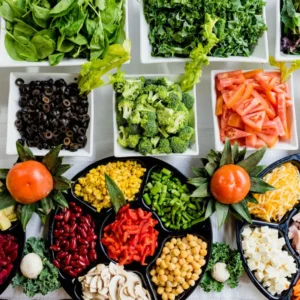
We eat with our eyes first. In the realm of Recipe Blogs, photography is the primary driver of engagement. Professional food bloggers invest heavily in DSLR or mirrorless cameras, macro lenses, and artificial lighting setups. Understanding composition—such as the rule of thirds or leading lines—can make a dish look irresistible. Furthermore, “process shots” (photos of the cooking steps) have become essential. They provide visual cues that help the reader feel confident in their ability to replicate the dish. High-quality visuals also increase the likelihood of content being shared on Pinterest, which remains a top traffic source for the food niche.
The Science of Recipe Development and Testing
The heart of any successful blog is the recipe itself. Reliability is the foundation of trust between a blogger and their audience. This means recipes must be tested multiple times, often in different kitchens or with different brands of ingredients, to ensure they work for everyone. Successful Recipe Blogs often include a section on “Why this recipe works,” explaining the science behind certain techniques or ingredient choices. This level of detail not only helps the cook but also establishes the blogger as an authority in their field.
Implementing Structured Data (Recipe Schema)
A recipe card is a specialized plugin or code block that presents the ingredients and instructions in a clean, printable format. Beyond aesthetics, recipe cards are vital for SEO. They use Schema.org markup to tell search engines exactly what the ingredients, cooking time, and calorie counts are. This data allows Google to display “Rich Snippets,” such as star ratings and thumbnail images, directly in the search results, significantly increasing the click-through rate for Recipe Blogs. Without proper schema, a blog post is just a wall of text that search engines struggle to categorize correctly.
Search Engine Optimization for Recipe Blogs
Search Engine Optimization (SEO) is the lifeblood of most Recipe Blogs. Without a steady stream of organic traffic from Google, monetization becomes difficult. SEO in the food niche requires a blend of technical knowledge and creative content writing.
Navigating Keyword Intent in the Food Niche
Keyword research involves finding out what people are actually searching for. Instead of just “Chicken Recipe,” a savvy blogger might target “30-Minute Air Fryer Chicken Thighs” or “Gluten-Free Slow Cooker Stew.” These long-tail keywords have lower competition and higher intent. Tools like Semrush, Ahrefs, or even Google’s auto-complete feature help bloggers identify trending ingredients and seasonal demands. Understanding “keyword intent” is also crucial; is the user looking for a quick weeknight meal or a complex holiday showstopper?
The Role of E-E-A-T in Food Blogging
Google places a high value on Experience, Expertise, Authoritativeness, and Trustworthiness (E-E-A-T). For Recipe Blogs, this means showing that you actually made the food. Original photography, detailed personal tips, and a clear “About” page that highlights your culinary background help signal to Google that your content is high-quality. Engaging with comments and answering reader questions also builds the “Trustworthiness” pillar, which can help improve rankings over time.
Monetization: Beyond Simple Ad Revenue
Once a blog gains traction, there are several ways to turn traffic into revenue. Diversifying income streams is the best way to ensure the long-term sustainability of Recipe Blogs.
High-Tier Ad Networks and Traffic Requirements
This is the most common revenue stream for Recipe Blogs. Once a site reaches a certain threshold of monthly sessions (often 50,000 or more), they can apply for premium ad networks like Mediavine or Raptive. These networks place high-quality ads within the content, and the blogger earns money based on impressions. Because food content is highly visual and attracts a broad demographic, RPMs (revenue per thousand impressions) in the food niche are often quite high compared to other industries.
Affiliate Marketing for Kitchenware
Recipe Blogs are perfectly positioned for affiliate marketing. By linking to specific kitchen tools, pantry staples, or cookbooks on platforms like Amazon, bloggers earn a small commission on every sale made through their link. This is most effective when the recommendations are genuine and add value to the reader’s cooking experience. For example, a post about making homemade pasta might include affiliate links to a specific pasta roller or high-quality semolina flour.
Creating and Selling Digital Products
Many bloggers are moving beyond ads and affiliates to sell their own products. This might include digital e-cookbooks, meal planning services, or even online cooking courses. Digital products have the benefit of high profit margins and allow the creator to build a deeper relationship with their most loyal fans. Subscription models, where users pay a monthly fee for exclusive recipes or ad-free browsing, are also becoming more popular among established Recipe Blogs.
Technical Excellence and User Experience
The backend of a blog is just as important as the recipes themselves. Most professional Recipe Blogs use WordPress because of its flexibility and the vast array of plugins available specifically for food content.
Mobile-First Design for the Modern Kitchen
A significant portion of users will view Recipe Blogs while actually cooking. This means the text must be legible, the buttons easy to tap with messy fingers, and the site should ideally have a “stay awake” feature or a clear, distraction-free print mode. Mobile optimization is no longer optional; it is a core component of both user satisfaction and SEO rankings.
Site Speed and Core Web Vitals
Google’s “Core Web Vitals” are a set of metrics that measure the speed and stability of a website. Because Recipe Blogs are often heavy with high-resolution images, maintaining a fast load speed can be a challenge. Using image optimization tools, fast hosting providers, and efficient coding practices is essential. A slow-loading site will lead to a high bounce rate, as hungry users are unlikely to wait more than a few seconds for a recipe to appear.
Growing and Engaging Your Culinary Community
Traffic is great, but a community is better. Recipe Blogs that thrive in the long term are those that foster a sense of belonging and two-way communication.
Leveraging Pinterest and Instagram
Social media platforms serve as the top of the marketing funnel. Pinterest is especially powerful for Recipe Blogs because it acts as a visual search engine where content has a long shelf life. Instagram and TikTok are better suited for building a personal brand and showing behind-the-scenes content. By using these platforms to drive followers back to the blog, creators can build a multi-channel presence that is less vulnerable to any single platform’s changes.
The Power of an Email Newsletter
An email list is the only audience a blogger truly “owns.” Algorithms on social media can change, but an email goes directly to the subscriber’s inbox. Weekly newsletters featuring seasonal recipes, kitchen tips, and personal updates help keep Recipe Blogs top-of-mind for their readers. It is also an excellent channel for promoting new blog posts, affiliate products, or digital cookbooks directly to an engaged audience.
Conclusion
In conclusion, Recipe Blogs remain one of the most vibrant and profitable niches in the digital world. While the competition is fierce, the demand for high-quality, reliable, and relatable food content shows no signs of slowing down. By focusing on exceptional photography, technical SEO, and building a genuine connection with their audience, aspiring food bloggers can transform their culinary passion into a thriving digital business. Whether you are sharing a secret family heirloom recipe or a modern 15-minute meal, the key to success in the world of Recipe Blogs lies in the perfect blend of art and science. As technology continues to evolve, the bloggers who prioritize user experience and authenticity will be the ones who lead the next generation of digital cooking.
Want to read more Famous Food about click here
Big Shoutout to the guys who made this blog happen UDM
Frequently Asked Questions (FAQ)
How do recipe blogs make money?
Recipe blogs primarily generate income through display advertising, affiliate marketing, and sponsored partnerships with food and kitchen brands. Some also sell digital products like e-cookbooks or meal plans.
Do I need to be a professional chef to start a recipe blog?
No, many of the most successful recipe blogs are run by home cooks. What matters most is the ability to create reliable, well-tested recipes and communicate them clearly through writing and photography.
Which platform is best for starting a food blog?
WordPress.org (self-hosted) is widely considered the best platform for recipe blogs because it offers full control over SEO, monetization, and specialized recipe plugins that are essential for growth.