Restaurant-style curry recipes: Master the Art at Home
Curries hold a special place in the culinary world, renowned for their complex flavors, aromatic spices, and rich textures. For many, the allure of a restaurant-style curry is undeniable, often seeming like an unattainable feat in a home kitchen. However, with the right knowledge and techniques, preparing authentic Restaurant-style curry recipes is entirely within your reach. This comprehensive guide will demystify the process, empowering you to recreate those beloved dishes that tantalize your taste buds.
Indeed, the journey to mastering restaurant-quality curries begins with understanding their fundamental building blocks. Furthermore, patience and attention to detail are paramount. We will explore everything from essential ingredients and spice blending to crucial cooking methods, ensuring your homemade curries rival those from your favorite eatery. Consequently, get ready to transform your kitchen into a sanctuary of exquisite aromas and flavors.
The Secrets Behind Restaurant-Style Curry Recipes
The unique depth and richness of restaurant curries stem from several key elements. Therefore, understanding these components is the first step toward replicating their magic at home. Moreover, consistency is often achieved through specific preparatory steps and ingredient choices.
Quality Ingredients are Key
High-quality ingredients form the backbone of any exceptional dish. For Restaurant-style curry recipes, this means fresh produce, vibrant spices, and good-quality fats. Firstly, always opt for fresh, ripe vegetables and high-grade meats or paneer. Secondly, spices are non-negotiable; they should be fresh, aromatic, and ideally, ground from whole spices just before use. Ghee, a clarified butter, is another indispensable ingredient, offering a distinctive nutty flavor and high smoke point.
The Art of the Base Gravy
Many Indian restaurant curries rely on a foundational base gravy, often prepared in large batches. This pre-cooked gravy ensures consistency and speeds up the cooking process during service. Typically, it involves slowly caramelizing onions, then blending them with ginger-garlic paste, tomatoes, and a selection of mild spices. Sometimes, cashews or melon seeds are added for thickness and creaminess. Consequently, this smooth, rich base is what gives many curries their signature texture and flavor profile.
Mastering Spice Blends
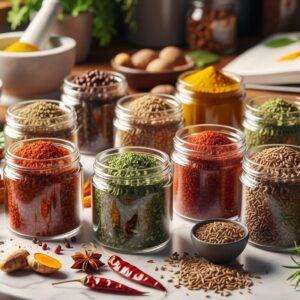
Spices are the soul of curry. Restaurant chefs often use a combination of whole and ground spices, employing different techniques to extract maximum flavor. Whole spices like cardamom, cloves, cinnamon, and bay leaves are often tempered in hot oil at the beginning of the cooking process. Conversely, ground spices (turmeric, coriander, cumin, chili powder) are usually added later, often with a little water, to prevent burning and allow their flavors to bloom. Layering these spices skillfully is crucial for a complex, well-rounded taste.
The Importance of Fat
Fat is not merely a cooking medium; it is a flavor carrier and a texturizer in curries. Ghee is traditionally preferred for its rich aroma and ability to withstand high heat. However, neutral oils are also common. The ‘oil separating’ stage, where the fat visibly separates from the gravy, indicates that the spices are well-cooked and the flavors have fully melded. Additionally, a touch of cream or yogurt at the end can add luxurious richness and balance the spice.
Essential Techniques for Authentic Restaurant-Style Curry Recipes
Beyond ingredients, specific cooking techniques are vital for achieving the desired restaurant quality. Mastering these methods will significantly elevate your homemade Restaurant-style curry recipes.
Slow Cooking and Simmering
Many restaurant curries benefit from slow cooking and prolonged simmering. This process allows the flavors from all the ingredients to meld deeply, creating a more harmonious and complex taste. Rushing the cooking process often results in a curry with raw-tasting spices and less developed flavors. Therefore, patience is truly a virtue when making curry.
Tempering (Tadka)
Tadka, or tempering, is a technique where whole spices (and sometimes aromatics like garlic or chilies) are fried in hot oil or ghee to release their essential oils and infuse the fat with their flavor. This aromatic oil is then added to a dish at various stages, sometimes at the beginning, sometimes at the end as a final flourish. It significantly enhances the aroma and taste of the curry.
Balancing Flavors
A truly great curry achieves a perfect balance of sweet, sour, spicy, salty, and sometimes even bitter notes. Chefs meticulously adjust these elements throughout the cooking process. For instance, a pinch of sugar can balance acidity from tomatoes, while a squeeze of lime or a dash of tamarind can add a bright, tangy counterpoint. Tasting and adjusting are critical steps to achieving this equilibrium.
Finishing Touches
The final touches can transform a good curry into an extraordinary one. Fresh cilantro, mint, or fenugreek leaves (kasuri methi) added at the very end provide a burst of freshness and aroma. A swirl of fresh cream, a dollop of butter, or a sprinkle of garam masala just before serving can also elevate the dish, adding richness and a final aromatic layer.
Popular Restaurant-Style Curry Recipes to Try
Now that you understand the principles, let’s explore some classic Restaurant-style curry recipes that you can recreate in your kitchen. Each offers a unique flavor profile and a rewarding cooking experience.
Chicken Tikka Masala
Chicken Tikka Masala is arguably one of the most popular curries globally. It features succulent pieces of marinated and grilled chicken (tikka) simmered in a creamy, spiced tomato-based sauce. The sauce often includes a blend of ginger, garlic, garam masala, and a touch of cream or yogurt for richness. Its vibrant orange hue and mild, tangy flavor make it a crowd-pleaser.
Lamb Rogan Josh
Originating from Kashmir, Lamb Rogan Josh is a rich, aromatic curry characterized by its deep red color, derived from dried Kashmiri chilies and ratan jot (alkanet root). Tender pieces of lamb are slow-cooked in a flavorful gravy with yogurt, ginger, garlic, and a unique blend of whole and ground spices. The result is a fragrant, tender, and mildly spicy curry.
Paneer Butter Masala
For vegetarians, Paneer Butter Masala is a luxurious choice. This dish features cubes of soft paneer (Indian cottage cheese) swimming in a rich, creamy, and mildly sweet tomato gravy. Butter is generously used, giving the curry its signature richness, while cashews provide a silky texture. It’s a comforting and indulgent option.
Dal Makhani
Dal Makhani is a beloved lentil dish from Punjab, known for its creamy, buttery texture and smoky flavor. Black lentils (urad dal) and kidney beans (rajma) are slow-cooked for hours, often overnight, with butter, cream, and a blend of aromatic spices like ginger, garlic, and green chilies. The slow cooking process makes the lentils incredibly tender and flavorful.
Vegetable Korma
Vegetable Korma is a mild, rich, and creamy curry packed with a variety of vegetables. It typically features a base of yogurt, cream, or coconut milk, along with ground nuts (cashews, almonds) for thickness and sweetness. Spices are usually milder, allowing the natural sweetness of the vegetables to shine through. It’s an excellent option for those who prefer less heat.
Tips for Elevating Your Homemade Restaurant-Style Curry
Even with the right recipes, a few extra tips can make a significant difference in the outcome of your Restaurant-style curry recipes.
Invest in a Good Blender/Food Processor
For truly smooth and consistent gravies, a powerful blender or food processor is indispensable. It ensures that your onion-tomato bases or cashew pastes are perfectly puréed, contributing to that signature silky texture found in restaurant curries.
Prep Ahead (Mise en Place)
Conclusion
Mastering Restaurant-style curry recipes at home is a rewarding culinary endeavor that brings the authentic flavors of your favorite eateries directly to your dining table. By focusing on quality ingredients, understanding the nuances of base gravies, skillfully blending spices, and employing essential techniques like slow simmering and tempering, you can achieve remarkable results. Remember that patience, attention to detail, and a willingness to taste and adjust are your greatest allies in this journey. Embrace the process, experiment with different dishes, and soon you’ll be creating exquisite curries that impress everyone. Enjoy the delicious adventure!
Frequently Asked Questions (FAQ)
Q1: What is the most important secret to making restaurant-style curry recipes at home?
A1: The most important secret lies in mastering the ‘base gravy’ and the art of layering spices. Many restaurants use a pre-prepared onion-tomato base gravy, which provides a consistent foundation. Additionally, taking your time to properly cook spices, often in stages (tempering whole spices, then blooming ground spices), is crucial for developing deep, complex flavors.
Q2: How can I achieve the creamy texture often found in restaurant curries?
A2: Achieving a creamy texture involves several elements. Firstly, using a well-puréed onion-tomato base is key. Secondly, incorporating ingredients like cashew paste, almond paste, or coconut milk adds significant richness and body. Finally, a swirl of fresh cream or a dollop of yogurt towards the end of the cooking process can provide that luxurious, velvety finish.
Q3: Why do my homemade curries lack the vibrant color of restaurant curries?
A3: The vibrant color in restaurant curries often comes from specific ingredients and techniques. Kashmiri chili powder, known for its deep red color but mild heat, is frequently used. Additionally, a longer cooking time allows the natural colors from ingredients like tomatoes and turmeric to deepen. Some chefs also use a tiny amount of food coloring, though this is less common for authentic flavor development. Ensuring your spices are fresh and properly bloomed in oil also enhances their color.
Want to read more Famous Food about click here
Big Shoutout to the guys who made this blog happen UDM.