
Restaurant Style Recipes: Elevate Your Home Cooking
Have you ever savored a dish at your favorite restaurant and wished you could recreate that magic in your own kitchen? Many home cooks aspire to master Restaurant Style Recipes, transforming everyday meals into extraordinary culinary experiences. This comprehensive guide will unlock the secrets behind those delectable restaurant dishes. It will enable you to bring gourmet flavors and sophisticated presentation right to your dining table. Furthermore, we will delve into techniques, ingredient selection, and presentation tips that professional chefs employ daily. Consequently, preparing high-quality, memorable meals for family and friends becomes an achievable goal, not just a dream.
The Allure of Restaurant Style Recipes
The appeal of Restaurant Style Recipes lies in their ability to transcend typical home cooking. These dishes often feature complex flavor profiles, refined textures, and stunning visual appeal. Moreover, they offer a sense of occasion, turning a simple dinner into a special event. However, achieving this level of culinary excellence at home might seem daunting initially. Rest assured, with the right knowledge and practice, anyone can learn to replicate these impressive dishes. The journey begins with understanding the fundamental differences between casual home cooking and professional culinary artistry.
Beyond Basic Home Cooking
Home cooking, while comforting and essential, often prioritizes speed and simplicity. Conversely, restaurant cooking emphasizes precision, depth of flavor, and aesthetic presentation. For instance, a home-cooked steak might be pan-fried until done. A restaurant steak is typically seared to a perfect crust, basted with butter and herbs, and rested meticulously. Similarly, sauces are often made from scratch, building layers of flavor rather than relying on pre-made ingredients. Therefore, adopting a more deliberate and thoughtful approach is crucial when tackling Restaurant Style Recipes.
The Secret Ingredients: Quality and Freshness
Ultimately, the foundation of any outstanding dish, especially those aspiring to be Restaurant Style Recipes, is the quality and freshness of its ingredients. Professional kitchens spare no expense in sourcing the finest produce, meats, and seafood. They understand that superior ingredients require less manipulation to taste exceptional. Furthermore, fresh, seasonal ingredients inherently possess more vibrant flavors and better textures. Consequently, investing in high-quality components is perhaps the single most impactful step you can take to elevate your home cooking.
Mastering Techniques for Restaurant Style Recipes
Technique is the backbone of professional cooking. While quality ingredients provide the canvas, proper execution paints the masterpiece. Mastering key culinary techniques is indispensable for replicating Restaurant Style Recipes effectively. This section will explore several critical areas, offering insights into how chefs achieve their signature results.
Precision in Preparation: Mise en Place
The French term ‘mise en place’ translates to ‘everything in its place,’ and it’s a cornerstone of professional kitchens. This concept involves meticulously preparing and organizing all ingredients before cooking begins. This includes chopping vegetables, measuring spices, portioning meats, and preparing sauces in advance. Consequently, cooking becomes a smooth, efficient process, reducing stress and minimizing errors. Furthermore, ‘mise en place’ allows you to focus on the cooking process itself, ensuring each step is executed perfectly, which is vital for complex Restaurant Style Recipes.
Cooking Methods: Searing, Roasting, Braising, and More
A chef’s arsenal includes a variety of cooking methods, each designed to coax the best out of specific ingredients.
- Searing: This technique creates a beautiful, flavorful crust on meats and some vegetables through high heat. It locks in juices and adds depth.
- Roasting: Ideal for larger cuts of meat or hardy vegetables, roasting develops rich, caramelized flavors and tender interiors.
- Braising: A slow, moist-heat method perfect for tougher cuts of meat. It results in incredibly tender, fall-off-the-bone dishes with rich sauces.
- Poaching: A gentle cooking method in liquid. It is perfect for delicate ingredients like fish or eggs, preserving their texture and subtle flavors.
Understanding when and how to apply these methods is fundamental to recreating authentic Restaurant Style Recipes.
Sauces and Reductions: The Flavor Foundation
Sauces are the lifeblood of many Restaurant Style Recipes, often distinguishing a good dish from a great one. They add moisture, enhance flavor, and provide a unifying element. Professional sauces are typically built from scratch, utilizing stocks, aromatics, and precise thickening agents. Reductions, furthermore, concentrate flavors by simmering liquids until they intensify. Learning to make classic mother sauces (Béchamel, Velouté, Espagnole, Hollandaise, Tomato) and their derivatives will significantly elevate your culinary repertoire. Consequently, your ability to create truly restaurant-quality dishes will soar.
Building Flavor Layers: The Depth of Taste
Professional chefs are masters at building layers of flavor within a single dish. This involves:
- Aromatics: Starting with a sauté of onions, garlic, and celery (mirepoix) or other aromatic vegetables provides a foundational flavor.
- Deglazing: After searing meats or vegetables, deglazing the pan with wine, stock, or vinegar captures the flavorful ‘fond’ (browned bits) at the bottom. This integrates it into the sauce.
- Herbs and Spices: Using fresh herbs at different stages of cooking, and toasting whole spices before grinding, maximizes their aromatic impact.
- Acids: A touch of acid (lemon juice, vinegar, wine) brightens flavors and cuts through richness. It balances the dish.
- Umami: Incorporating ingredients rich in umami, such as mushrooms, Parmesan cheese, or tomato paste, adds a savory depth that makes a dish truly satisfying.
Paying attention to these details significantly elevates the complexity and richness of your Restaurant Style Recipes.
Ingredient Sourcing: Key to Authentic Flavors
As previously mentioned, the quality of your ingredients directly correlates with the quality of your final dish. For aspiring home chefs, understanding how to source the best ingredients is a critical skill for mastering Restaurant Style Recipes.
Freshness is Paramount
Always prioritize fresh ingredients. This means choosing vibrant, firm produce, ethically sourced meats, and recently caught seafood. Visit local farmer’s markets, reputable butchers, and fishmongers. These establishments often provide higher quality products than conventional supermarkets. Moreover, the staff can offer valuable advice on seasonality and preparation. Investing time in sourcing fresh ingredients is an investment in the flavor and success of your Restaurant Style Recipes.
Specialty Ingredients: Where to Find Them
Some Restaurant Style Recipes call for specific, less common ingredients, such as exotic spices, artisanal cheeses, or unique oils. Don’t be deterred; these can often be found at specialty food stores, international markets, or even online retailers. For instance, high-quality saffron, truffle oil, or specific types of pasta can make a significant difference in the authenticity and flavor profile of your dish. Therefore, explore these avenues to broaden your culinary horizons.
Understanding Seasonality
Cooking with seasonal ingredients is a hallmark of fine dining. Produce picked in season is at its peak flavor, texture, and nutritional value. Learning which fruits and vegetables are in season throughout the year allows you to plan your menus around the freshest available options. This approach not only enhances the taste of your Restaurant Style Recipes but also often makes them more economical and environmentally friendly. Consequently, your dishes will taste more vibrant and authentic.
Plating and Presentation: Eating with Your Eyes
Beyond taste, the visual appeal of a dish is a crucial component of Restaurant Style Recipes. Chefs understand that diners ‘eat with their eyes’ first. Thoughtful plating elevates the dining experience and makes the food more appetizing.
Color, Texture, and Height
When plating, consider these elements:
- Color: Use a variety of colors to make the plate visually appealing. For example, a vibrant green herb garnish against a rich brown sauce.
- Texture: Incorporate different textures – crispy, creamy, crunchy, tender – to add interest. A sprinkle of toasted nuts or a dollop of a smooth puree can achieve this.
- Height: Add dimension to your plate. Stacking ingredients, leaning components, or using a small mold can create verticality, making the dish more dynamic.
Ultimately, a well-composed plate demonstrates care and attention to detail, hallmarks of Restaurant Style Recipes.
The Art of Garnishing
Garnishes are not merely decorative; they should enhance the dish’s flavor and appeal. A sprig of fresh herbs, a drizzle of flavored oil, a sprinkle of paprika, or a swirl of a contrasting sauce can complete a dish. However, garnishes should always be edible and complement the main ingredients. Avoid over-garnishing; less is often more. The goal is to add a final touch of sophistication, making your home-cooked meal truly resemble Restaurant Style Recipes.
Popular Restaurant Style Recipes to Try at Home
Armed with new knowledge, you’re ready to tackle some classic Restaurant Style Recipes. Here are a few categories to inspire your culinary adventures.
Steakhouse Favorites
Recreate the luxurious experience of a high-end steakhouse.
- Perfectly Seared Steak with Compound Butter: Learn to achieve a beautiful crust and a juicy interior. Compound butters (herb, garlic, blue cheese) add a gourmet touch.
- Creamed Spinach: A rich, decadent side dish that complements any steak.
- Crispy Roasted Potatoes: Achieve that coveted crispy exterior and fluffy interior with proper roasting techniques.
These dishes, when executed well, are quintessential Restaurant Style Recipes.
Bistro Classics
French bistro fare is known for its comforting yet refined nature.
- Coq au Vin: Chicken braised in red wine with mushrooms and bacon. A true classic that showcases slow-cooking techniques.
- French Onion Soup: Deeply caramelized onions in a rich beef broth, topped with a crusty bread and melted Gruyère.
- Moules Frites: Steamed mussels in a flavorful broth, typically served with crispy French fries.
These are excellent examples of approachable yet elegant Restaurant Style Recipes.
Gourmet Pasta Dishes
Elevate your pasta nights beyond the basics.
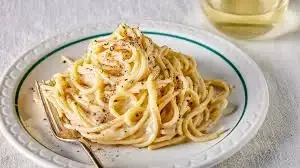
- Cacio e Pepe: A seemingly simple Roman pasta dish that requires precise technique for a creamy, emulsified sauce from cheese, pepper, and pasta water.
- Pasta Carbonara: Another Roman classic, achieving a silky sauce with eggs, Pecorino Romano, guanciale, and black pepper.
- Homemade Gnocchi with Sage Butter Sauce: Light, pillowy potato gnocchi made from scratch, tossed in a fragrant, nutty sage butter.
These demonstrate how simple ingredients can create profound Restaurant Style Recipes with proper execution.
Tips for Success with Restaurant Style Recipes
Embarking on the journey of mastering Restaurant Style Recipes is rewarding. Here are some final tips to ensure your success.
Practice Makes Perfect
Like any skill, cooking improves with practice. Don’t be discouraged by initial failures. Every attempt teaches you something new. Furthermore, repeat dishes you enjoy; repetition builds muscle memory and refines your technique. Ultimately, consistency is key in achieving restaurant-quality results.
Don’t Be Afraid to Experiment
Once you’ve mastered the fundamentals, feel free to adapt and experiment. Play with flavor combinations, try new ingredients, or put your twist on classic Restaurant Style Recipes. Creativity is a vital ingredient in the culinary world. However, always start with a solid recipe as your foundation before venturing into improvisation.
Invest in Quality Tools
While not strictly necessary for every dish, a few quality kitchen tools can make a significant difference. A sharp chef’s knife, a sturdy cutting board, a good quality cast iron pan, and an accurate kitchen scale are excellent investments. These tools not only make cooking easier and more efficient but also contribute to better results, helping you achieve truly Restaurant Style Recipes.
Conclusion
Mastering Restaurant Style Recipes at home is an incredibly rewarding endeavor, transforming your kitchen into a culinary studio and your meals into memorable dining experiences. By focusing on superior ingredient quality, meticulous preparation, precise cooking techniques, and artful presentation, you can consistently achieve results that rival your favorite establishments. Remember that practice, patience, and a willingness to explore are your best allies on this delicious journey. So, gather your ingredients, sharpen your knives, and embark on crafting your own gourmet masterpieces.
Want to read more Famous Food about click here
Big Shoutout to the guys who made this blog happen UDM.
Frequently Asked Questions (FAQ)
Q1: What is the most important factor in making restaurant-style food at home?
A1: The most critical factor is the quality and freshness of your ingredients. High-quality produce, meats, and seafood provide the best foundation for flavor, requiring less manipulation to taste exceptional. Furthermore, proper technique and attention to detail are also crucial.
Q2: Do I need expensive equipment to make Restaurant Style Recipes?
A2: While professional kitchens use specialized equipment, you don’t need to break the bank. A few essential, quality tools like a sharp chef’s knife, a good cutting board, a cast iron pan, and an accurate kitchen scale are often sufficient. Focus on mastering techniques with what you have before investing in more advanced tools.
Q3: How can I improve my plating for Restaurant Style Recipes?
A3: To improve plating, focus on three elements: color variety, contrasting textures, and adding height to your dish. Use garnishes sparingly and ensure they are edible and complement the flavors. Practice arranging food thoughtfully, considering balance and visual appeal, just as chefs do.
- https://famousfoodblog.com/maruchan-ramen-recipes-elevate-your-instant-noodles/
- https://famousfoodblog.com/best-roast-beef-a-guide-to-perfect-roasting/
- https://famousfoodblog.com/best-pasta-dishes-a-culinary-journey-through-italy/
- https://famousfoodblog.com/pizza-ideas-creative-toppings-for-your-next-pie/
- https://famousfoodblog.com/spanish-tapas-recipes-authentic-bites-for-your-table/












[…] […]