The restaurant industry is constantly evolving, reflecting changes in consumer tastes, technology, and global culinary influences. In 2026, dining is no longer just about the food on your plate—it’s about the entire experience. From plant-based innovations and fusion flavors to immersive, Instagram-worthy dining and sustainability-driven practices, restaurants are redefining how we eat, socialize, and enjoy meals. Whether you’re a foodie, a casual diner, or a restaurant owner, understanding these trends is key to staying ahead in the ever-changing culinary landscape.
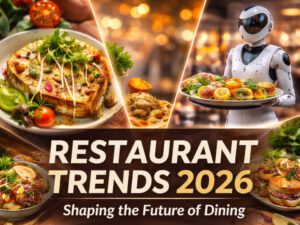
Restaurant Trends 2026: Shaping the Future of Dining
The restaurant industry is constantly evolving, responding to changing consumer preferences, technological innovation, and global culinary influences. In 2026, dining is more than just food—it’s an experience that blends sustainability, health-consciousness, technology, and immersive flavors. From fine dining to casual eateries and food halls, restaurants are embracing bold trends that redefine how we eat, socialize, and enjoy meals.
1. Sustainable and Eco-Friendly Practices
Sustainability continues to dominate the restaurant scene. Diners are increasingly conscious of environmental impact, prompting restaurants to adopt eco-friendly practices:
-
Locally sourced ingredients reduce carbon footprints and support local farmers.
-
Zero-waste kitchens minimize food waste through creative menu planning and upcycling scraps.
-
Compostable packaging and reusable utensils cater to environmentally conscious consumers.
Restaurants that prioritize sustainability not only attract eco-minded diners but also build a reputation for social responsibility.
2. Plant-Based and Health-Conscious Menus
Plant-based eating has grown beyond vegan trends—it’s now a mainstream expectation in 2026:
-
Gourmet plant-based dishes like jackfruit tacos, vegan sushi, and meat-free burgers.
-
Functional foods featuring ingredients that boost immunity or promote gut health.
-
Low-calorie, low-sugar, and high-protein options for health-conscious diners.
Health-focused menus appeal to a broader audience, combining flavor with wellness.
3. Fusion and Global Flavors
Globalization continues to influence menus, with fusion and international flavors at the forefront:
-
Asian-Latin mashups, like Korean BBQ tacos or sushi burritos.
-
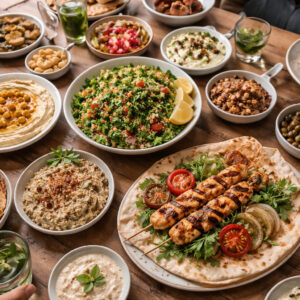
Mediterranean-Middle Eastern fusion with fresh, vibrant ingredients.
-
Exotic spices and umami-rich sauces enhancing everyday dishes.
These inventive offerings keep diners curious and adventurous, driving excitement in both casual and fine dining.
4. Technology-Driven Dining
Restaurants in 2026 leverage technology to enhance efficiency and customer experience:
-
QR code menus and mobile ordering streamline service and reduce contact.
-
AI-powered recommendations suggest dishes based on past orders and preferences.
-
Robotics and automation assist with food prep, plating, and delivery.
Tech-savvy dining appeals to modern consumers seeking convenience and novelty.
5. Experiential Dining
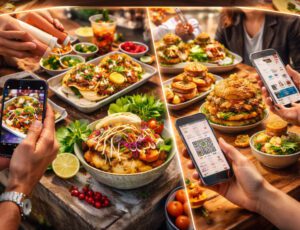
The experience is just as important as the food itself. Restaurants are creating immersive environments to engage all senses:
-
Interactive dining, such as DIY meal stations or chef’s table experiences.
-
Themed interiors and decor that complement the menu.
-
Multi-sensory elements, like music, aroma, and visual presentation.
Experiential dining makes meals memorable, encouraging social sharing and repeat visits.
6. Ghost Kitchens and Delivery-Focused Concepts
With the rise of food delivery apps, ghost kitchens and delivery-centric models are expanding:
-
Virtual restaurants operate without a physical storefront, reducing overhead costs.
-
Cloud kitchens allow chefs to experiment with multiple concepts under one roof.
-
Hyper-local delivery menus cater to specific neighborhoods or communities.
This trend reflects the growing demand for convenience without sacrificing quality.
7. Nostalgia and Comfort Foods
While innovation is key, diners still crave comfort and nostalgia:
-
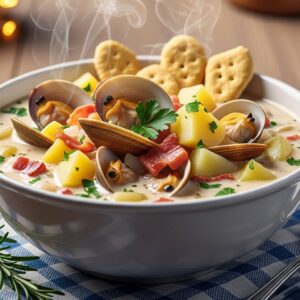
Modern takes on classic dishes, like gourmet grilled cheese or elevated mac & cheese.
-
Regional favorites reimagined, connecting guests to their roots or travel experiences.
-
Desserts and pastries with both traditional flavors and playful twists.
Balancing novelty with comfort keeps menus relatable yet exciting.
8. Sustainability in Beverage Trends
Beverages are also evolving with health and sustainability in mind:
-
Low- or no-alcohol cocktails and functional mocktails.
-
Cold-pressed juices and smoothies made with fresh, local produce.
-
Eco-friendly packaging for takeaway beverages, including compostable cups.
Restaurants are blending health, flavor, and environmental consciousness across the menu.
9. Personalization and Customer-Centric Menus
Modern diners crave customized experiences:
-
Build-your-own meals, allowing guests to select proteins, sides, and sauces.
-
Diet-specific menus, including gluten-free, keto, or allergen-friendly options.
-
Loyalty programs and digital engagement to tailor promotions and recommendations.
Personalization strengthens customer loyalty and satisfaction.
Conclusion
Restaurant trends in 2026 are all about innovation, experience, and sustainability. From plant-based menus and fusion flavors to tech-driven dining and immersive experiences, the industry is evolving to meet modern expectations. Restaurants that combine creativity, convenience, and conscious practices are setting the standard for the future of dining. Whether through ghost kitchens, interactive meals, or health-focused menus, 2026 is a year where dining is as much about experience as it is about taste.
Want to read more about this article then click here
Big Shoutout to the guys who made this blog happen UDM.
FAQs: Restaurant Trends 2026
1. What are the top restaurant trends in 2026?
The top trends include sustainable practices, plant-based menus, fusion cuisine, tech-driven dining, immersive and interactive experiences, ghost kitchens, and personalization of dishes.
2. How is technology changing the restaurant industry?
Restaurants are using QR code menus, mobile ordering, AI-driven recommendations, robotics for food prep, and digital loyalty programs to enhance convenience and customer experience.
3. Are plant-based menus popular in restaurants?
Yes, plant-based dishes like vegan burgers, jackfruit tacos, and functional bowls are increasingly mainstream, appealing to both health-conscious and adventurous diners.
4. What are ghost kitchens?
Ghost kitchens are delivery-focused restaurants that operate without a physical storefront. They reduce overhead costs and allow chefs to run multiple virtual concepts simultaneously.