Rice recipes: Global Flavors for Every Palate
Rice, a humble grain, holds an extraordinary place in the culinary landscape across the globe. Indeed, it serves as a staple food for over half of the world’s population. From the aromatic fields of Asia to the vibrant kitchens of Latin America, rice recipes* form the backbone of countless meals, embodying cultural heritage and gastronomic innovation. This article delves into the fascinating world of rice, exploring its universal appeal, essential cooking techniques, and a plethora of popular *rice recipes that promise to tantalize your taste buds and expand your culinary repertoire.
The Universal Appeal of Rice
Rice is far more than just a side dish; it is a cultural cornerstone. Its journey from ancient grains to a global dietary essential is truly remarkable. Historically, rice cultivation dates back thousands of years, with evidence pointing to its origins in Asia and Africa. Over time, it spread across continents, adapting to various climates and becoming deeply intertwined with local traditions and cuisines. Consequently, this widespread adoption led to an incredible diversity in rice recipes.
Furthermore, rice offers significant nutritional benefits. It is an excellent source of carbohydrates, providing sustained energy. Brown rice, in particular, is rich in fiber, vitamins, and minerals, including magnesium and selenium. Its versatility is another key aspect of its appeal; it can be savory or sweet, a main course or a dessert, making it an indispensable ingredient for any cook.
Mastering Basic Rice Cooking Techniques
Before diving into specific rice recipes, mastering the fundamentals of cooking rice is crucial. Perfect rice forms the foundation for any successful dish. Different types of rice require slightly different approaches, however, a few universal principles apply.
Perfect White Rice
Cooking fluffy, separate grains of white rice is a skill every home cook should possess. First, rinse the rice thoroughly under cold water until the water runs clear. This removes excess starch, preventing stickiness. Next, use the correct water-to-rice ratio, generally 1.5 to 2 cups of water for every cup of rice, depending on the variety. Bring the water to a boil, add the rice, stir once, then reduce heat to low, cover, and simmer until all water is absorbed. Finally, let it rest, covered, for 10-15 minutes after cooking; this allows the steam to redistribute, resulting in perfectly tender grains.
Fluffy Brown Rice
Brown rice, with its outer bran layer, requires a longer cooking time and a bit more water. Typically, a 2:1 water-to-rice ratio works well. Soaking brown rice for 30 minutes before cooking can reduce cooking time and improve texture. Cook it similarly to white rice, but expect it to take 30-45 minutes. Its nutty flavor and chewy texture make it a healthier alternative for many rice recipes.
Aromatic Basmati and Jasmine Rice
Basmati and Jasmine rice are prized for their fragrant aromas and delicate textures. Both benefit from rinsing and a slightly lower water ratio (around 1.25 to 1.5 cups of water per cup of rice). They cook relatively quickly, yielding long, separate, and fragrant grains perfect for many Asian-inspired rice recipes.
Popular Rice Recipes from Around the World
The global tapestry of rice recipes is incredibly rich and diverse. Each region brings its unique spices, techniques, and cultural influences to the table. Let’s explore some iconic dishes.
Asian Culinary Jewels
Asian cuisine offers an astounding array of rice recipes, showcasing the grain’s adaptability.
- Japanese Sushi Rice: This sticky, seasoned rice is the heart of sushi. It’s prepared with a special blend of rice vinegar, sugar, and salt, giving it its characteristic sweet and tangy flavor. The short-grain rice is cooked to perfection, then mixed with the seasoning while still warm, creating the ideal texture for rolling sushi or forming nigiri.
- Chinese Fried Rice: A quintessential comfort food, Chinese fried rice is a fantastic way to utilize leftover rice. It typically features rice stir-fried with eggs, vegetables (like peas and carrots), soy sauce, and often a protein such as chicken, shrimp, or pork. The key is high heat and quick cooking to achieve distinct, flavorful grains.
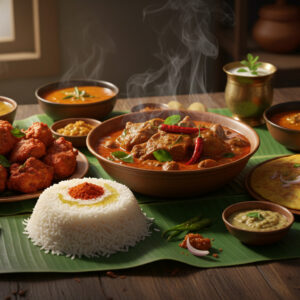
Indian Biryani:** A majestic dish, Biryani is a fragrant, elaborate *rice recipe where basmati rice is layered with marinated meat (chicken, lamb, or goat) or vegetables, aromatic spices, herbs, and often saffron. It’s cooked slowly, allowing the flavors to meld beautifully, resulting in a rich and satisfying meal.
- Thai Mango Sticky Rice: This delightful dessert exemplifies the sweet side of rice. Glutinous rice is cooked with coconut milk, sugar, and a pinch of salt, then served with fresh mango slices and a drizzle of extra coconut sauce. It’s a harmonious blend of sweet, creamy, and subtly salty flavors.
Mediterranean & Middle Eastern Delights
The Mediterranean and Middle East also boast their own beloved rice recipes, often characterized by rich flavors and unique cooking methods.
- Italian Risotto: Hailing from Northern Italy, risotto is a creamy rice dish cooked by slowly adding broth to arborio rice, stirring constantly until it reaches a rich, velvety consistency. Ingredients like saffron, mushrooms, and Parmesan cheese are commonly incorporated, making it a luxurious and comforting meal.
Spanish Paella:** Perhaps Spain’s most famous *rice recipe, paella is a vibrant, flavorful dish cooked in a wide, shallow pan. It typically combines short-grain rice with saffron, olive oil, and a variety of ingredients such as seafood, chicken, rabbit, or vegetables. The coveted ‘socarrat’ – the crispy, caramelized rice crust at the bottom – is a hallmark of a well-made paella.
- Middle Eastern Pilaf: Pilaf, or pilau, involves cooking rice in a seasoned broth, often with toasted vermicelli, nuts, or dried fruits. The rice is usually sautéed in oil or butter before the liquid is added, resulting in separate, fragrant grains. Various spices like cumin, cardamom, and cinnamon are frequently used.
Latin American & Caribbean Staples
Latin American and Caribbean cuisines heavily feature rice, often as a hearty accompaniment or a flavorful main dish.
- Mexican Arroz Rojo (Red Rice): This vibrant side dish is a staple in Mexican cuisine. White rice is sautéed with garlic and onion, then simmered in a tomato-based broth, often with peas and carrots. The result is a flavorful, slightly reddish rice that complements a wide range of Mexican dishes.
- Cuban Arroz con Pollo: A classic one-pot dish, Arroz con Pollo (rice with chicken) is a comforting and complete meal. Chicken pieces are cooked with rice, sofrito (a base of sautéed aromatics), saffron, and sometimes beer or wine. It’s a hearty and flavorful dish, perfect for family gatherings.
- Brazilian Feijoada with Rice: While Feijoada is a hearty black bean and meat stew, it is almost always served with plain white rice. The rice acts as a perfect canvas to absorb the rich, complex flavors of the stew, providing balance and substance to the meal.
Creative Rice Recipes for Everyday Meals
Beyond these traditional preparations, rice offers endless possibilities for creative, everyday cooking. Indeed, its versatility makes it perfect for quick weeknight dinners or innovative healthy options.
Quick & Easy Weeknight Options
- One-Pan Chicken and Rice: This simple yet satisfying dish involves cooking chicken pieces and rice together in a single pan with broth and seasonings. It minimizes cleanup and maximizes flavor, making it ideal for busy evenings.
- Rice Bowls with Various Toppings: Build customized rice bowls by combining cooked rice with your favorite protein (grilled chicken, tofu, or black beans), a medley of fresh or roasted vegetables, and a flavorful sauce. This is a wonderfully customizable option.
Healthy & Nutritious Choices
- Brown Rice Salads: Transform brown rice into a refreshing salad by mixing it with chopped vegetables, herbs, nuts, and a light vinaigrette. This is a fantastic way to incorporate whole grains into your diet.
Vegetable-Packed Rice Dishes:** Enhance the nutritional value of your *rice recipes by loading them with a variety of seasonal vegetables. Think stir-fries, pilafs, or even baked casseroles that feature a rainbow of produce.
Leftover Rice Transformations
Leftover rice is a treasure trove for new dishes. For example, it’s perfect for fried rice. However, you can also consider:
- Arancini (Fried Rice Balls): A classic Italian snack, arancini are made from leftover risotto, often stuffed with cheese or ragù, breaded, and deep-fried until golden and crispy.
- Rice Puddings: Sweet rice pudding, made with milk, sugar, and spices like cinnamon or vanilla, is a comforting dessert that can be enjoyed warm or cold. It’s a delightful way to repurpose cooked rice.
Tips for Elevating Your Rice Dishes
To truly master rice recipes, consider these essential tips that can transform a good dish into a great one.
Choose the Right Rice Type:** Different *rice recipes call for specific rice varieties. For instance, short-grain rice is best for sushi and risotto, while long-grain rice suits pilafs and fried rice. Matching the rice to the dish is paramount.
- Add Aromatics: Sautéing aromatics like garlic, onion, ginger, or shallots before adding rice and liquid builds a foundational layer of flavor. This simple step significantly enhances the overall taste profile.
- Use Quality Broth: Instead of plain water, use a good quality chicken, vegetable, or beef broth. This infuses the rice with deeper, more complex flavors as it cooks. Consequently, your dish will have more depth.
- Proper Seasoning: Don’t shy away from seasoning. Salt is essential, but also consider herbs, spices, and a touch of acid (like a squeeze of lemon juice or a splash of vinegar) to brighten the flavors. Taste and adjust as you go.
- Don’t Overcook: Overcooked rice becomes mushy and loses its texture. Follow cooking times carefully and rely on visual cues. Ultimately, perfectly cooked rice is tender yet still has a slight bite.
Conclusion
From the simplest steamed grain to the most elaborate biryani or paella, rice recipes* offer an endless journey of culinary exploration. This versatile grain, cherished across cultures, provides comfort, sustenance, and a canvas for an incredible array of flavors. By understanding basic cooking techniques and embracing the diverse traditions of global cuisine, anyone can elevate their rice dishes from ordinary to extraordinary. Therefore, we encourage you to experiment with new *rice recipes, discover your favorites, and enjoy the rich, flavorful world that this humble grain has to offer.
Want to read more Famous Food about click here
Big Shoutout to the guys who made this blog happen UDM.
Frequently Asked Questions (FAQ)
Q: What’s the best type of rice for everyday cooking?
A: For everyday cooking, long-grain white rice (like Basmati or Jasmine) is often preferred due to its versatility and aromatic qualities. It cooks up fluffy and separate, making it suitable for a wide range of dishes, including many rice recipes.
Q: How can I prevent rice from sticking to the pot?
A: To prevent sticking, first rinse your rice thoroughly to remove excess starch. Secondly, use the correct water-to-rice ratio for your specific rice type. Finally, avoid stirring the rice too much once it’s simmering, and let it rest, covered, for 10-15 minutes after cooking to allow the steam to redistribute.
Q: Can I use leftover cooked rice for fried rice?
A: Absolutely! Day-old, refrigerated cooked rice is actually ideal for making fried rice. Its drier texture prevents it from clumping together and allows it to absorb the flavors of the stir-fry more effectively, resulting in a superior fried rice dish.
- https://famousfoodblog.com/tasty-food-recipes-crafting-delicious-meals-daily/
- https://famousfoodblog.com/popular-recipes-discover-timeless-dishes-global-flavors/
- https://famousfoodblog.com/finger-food-recipes-easy-delicious-party-appetizers/
- https://famousfoodblog.com/pumpkin-spice-desserts-the-ultimate-fall-guide/