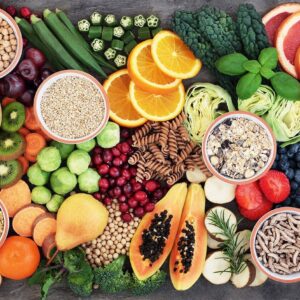
Salads: The Ultimate Guide to Fresh & Healthy Meals
Salads have long been celebrated as a cornerstone of healthy eating. Indeed, these vibrant dishes offer an incredible array of flavors, textures, and nutritional benefits. Far from being merely a side dish, Salads can be hearty, satisfying main courses, light appetizers, or even delightful desserts. Their adaptability makes them a perfect fit for any meal or occasion. Moreover, incorporating more salads into your diet is a simple yet effective way to boost your intake of essential vitamins, minerals, and fiber. This guide will explore the diverse world of salads, from fundamental components to creative culinary inspirations.
The Versatility of Salads
The concept of a salad is remarkably broad, encompassing much more than just a bowl of lettuce. Essentially, a salad is a dish consisting of a mixture of small pieces of food, typically served cold or at room temperature. These ingredients are usually tossed with a dressing. Therefore, understanding this broad definition opens up a world of culinary possibilities.
Beyond Leafy Greens: What Defines a Salad?
While leafy greens are often the first thing that comes to mind, many delicious Salads feature entirely different bases. For instance, grain salads, like quinoa or farro salads, are packed with protein and fiber, offering a substantial meal. Pasta salads, conversely, are popular for picnics and potlucks, often featuring vegetables, cheese, and a creamy or vinaigrette dressing. Furthermore, legumes such as lentils or chickpeas can form the foundation of incredibly nutritious and filling salads. Ultimately, the defining characteristic is the combination of varied ingredients, typically with a dressing, rather than a specific base.
Salads for Every Meal and Occasion
Truly, salads are incredibly versatile, fitting seamlessly into any part of your day. For breakfast, consider a fruit salad with yogurt and granola, or a savory option featuring eggs and fresh greens. Lunch and dinner are, of course, prime times for salads. They can serve as a light, refreshing side dish to a heavier meal, or as a complete, balanced main course. Think of a robust Cobb salad or a vibrant grilled chicken salad. Additionally, lighter, sweeter fruit salads can even act as a refreshing dessert. Consequently, whether you need a quick weeknight meal, a dish for a summer barbecue, or an elegant starter, there’s a salad to suit the moment.
Building the Perfect Salad: Key Components
Crafting an outstanding salad involves balancing flavors, textures, and nutrients. Each component plays a vital role in creating a harmonious and satisfying dish.
The Foundation: Greens and Bases
The base of your salad sets the stage. Classic leafy greens include crisp romaine, tender spinach, peppery arugula, and nutrient-dense kale. Each offers a unique flavor and texture profile. However, do not limit yourself to greens. Consider hearty grain bases such as fluffy quinoa, chewy farro, or pearl couscous for a more substantial salad. Potato salads and pasta salads also fall into this category, providing a comforting and filling foundation.
The Stars: Proteins and Healthy Fats
Proteins are crucial for satiety and muscle health. Excellent choices include grilled chicken, flaky salmon, hard-boiled eggs, chickpeas, black beans, lentils, and tofu. In addition, healthy fats contribute to flavor, nutrient absorption, and lasting fullness. Avocado, nuts (almonds, walnuts, pecans), seeds (chia, flax, pumpkin), and a drizzle of high-quality olive oil are superb additions. Moreover, these elements transform a simple bowl of greens into a complete meal.
Flavor Boosters: Vegetables, Fruits, and Herbs
This is where your salad truly comes alive with color and taste. Incorporate a variety of crisp vegetables like cucumbers, bell peppers, carrots, and radishes for crunch. Sweet elements such as berries, apple slices, or orange segments can add a delightful contrast. Furthermore, fresh herbs like parsley, cilantro, mint, or dill elevate the flavor profile significantly. Indeed, these ingredients provide a burst of freshness and essential micronutrients.
The Finishing Touch: Dressings and Toppings
A well-chosen dressing binds the ingredients together and adds a final layer of flavor. Vinaigrettes (olive oil, vinegar, mustard, herbs) are light and tangy. Creamy dressings, conversely, offer richness. Citrus-based dressings provide a bright, zesty kick. Finally, toppings add texture and extra flavor. Consider crunchy croutons, crumbled cheese (feta, goat cheese), toasted seeds, or crispy fried onions. Ultimately, these finishing touches can transform a good salad into a great one.
Health Benefits of Incorporating Salads into Your Diet
Regularly eating salads offers a myriad of health advantages. These benefits extend beyond just weight management, impacting overall well-being.
Nutrient Powerhouses
Fresh vegetables and fruits are packed with vitamins, minerals, and antioxidants. Therefore, a colorful salad ensures you’re consuming a broad spectrum of these vital nutrients. For example, dark leafy greens are rich in Vitamin K, Vitamin A, and folate. Furthermore, berries provide antioxidants, which combat oxidative stress.
High in Fiber
Most salad ingredients, especially vegetables, fruits, and legumes, are excellent sources of dietary fiber. Fiber aids digestion, promotes regularity, and helps maintain healthy blood sugar levels. Consequently, a fiber-rich salad can leave you feeling full and satisfied for longer, reducing the likelihood of overeating.
Hydration and Detoxification
Many salad components, such as cucumbers, tomatoes, and lettuce, have high water content. This contributes to your daily hydration needs. In addition, the antioxidants and fiber in salads support the body’s natural detoxification processes, helping to eliminate waste products.
Weight Management Support
Due to their high fiber and water content, salads are often lower in calories yet very filling. Opting for a salad as a main meal, especially one rich in lean protein and healthy fats, can be an effective strategy for managing weight. Indeed, this approach helps control portion sizes and boosts nutrient intake.
Reduced Risk of Chronic Diseases
A diet rich in fruits and vegetables, like one that frequently includes salads, is associated with a lower risk of developing chronic diseases. Specifically, this includes heart disease, type 2 diabetes, and certain types of cancer. The anti-inflammatory properties and antioxidants in fresh produce play a significant protective role.
Tips for Making Delicious and Exciting Salads
Elevate your salad game with these practical tips, ensuring every bowl is a culinary delight.
Embrace Variety
Do not get stuck in a rut with the same ingredients. Experiment with different types of greens, vegetables, fruits, proteins, and grains. This keeps your taste buds interested and ensures a wider range of nutrients. For instance, swap spinach for arugula, or chicken for chickpeas.
Prep Ingredients Ahead
Washing and chopping vegetables, cooking grains, or grilling protein at the beginning of the week can save valuable time. Consequently, assembling a fresh salad becomes a quick and easy task, making healthy eating more accessible, especially on busy days.
Don’t Be Afraid to Experiment with Flavors
Think globally for inspiration. A Thai-inspired salad might feature peanut dressing and shredded cabbage. Conversely, a Mediterranean salad could include olives, feta, and a lemon-herb vinaigrette. Bold flavors create memorable meals.
Balance Textures
A truly great salad offers a delightful interplay of textures. Combine crisp lettuce with crunchy nuts, creamy avocado, and chewy dried fruit. This textural contrast makes each bite more interesting and satisfying. Indeed, variety in texture is as important as variety in flavor.
Make Your Own Dressings
Homemade dressings are often fresher, healthier, and more flavorful than store-bought versions. They allow you to control ingredients, avoiding excessive sugar, sodium, and unhealthy oils. A simple vinaigrette takes minutes to whisk together.
Season Properly
Do not underestimate the power of salt and pepper. Season your greens, vegetables, and proteins before adding dressing. A pinch of salt can really bring out the natural flavors of the ingredients. Moreover, a good seasoning creates a more cohesive and delicious end product.
Popular Salad Recipes to Inspire You
To help you get started, here are a few classic and beloved Salads that showcase their incredible range.
Classic Caesar Salad
This iconic salad features crisp romaine lettuce, crunchy croutons, Parmesan cheese, and a creamy Caesar dressing. Often, grilled chicken or shrimp is added to make it a main course. It is a timeless favorite for its rich, savory flavor.
Caprese Salad
A simple yet elegant Italian salad, Caprese combines fresh mozzarella, ripe tomatoes, and basil leaves, drizzled with olive oil and balsamic glaze. The key is using high-quality, fresh ingredients. Indeed, its simplicity is its strength.
Greek Salad (Horiatiki)
This rustic salad typically includes tomatoes, cucumbers, red onion, Kalamata olives, and a large block of feta cheese, dressed with olive oil and oregano. Notably, authentic Greek salads do not contain lettuce. It is incredibly refreshing and flavorful.
Cobb Salad
A hearty American salad, the Cobb features chopped salad greens, tomato, crisp bacon, grilled chicken, hard-boiled eggs, avocado, chives, and blue cheese, usually with a red-wine vinaigrette. Consequently, it is a complete meal in itself.
Quinoa Salad with Roasted Vegetables
This healthy and versatile salad combines cooked quinoa with a medley of roasted seasonal vegetables like bell peppers, zucchini, and cherry tomatoes. A lemon-herb dressing ties it all together. It is perfect for meal prep.
Asian Chicken Salad
Featuring shredded chicken, crisp cabbage, carrots, bell peppers, and a vibrant sesame-ginger dressing, this salad offers a delightful crunch and an exotic flavor profile. Toasted almonds or cashews add extra texture. It is a refreshing and satisfying option.
Conclusion
Ultimately, salads are much more than just a diet food; they are a celebration of fresh ingredients, culinary creativity, and healthy living. By understanding their foundational components and embracing variety, you can transform simple ingredients into extraordinary meals. Indeed, whether you seek a quick, nutritious lunch or an elegant dinner party starter, the world of salads offers endless possibilities. Incorporating more of these vibrant dishes into your daily routine is a delicious and effective way to nourish your body and delight your palate.
Want to read more Famous Food about click here
Big Shoutout to the guys who made this blog happen UDM.
Frequently Asked Questions (FAQ)
Q1: How can I make my salads more filling and satisfying?
A1: To make your salads more substantial, focus on incorporating a balance of macronutrients. Add a generous portion of lean protein (like grilled chicken, fish, beans, or tofu), healthy fats (avocado, nuts, seeds), and complex carbohydrates (quinoa, sweet potato, whole-grain pasta). Furthermore, using a variety of vegetables and a flavorful dressing will also boost satisfaction.
Q2: Are store-bought salad dressings healthy?
A2: Store-bought salad dressings can vary significantly in their nutritional content. Many contain high levels of sugar, sodium, unhealthy oils, and artificial ingredients. Therefore, it is always best to check the nutrition label carefully. Alternatively, making your own dressing at home with olive oil, vinegar, herbs, and spices gives you complete control over the ingredients and is often a healthier choice.
Q3: What are some tips for keeping salads fresh longer?
A3: To keep your salads fresh, store ingredients separately until you’re ready to eat. Wash and dry greens thoroughly before storing them in an airtight container lined with a paper towel. Keep dressings in a separate container. For salads with mixed ingredients, avoid adding dressing until just before serving to prevent sogginess. Additionally, storing certain ingredients like tomatoes and avocados at room temperature until needed can maintain their quality.