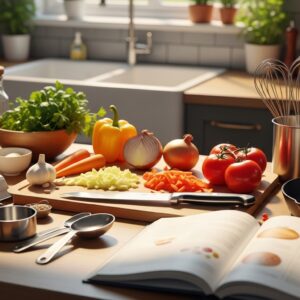
Seasonal ingredient guides: Unlock Fresh Flavors
Embarking on a culinary journey often begins with the ingredients we choose. Truly, the foundation of exceptional cooking lies in selecting produce at its peak. This is precisely where seasonal ingredient guides become indispensable. These valuable resources illuminate which fruits, vegetables, and even herbs are naturally abundant and bursting with flavor during specific times of the year. Consequently, understanding seasonality not only elevates your dishes but also connects you more deeply with the rhythm of nature and local agriculture. This article will delve into the profound benefits of embracing seasonal eating and provide practical advice for incorporating it into your daily life.
Why Choose Seasonal Ingredients?
The decision to prioritize seasonal ingredients extends far beyond mere culinary preference; it encompasses a range of significant advantages. Furthermore, these benefits impact taste, nutrition, economics, and even environmental sustainability.
Superior Taste and Nutrition
One of the most immediate and delightful advantages of seasonal eating is the unparalleled taste. Produce harvested at its natural peak of ripeness offers a richness of flavor that off-season alternatives simply cannot match. Consider, for example, a ripe, juicy summer tomato versus one picked prematurely and shipped across continents. The difference is palpable. In addition, seasonal produce often boasts higher nutritional value. When fruits and vegetables are allowed to ripen fully on the vine or in the soil, they accumulate more vitamins, minerals, and antioxidants. Conversely, out-of-season produce, often picked early to withstand long transit, may have a diminished nutrient profile.
Economic Advantages
From a financial perspective, choosing seasonal ingredients can significantly benefit your budget. When a particular fruit or vegetable is in season, it is generally more abundant. Therefore, its supply increases, and its price typically decreases. Supermarkets and farmers’ markets alike will often feature sales and promotions on seasonal items. This allows you to enjoy high-quality produce without breaking the bank. Conversely, purchasing out-of-season items often means paying a premium for produce that has traveled further and required more resources to cultivate.
Environmental Benefits
Embracing seasonal eating contributes positively to environmental well-being. Firstly, it often reduces the carbon footprint associated with food production. Seasonal produce typically requires less energy for artificial ripening, heating greenhouses, or long-distance transportation. Secondly, it often supports more sustainable farming practices. Local farmers, who are often the source of seasonal goods, are frequently committed to methods that preserve soil health and biodiversity. Thus, by opting for seasonal, you indirectly champion eco-friendly agriculture.
Supporting Local Economies
Indeed, buying seasonal produce frequently means buying local. This direct support strengthens local economies and communities. When you purchase from local farmers, your money circulates within your community, supporting livelihoods and fostering a resilient local food system. Moreover, it creates a direct connection between consumers and producers, promoting transparency and trust in where your food comes from. Consequently, this relationship can be incredibly rewarding for both parties.
Benefits of Embracing Seasonal Ingredient Guides
Utilizing seasonal ingredient guides transforms the way you approach cooking and eating. These guides serve as invaluable tools, unlocking a host of benefits that extend beyond the plate.
Enhanced Culinary Creativity
Seasonal guides inherently encourage culinary creativity. Rather than relying on the same few ingredients year-round, you are prompted to explore a wider variety of produce as the seasons change. This challenge inspires new recipes, techniques, and flavor combinations. For instance, the transition from hearty winter root vegetables to light spring greens demands a shift in cooking methods and spice profiles. Therefore, your cooking becomes more dynamic and exciting.
Healthier Eating Habits
By following seasonal ingredient guides, you naturally incorporate a more diverse range of fruits and vegetables into your diet. This dietary variety ensures a broader spectrum of nutrients and can help prevent dietary boredom. Furthermore, seasonal produce, being at its peak flavor, often requires less added sugar, salt, or fat to taste delicious. This naturally leads to healthier meal choices and improved overall well-being.
Reduced Food Waste
When you buy what’s in season, you are purchasing produce that is abundant and often more robust. This can lead to less food spoilage, especially if you plan your meals around these ingredients. Additionally, if you find yourself with an abundance of a particular seasonal item, guides often inspire preservation methods like canning, freezing, or pickling. Consequently, this extends the life of your fresh produce and minimizes waste.
Deeper Connection to Nature
Engaging with seasonal ingredient guides fosters a deeper connection to nature’s cycles. You become more aware of agricultural rhythms, weather patterns, and the natural progression of growth. This understanding can be incredibly grounding and enriching, transforming grocery shopping from a mundane task into an appreciative act. Ultimately, it allows you to truly savor the distinct flavors each season offers.
Navigating the Seasons: A Guide
Each season brings its own unique palette of flavors and textures. Understanding what to expect can help you plan meals and shop smarter. Here’s a brief overview, highlighting key items that seasonal ingredient guides often feature.
Spring’s Awakening
Spring is a season of renewal, bringing forth a bounty of tender, vibrant produce. Think of delicate asparagus spears, sweet peas, crisp radishes, and earthy artichokes. Strawberries begin to ripen, offering their first burst of sweetness. Leafy greens like spinach, kale, and lettuce are also at their freshest. These ingredients lend themselves beautifully to light salads, stir-fries, and gentle sautés. For example, a simple pasta dish with fresh asparagus and peas can be incredibly satisfying.
Summer’s Bounty
Summer is synonymous with an explosion of color and flavor. Tomatoes, corn, zucchini, cucumbers, and bell peppers dominate the harvest. Berries of all kinds—blueberries, raspberries, and blackberries—are at their peak. Stone fruits like peaches, plums, and cherries offer juicy sweetness. These ingredients are perfect for grilling, fresh salads, salsas, and vibrant desserts. Indeed, a caprese salad with garden-fresh tomatoes and basil epitomizes summer dining.
Autumn’s Harvest
As the leaves turn, autumn brings a comforting array of hearty produce. Apples and pears are abundant, ideal for baking or fresh snacking. Various types of squash, such as butternut, acorn, and pumpkin, become staples for roasting and soups. Root vegetables like carrots, potatoes, and sweet potatoes are also plentiful. Furthermore, cruciferous vegetables like broccoli, cauliflower, and Brussels sprouts thrive. These ingredients are excellent for roasting, stews, and warming casseroles.
Winter’s Comfort
Winter, while seemingly less abundant, still offers a robust selection of produce. Citrus fruits—oranges, grapefruits, tangerines—provide a much-needed burst of vitamin C and brightness. Hearty greens like kale and collard greens continue to thrive. Leeks, onions, and various root vegetables remain excellent choices. Pomegranates and persimmons also make their appearance. These ingredients are perfect for warming soups, stews, braises, and citrus-infused dishes. Consequently, a vibrant winter salad with segments of orange and roasted beets can be surprisingly refreshing.
Practical Tips for Using Seasonal Produce
Integrating seasonal ingredients into your cooking doesn’t have to be complicated. With a few simple strategies, you can effortlessly make it a regular practice.
Plan Your Meals
Start by checking what’s in season before you plan your weekly menu. Many online seasonal ingredient guides, local farmers’ market websites, or even grocery store circulars can provide this information. Subsequently, select recipes that highlight these ingredients. This proactive approach ensures you’re buying produce at its freshest and most affordable.
Preservation Techniques
When seasonal produce is abundant and inexpensive, consider preserving it for later use. Freezing berries, blanching and freezing vegetables, making jams from fruits, or pickling cucumbers are excellent ways to extend the enjoyment of the season’s bounty. This practice not only saves money but also ensures you have access to peak-flavor ingredients year-round.
Simple Preparations
Often, the best way to enjoy seasonal produce is to prepare it simply. When an ingredient is at its peak, it requires very little to taste delicious. Roasting vegetables with a drizzle of olive oil, grilling fresh corn, or serving fruit raw are fantastic ways to let the natural flavors shine. Avoid overcomplicating dishes; sometimes, less is truly more.
Experiment with New Recipes
Don’t be afraid to try new recipes that feature seasonal ingredients you might not typically use. Exploring different cuisines or cooking methods can broaden your culinary horizons. For example, if you find an abundance of zucchini in summer, try making zucchini noodles, gratin, or even zucchini bread. This experimentation keeps cooking exciting and prevents monotony.
Beyond the Supermarket: Sourcing Seasonal Ingredients
While supermarkets often carry seasonal items, exploring alternative sourcing options can further enhance your seasonal eating experience.
Farmers’ Markets
Farmers’ markets are perhaps the best place to find truly seasonal and local produce. You can speak directly with the farmers, learn about their growing practices, and get tips on how to prepare their offerings. The freshness and variety at these markets are often unparalleled. Moreover, shopping at a farmers’ market directly supports local agriculture.
Community Supported Agriculture (CSA)
Joining a CSA program means you purchase a share of a farm’s harvest at the beginning of the season. In return, you receive a weekly or bi-weekly box of fresh, seasonal produce directly from the farm. This option offers convenience and a direct connection to where your food comes from, often introducing you to new ingredients you might not have tried otherwise. It’s an excellent way to commit to seasonal eating.
Home Gardening
For those with the space and inclination, home gardening provides the ultimate control over your produce. You can choose what to grow, how to grow it, and harvest it at its absolute peak. Even a small herb garden or a few container plants can provide a delightful array of fresh, seasonal ingredients. Furthermore, the satisfaction of eating something you’ve grown yourself is immense.
Foraging (with caution)
For the adventurous, foraging for wild edibles can be an exciting way to discover hyper-seasonal ingredients. However, it is crucial to exercise extreme caution and only forage with expert guidance to ensure safety and avoid consuming poisonous plants. Always be certain of identification and be aware of local regulations regarding foraging. When done responsibly, it offers a unique connection to the wild landscape.
Conclusion
Seasonal ingredient guides offer a simple way to make meals fresher, more flavorful, and more affordable. By choosing ingredients at their peak, you enjoy better taste while supporting sustainable food practices. Whether you are a home cook or a food enthusiast, exploring what each season offers can elevate your cooking and inspire new dishes. Use these insights to bring natural, vibrant flavors to your kitchen all year long.
FAQs
1. What are seasonal ingredients?
Seasonal ingredients are fruits, vegetables, and other produce harvested during their natural growing season, offering the best flavor and quality.
2. Why should I cook with seasonal produce?
Seasonal produce is fresher, more nutritious, often cheaper, and supports local farmers. It also enhances the overall taste of your dishes.
3. How can I find out what ingredients are in season?
Check local farmers’ markets, regional produce calendars, or online seasonal food charts to see what’s currently available.
4. Are seasonal ingredients better for the environment?
Yes. Seasonal produce requires fewer resources for storage and transportation, reducing environmental impact and promoting sustainability.
5. How do I store seasonal fruits and vegetables properly?
Keep produce in cool, dry places or store it in the refrigerator depending on the item. Use airtight containers, and avoid washing until ready to eat to maintain freshness.
Want to read more Famous Food about click here
Big Shoutout to the guys who made this blog happen UDM.