Side dishes: Elevating Every Meal with Flavor and Variety
Side dishes are often considered secondary, yet they play a pivotal role in the overall dining experience. Indeed, they can transform a simple meal into a culinary masterpiece, offering complementary flavors, textures, and nutritional balance. Far from being mere afterthoughts, thoughtfully prepared side dishes enhance the main course and provide an opportunity to introduce variety and excitement to your plate. This comprehensive guide will explore the art and science of creating exceptional side dishes, from foundational concepts to advanced techniques and global inspirations.
The Importance of Side Dishes in Culinary Arts
Understanding the significance of side dishes is the first step toward culinary excellence. These accompanying components are crucial for several reasons, impacting both the sensory pleasure and the nutritional value of a meal. Therefore, giving them due consideration is essential for any home cook or professional chef.
Balancing Flavors and Textures
A well-composed meal offers a symphony of flavors and textures. For instance, a rich, savory main course might be perfectly complemented by a light, acidic side dish that cuts through its richness. Furthermore, contrasting textures, such as the crispness of roasted vegetables alongside a tender protein, add complexity and interest to each bite. Ultimately, side dishes are instrumental in achieving this delicate balance, preventing palate fatigue and making the meal more engaging.
Nutritional Completeness
Beyond taste, side dishes contribute significantly to the nutritional profile of a meal. Often, the main course provides the protein, while side dishes introduce essential vitamins, minerals, and fiber through vegetables, grains, and legumes. Consequently, incorporating a variety of vibrant and nutrient-dense side dishes ensures a more balanced diet. For example, a simple chicken breast can become a complete meal when paired with a quinoa salad and steamed green beans.
Enhancing Presentation
Visual appeal is an integral part of dining. Side dishes, with their diverse colors and forms, contribute immensely to the aesthetic presentation of a plate. A vibrant medley of roasted carrots, broccoli, and sweet potatoes can make a dish more inviting and appetizing. Therefore, strategic placement and thoughtful garnishing of side dishes elevate the entire dining experience, making it more enjoyable even before the first bite.
Popular Categories of Side Dishes
Side dishes come in countless forms, each offering unique characteristics. Understanding the main categories helps in planning and preparing meals effectively. Generally speaking, most side dishes fall into a few broad classifications.
Vegetable-Based Side Dishes
Vegetables are perhaps the most versatile foundation for side dishes. They offer a spectrum of colors, textures, and nutrients.
#### Roasted Vegetables
Roasting brings out the natural sweetness and caramelization of vegetables. Think of golden-brown Brussels sprouts, tender asparagus, or sweet potato wedges. This method is relatively hands-off and yields delicious results. Moreover, a simple seasoning of olive oil, salt, and pepper often suffices.
#### Steamed & Sautéed Greens
Quick and healthy, steamed or sautéed greens like spinach, kale, or Swiss chard are excellent choices. They retain their nutrients and can be flavored with garlic, lemon, or a dash of chili flakes. In addition, they provide a light counterpoint to heavier main courses.
#### Salads
Salads offer endless possibilities, from simple garden salads to complex grain-based creations. They provide freshness and acidity, cleansing the palate between bites. Consider a crisp arugula salad with a lemon vinaigrette or a hearty lentil salad.
Starch-Based Side Dishes
Starches provide satisfying bulk and energy to a meal. They are often comforting and can absorb the flavors of the main dish.
#### Potatoes (Mashed, Roasted, Baked)
Potatoes are a classic for a reason. Mashed potatoes offer creamy indulgence, roasted potatoes provide a crispy exterior and fluffy interior, and baked potatoes are versatile bases for toppings. Indeed, their adaptability makes them a perennial favorite.
#### Grains (Rice, Quinoa, Couscous)
From fluffy white rice to nutrient-rich quinoa and quick-cooking couscous, grains are excellent carriers of flavor. They can be prepared simply or enhanced with herbs, spices, and vegetables. Furthermore, they are fantastic for absorbing sauces and gravies.
#### Breads & Rolls
Warm crusty bread, soft dinner rolls, or flavorful cornbread can complete a meal. They are perfect for soaking up juices and adding a comforting element. However, remember to consider the overall carbohydrate content of the meal when adding bread.
Legume and Bean Side Dishes
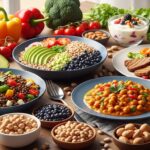
Legumes and beans are powerhouses of protein and fiber, making them incredibly satisfying side dishes. For instance, a vibrant black bean salad, earthy lentil pilaf, or seasoned chickpeas can add substantial nutritional value and textural contrast. They are particularly popular in plant-based diets, offering a hearty alternative to meat. Moreover, their versatility allows for various flavor profiles, from spicy to savory.
Fruit-Based Side Dishes
While less common, fruit-based side dishes can introduce a delightful sweetness and tartness, especially with savory meats. Consider an apple chutney with pork, roasted peaches with chicken, or a cranberry relish for holiday meals. Ultimately, these options provide a surprising and refreshing twist to traditional pairings, showcasing the versatility of side dishes.
Crafting Perfect Side Dishes: Tips and Techniques
Creating memorable side dishes requires more than just following a recipe. It involves thoughtful planning and skillful execution. Consequently, mastering a few key techniques will significantly elevate your culinary game.
Considering the Main Course
The most important rule for side dishes is to complement, not compete with, the main course. If your main dish is rich and heavy, opt for light, acidic, or fresh sides. Conversely, a lean main course might benefit from a more substantial side. For example, a delicate fish pairs well with steamed vegetables or a light rice pilaf, whereas a hearty roast beef can handle creamed spinach and roasted root vegetables.
Seasoning and Flavor Profiles
Proper seasoning is paramount. Taste as you go, adjusting salt, pepper, herbs, and spices. Consider the flavor profile you want to achieve: earthy, spicy, sweet, or tangy. Fresh herbs, citrus zest, and quality oils can make a world of difference. Furthermore, do not be afraid to experiment with different spice blends to add depth and complexity to your side dishes.
Cooking Methods for Optimal Results
The cooking method largely dictates the texture and flavor of your side dish. Understanding which method suits which ingredient is crucial.
#### Roasting
Roasting at high temperatures caramelizes vegetables, enhancing their natural sweetness and creating a desirable crisp-tender texture. It is ideal for root vegetables, broccoli, cauliflower, and Brussels sprouts. Indeed, a hot oven can transform humble ingredients.
#### Grilling
Grilling imparts a smoky flavor and beautiful char marks. This method works wonderfully for corn on the cob, asparagus, bell peppers, and even some fruits. Additionally, it offers a distinct outdoor flavor that many enjoy.
#### Steaming
Steaming is a gentle cooking method that preserves nutrients, color, and a crisp texture. It is perfect for delicate greens, green beans, and broccoli. Moreover, steaming requires minimal added fat, making it a healthy option.
#### Sautéing
Sautéing involves cooking quickly in a small amount of fat over medium-high heat. This method is excellent for quick-cooking vegetables like spinach, mushrooms, and snap peas, often enhanced with garlic or shallots. Ultimately, it delivers vibrant flavors and textures in minutes.
Batch Cooking and Meal Prep for Side Dishes
Preparing side dishes in advance can be a significant time-saver, especially for busy individuals. Many roasted vegetables, grain salads, and even some purees hold up well when stored properly. For instance, cooking a large batch of quinoa or roasting a tray of mixed vegetables at the beginning of the week provides readily available components for multiple meals. Consequently, this strategy simplifies weeknight dinners and encourages healthier eating habits, as nutritious options are always at hand.
Global Inspirations for Side Dishes
The world’s cuisines offer a treasure trove of inspiration for side dishes. Exploring international flavors can add an exciting dimension to your meals. Moreover, it allows for a diverse culinary experience right in your home kitchen.
Mediterranean Flavors
Mediterranean side dishes often feature fresh vegetables, olive oil, herbs, and legumes. Think of Greek salad, hummus, baba ghanoush, or roasted potatoes with lemon and oregano. These sides are typically light, fresh, and bursting with flavor. Furthermore, they are often very healthy and contribute to a balanced diet.
Asian Delights
Asian cuisine offers a vast array of flavorful side dishes. Examples include stir-fried greens with soy sauce and garlic, sticky rice, kimchi, or a refreshing cucumber salad. These sides often balance sweet, sour, salty, and umami flavors. In addition, many are quick to prepare, making them ideal for weeknight meals.
Latin American Staples
Latin American side dishes are vibrant and often feature corn, beans, rice, and plantains. Consider black beans and rice, yuca fries, grilled corn with cotija cheese, or a simple pico de gallo. These sides are hearty and flavorful, perfectly complementing a variety of main courses. Ultimately, they bring a festive and comforting element to the table.
Healthy and Innovative Side Dishes
As dietary preferences evolve, so too do the options for healthy and innovative side dishes. These selections cater to various needs while maintaining deliciousness and creativity. Therefore, exploring these options can open up new culinary horizons.
Low-Carb Options
For those managing carbohydrate intake, numerous delicious low-carb side dishes exist. Cauliflower rice, zucchini noodles, roasted radishes, or sautéed green beans are excellent choices. These alternatives mimic the texture and satisfaction of their higher-carb counterparts without the added sugars. Furthermore, they are often packed with nutrients.
Plant-Based Creations
Plant-based side dishes are not only healthy but also incredibly flavorful and diverse. Consider lentil patties, roasted chickpeas, mushroom
Conclusion
Side dishes are far more than mere accompaniments; they are integral components that define the character, balance, and nutritional value of any meal. By thoughtfully selecting, preparing, and pairing side dishes, you can elevate everyday dining into an extraordinary culinary experience. From balancing flavors and textures to enhancing presentation and providing essential nutrients, the impact of these supporting roles is undeniable. Embracing variety, exploring global inspirations, and mastering fundamental cooking techniques will empower you to create side dishes that truly shine, transforming every plate into a harmonious and delicious masterpiece.
want to read more visit our other blogs
Big Shoutout to the guys who made this blog happen Asim Ali.
Frequently Asked Questions (FAQ)
Q1: How do I choose the best side dishes for a specific main course?
A1: When selecting side dishes, consider the flavor profile, richness, and texture of your main course. For a rich main dish, opt for lighter, acidic, or fresh sides to cut through the richness. Conversely, a lean main course might benefit from a more substantial or creamy side. Think about complementary colors and textures for visual appeal as well. Ultimately, the goal is to create balance and harmony on the plate.
Q2: Can side dishes be prepared in advance for meal prep?
A2: Absolutely! Many side dishes are excellent candidates for meal prep. Roasted vegetables, grain salads (like quinoa or couscous salads), cooked legumes, and even some purees can be prepared in advance and stored in airtight containers in the refrigerator for several days. This saves time during busy weeknights and ensures you always have healthy, delicious options readily available.
Q3: What are some common mistakes to avoid when making side dishes?
A3: Common mistakes include overcooking or undercooking vegetables, neglecting proper seasoning, and failing to consider the overall balance of the meal. Avoid last-minute preparation, which can lead to rushed and uninspired results. Furthermore, don’t be afraid to experiment with new ingredients and cooking methods to prevent monotony and keep your side dishes exciting and flavorful.