
Sous vide cooking tips: Master the water bath
Sous vide, a French term meaning “under vacuum,” is a cooking method that involves sealing food in a bag and cooking it in a precisely temperature-controlled water bath. This technique ensures incredible consistency and perfectly cooked results every single time. Moreover, it prevents overcooking and allows food to cook evenly from edge to edge. Many home cooks are now discovering the benefits of this revolutionary method. Therefore, mastering a few key Sous vide cooking tips can transform your culinary endeavors. This guide will provide essential insights, from beginner techniques to advanced strategies, helping you achieve restaurant-quality dishes in your own kitchen.
Essential Sous Vide Cooking Tips for Beginners
Starting with sous vide can seem daunting; however, it is surprisingly straightforward. Proper foundational knowledge is crucial. Here are some fundamental Sous vide cooking tips to get you started on the right path.
Understanding Temperature Control
The core of sous vide cooking lies in precise temperature control. A good immersion circulator maintains the water bath at an exact temperature. This precision is vital. For instance, a steak cooked at 130°F (54°C) will be medium-rare throughout. Conversely, a steak cooked at 140°F (60°C) will be medium. Always refer to reliable temperature charts for different proteins and desired doneness. Furthermore, consistency is key; avoid significant fluctuations.
Proper Food Sealing Techniques
Effective sealing is paramount to successful sous vide. Air pockets within the bag can lead to uneven cooking, as air is a poor conductor of heat compared to water. A vacuum sealer is the most efficient tool for this purpose. Alternatively, the displacement method works well for those without a vacuum sealer. Simply submerge the open bag with food into the water, allowing the water pressure to push out the air before sealing. Ensure your bags are food-grade and heat-safe.
Choosing the Right Equipment
While a high-end setup isn’t strictly necessary, certain equipment enhances the experience. An immersion circulator is non-negotiable. Additionally, a large pot or a dedicated sous vide container will serve as your water bath. Insulated containers help maintain temperature and reduce energy consumption. Consider also a reliable thermometer for spot-checking, although your circulator should be accurate.
Advanced Sous Vide Techniques to Elevate Your Dishes
Once you’ve mastered the basics, you can explore more sophisticated Sous vide cooking tips to push your culinary boundaries. These techniques can significantly enhance flavor and texture.
Achieving the Perfect Sear
Sous vide cooks food to a perfect internal temperature, but it doesn’t create a crust. Therefore, a post-sous vide sear is essential for many dishes, especially meats. This step develops the Maillard reaction, adding complex flavors and a desirable texture. After removing food from the water bath, pat it thoroughly dry. Moisture inhibits searing. Then, sear quickly at very high heat in a cast-iron skillet, on a grill, or with a blow torch. Use high smoke point oils like avocado or grapeseed. The goal is a quick, intense sear without overcooking the perfectly cooked interior.
Flavor Infusion and Marinades
Sous vide bags create a perfect environment for flavor infusion. Herbs, spices, aromatics (like garlic cloves or thyme sprigs), and even citrus zest can be added directly into the bag with your food. The low, slow cooking process allows these flavors to penetrate deeply. Similarly, marinades work exceptionally well. However, be mindful of acidic marinades, as prolonged exposure can sometimes “cook” or denature proteins, especially with delicate fish. Experiment with different combinations to discover new taste profiles.
Batch Cooking and Meal Prep
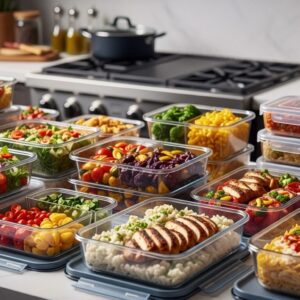
Sous vide is an excellent tool for meal prepping. You can cook large quantities of proteins, then chill them rapidly in an ice bath. Once chilled, these items can be stored in the refrigerator for several days or frozen for longer periods. When ready to eat, simply reheat them in the sous vide bath at a lower temperature or finish with a quick sear. This method saves significant time during busy weeknights. Consequently, it promotes healthier eating habits.
Common Sous Vide Mistakes to Avoid
Even experienced cooks can make errors. Being aware of potential pitfalls is one of the most valuable Sous vide cooking tips. Avoiding these common mistakes will ensure consistently excellent results.
Overcrowding the Water Bath
Resist the urge to pack too much food into your water bath. Adequate water circulation around each item is critical for even cooking. If the bath is too crowded, cold spots can develop, leading to undercooked food. Cook in batches if necessary, or use a larger container. Remember, patience is a virtue in precision cooking.
Ignoring Food Safety
Food safety is paramount with any cooking method, and sous vide is no exception. Always ensure your food reaches safe internal temperatures, especially for poultry and pork. Furthermore, when chilling food for storage, do so rapidly in an ice bath to pass through the “danger zone” (40°F to 140°F or 4°C to 60°C) as quickly as possible. Never leave cooked food at room temperature for extended periods. Clean your equipment regularly.
Skipping the Chill Bath
For foods intended for later consumption, a rapid chill bath is non-negotiable. After cooking, transfer the sealed bag directly into an ice bath. This quickly brings the food’s temperature down, preventing bacterial growth. Once thoroughly chilled, it can be refrigerated or frozen safely. Skipping this step risks foodborne illness.
Mastering Different Proteins and Vegetables
The versatility of sous vide extends to a wide array of ingredients. Applying specific Sous vide cooking tips for different food types will unlock their full potential.
Steak and Red Meats
Steak is perhaps the most popular item for sous vide. Cook thick cuts (1.5-2 inches) for 1-3 hours. For a medium-rare steak, aim for 129-132°F (54-55.5°C). After the bath, a high-heat sear is crucial for that desirable crust. Similarly, roasts like chuck or short ribs benefit from longer cooking times (24-48 hours) at slightly higher temperatures (135-155°F or 57-68°C) to tenderize connective tissues while retaining moisture.
Poultry and Pork
Chicken breasts cooked sous vide are remarkably juicy and tender, a stark contrast to often-dry pan-cooked versions. Cook at 145-150°F (63-66°C) for 1-2 hours. Pork tenderloin also excels with sous vide, offering consistent doneness. For pork, 135-140°F (57-60°C) for 1-3 hours yields a tender, slightly pink interior. Always ensure poultry reaches a safe temperature.
Fish and Seafood
Fish and seafood are delicate and cook very quickly sous vide. Temperatures between 115-135°F (46-57°C) are common, depending on the desired flakiness. Cooking times are typically shorter, often just 30-45 minutes. Be careful not to overcook, as fish can become mushy. A gentle sear or a quick broil can add a nice finish without drying it out.
Vegetables and Eggs
Sous vide vegetables retain their vibrant colors and nutrients, achieving a perfectly tender-crisp texture. Root vegetables like carrots or potatoes require higher temperatures (180-185°F or 82-85°C) and longer cooking times (1-3 hours). Delicate greens cook much faster. Eggs, on the other hand, offer a fascinating range of textures depending on the precise temperature and time. For instance, a 145°F (63°C) egg for 45 minutes yields a perfectly runny yolk with a barely set white, ideal for poaching.
Conclusion
Mastering sous vide cooking tips opens up a world of culinary precision and delicious possibilities. From ensuring proper temperature control and sealing techniques to executing the perfect post-sous vide sear, each step contributes to consistently superior results. By understanding the nuances of cooking different ingredients and avoiding common pitfalls, you can confidently create restaurant-quality meals at home. Embrace these techniques, experiment with flavors, and enjoy the journey of elevated home cooking.
Frequently Asked Questions (FAQ)
Q1: Do I need a vacuum sealer for sous vide?
A1: While a vacuum sealer offers the best results by removing nearly all air, it is not strictly necessary. You can use the “water displacement method” with ziplock-style bags. Simply place your food in the bag, submerge it slowly into the water bath, and the water pressure will push out most of the air before you seal the bag just above the waterline.
Q2: Can I put frozen food directly into a sous vide bath?
A2: Yes, you can cook food from frozen using sous vide. However, you will need to increase the cooking time by approximately 50% to account for the thawing time. For example, if a steak normally takes 1 hour, a frozen steak of the same size might take 1.5 hours. Always ensure the food reaches the desired internal temperature.
Q3: How long can food stay in the sous vide bath?
A3: The safe holding time in a sous vide bath depends on the temperature and the food type. For pasteurization, food must reach and maintain a specific temperature for a certain duration. After this, most proteins can be held for an additional 1-4 hours without significant degradation in texture, assuming the temperature is above 130°F (54°C) to prevent bacterial growth. However, extremely long cooking times can sometimes lead to a mushy texture, especially with delicate items. Always refer to reliable sous vide time and temperature charts.
Want to read more Famous Food about click here
Big Shoutout to the guys who made this blog happen UDM.
- https://famousfoodblog.com/homemade-spice-blends-master-your-kitchen-flavors/
- https://famousfoodblog.com/food-history-and-culture-a-global-journey/
- https://famousfoodblog.com/batch-cooking-meal-prep-for-families-a-guide/
- https://famousfoodblog.com/low-carb-dinner-ideas-delicious-healthy-meals/
- https://famousfoodblog.com/food-preservation-techniques-a-comprehensive-guide/








[…] […]
[…] https://famousfoodblog.com/sous-vide-cooking-tips-master-the-water-bath/ […]